1. The History and Architecture of Perfume Pagoda
1.1. The Chronicles of Perfume Pagoda
The story of the Perfume Pagoda dates back over 500 years. According to legend, the pagoda was established in the 15th century during the reign of the Le Dynasty, though some sources claim that the sacred site predates this period. The pagoda is dedicated to Quan Am (Avalokiteshvara), the goddess of mercy and compassion in Buddhism, and is considered one of the holiest Buddhist sites in Vietnam.
The name "Perfume Pagoda" is said to come from the sweet fragrance of the wildflowers and herbs that fill the area during the blooming season, particularly in spring. The fragrance is believed to carry the blessings of the goddess, enhancing the spiritual atmosphere of the place. In Vietnamese, "Chua Huong" directly translates to "Pagoda of Fragrance", a name that perfectly encapsulates the divine aroma that lingers in the air during pilgrimages.
1.2. The Layout and Architecture of Perfume Pagoda
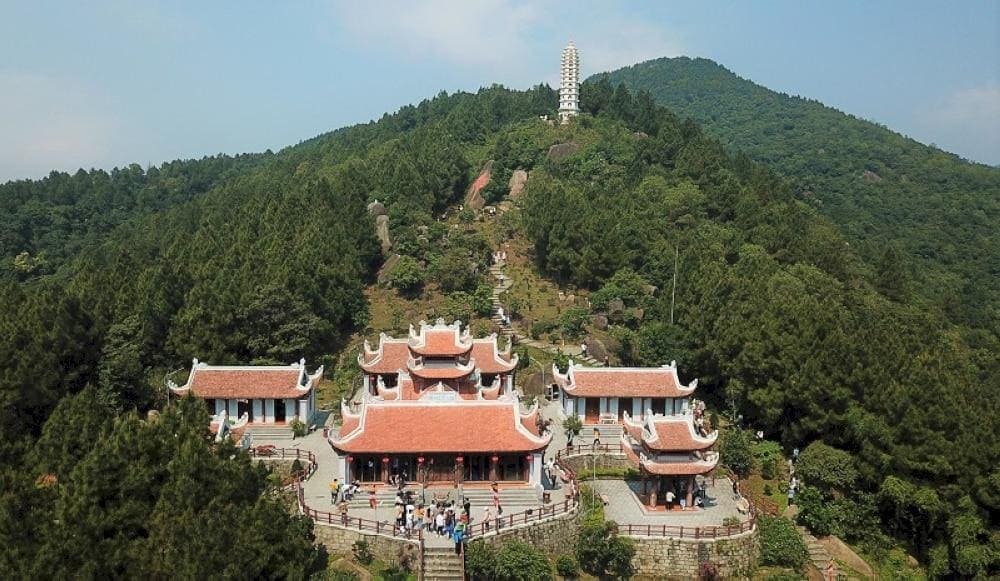
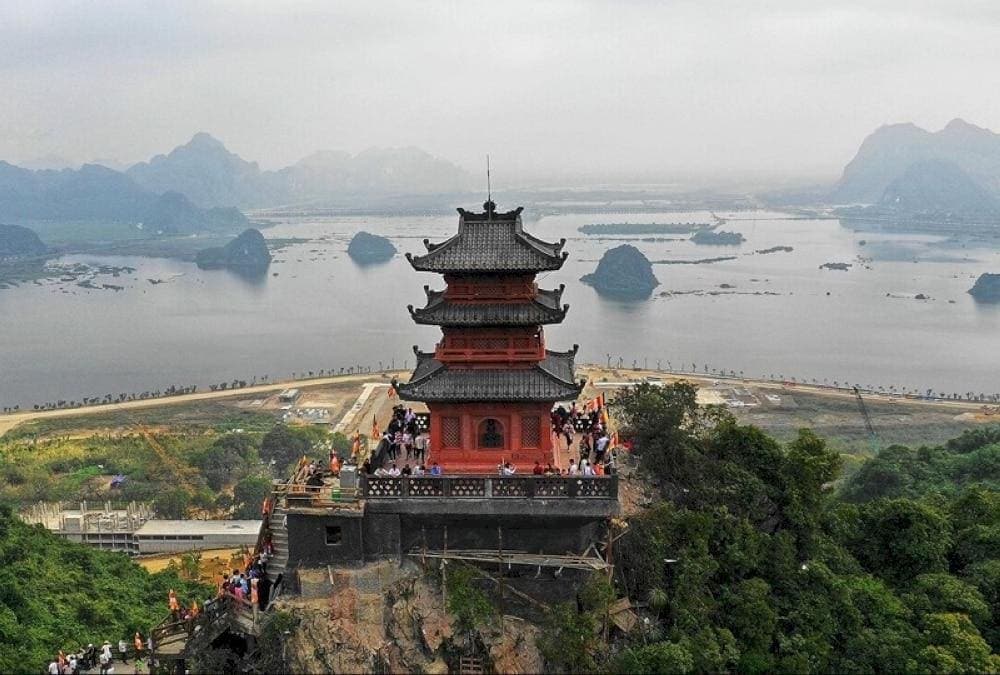
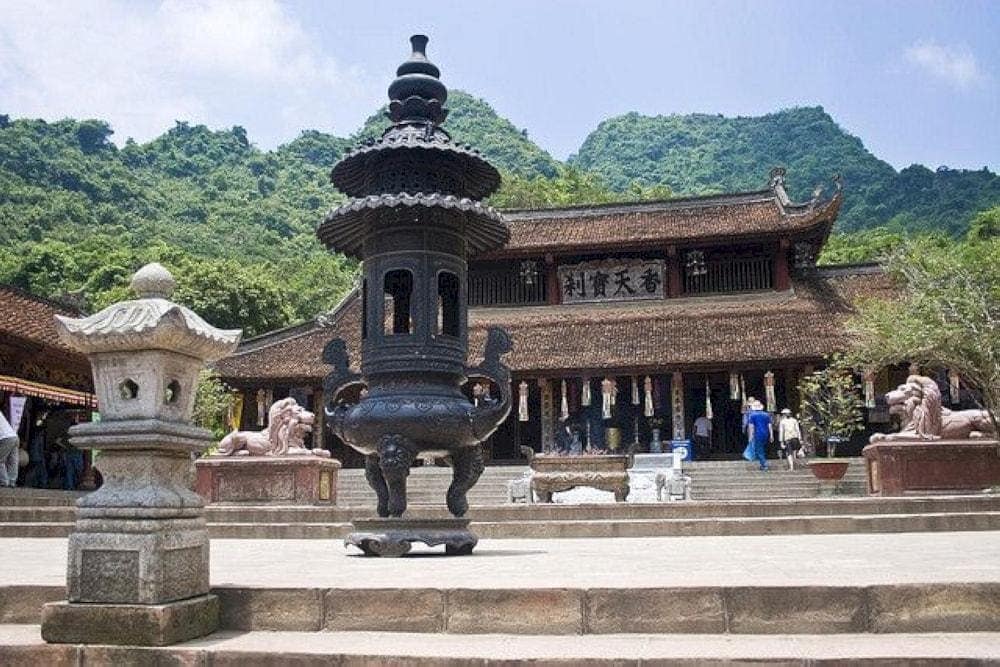
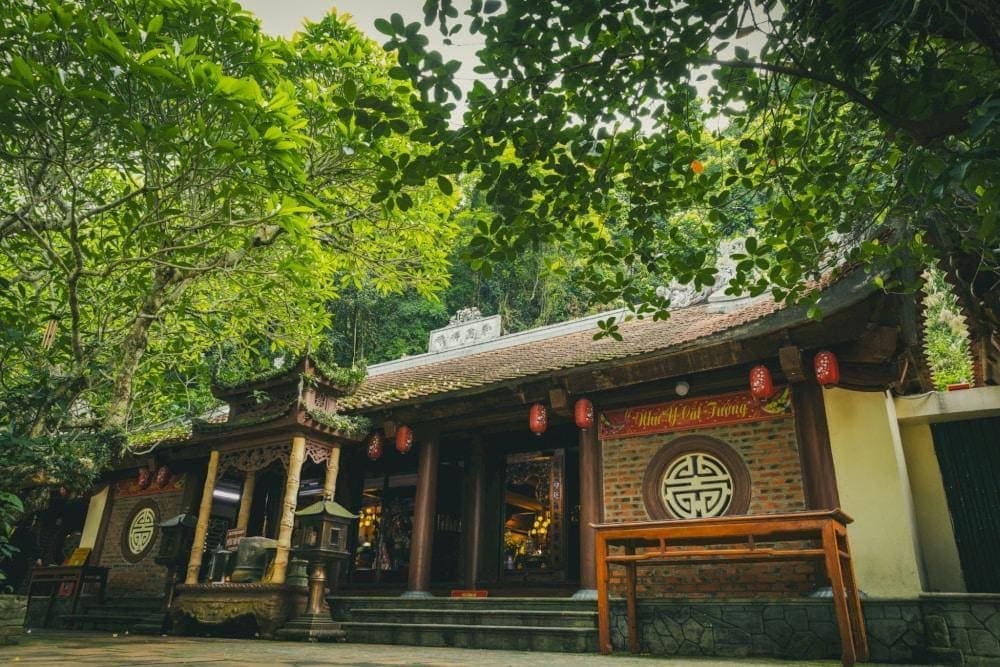
The pagoda complex features typical Vietnamese Buddhist architectural styles, with buildings made from wood and stone, adorned with intricate carvings and sculptures of Buddhist deities. The structures are designed to blend into the natural environment, with curved roofs that resemble the shape of lotus petals, symbolizing purity and spiritual growth.
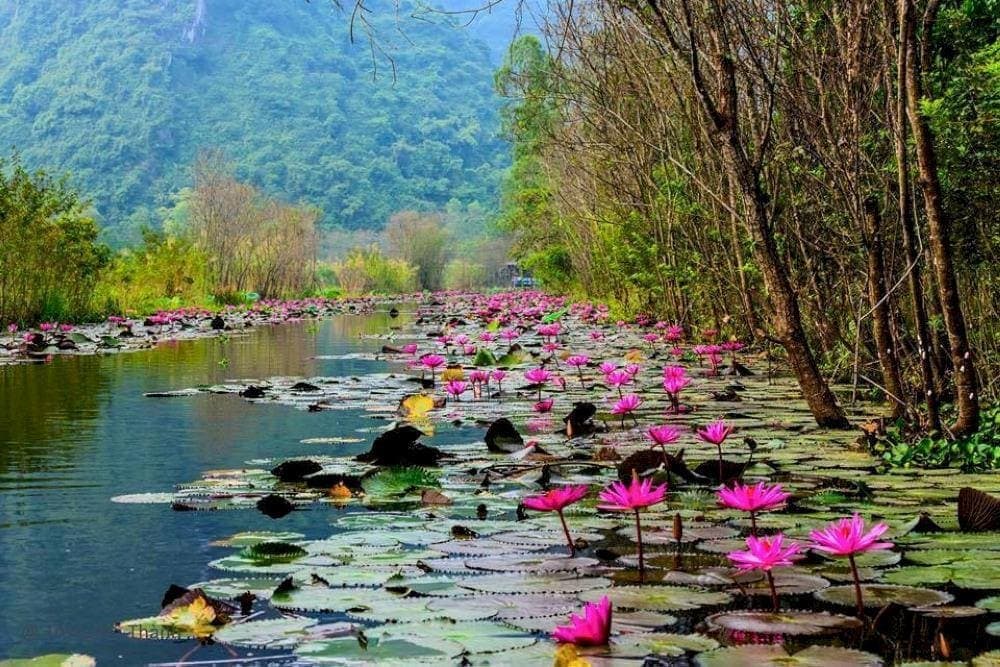
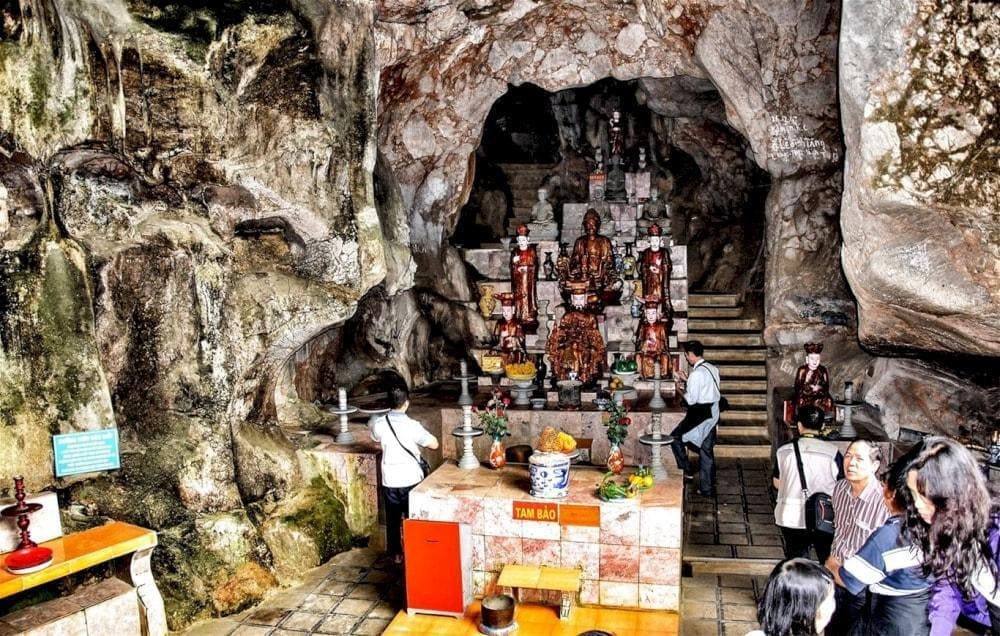
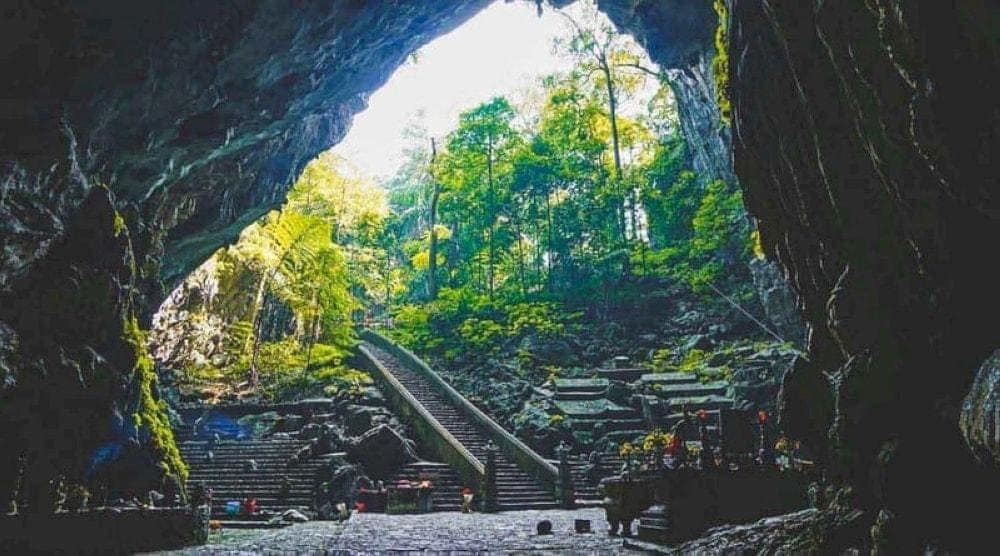
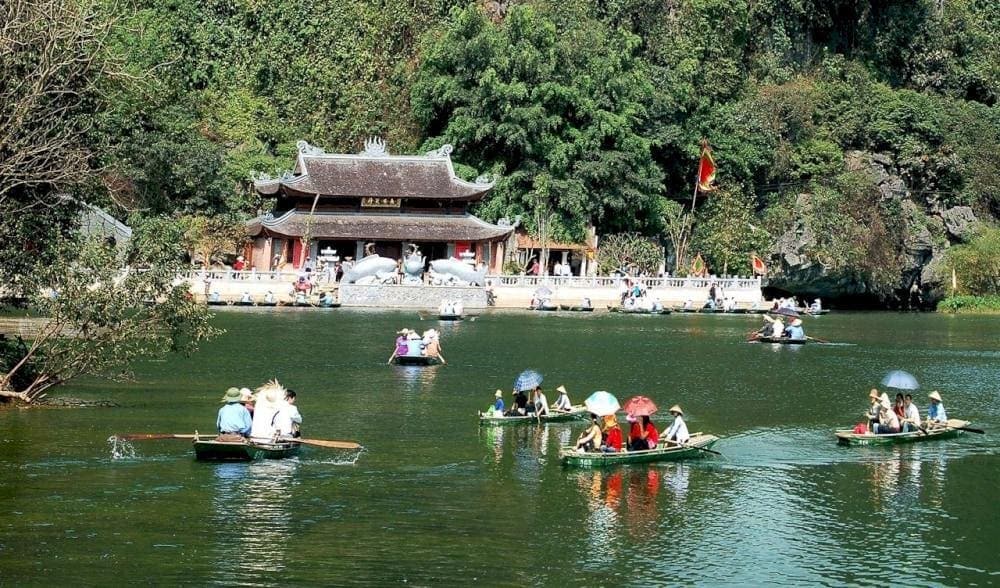
Most of the temples are made from dark wood, which gives them an earthy, grounded appearance. These wooden buildings are typically raised on stone foundations to protect them from flooding, with beautiful wooden columns supporting the roofs. The buildings feature intricate carvings depicting scenes from Buddhist teachings, local legends, and images of deities, such as the Buddha and the goddess Quan Am. The artistry reflects both religious devotion and local craftsmanship. The Perfume Pagoda is spread out over a vast area of hills, caves, rivers, and valleys. Pilgrims typically follow a spiritual route that begins with a boat ride on the Yen Stream and culminates in a hike to the Huong Tich Cave, the heart of the pagoda complex. The main temples and shrines are strategically located along this journey, with each site holding special religious significance.