Top 20+ What to Buy in Vietnam For Unforgettable Souvenirs & Authentic Gifts
Top 20+ What to Buy in Vietnam For Unforgettable Souvenirs & Authentic Gifts
What to buy in Vietnam for the perfect souvenir? Whether you want something culturally rich, delicious, or simply beautiful, Vietnam offers a treasure trove of affordable and authentic gifts. Let’s explore the best things to bring home from Vietnam, sorted into easy categories from fashion and food to handmade crafts.
Vietnam’s bold flavors are not only found in its cuisine but also in its world-famous coffee and herbal teas.
1.1. Vietnamese Coffee
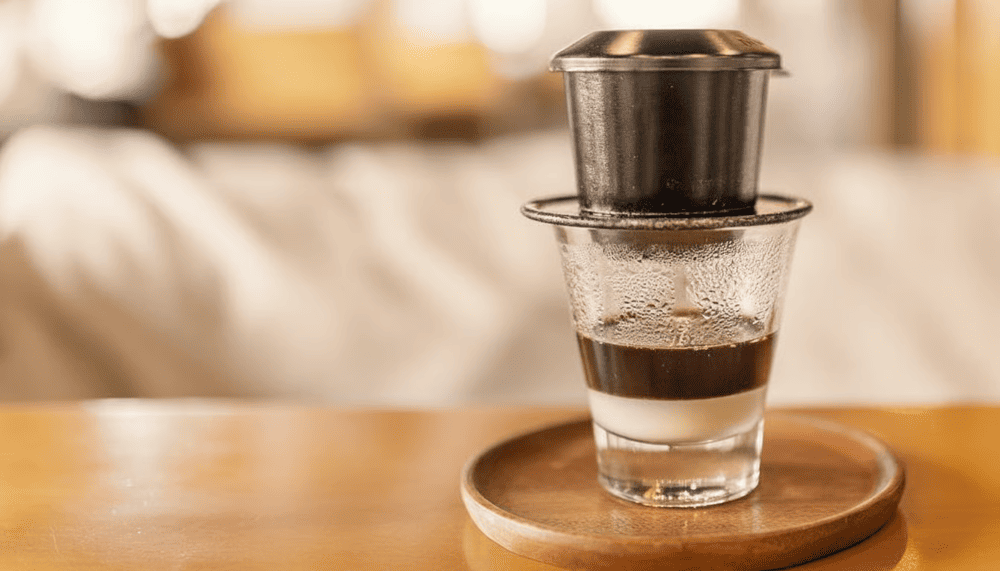
Vietnam is the world’s second-largest coffee exporter, and coffee here is not just a drink - it’s a daily ritual and a window into local life. Bold, strong, and aromatic, Vietnamese coffee is typically brewed using a phin filter, resulting in a rich, slow-dripped beverage often served over ice with condensed milk (ca phe sua da).
Vietnamese coffee is unlike any other. Its intense flavor, high caffeine content, and smooth finish make it ideal for espresso lovers and adventurous palates alike. A bag of Vietnamese coffee also makes a meaningful, easy-to-pack souvenir that reflects the country’s agricultural pride and distinctive culinary identity.
Vietnamese coffee use a filter (or phin) for strong coffee extract
When shopping for coffee in Vietnam, consider these popular types:
Weasel Coffee (Ca phe chon): Made using beans fermented through the digestion of civets, this luxury item is prized for its smooth, chocolatey profile. It’s far more affordable in Vietnam than abroad.
Robusta Beans: Stronger and more caffeinated than Arabica, these beans have a nutty, slightly bitter flavor - perfect for those who like bold coffee.
Arabica Beans: Grown in Da Lat and Lam Dong, these are milder with fruity or floral undertones.
Instant Coffee Mixes: Convenient 3-in-1 packs (coffee, milk, sugar) from brands like G7 are great gifts for friends.
Where to buy:
Trung Nguyen Legend Café: The most iconic Vietnamese brand with a wide variety of blends.
Highlands Coffee: Local chain with packaged beans and single-serve options.
La Viet Coffee (Da Lat): A third-wave coffee brand focusing on sustainable, fair trade production.
Capella Coffee Roasters (Hanoi): Known for specialty Arabica and high-quality blends.
Local Markets & Supermarkets: Good for lower-cost or regional brands.
Price range: For regular Robusta/Arabica beans, price starts from VND 120,000 - 300,000 (USD 5 - 13) per 250g. Weasel coffee is usually more expensive, but still cheaper comparing to other places, from VND 500,000 (USD 22) per 100g and upwards, depending on authenticity
Tips for buying:
Check roast date for freshness. Medium and dark roasts are ideal for traditional Vietnamese brewing.
If you have a grinder, buy whole beans. If not, ask to grind them at the shop.
For authenticity, especially with weasel coffee, buy from reputable brands or certified shops.
1.2. Fragrant Vietnamese Tea & Herbal Products
Tea culture in Vietnam is as ancient as it is diverse. From sipping fresh lotus tea beside West Lake to brewing herbal infusions in the highlands, Vietnam’s teas reflect its geography, climate, and centuries-old traditions.
Vietnamese teas are not only delicious but deeply connected to the country's spiritual and cultural roots. Their lightness, floral notes, and natural health benefits make them popular gifts for tea lovers and wellness seekers alike.
Here are some must-try varieties:
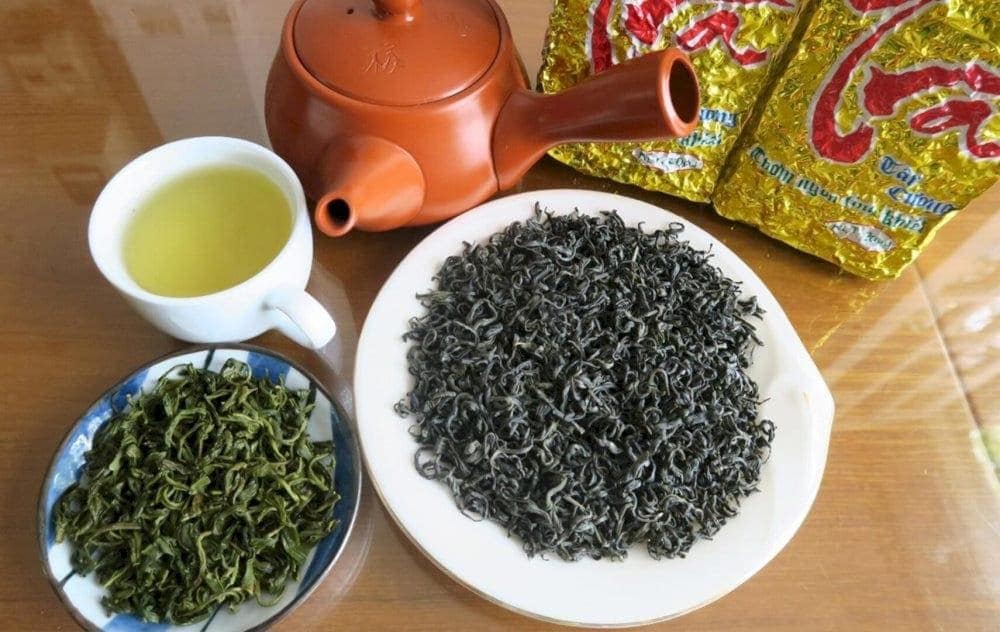
Green Tea (Tra xanh): Especially from Thai Nguyen or Moc Chau. Light, grassy, and astringent with high antioxidant content.
Lotus Tea (Tra sen): Delicate green tea infused with the scent of lotus flowers, traditionally stored overnight inside lotus blossoms. A Hanoi specialty.
Jasmine Tea (Tra nhai): Floral and soothing, great for winding down after a long day.
Artichoke Tea: Originates from Da Lat, known for its detoxifying properties.
Lemongrass, cinnamon, ginger, or pandan blends: Common herbal infusions that aid digestion and calm the mind.
The most popular Vietnamese tea is green tea
Where to buy:
Ben Thanh Market (Ho Chi Minh City) & Dong Xuan Market (Hanoi): Both offer variety and are great for casual buyers.
Specialty Tea Shops in Hanoi & Ho Chi Minh City: Brands like Huong Tra, Tram Tea House, or Che Thai Nguyen provide premium products with better packaging.
Tea plantations in Moc Chau (Son La), Thai Nguyen, Bao Loc (Lam Dong): Ideal for in-depth tea tasting and purchasing directly from growers.
Price range: Depending on the types of tea, here are the price references:
Premium lotus or jasmine teas: VND 300,000 - 500,000 (USD 13 - 22) per box or canister
Herbal blends: Often cheaper, starting at VND 30,000 (USD 1.30)
Tips for buying:
Always smell the tea: Fresh tea should have a strong, clean scent.
Ask for vacuum-sealed packaging for better preservation when traveling.
If you’re shopping for lotus or jasmine tea, ask whether the scenting process was natural or artificial - premium teas are scented naturally and are more expensive but higher in quality.
2. Iconic Fashion & Textiles For A Piece of Vietnam
Vietnam’s fashion heritage is a fusion of elegance, craftsmanship, and cultural symbolism. If you're looking to bring home a wearable memory, start with these beloved styles.
2.1. The Elegant Ao Dai: Vietnam's National Symbol
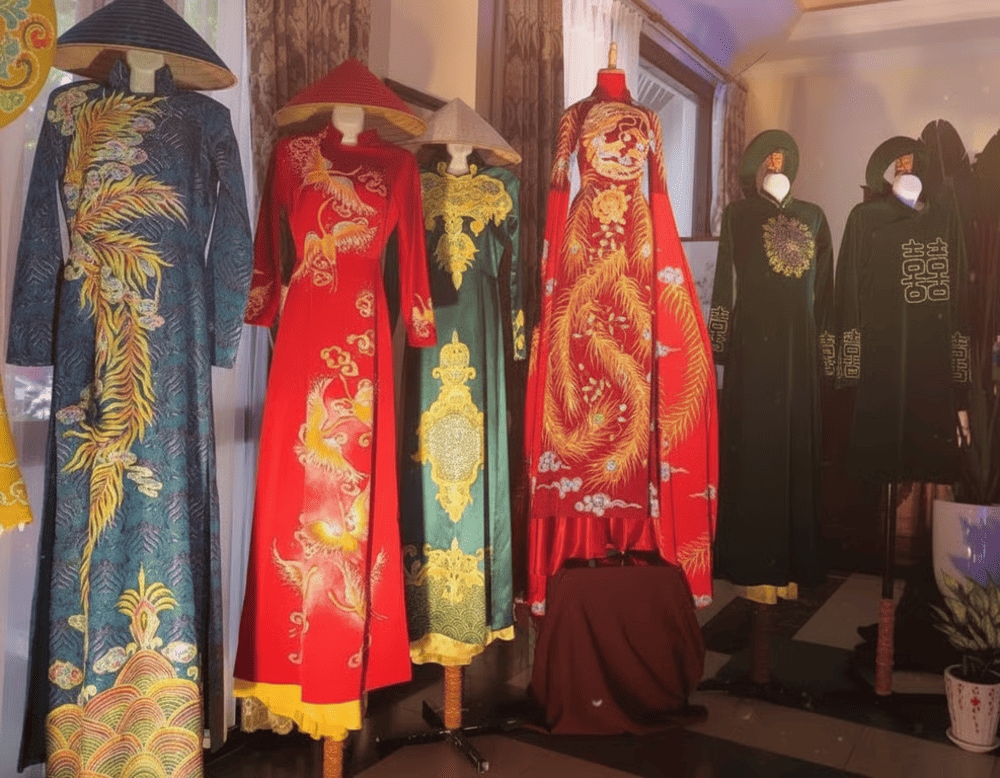
Few garments in the world embody a country’s spirit as completely as the Ao Dai. Worn for both formal occasions and modern celebrations, the Ao Dai reflects Vietnamese femininity, poise, and tradition.
The Ao Dai makes for a meaningful and wearable souvenir. It's a showstopper at cultural events, and also makes a unique gift for loved ones. It can be tailored to fit perfectly and personalized in terms of fabric, color, and embroidery.
You can have your own ao dai custom-made in 2 days in Vietnam
Here are types of ao dai you should check out:
Traditional Ao Dai: Long tunic with high slits and loose pants
Modern Ao Dai: Shorter, body-hugging versions, often worn with skirts or jeans
Men’s Ao Dai: Heavier, structured fabric with more modest color tones
Where to buy:
Custom-tailoring shops in Hoi An, Hanoi, or Ho Chi Minh City, such as Viet Thuong Tailor in Hoi An or Ao Dai Boutique in Hanoi.
Ready-to-wear options are available at markets like Ben Thanh Market and Dong Xuan Market.
Price range: Ready-to-wear ao dai usually starts from VND 500,000 (USD 22), while custom-made can vary greatly depending on the designer and the quality of silk used, from VND 1,200,000 - 7,000,000 (USD 50 - 300)
Tips for buying:
Provide accurate measurements for custom-made Ao Dai
For ready-to-wear, try it on and check the fit carefully.
Bring a photo reference for custom designs
Allow 1–2 days for fitting and adjustments so plan your trip accordingly
Ask for silk or high-quality brocade for formal wear.
2.2. Luxurious Vietnamese Silk Products
Vietnamese silk is celebrated for its softness, delicate sheen, and deep cultural significance. Woven from carefully raised silkworms, it has long been associated with elegance and artistry - appearing in everything from royal garments to modern home décor.
Silk makes a versatile and premium souvenir. Whether you're buying a scarf, tailored clothing, or raw fabric, Vietnamese silk is affordable compared to global prices, and a great gift for those who appreciate craftsmanship.
Here are popular silk items to consider:
Silk scarves & shawls: Lightweight, colorful, and easy to pack
Silk pajamas or dresses: Comfortable and luxurious loungewear
Home décor: Cushion covers, bed runners, and wall art
Raw silk by the meter: Ideal for custom tailoring or DIY projects
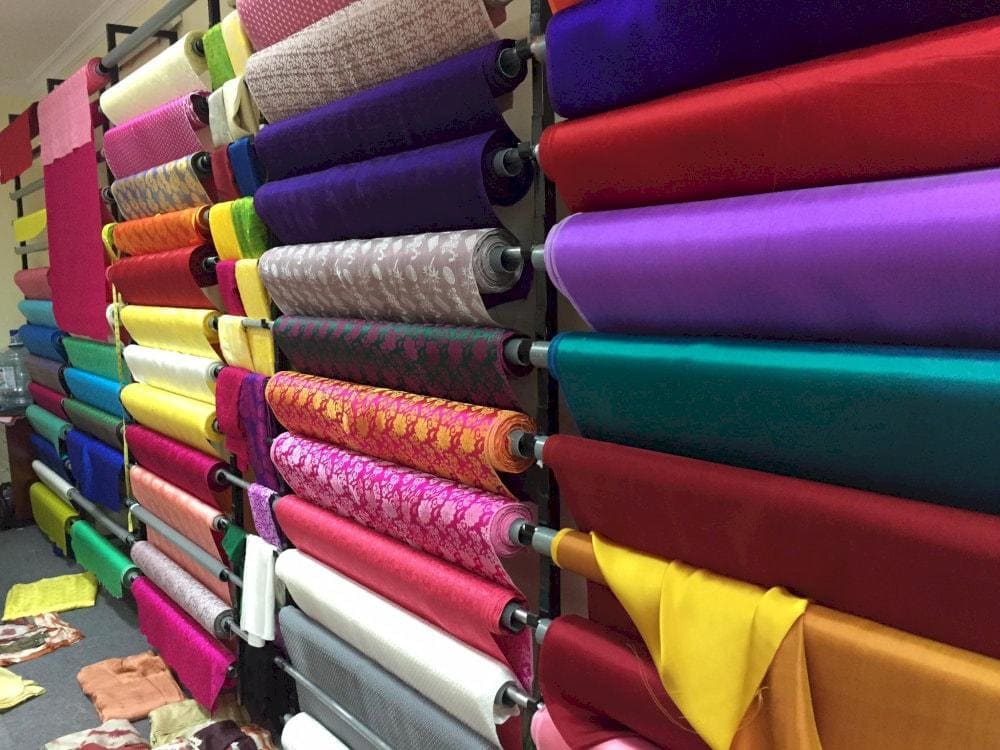
You can find silk in all forms, quality and budget
Where to buy:
Hoi An Silk Village: A top spot to learn and shop
Hang Gai Street (“Silk Street”) in Hanoi: Lined with silk boutiques
Dong Xuan Market and Ben Thanh Market: More budget-friendly options
Saigon Square (Ho Chi Minh City): Offers good variety and fixed prices
Tailor shops in all major cities can turn your chosen fabric into custom fashion
Price range:
Silk scarves are around VND 150,000 – 500,000 (USD 6.50 – 22)
Silk dresses can be more pricey, from VND 500,000 – 2,000,000 (USD 22 – 87)
Home decor items can go up to VND 3,000,000 (USD 130)
Silk fabric: Roughly VND 150,000 per meter (USD 6.50)
Tips for buying:
Rub the fabric lightly - real silk feels cool to the touch and glides smoothly
Look for tight weaves, vibrant color, and minimal snags or loose threads
Ask for lua to tam (pure mulberry silk) to avoid synthetic blends
If buying fabric, bring a swatch or reference for color matching
Ensure you get your fabric ironed and folded properly to avoid wrinkles during travel.
2.3. Conical Hat (Non La)
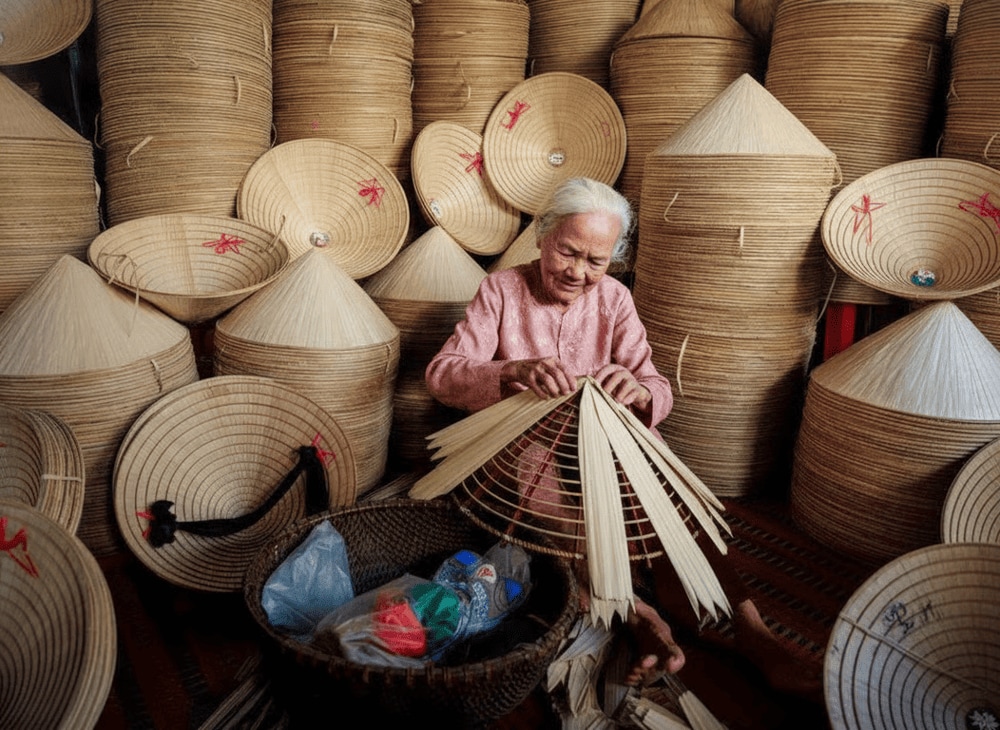
A symbol as iconic as the Ao Dai, the Non La - or conical hat - is both practical and poetic. Originally worn by farmers and market vendors for sun and rain protection, it’s now a beloved symbol of Vietnamese heritage and a favorite among tourists. Besides, it’s so affordable even among those cheap things to buy in Vietnam.
There are traditional non la villages specialized in producing handmade, high quality conical hat
Lightweight, compact, and instantly recognizable, the Non La makes for a charming souvenir or photo prop that captures the essence of daily life in Vietnam.
Types of Non La to consider:
Classic Palm-Leaf Hat: Woven by hand using bamboo and palm leaves
Embroidered Non La: Decorated with traditional patterns, flowers, or calligraphy
Foldable Versions: Convenient for packing and travel
Where to buy:
Street markets or artisan shops throughout Vietnam, especially in Hoi An.
Villages like Chuong (Hanoi), Phu Cam, and Tay Ho (Hue) are also known for them.
Price range: As cheap as VND 10,000 – 50,000 (USD 0.40 – 2.20), depending on design and quality.
Tips for buying:
Try on different sizes - a good Non La should sit snugly on your head
Inspect for neat stitching and smooth surfaces; avoid warped frames
If you plan to carry it home, ask for foldable or flatter designs
For decorative use, select hats with embroidery or lacquered finishes.
2.4. Handmade Embroidery: Intricate Artistry
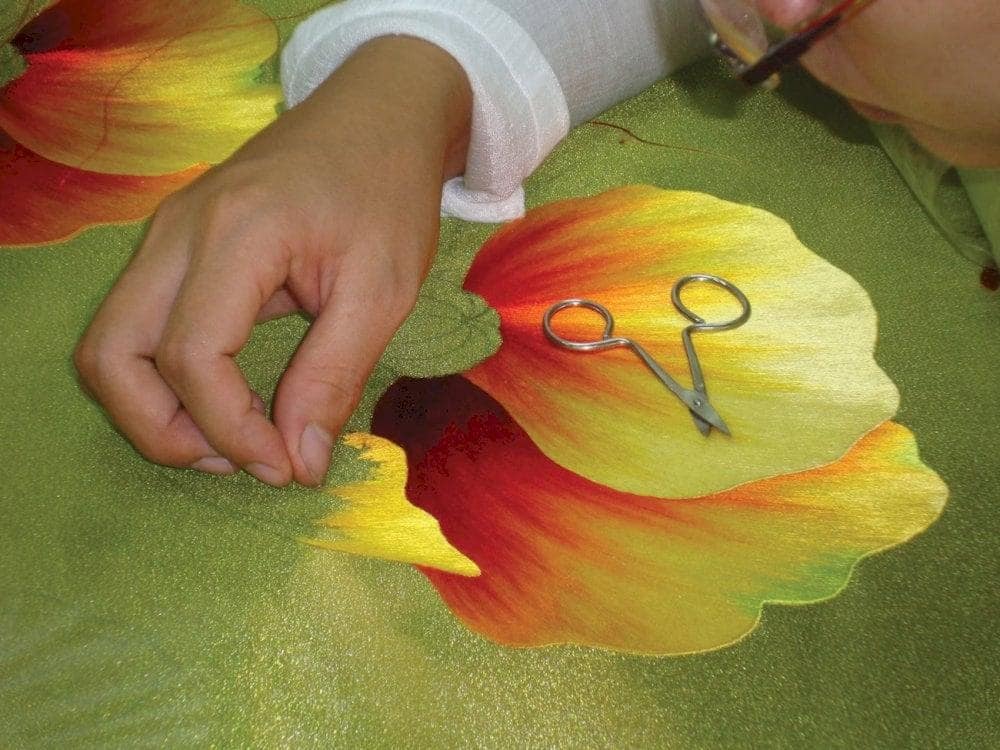
Vietnamese embroidery is an exquisite blend of craftsmanship and cultural storytelling. Using delicate silk threads and time-honored techniques, artisans stitch images of daily life, folklore, landscapes, and traditional symbols into fabric - creating art you can wear or decorate your home with.
Embroidery makes a thoughtful, one-of-a-kind souvenir. Whether you choose a finely detailed tablecloth or an embroidered bag, you're carrying home a piece of Vietnam’s artistic heritage.
Hand embroidery art in Vietnam is usually passed down from generation to generation
Popular embroidery items to look for include:
Apparel: Shirts, dresses, scarves with floral or folk-inspired patterns
Accessories: Embroidered wallets, handbags, and handkerchiefs
Home décor: Table runners, pillowcases, bedspreads, framed wall hangings
Quilts and throws: Often stitched with regional motifs or natural scenes
Where to buy:
Ben Thanh Market (Ho Chi Minh City): Wide range of embroidered products
Old Quarter in Hanoi: Boutique shops and street vendors
Sapa Valley: Specializes in hand embroidery by ethnic minority groups
Da Nang: Known for high-quality embroidered goods at reasonable prices
Price range: VND 50,000 – 1,000,000 (USD 2.20 – 44), depending on size, detail, and whether it’s handmade or machine-stitched.
Tips for buying:
Look closely at the stitching - hand embroidery has more texture and variation
Be cautious of mass-produced machine embroidery sold at high prices
Ask about the fabric type; natural fabrics like linen or cotton pair well with threadwork
For framed pieces, check that the embroidery is centered and well-mounted.
2.5. Traditional Tribal Textiles
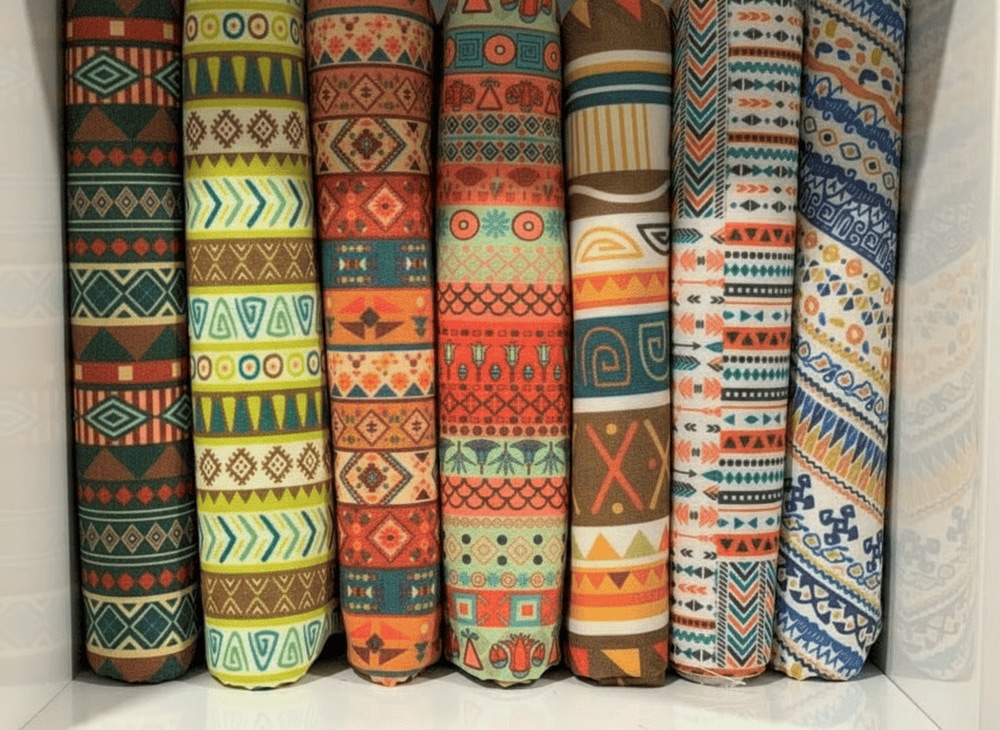
Vietnam’s mountainous northern regions are home to diverse ethnic minority communities like the Hmong, Dao, and Tay, many of whom are master weavers and textile artists. Their handmade textiles are rich in color, tradition, and symbolism, often created using techniques passed down for generations.
These textiles are not just beautiful, they also tell stories of heritage, identity, and resilience. Buying them helps support rural artisans and preserve endangered craft traditions.
Tribal textiles have unique patterns and colors, usually found in the northern mountains of Vietnam
Types of tribal textile products to buy:
Handbags & backpacks: Colorful and durable, great for everyday use
Woven scarves and shawls: Made from cotton, hemp, or wool, often dyed with indigo
Traditional skirts or jackets: Embroidered or appliquéd with tribal motifs
Home goods: Cushion covers, table mats, wall tapestries
Patches and fabric panels: Great for sewing projects or display
Where to buy:
Sapa Market and nearby villages: Authentic and directly from artisans
Hanoi: 29 Hang Be Street (Ethnic Minority Product shop)
Hoi An: Markets and specialty craft stores often feature curated tribal pieces
Craft cooperatives: Many are women-led and support fair trade initiatives
Price range: Prices range from VND 100,000 (USD 4.40) for handicrafts to VND 1,000,000 – 1,500,000 (USD 44 – 65) for larger pieces, depending on materials and detail.
Tips for buying:
Ask if natural dyes were used - indigo and plant-based dyes are traditional
Check for tight stitching and symmetry in embroidered designs
Don’t be afraid to negotiate, but remember that many sellers depend on this income
Fold items neatly for packing, and avoid getting them wet to preserve dye quality.
3. Exquisite Handicrafts & Art: Cultural Masterpieces
Vietnam is a treasure trove of traditional artistry, where ancient techniques meet everyday utility. Let’s dive into the most iconic forms of Vietnamese handicrafts you shouldn't miss:
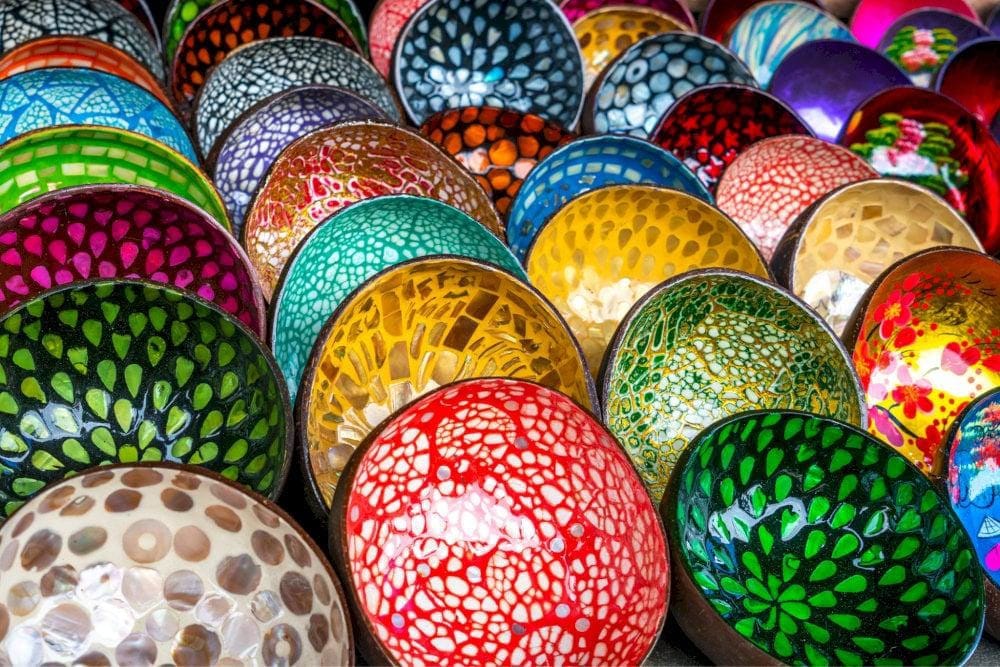
Lacquerware is one of Vietnam’s most visually stunning crafts. Created through a labor-intensive process involving multiple layers of natural resin and hand-polished surfaces, each piece can take up to three months or more to complete.
Vietnamese lacquerware is renowned for its durability and elegance. From serving trays to jewelry boxes, it adds an artistic flair to any space. Its high-gloss finish, often decorated with mother-of-pearl or eggshell inlay, makes every item a conversation piece. It is indeed one of the cool things to buy in Vietnam that surprise everyone in your hometown.
Local artisan shops in Hanoi, Ho Chi Minh City (Ben Thanh Market has a huge range)
Traditional craft villages like Dong Ho (Bac Ninh) or Dong Ky (Bac Ninh)
Specialty boutiques in Hanoi’s Old Quarter and Hoi An art galleries/riverside shops
Price range: From VND 180,000 (USD 7.70) for small bowls or trays to VND 1,500,000+ (USD 65) for detailed artwork or large pieces
Tips for buying:
Choose items with smooth, bubble-free finishes
Avoid pieces that feel unusually light - they may be low-quality plastic
Ask if the item is real lacquer (son mai) or imitation
Pack securely; lacquerware is fragile and prone to cracking in transit.
3.2. Vietnamese Pottery & Ceramics
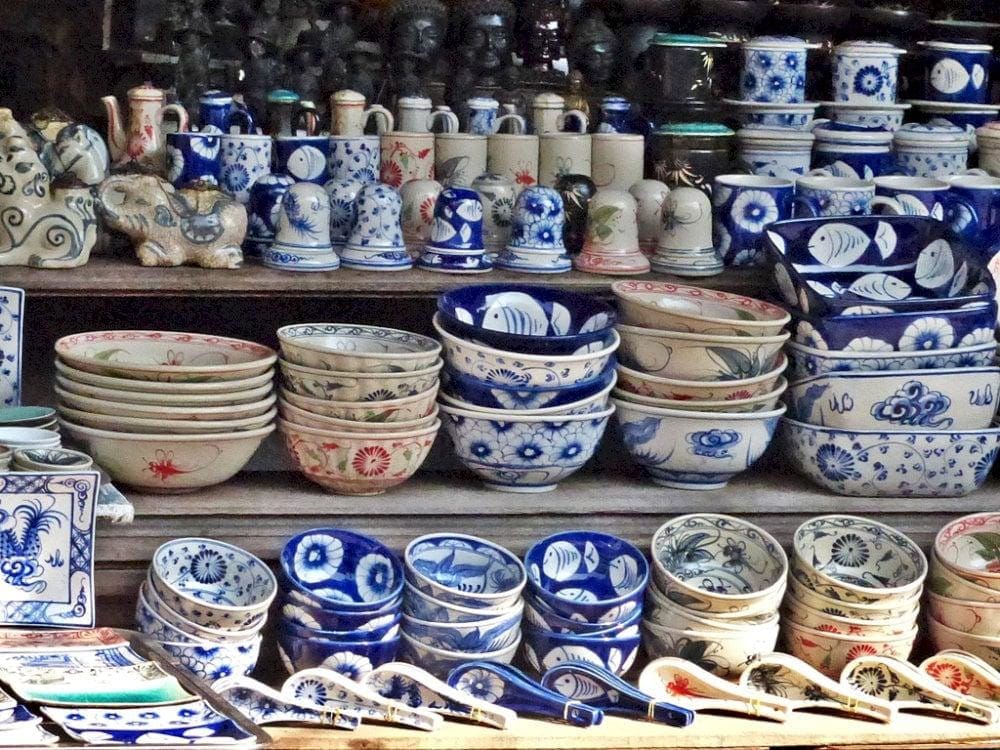
Vietnam has a long tradition of ceramic production, with regional styles that reflect both indigenous and Chinese influences. Bat Trang Village near Hanoi is particularly famous for its high-fired pottery, which ranges from practical kitchenware to ornate decorative art.
Vietnamese ceramics combine functionality with timeless design. Their vibrant glazes, intricate patterns, and durability make them ideal for both display and daily use.
Pieces to consider include ceramic pots, bowls, dishes, vases, cups, and figurines. You can also opt for hand-painted wall tiles or sculptures.
Vietnam is famous for the handmade pottery
Where to buy:
Bat Trang Pottery Village (near Hanoi): You can also experience making your own ceramic piece at Bat Trang.
Phuoc Tich Village (Hue): Famous for rustic-style ceramics
Thanh Ha Village (Hoi An): Known for red clay products
Binh Tay Market (Ho Chi Minh City): Budget-friendly options with lots of variety
Price range: Small decorative items are only from VND 20,000 (USD 0.85), medium vases/bowls can vary from VND 700,000 – 2,000,000 (USD 30 – 87), and large pieces can be several hundred to thousands of dollars.
Tips for buying:
Check the glaze for smoothness and even color
Tap the item lightly - clear ringing sounds indicate good quality
Ensure safe packing or opt for shipping from the store if available
3.3. Hoi An Lanterns: A Symbol of Good Fortune
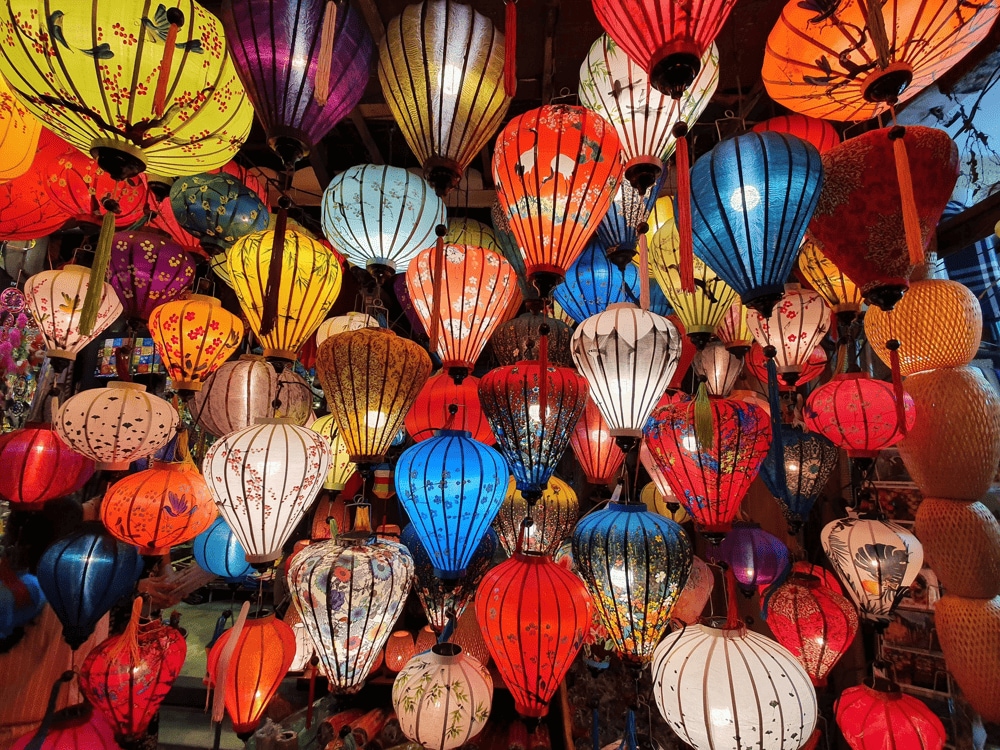
These iconic silk lanterns brighten up Hoi An’s Ancient Town at night, and taking one home means bringing a little of that magic with you. Believed to bring good fortune and happiness, lanterns are a symbol of hope and celebration.
Hoi An lanterns are light, foldable, and full of charm. They’re perfect for home décor or as festive gifts, especially during Lunar New Year or mid-autumn celebrations.
You can take a picture at lantern shops in Hoi An
Popular styles to choose from:
Round or hexagonal collapsible lanterns
Silk-covered bamboo frames in various colors
Hand-painted versions with lotus flowers or Vietnamese symbols
Mini lanterns for kids or travel souvenirs
Where to buy:
Lantern Street in Hoi An (Tran Phu & Nguyen Thai Hoc Streets)
Hoi An Night Market
Workshops: Join a lantern-making class for a personal experience
Price range: VND 10,000 – 200,000 (USD 0.40 – 8.50), depending on size, material, and design complexity.
Tips for buying:
Ask for collapsible designs to save luggage space
Choose silk fabric over paper for better durability
Don’t overload your suitcase; lanterns are light but bulky when unfolded.
3.4. Bamboo Products: Natural Beauty & Durability
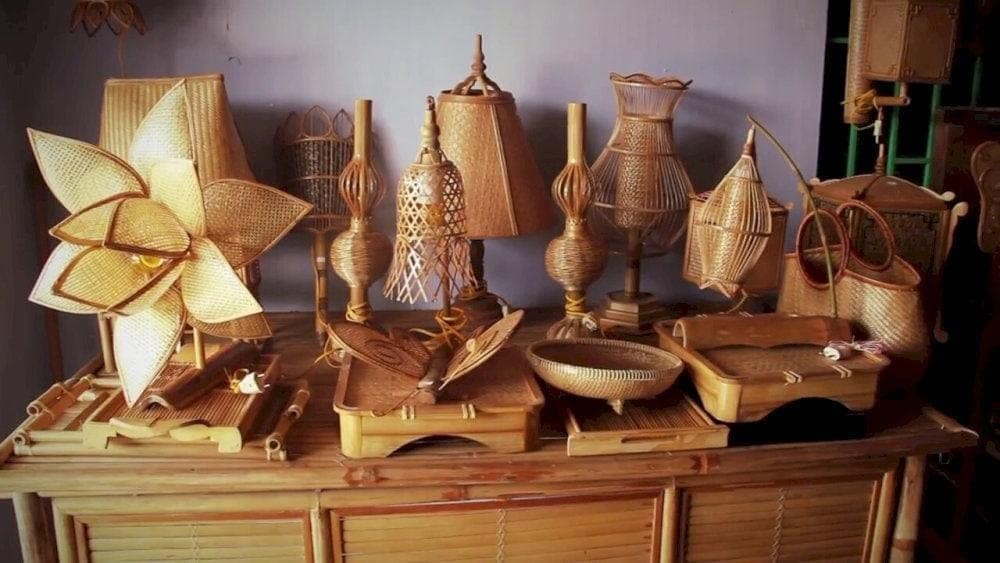
Bamboo is one of the most sustainable and versatile materials in Vietnam, used for everything from homes and furniture to delicate crafts. Artisans transform this humble plant into lightweight, durable, and eco-friendly souvenirs that celebrate the country's connection to nature.
Bamboo products are affordable, functional, and stylish. Their earthy aesthetic blends well with modern interiors, and many are compact enough to carry home easily.
Bamboo products are diverse, ranging from accessories to home decor
Price range: From VND 30,000 (USD 1.30) for small items to VND 500,000 (USD 22) for larger baskets or multi-piece sets
Tips for buying:
Choose items with smooth surfaces and firm bindings
If the item is for food use, ask whether it's treated with food-safe finishes
Bamboo is lightweight but can warp—keep dry and avoid moisture exposure
3.5. Vietnamese Art Prints & Paintings
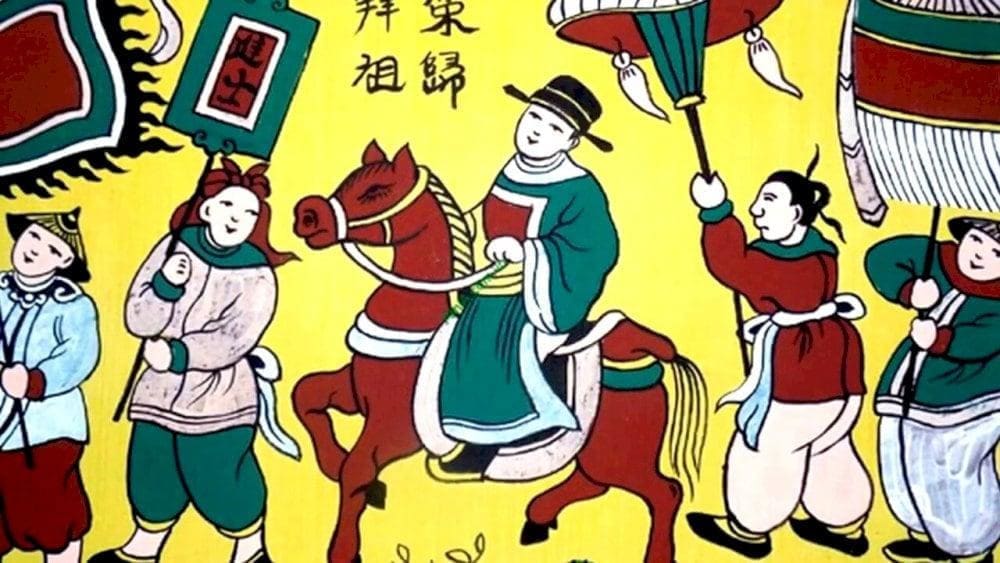
From delicate silk paintings to bold rice paper prints, Vietnamese visual art captures the country's landscapes, legends, and daily life with vibrant charm. Many styles blend traditional techniques with modern themes, making them perfect for collectors and casual buyers alike.
These artworks are culturally rich and visually captivating. They make excellent décor pieces and meaningful gifts, offering a glimpse into Vietnam’s artistic soul.
Dong Ho paintings reveal unique Vietnamese folk culture
Popular styles include:
Dong Ho paintings: Traditional folk art on do paper with natural dyes
Silk paintings: Hand-painted with delicate brushwork and muted colors
Rice paintings: Made from colored grains of rice
Oil or sand paintings: More modern interpretations of Vietnamese scenery
Where to buy:
Dong Ho village (east of Hanoi)
Art galleries, craft stores, souvenir shops in Hanoi (Hanoi Art Gallery) and Ho Chi Minh City
Hoi An Silk Village for silk and Do paper prints.
Price range: Paintings range from VND 250,000 - 1,500,000 (USD 11 - 65). Dong Ho paintings range from VND 100,000 to VND 1,200,000 (USD 4.40 – 52), depending on size.
Tips for buying:
The best quality artwork is often found in more rural areas or larger galleries
Choose unframed pieces for easier transport
Ask about protective wrapping - rice and silk art can be delicate.
3.6. Water Puppets
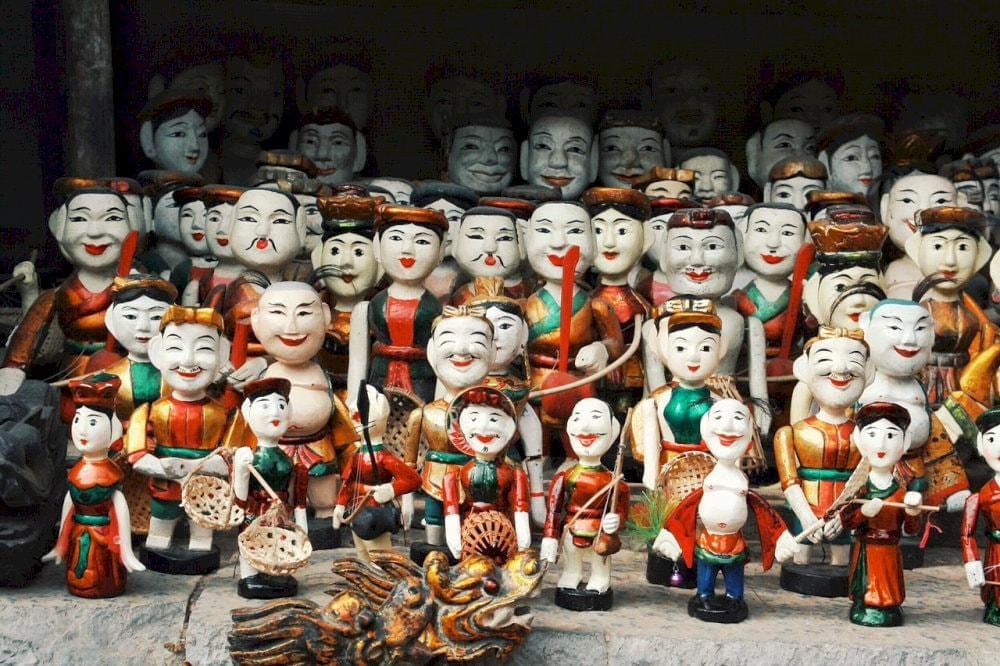
Water puppetry (mua roi nuoc) is a traditional Vietnamese performance art that originated in the rice paddies of the Red River Delta. The hand-carved wooden puppets used in these shows are not only charming collectibles but also a fun way to share Vietnamese folklore.
These puppets are rich in character and history. They represent iconic Vietnamese figures like farmers, dragons, and fairies, and serve as both souvenirs and cultural education tools.
Common puppet types:
Traditional characters: Buffalo boys, dancers, farmers
Mythical creatures: Dragons, phoenixes
Miniature replicas: Designed for decoration rather than performance
Where to buy: It is a little harder to find these hidden gems, however, try follow these locations:
Thang Long Water Puppet Theatre gift shop in Hanoi
Local craft shops near the Hoi An Water Puppet Show
Price range: VND 100,000 (USD 4) for smaller puppets to over VND 1,000,000 (USD 40) for larger, detailed pieces.
Tips for buying:
These are often fragile - ask for bubble wrap or wooden boxes
Check joints and paintwork; better pieces are lacquered and hand-finished
For storytelling value, ask the seller what the character represents.
Water puppet is the unique art of Vietnam
3.7. Vietnamese Calligraphy (Thu Phap)
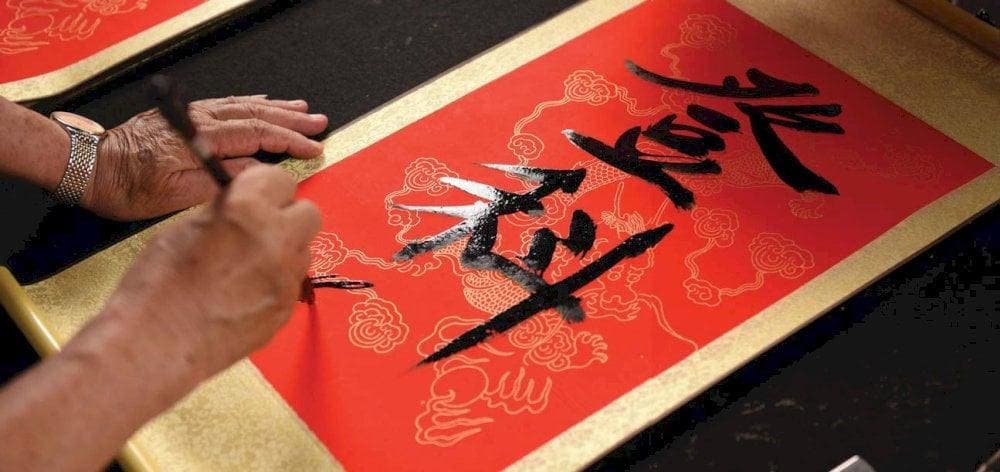
Calligraphy, or thu phap, is an art form that transforms written words into visual poetry, especially around Tet (Lunar New Year). Using elegant brush strokes and poetic verses, artists create visual expressions of blessings, wisdom, and good fortune.
These pieces serve as both aesthetic and spiritual gifts. The messages often feature Buddhist or Confucian sayings and are perfect for displaying in homes or offices.
What to look for:
Wall scrolls with proverbs or character-based messages
Framed artworks with symbolic meanings (peace, happiness, longevity)
Custom calligraphy written on the spot by street artists
Where to buy:
Temples and pagodas, traditional art villages like Van Phuc Silk Village (Hanoi), Phuoc Tich Village (Hue)
Dong Xuan Market and Ben Thanh Market for pre-written arts
Temple of Literature (Hanoi) is a popular spot during festivals, you can buy a well-written piece of calligraphy by the masters there
Price range: From VND 100,000 (USD 4.40) for small works to over VND 1,000,000 (USD 44) for large framed or custom pieces.
This elegant tradition celebrates the beauty of ancient Vietnamese writing (chu Nom)
Tips for buying:
Choose hand-painted ink on natural paper or silk, not printed versions
Ask for translations to understand the meaning before purchase
Ideal gifts around Tet, but available year-round in cultural hotspots.
3.8. 3D Pop-Up Cards & Postcards
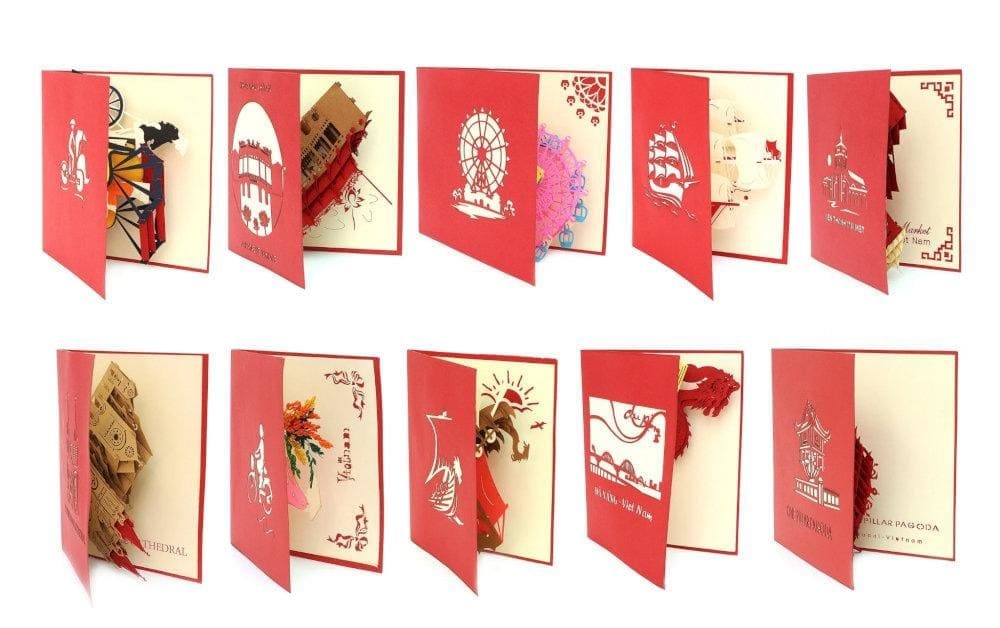
Small but stunning, Vietnamese pop-up cards are miniature works of paper engineering. Each card unfolds into a scene - temples, bicycles, dragons, or even the iconic Ao Dai - that surprises and delights.
These cards are perfect for sending to friends or keeping as mementos. They’re lightweight, inexpensive, and often handmade, making them easy to collect in multiples.
Types of cards you’ll find:
3D pop-up cards: With intricate paper cuttings of Vietnamese landmarks or cultural scenes
Postcards: Showcasing traditional art, modern illustrations, or photography
Holiday Cards: Tet, Mid-Autumn, or Christmas themes with a Vietnamese twist
Where to buy:
Street vendors, local markets, souvenir shops, and art galleries.
Iconic Saigon Central Post Office for sending postcards.
Price range: Pop-up cards cost between VND 12,000 – 35,000 (USD 0.50 – 1.50), while premium or layered designs can go up to VND 70,000 (USD 3).
Tips for buying:
Buy multiple designs - they make great last-minute gifts
Some shops offer custom messages or personalization
Check for a sturdy envelope to keep the card protected.
Vietnamese pop up cards can be a great souvenir to bring back home
4. Delectable Treats & Culinary Essentials: Flavors to Savor
Vietnamese cuisine is celebrated around the world for its balance of sweet, salty, sour, and spicy elements. Bringing home some of Vietnam’s culinary staples is the perfect way to extend your travel experience - or share it with others.
4.1. Local Spices & Seasonings
Vietnamese cooking is all about layering fresh herbs and vibrant spices to build deep, harmonious flavors. Whether you’re an experienced cook or just love the idea of making pho at home, local spices are a perfect (and lightweight) souvenir.
Vietnamese spices are aromatic, easy to transport, and affordable. They also allow you to bring the spirit of Vietnamese home-cooking to your own kitchen.
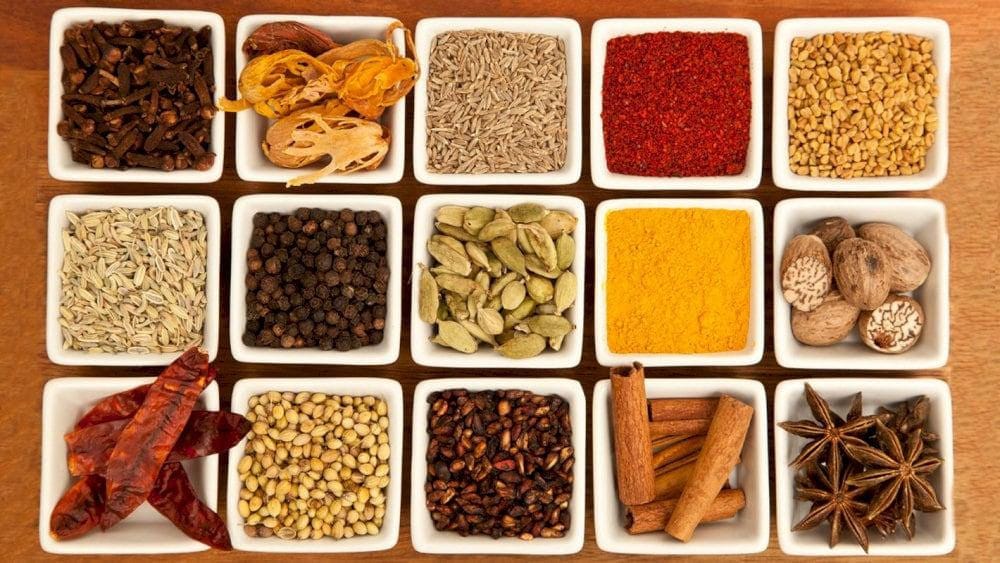
Must-try spices include star anise, black pepper, cinnamon, turmeric, lemongrass, Thai basil, mint, cilantro, Vietnamese coriander, and Tay Ninh salt. These spices are always among good things to buy in Vietnam for tourists.
Where to buy:
Specialty spice shops or markets like Ben Thanh Market
Old Quarter's Spice Shops at 36 Hang Dong Street in Hanoi.
Supermarkets sell packaged spices, easy for transportation and souvenirs.
Price range: From VND 20,000 (USD 0.85) for small packets to VND 150,000 (USD 6.50) for large jars or mixed spice sets
Vietnamese spices can be used in cooking, baking, cleaning, etc.
Tips for buying:
Look for vacuum-sealed or airtight packaging for longer shelf life
Check the color and aroma - spices should be vivid and fragrant
Pair with a recipe card or phin coffee filter for a thoughtful gift set.
4.2. Dried Fruits (O Mai/Mut)
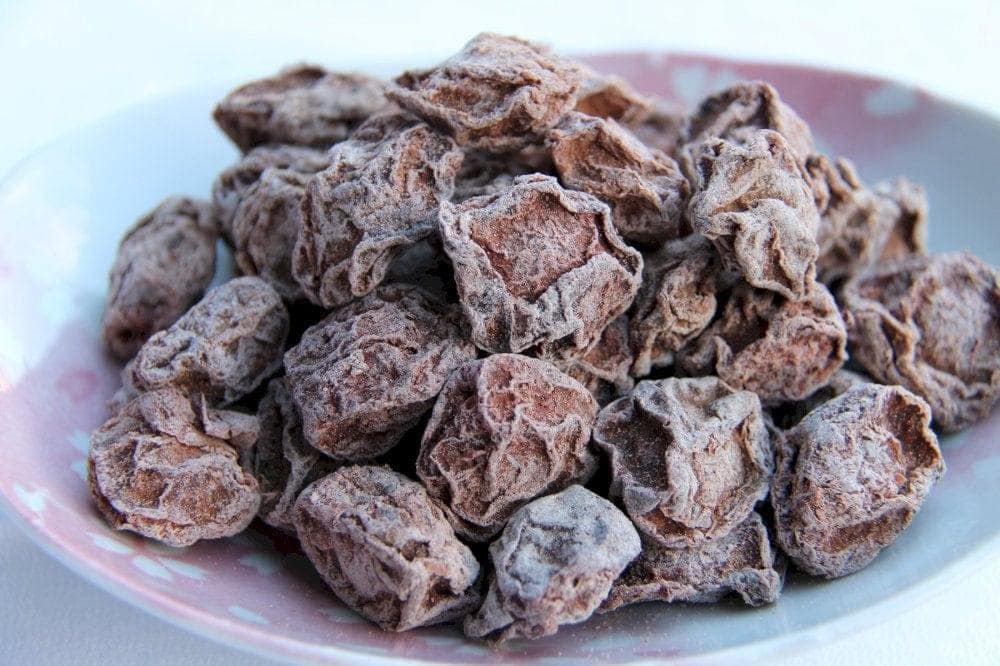
Vietnam is famous for its o mai (preserved fruits with sugar, salt, and chili) and mut(dried or candied fruits), often enjoyed during Tet and gifted year-round. These treats strike a perfect balance between sweet, tangy, and spicy.
These snacks are uniquely Vietnamese, delicious, and perfect for sharing. Their long shelf life and attractive packaging make them ideal for gifts.
Common varieties include:
Dried mango, jackfruit, pineapple, and coconut chips
O mai apricot, plum, peach, kumquat, or ginger
Chili-dusted dried tamarind or sugar-coated green mango
Where to buy:
Markets like Ben Thanh, Dong Xuan, Hoi An Central Market
Local specialty shops and supermarkets. Popular brands include Hong Lam and Tien Thinh (high-quality, vacuum-sealed)
Price range: VND 40,000 – 150,000 (USD 1.70 – 6.50) per box. Small bags start around VND 50,000 (USD 2.20) and can go up to VND 200,000 (USD 8.50) for larger packages. Higher-end varieties may cost 3–4 times more, reaching VND 600,000 – 800,000 (USD 26 – 35) depending on ingredients and packaging.
Tips for buying:
Choose moist, glossy, plump-looking fruits
Go for sealed packaging if buying in bulk or for gifting.
O mai has a sour taste, but it is beneficial for gut health
4.3. Vietnamese Fish Sauce (Nuoc Mam)
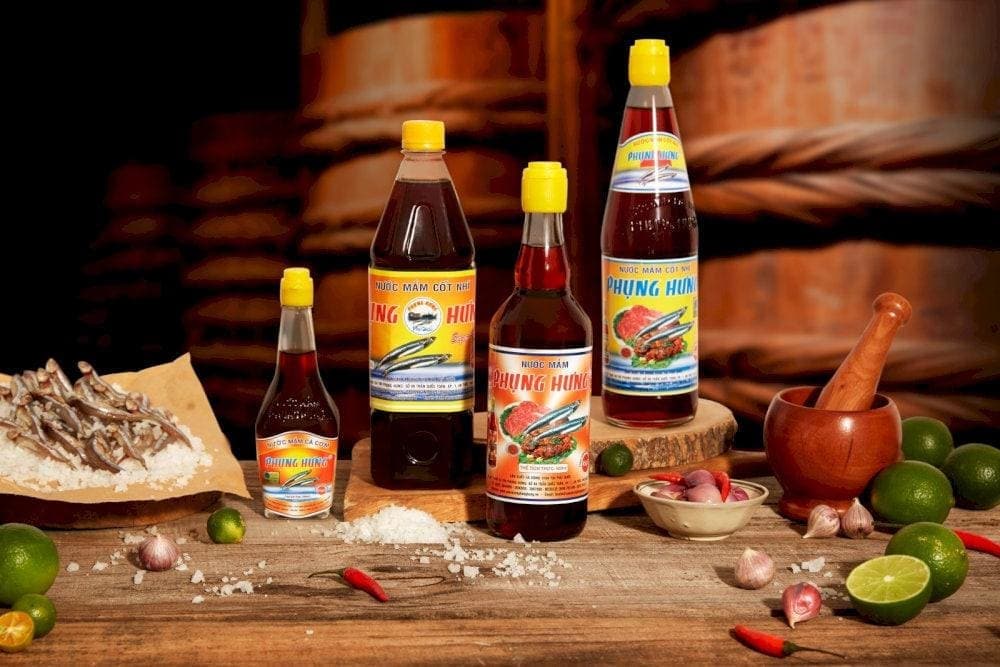
Often called the "soul" of Vietnamese cuisine, fish sauce (nuoc mam) is a rich, fermented condiment made from anchovies and salt. Its deep umami profile is essential to local dishes like pho, bun cha, and dipping sauces.
No Vietnamese pantry is complete without it. Bringing home fish sauce means having the foundation of Vietnamese cooking at your fingertips.
Top varieties to look for:
Phu Quoc fish sauce: Premium, aged, and protected by origin certification
Phan Thiet fish sauce: Saltier and more intense
Aged variants with higher protein content (40°N or higher)
Where to buy:
Phu Quoc Island is most famous for their fish sauce making. Buy directly from Khanh Hai Fish Sauce Factory. Other cities you can also try is Phan Thiet, Nha Trang
Local markets, supermarkets, or specialty stores for smaller and flight-safe bottles
Price range: A 650 ml bottle can cost between VND 150,000 and VND 180,000 (USD 6.50 – 8). Small bottles are a few dollars, premium varieties exceed VND 250,000 (USD 10).
Vietnamese fish sauce is packaged carefully in various sizes, easy to bring back home (Source: Nước mắm Phụng Hưng Phú Quốc)
Tips for buying:
Look for amber to reddish-brown liquid - avoid cloudy or gray sauce
Choose bottles with a proteins rating (°N) - higher numbers mean better quality
Wrap securely; bring leak-proof containers if traveling internationally.
4.4. Traditional Vietnamese Sweets & Snacks
Vietnamese desserts are a delightful mix of textures, colors, and ingredients - from mung bean and sticky rice to sesame, peanuts, and coconut. Many are individually packaged, making them easy to carry and share.
These treats reflect the flavor profile of Vietnamese food: balanced, aromatic, and never overly sweet. Many are seasonal or regionally specific, making them even more special.
Popular treats include:
Banh dau xanh (mung bean cakes): Smooth, square cakes from Hai Duong
Keo dua (coconut candy): Chewy, rich, and wrapped in rice paper
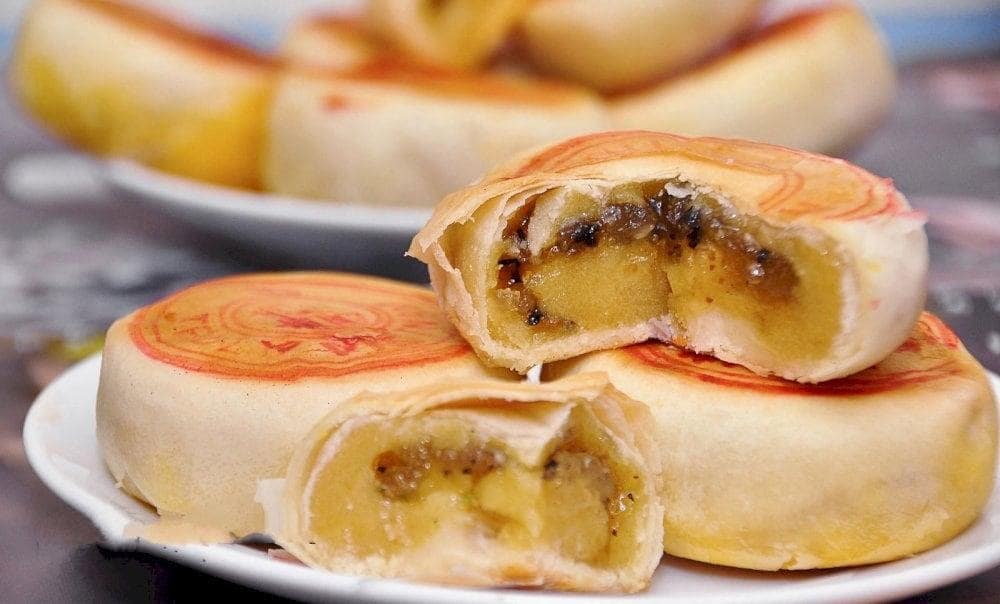
Pia cake: From Ben Tre, with mung bean and durian filling in a flaky crust
Com (green sticky rice): Hanoi specialty, seasonal, soft and fragrant
Sesame candy: Crispy layers with peanuts and roasted sesame
Scorched rice (com chay): Crunchy, savory snack often topped with pork floss.
Vietnam is famous for the variety of sweet treats
Where to buy:
Specialty food stores in Hanoi, Da Nang, and Ho Chi Minh City
Mekong Delta towns: Ben Tre is known for coconut candy
Local markets: Hoi An Central Market, Dong Xuan Market
Brands to look for: Dong Phuong, Bibica, or handmade options from local sellers
Price range: Depending on each types and quality, price can vary greatly, from VND 40,000 (USD 1.7) to up to VND 200,000 (USD 8.5).
Tips for buying:
Check expiration dates - freshness matters for sticky rice or mung-based items
Choose individually wrapped or boxed versions for easier sharing
For souvenirs, buy multiple small packs to gift different people
5. Modern Tech & Personal Care: Unexpected Finds
Vietnam is not only rich in traditional crafts - it also surprises travelers with high-quality, locally made beauty products and artisan jewelry. These modern souvenirs are stylish, ethically produced, and perfect for personal pampering or thoughtful gifts.
5.1. Handmade Soaps & Natural Beauty Products
Vietnam’s tropical climate and biodiversity provide the perfect ingredients for natural skincare. Many local brands now focus on sustainable, cruelty-free, and plant-based beauty products that reflect the country’s holistic wellness approach.
Handmade soaps and organic cosmetics from Vietnam are rich in essential oils, gentle on skin, and often beautifully packaged - ideal for gifting or self-care.
Products to consider:
Artisan soaps: Lemongrass, green tea, rice bran, coffee scrub, and more
Lip balms and moisturizers: Made from coconut oil, shea butter, or beeswax
Face masks and body scrubs: Infused with local herbs and minerals
Essential oils: High-grade eucalyptus, citronella, or cajeput
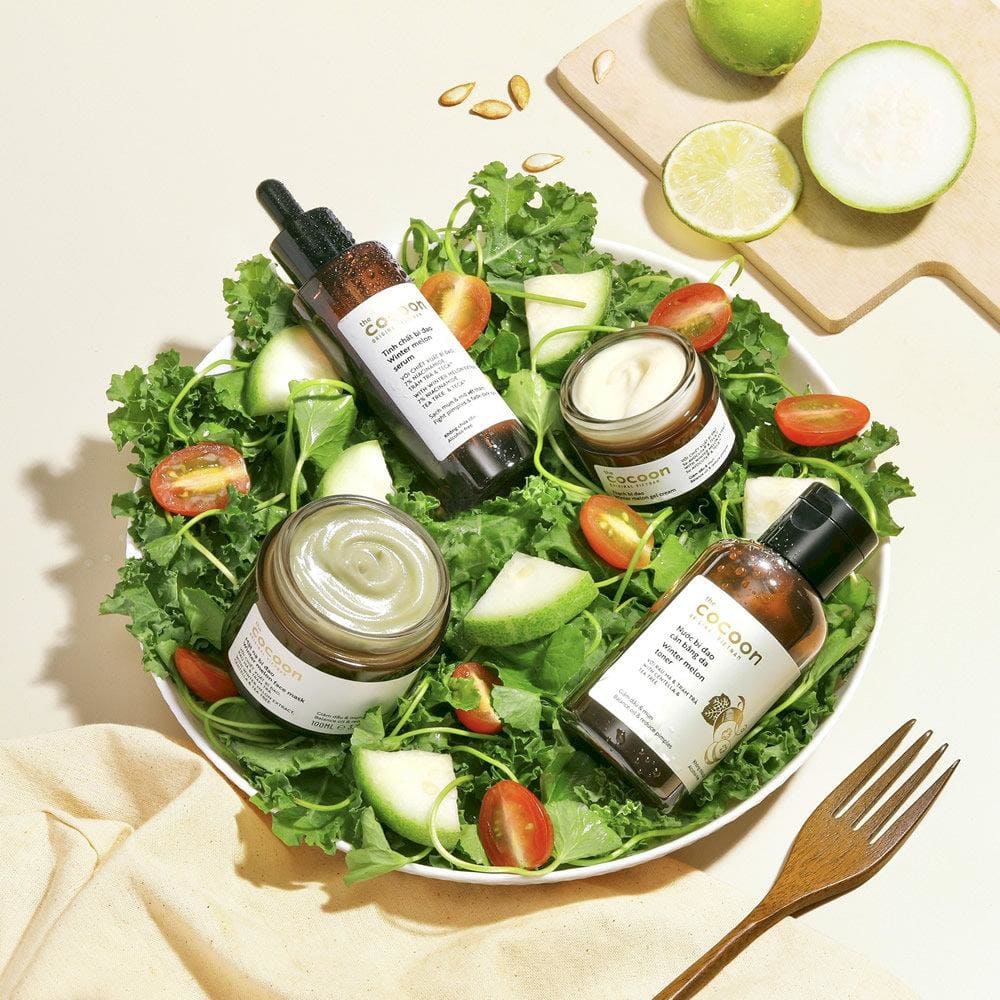
Many Vietnamese beauty products are made from locally grown produces (Source: Cocoon Vietnam)
Where to buy:
Cocoon, Herbario, Skinna, and The Herbal Cup (Vietnamese natural skincare brands)
Local artisan shops in Da Lat, Hoi An, and Hanoi
Markets and organic-focused boutiques
Price range: From VND 50,000 (USD 2.20) for handmade soaps to VND 400,000 (USD 17) for full skincare gift sets.
Tips for buying:
Look for brands with ingredient lists in English or certified organic labels
Avoid overly fragrant or dyed products - natural ones should smell herbal and mild
Great for travelers with limited luggage space: compact, solid, and TSA-friendly.
5.2. Unique Jewellery
Vietnamese jewelry blends traditional craftsmanship with modern aesthetics. Whether it’s handcrafted silver from Sapa or lacquered wood bangles from Hanoi, these pieces are personal, meaningful, and often handmade.
Jewelry is a great way to wear your travels - literally. It’s small, elegant, and makes for a lovely souvenir or gift for someone special.
Styles worth checking out:
Ethnic minority silverwork: Bold, rustic, and symbolic
Lacquer bangles and earrings: Lightweight and colorful
Semi-precious stone bracelets: Jade, quartz, agate
Custom name necklaces: Local jewelers offer engraving
Where to buy:
Artisan shops in Hanoi, Hoi An
Local markets, and Sapa Night Market for silver jewelry from hill tribes
Old Quarter Silver Shops on Hang Bac Street in Hanoi.
High quality, handmade jewellery with unique designs
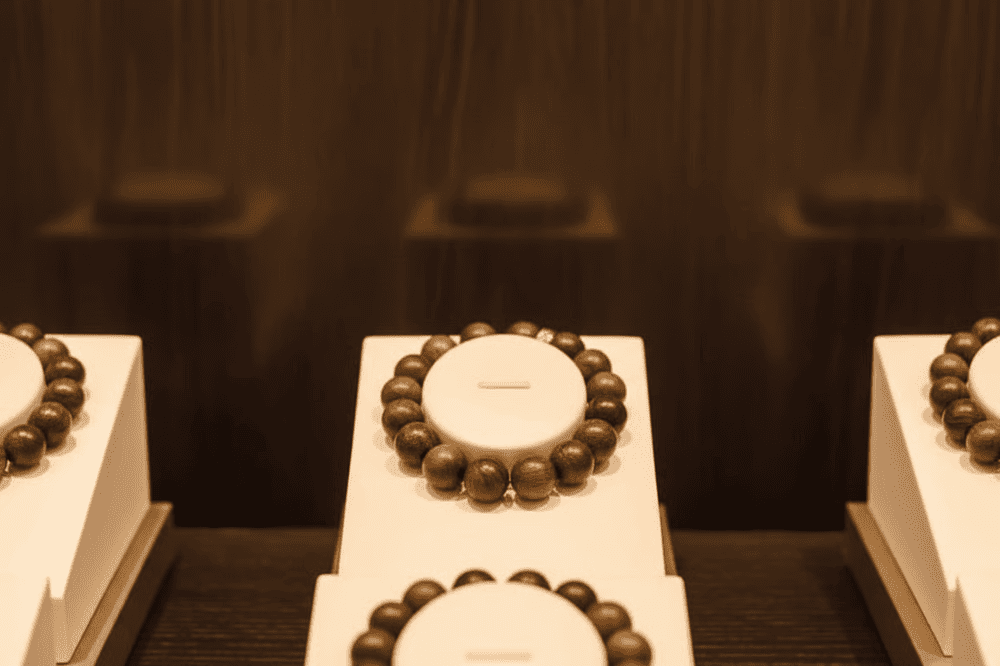
Price range: From VND 30,000 (USD 1.30) to VND 50,000 (USD 2.20) for basic costume jewelry. Silver jewelry typically ranges from VND 200,000 (USD 8.50) to over VND 2,000,000 (USD 85). Stone bracelets range from VND 100,000 (USD 4.40) to over VND 1,000,000 (USD 44).
Tips: Check customs regulations for bringing expensive jewelry back home.
6. Shopping Smart in Vietnam: Tips for the Savvy Shopper
To make the most of your shopping experience in Vietnam, it’s important to know when and where to buy, how to bargain, and what to avoid. Here are insider tips to help you navigate the markets like a local.
1 - Custom Tailoring
Vietnam is famous for its tailoring services - particularly in Hoi An. You can have a custom Ao Dai, suit, or dress made to measure within 24 - 48 hours. Here are some tips for success:
Bring reference images and be clear about fabric preferences
Negotiate for 60 - 70% of the initial quote
Make sure all extras (lining, buttons) are included in the price
Don’t pay the full amount upfront - pay a deposit and the rest on delivery.
2 - Bargaining Etiquette
Haggling is part of the fun, especially in markets. But it’s also an art.
Start by offering 50 - 60% of the asking price
Bring small denominations of VND for convenience
Compare prices at multiple stalls
If you walk away, do so politely - many sellers will call you back with a better deal.
3 - Where to Find the Best Deals:
Ben Thanh Market (Ho Chi Minh City): Iconic, bustling, great for handicrafts, spices, and souvenirs. Open daily 6 AM - 6 PM; best to visit early morning.
Dong Xuan Market (Hanoi): Largest covered market, known for fabrics, handicrafts, coffee, and street food. Open daily 6 AM - 6 PM; best for late morning.
Hoi An Night Market/Central Market: Excellent for lanterns, silk, and local crafts.
Binh Tay Market (Ho Chi Minh City): Less touristy, great for authentic and affordable dried goods, ceramics, and local cuisine. Open daily 6 AM - 7 PM; best for early morning.
Sapa Market: Ideal for traditional textiles from ethnic minorities.
4 - Items to Be Cautious About:
Customs restrictions: Be aware of items that might be confiscated by customs, such as incense, wooden items (due to borers/bugs), unprocessed cane or bamboo items, and untreated animal skins/leather.
Knock-off products: While readily available, knock-off purses can be seized by customs.
Fragile items: Securely pack ceramics, lacquerware, and water puppets to prevent damage.
Vietnam is a country of colors, textures, flavors, and stories - and nowhere is that more evident than in its markets and artisan shops. From the elegance of an Ao Dai and the strength of Robusta coffee, to fragrant teas, traditional art, and soul-warming snacks, the best souvenirs from Vietnam are those that carry meaning. In this article we have introduced you to more than 10 best things to buy in Vietnam.
To explore what to buy in Vietnam, book your Flight with Vietnam Airlinestoday! For more details on flights, baggage policies, and travel itineraries, contact Vietnam Airlines via their hotline at 1900 1100, or through Fanpage or Zalo for expert advice.
You will be redirected to a website that is not owned by Vietnamairlines and is not within our control. The site may not follow the same accesibility polices as Vietnam Airlines.
Would you like to continue?
Notice
According to regulations of the Ministry of Finance, E-VAT invoices are only issued for payment in VND. In case of paying by other currency, please change website country/region.
Loading
Cancel confirmation
Are you sure you want to cancel the agency registration?
Notice
The session of Member has expired. Kindly log in again



 Link opens in new window. Site may not meet accessibility guidelines.