Select region and language
Close button
Booking and service information for the selected country and language will be applied.
paradise

Singapore travel – A journey through Asia in miniature

Singapore travel brings together Chinese, Malay, Indian and colonial influences across a compact island, where colourful temples, historic shophouses and bustling hawker centres sit alongside sleek skyscrapers and waterfront landmarks. From heritage neighbourhoods and local food to gardens and lively streets, this Singapore travel guide explores the places, flavours and everyday moments that give the city its distinctive character.

Things to do in Singapore for a world of discovery

At sunrise, Singapore begins with the sounds of shutters opening at a hawker centre, footsteps along the pavements and temple bells ringing. By nightfall, the city glows beneath its illuminated skyline. The best things to do in Singapore follow this transformation through neighbourhoods shaped by history, migration, food and modern ambition.

Singapore's compact size makes exploration fluid, yet its cultural landscape remains varied, with neighbourhoods, gardens, markets and waterfront districts revealing details that can easily disappear when every hour is filled with famous landmarks. 

Things to do in Singapore across one small island

The island's size makes it possible to explore several cultural areas in one day, while walking through individual neighborhoods reveals details that are easy to miss when moving directly between major sights.

Chinatown brings old Singapore into the morning

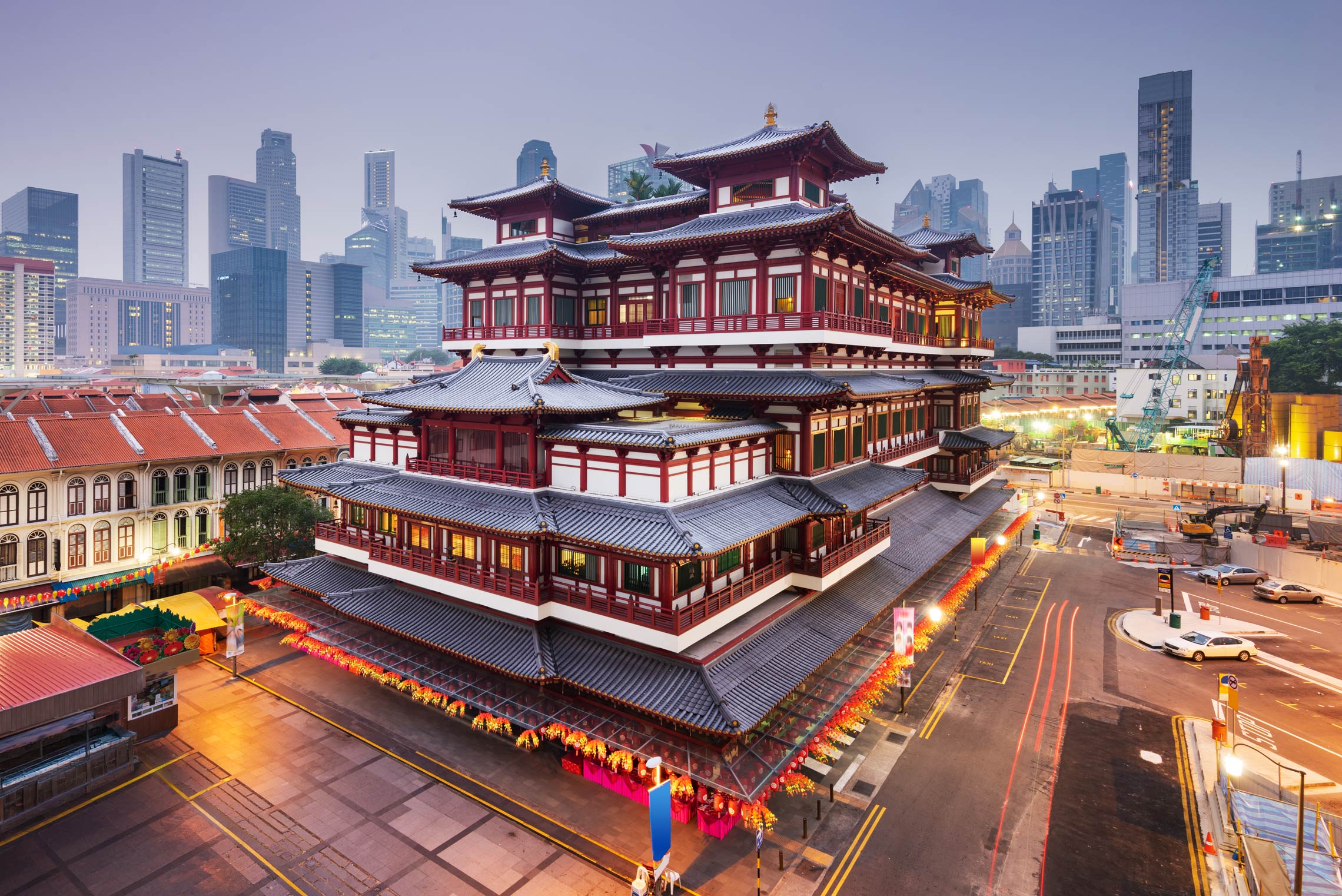
The day begins among Chinatown's shophouses, where narrow walkways, traditional façades and old businesses reveal how generations shaped the district. The Buddha Tooth Relic Temple stands nearby, its elaborate architecture and richly decorated interiors reflecting the area's Buddhist heritage.
Buddha Tooth Relic Temple and Singapore skyline at twilight in Chinatown, a cultural highlight among things to do in Singapore

Buddha Tooth Relic Temple and Singapore skyline at twilight in Chinatown, a cultural highlight among things to do in Singapore

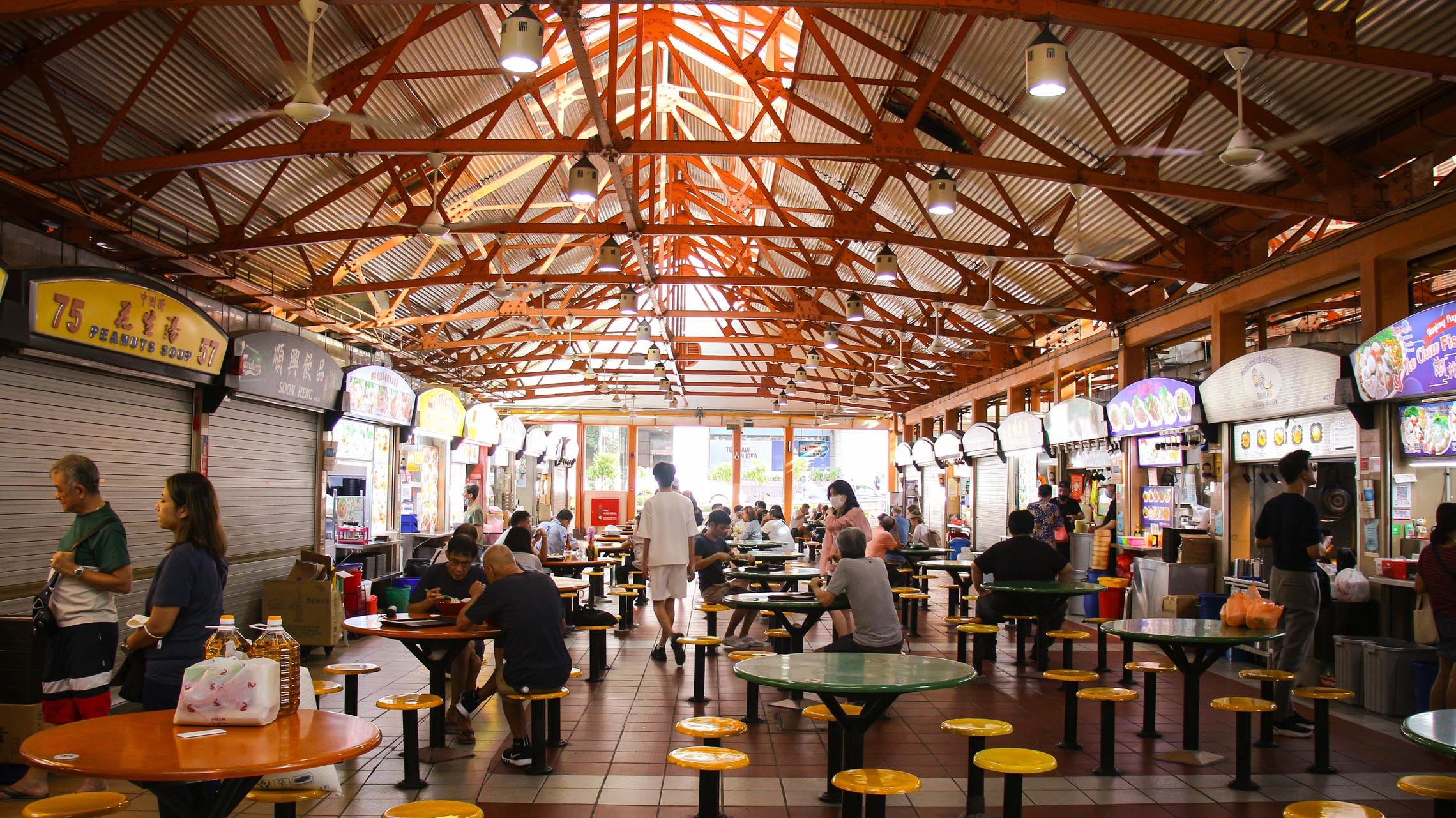
Chinatown Complex comes alive early as hawker stalls prepare familiar dishes for regular customers. Many return to the same stall for meals perfected over years, a habit tied to Singapore's hawker culture, where food remains part of everyday life rather than simply a tourist experience. This tradition remains one of the city's defining cultural features.

Further along, Ann Siang Hill and Club Street shift the atmosphere, with restored shophouses housing cafés, restaurants and independent businesses. Narrow five-foot ways and long-established shops preserve traces of older Singapore, making the district a rewarding stop among top attractions in Singapore.

Marina Bay gathers the city's modern icons

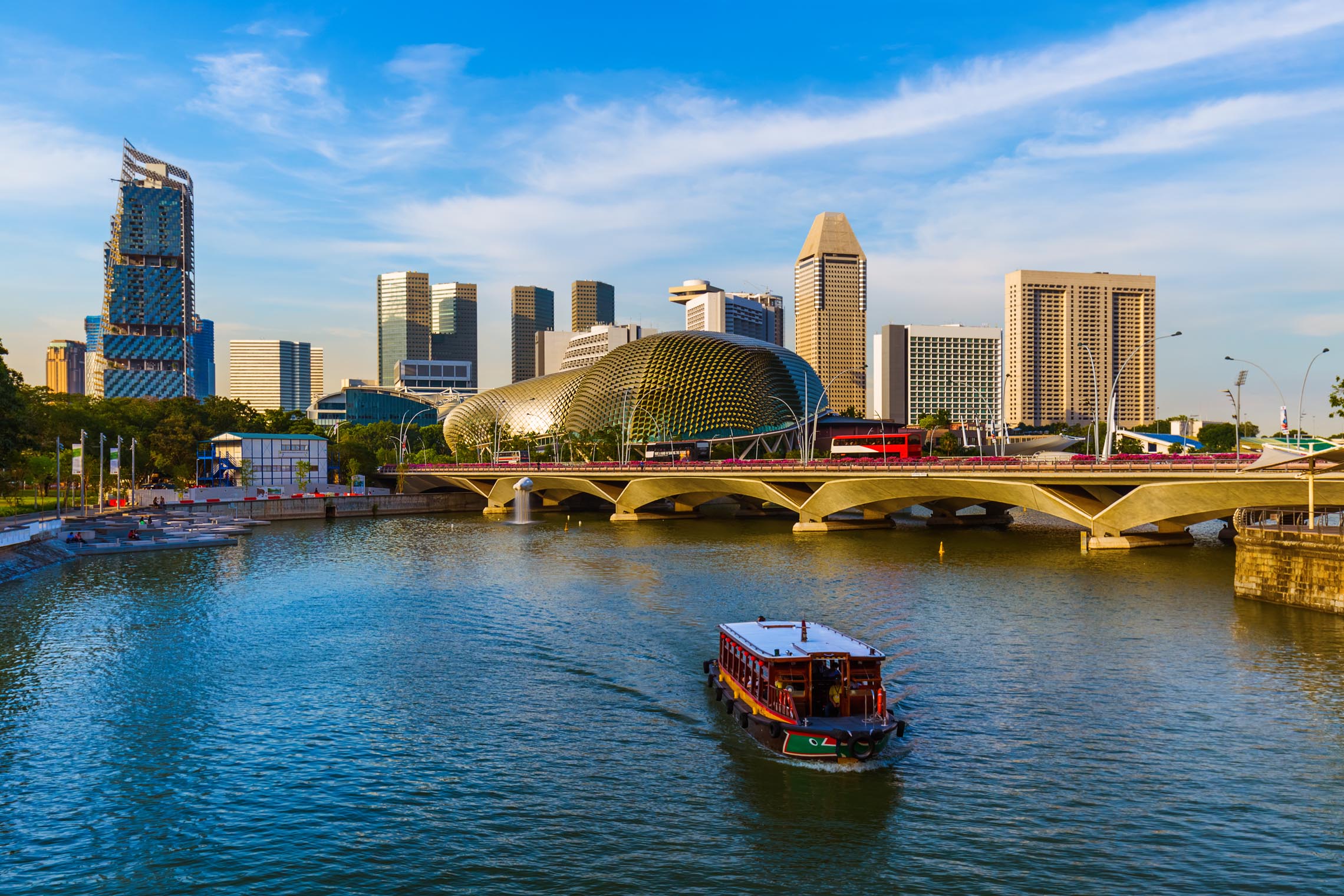
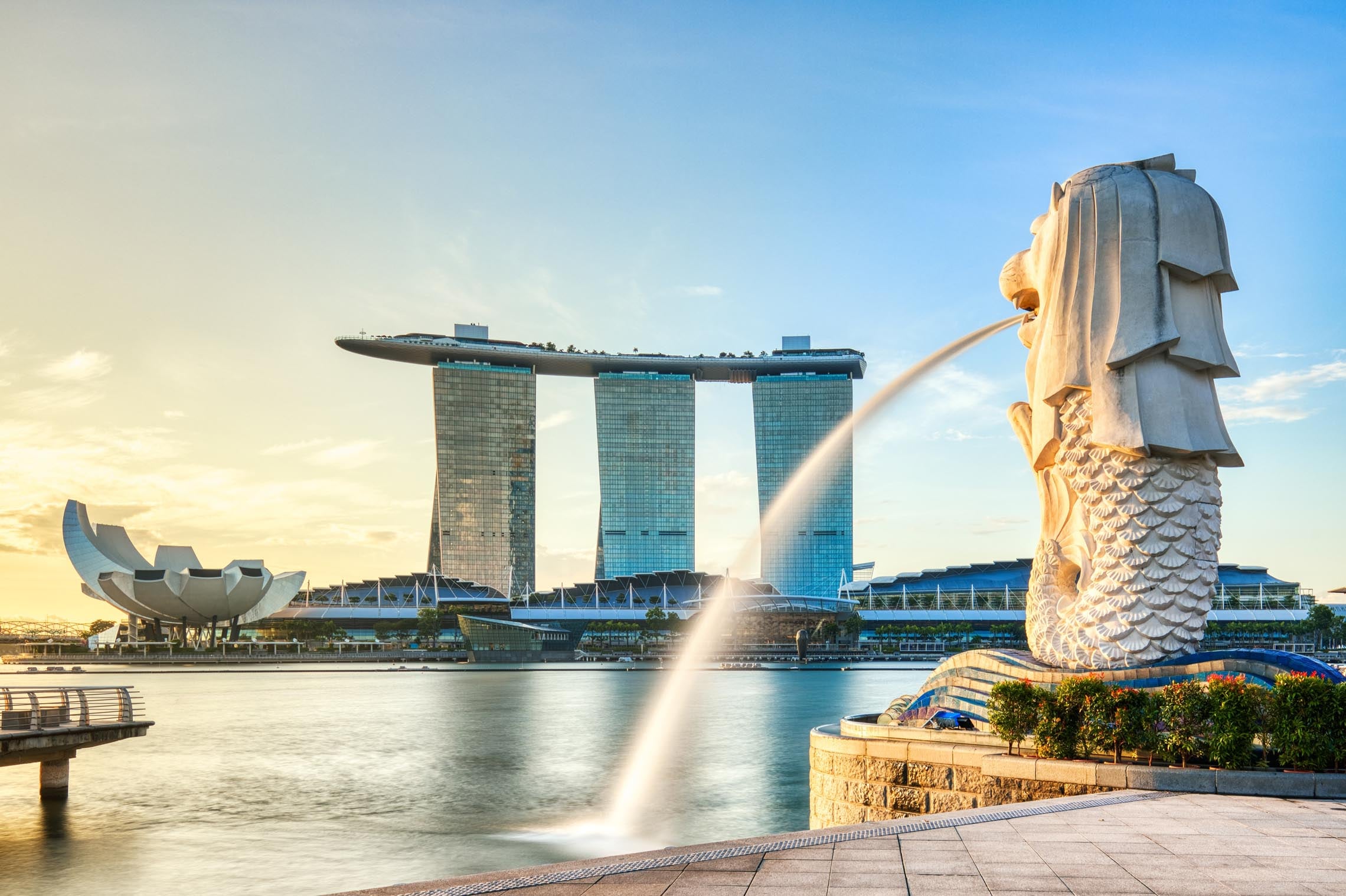
Marina Bay brings together many sides of Singapore within a remarkably compact stretch of waterfront, where architecture, shopping, culture and traces of its seafaring past meet within a few minutes' walk. The Merlion faces the bay as a reminder of the fishing village that gave Singapore its name, while Marina Bay Sands and the lotus-shaped ArtScience Museum rise beyond it, symbols of a city built with an eye firmly on the future. As afternoon arrives, luxury boutiques, galleries, restaurants and cultural spaces come alive around these landmarks, while the Helix Bridge and Esplanade add another layer to the waterfront, turning a single walk into a vivid portrait of Singapore.

The Merlion overlooking Marina Bay, a landmark to see when exploring things to do in Singapore

The Merlion overlooking Marina Bay, a landmark to see when exploring things to do in Singapore

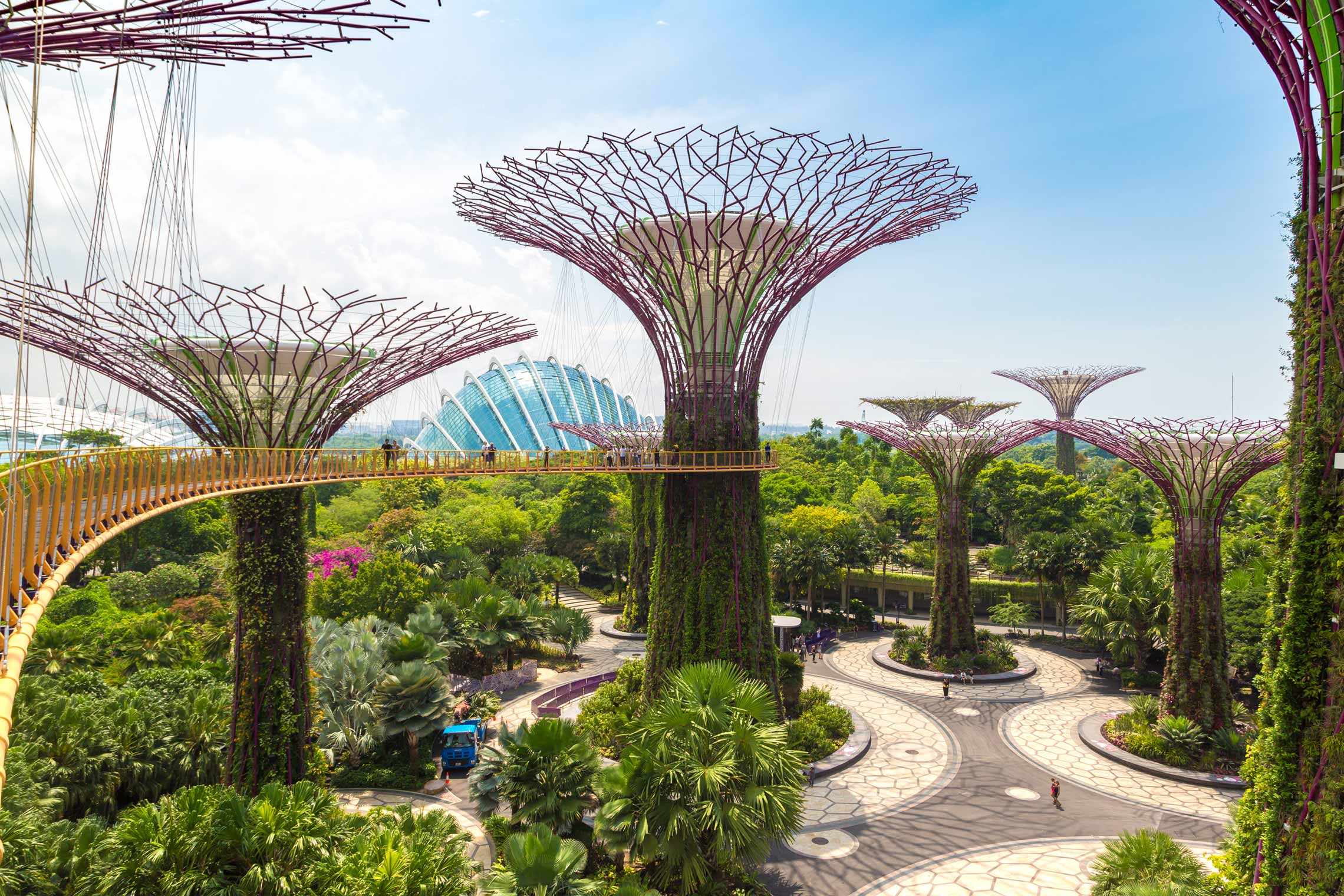
As evening approaches, Gardens by the Bay becomes a natural continuation. The Supertree Grove lights up, with towering structures covered in living plants and integrated with solar technology and horticultural systems. Their design reflects Singapore's effort to combine dense development with green infrastructure. After sunset, illuminated buildings, water reflections and glowing Supertrees give the bay a striking appearance.

Chinese, Malay and Indian cultures intertwine across Singapore’s neighbourhoods

Along Serangoon Road, Little India comes alive with flower garlands, spice shops and bright displays from sari stores and goldsmiths. Sri Veeramakaliamman Temple anchors the district, while nearby eateries bring familiar flavors into the streetscape, giving visitors a closer look at one of the most distinctive things to do in Singapore.

Further south, Kampong Glam shifts the scenery with textile shops and heritage shophouses along Arab Street, while Haji Lane draws attention with murals, boutiques and independent cafés. The golden dome of Sultan Mosque rises above the buildings, giving the neighborhood a distinctive focal point. Nearby, Chinatown brings Chinese temples, shophouses, traditional shops and food stalls into view. 

Within a few streets, Chinese, Malay and Indian cultures meet naturally in the temples, mosques, shops and kitchens that share the same city. Because the districts lie relatively close together, they can be explored in the same afternoon, with the journey between them revealing how architecture, commerce and daily life express Singapore's multicultural character.

Singapore itinerary tips to make the most of each day

A good day in Singapore depends on how well the time between stops is planned, especially when some neighborhoods reward a slow walk while major landmarks work better within a clear schedule. 

Group sights by neighbourhood instead of crossing the island

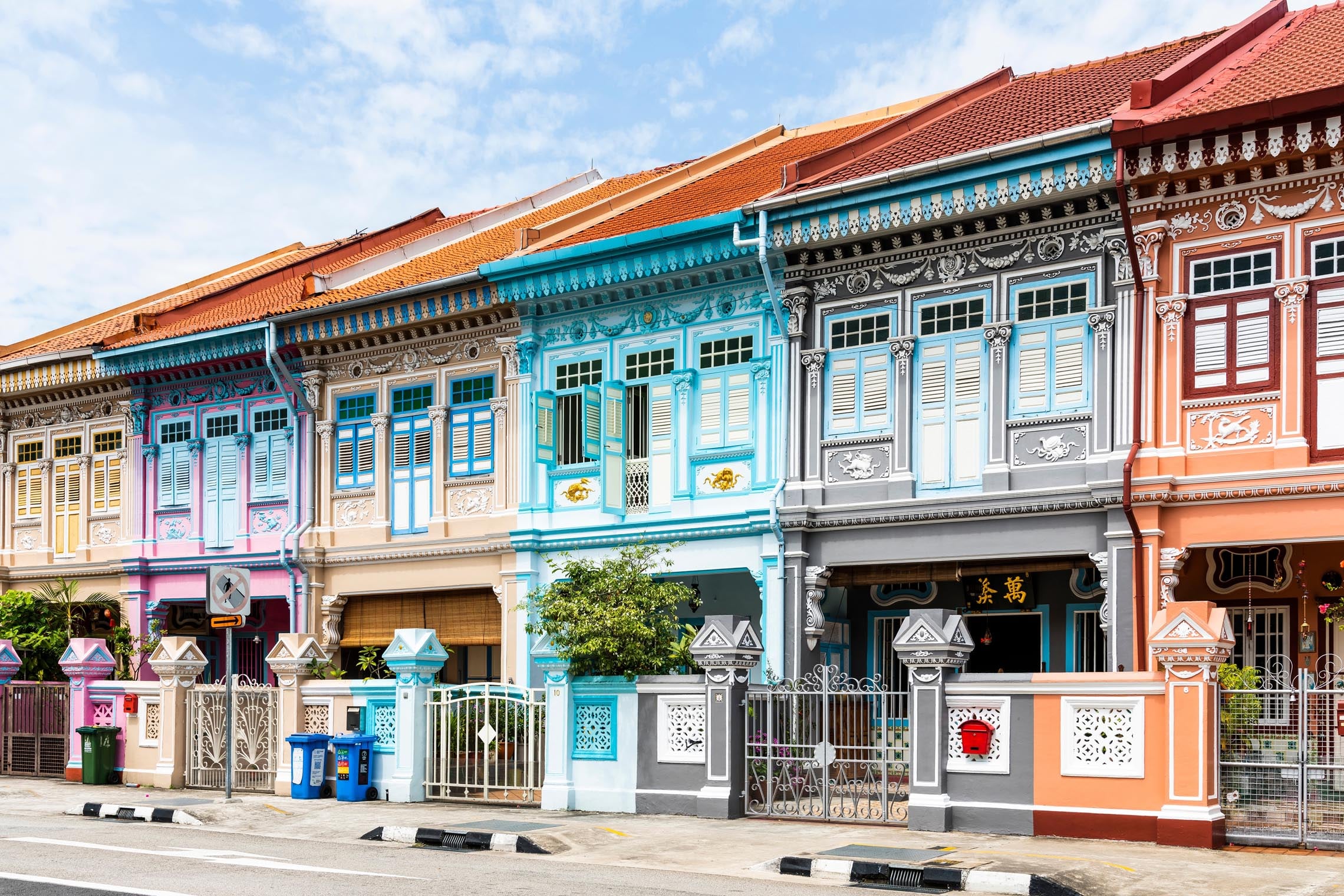
A day exploring top attractions in Singapore does not have to follow the same route as everyone else. Once the main sights are grouped by area, the spaces between them become part of the experience, whether stopping for a local snack or browsing a small souvenir shop. With time to wander, Tiong Bahru reveals a residential side of Singapore through distinctive street art and murals, with colorful works appearing across walls and building exteriors. Joo Chiat has a different visual character, particularly around Koon Seng Road, where vibrant shophouses, intricate details and pastel tones create a streetscape shaped by the area’s heritage.

Rows of colorful Peranakan shophouses with distinctive architecture, deeply rooted in Singapore’s cultural heritage

Rows of colorful Peranakan shophouses with distinctive architecture, deeply rooted in Singapore’s cultural heritage

Let Singapore's transport system do the heavy lifting

Singapore's transport network becomes part of the day's exploration, especially for first-time visitors who may want to see several distinct neighbourhoods without spending much of the day in transit. An EZ-Link card or contactless bank card makes these transitions effortless, allowing the journey to fade into the background while the city changes above ground. Good Singapore itinerary tips are often about knowing when to move and when to pause, particularly during weekday rush hours when commuters fill platforms and trains. Travelling outside these periods leaves a calmer journey and more time to notice the contrasts between Singapore's districts, architecture and daily life along the way.

Leave one afternoon open for somewhere less expected

An open afternoon could lead into the city's museum scene, where leading galleries present collections spanning Southeast Asian traditions, international modern art and contemporary practices, alongside exhibitions bringing emerging artists and new perspectives into focus. For a more local pause, spend time in a community arts space or browse a weekend creative market, where independent makers, illustrators and small studios introduce a side of Singapore that major landmarks rarely capture. Among the many things to do in Singapore, these encounters bring visitors closer to the city's creative scene, where established traditions meet emerging local voices.

Singapore city skyline with modern architecture and Marina Bay, a striking scene among things to do in Singapore

Singapore city skyline with modern architecture and Marina Bay, a striking scene among things to do in Singapore

Top attractions in Singapore worth the extra stop

Further afield, Singapore shifts towards nature, wildlife and island escapes, bringing a different side of the city into view for those with more time.

Sentosa trades the skyline for beaches and island adventures

Ask a local how they would spend a day on Sentosa, and the answer may begin with the journey to get there. The cable car rises above the harbour, with boats moving across the water as the island comes into view. Once ashore, the day shifts towards beaches, marine life and leisure, creating a welcome contrast with Singapore's urban centre. For practical Singapore itinerary tips, give Sentosa several hours to breathe instead of squeezing it between central-city stops. Families often linger around the island's attractions, while travelers seeking a break from the city find an easy change of scenery along the coast.

Supertree Grove and Skyway at Gardens by the Bay near Marina Bay Sands, a highlight of things to do in Singapore

Supertree Grove and Skyway at Gardens by the Bay near Marina Bay Sands, a highlight of things to do in Singapore

Night Safari changes the way Singapore's wildlife is seen

When evening settles over Singapore Zoo, the familiar world of animal viewing gives way to rustling leaves, distant calls and the movement of creatures adapted to life after dark. The Night Safari is built around this shift, bringing visitors into habitats where nocturnal species become the focus as their natural activity begins. Open settings and carefully positioned viewing areas offer fleeting glimpses of animals moving through the darkness, with each sighting feeling different. Along the route, interpretation and conservation programmes introduce their habitats, behaviours and the challenges facing different species, adding depth to an evening spent observing wildlife after sunset.

Singapore Botanic Gardens offers a quieter finale

Step through the gates of Singapore Botanic Gardens and the city seems to soften. Broad lawns sit beneath towering rainforest trees, with shaded paths and tropical planting contrasting with the streets beyond. Founded in the nineteenth century, the gardens became linked with botanical research and experiments that helped establish rubber cultivation across the region, leaving scientific history in the landscape. The National Orchid Garden adds another dimension, with orchids arranged in changing combinations of colour, shape and texture. Designated Singapore's first UNESCO World Heritage site in 2015, the gardens connect horticultural heritage with a living landscape woven into everyday life.

The best things to do in Singapore often are things that live on in unexpected discoveries and small moments that make the city feel uniquely yours.

Quick Information

Frequently Asked Questions

Three to four days allow enough time to experience Singapore's major districts without rushing. Most central attractions sit within 5 – 10 km of one another, while adding two days gives travelers room for Sentosa, nature reserves or a slower neighbourhood itinerary.

Singapore is considered a safe destination for solo travelers, with reliable public services and well-maintained public spaces. A standard MRT journey generally costs around SGD 1 – SGD 2, making independent travel across the city relatively affordable and straightforward.

Singapore is warm and humid throughout the year, with temperatures generally between 24 – 31°C (75 – 88°F). Rain can occur in any month, although November to January tends to be wetter, while February often brings comparatively drier conditions for outdoor activities.

What to eat in Singapore as the city tells its culinary story

Before the morning rush reaches Singapore's business districts, the kopitiam has already begun its daily ritual. At marble tables beneath slowly turning fans, elderly regulars linger over their cup of black coffee, stallholders preparing bread with kaya and egg yolk or a simple noodle bowl while conversations drift between different languages. 

These traditional neighbourhood coffee shops emerged from communities that built their lives around Singapore's early trading districts, becoming places where food, work and social life naturally overlapped. Today, a kopitiam remains one of the most revealing places to begin with in the quest of exploring Singapore’s rich cuisine, because its history is inseparable from the people who shaped the city's culinary character.

What to eat in Singapore starts with signature dishes

Chinese, Malay, Indian and Peranakan communities have shaped Singapore's food traditions, adapting familiar recipes to local tastes. Their dishes now form an essential part of Singapore’s local dining scene, with distinct ingredients, cooking methods and flavours found across the city.

Tourists can try many Singaporean dishes at the lively food court at Maxwell Food Centre in Singapore

Tourists can try many Singaporean dishes at the lively food court at Maxwell Food Centre in Singapore

Hainanese chicken rice, laksa and bak kut teh reveal Singapore's culinary heritage

When Hainanese migrants arrived in Singapore, they brought Wenchang chicken traditions from home and gradually adapted them to local ingredients and tastes, laying the foundation for the Hainanese chicken rice known today. The familiar plate pairs tender poached or roasted chicken with fragrant rice cooked in chicken stock, garlic and ginger, alongside chilli, dark soy sauce and clear broth, while stalls at Chinatown Complex and Maxwell Food Centre continue to draw generations of diners.

Laksa brings together coconut milk, chilli, dried seafood and aromatic spices with noodles, prawns, fish cake and cockles, creating the rich broth found in many Singaporean bowls. In Katong, Peranakan cooks gave the dish its distinctive character, while Chinese and Malay culinary influences shaped the ingredients and techniques that define its flavour.

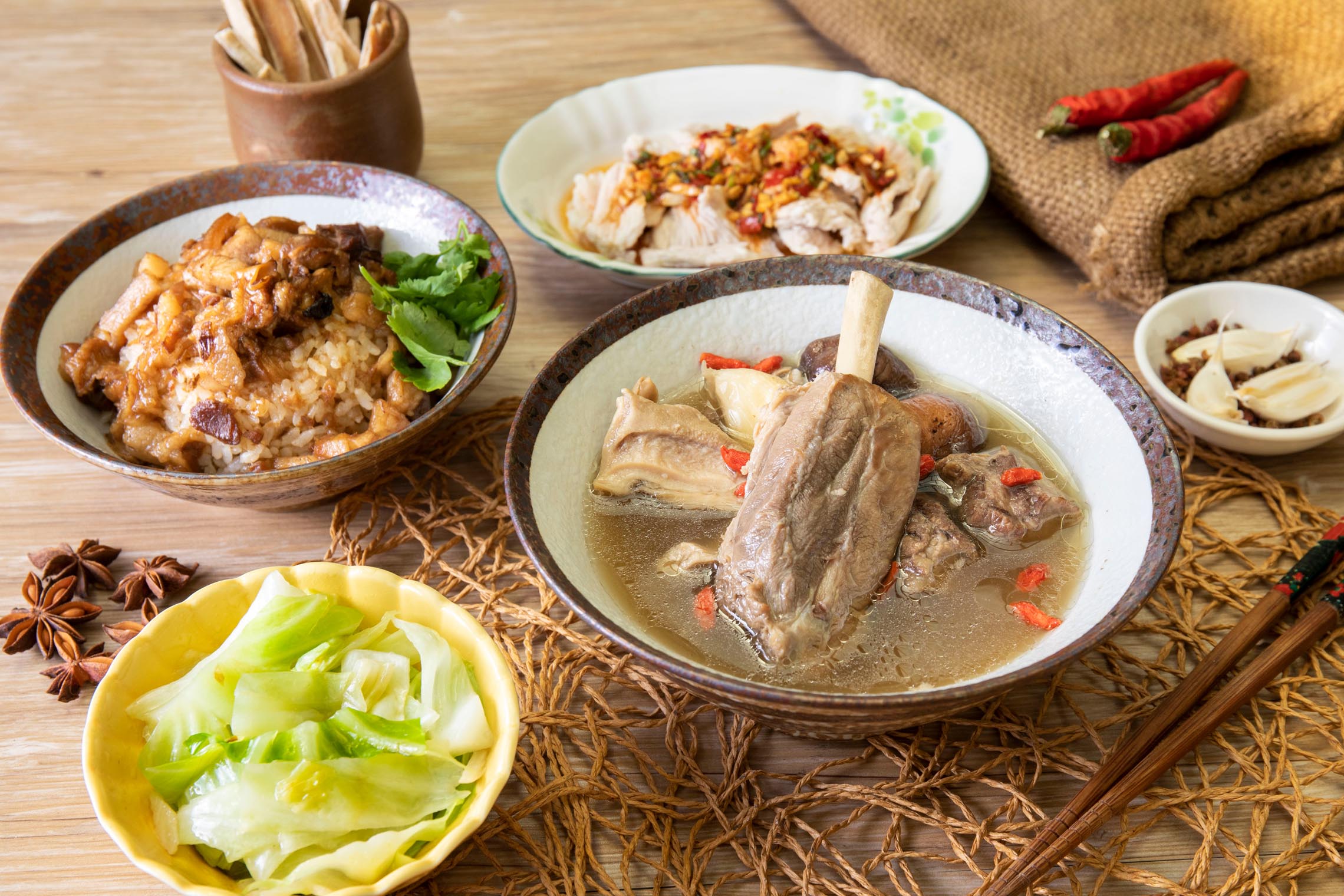
Along the Singapore River, Chinese workers once turned to bak kut teh after long hours on the job, simmering pork ribs with garlic, herbs and white pepper before serving them with rice and simple accompaniments. The hearty meal suited the demands of riverside work, while its enduring place in the city’s dining culture gives visitors another reason to consider what to eat in Singapore.

Món súp sườn heo hầm thảo mộc (Bak Kut Teh) đặc trưng của Singapore

A traditional Singaporean herbal soup served in a bowl, representing the city’s diverse food culture

Chili crab turns dinner into a shared occasion

Singapore’s love of seafood found a memorable expression in chili crab, a local creation built around mud crab rather than a recipe carried unchanged from elsewhere. The crab is coated in a thick sauce of chilli, tomato, sweetness and savoury richness, while steamed or fried buns soak up every last spoonful left on the plate.

Usually priced by weight, the final bill varies with the crab’s size and market prices, making it well suited to an unhurried dinner by the waterfront or in seafood districts such as East Coast Seafood Centre, Dempsey Hill and the Singapore River. A whole crab naturally draws everyone towards the same plate, as diners crack shells, pass pieces across the table and tear off buns to scoop up the sauce, making chili crab an essential choice when considering what to eat in Singapore.

Roti prata with curry follows Singapore from morning into the night

Roti prata travelled to Singapore with Indian Muslim communities, who adapted the flatbread to local tastes and made it part of everyday eating. The dough is stretched, folded and spun across the hot griddle until its edges turn crisp while the centre stays tender, then served with curry, egg, onion or cheese as the aroma fills the shop.

In Little India, where traditional eateries keep their griddles working from breakfast into the early hours, what to eat in Singapore might unfold over a plate of prata and curry, perhaps shared with sweet teh tarik as lively conversation spills between tables. After dark, the same tables draw friends and families together, their plates arriving hot from the griddle as Singapore’s streets settle into the night.

Bugis street food in an evening of grazing

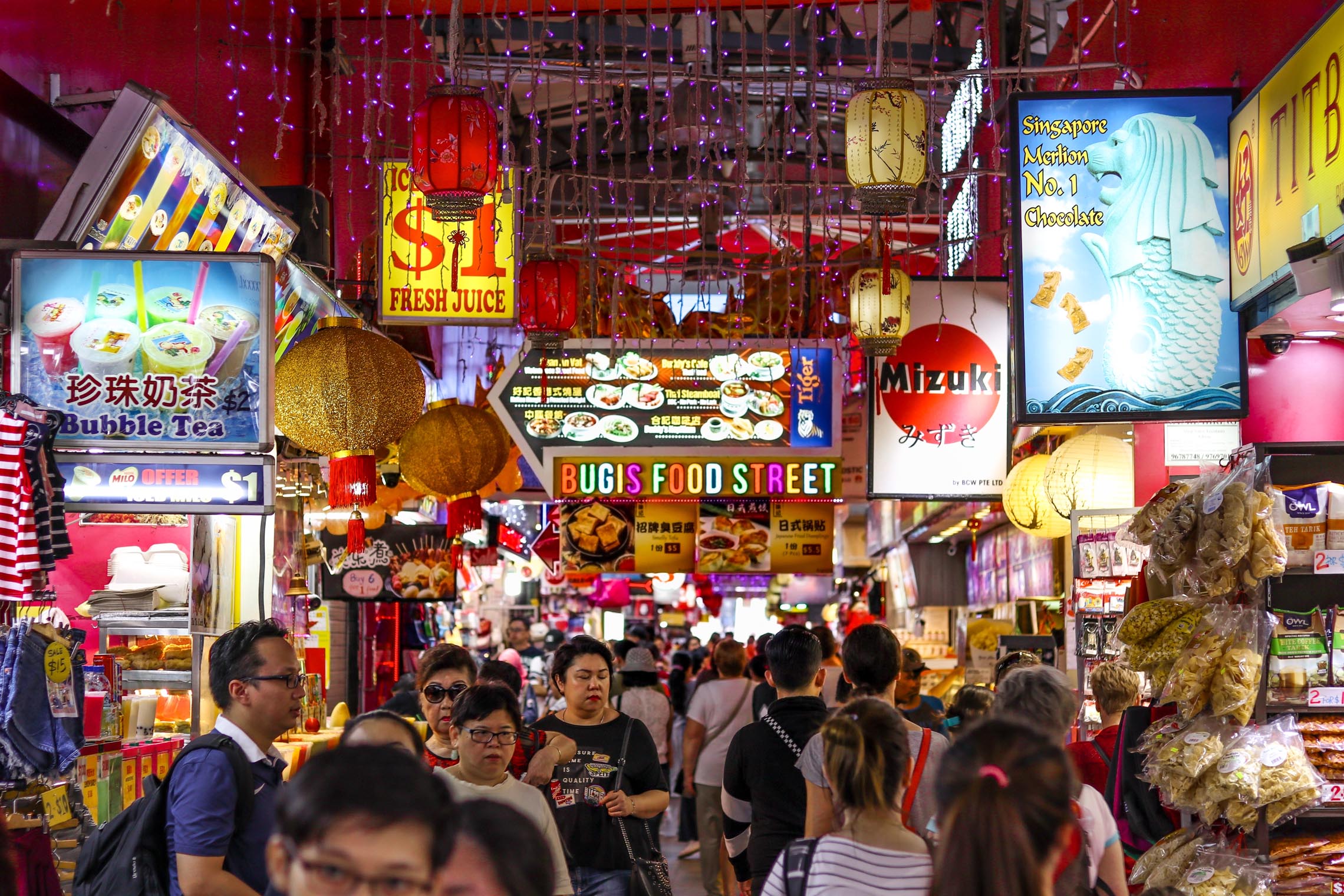
Bugis was once home to seafarers and traders who travelled through the Malay Archipelago, before the surrounding district grew into one of Singapore's best-known commercial areas. Today, its shopping streets carry traces of both identities, where street food brings established traditions and contemporary tastes together.

A lively Bugis food market in Singapore, with busy stalls and visitors exploring local street food

A lively Bugis food market in Singapore, with busy stalls and visitors exploring local street food

Cheese corn dogs add a contemporary note to the market

Among the newer choices associated with Bugis street food, cheese corn dogs represent the influence of contemporary global food trends. A crisp fried coating surrounds melted cheese, sausage or both, creating a handheld snack suited to browsing the neighbourhood rather than sitting through a lengthy meal.

Around Bugis, the snack feels at home among longstanding shops and heritage streets, where international youth culture meets the tastes of a new generation. Its popularity reflects the neighbourhood’s changing palate, while a golden corn dog in hand offers a modern counterpoint to the traditional dishes that have long shaped the area.

Traditional Chinese desserts gives the evening a sweeter finish

A different kind of continuity can be found at some of the most well-known traditional Chinese dessert destinations here. Their presence around Bugis connects the district’s modern shopping scene with Chinese dessert traditions, using ingredients such as fruit, milk and sago in combinations built around familiar textures and gentle sweetness.

A bowl of Chinese dessert brings what to eat in Singapore into a gentler register, with chilled fruit, creamy milk or soft sago offering a quiet pause amid the bustle in Bugis area. The tradition draws from Chinese communities, where sweet soups and chilled desserts have long marked the end of a meal or given friends a reason to linger, adding a softer side to Singapore’s changing food activities.

Let the market stay open around you

As afternoon turns to evening, the route towards Bugis introduces another side of Singapore's food culture. After wandering through Kampong Gelam, where Arab Street and Haji Lane combine heritage architecture with independent shops, the streets around Bugis MRT station become increasingly animated with clothing stalls, accessories and inexpensive snacks. Bugis street food fits into this flow, with eating intertwined with browsing instead of being separated into a formal dinner stop.

Stay in Bugis long enough and the neighbourhood comes alive, from the clatter of plates and raised voices to quieter tables where conversations stretch over the last few bites. There is something satisfying about following whatever catches your attention, whether it is a stall turning out food through clouds of steam or a dessert shop glowing against the street, while cooks move quickly behind the counter and friends lean over their plates to share another bite.

By the time visitors leave, what to eat in Singapore  turns into a comprehensive collection of moments, remembered through a busy kitchen, the warmth of a shared plate and flavours that follow you through the streets.

Quick information

Frequently Asked Questions

Yes. Singapore's hawker centres follow food safety regulations and undergo regular inspections, while stalls receive hygiene grades based on official assessments. Most visitors can eat comfortably at established centres.

A practical food budget is around SGD 20 – SGD 40 per person for a day focused on hawker centres and casual eateries. Dining at restaurants costs more, while popular dishes such as chili crab can reach SGD 40 – SGD 60 per person.

Yes. Vegetarian food is widely available, particularly around Little India, where Indian vegetarian restaurants and hawker stalls are common. Many hawker centres also have dedicated vegetarian stalls, with meals generally costing SGD 5 – SGD 10. Look for stalls clearly marked as vegetarian when exploring busy food centres.

How to make the most of Singapore Changi Airport 

Singapore often first comes into view at Changi, where glass, greenery and quiet movement set the tone before the city appears. Knowing how the airport works helps travellers move through those first hours with less hesitation and more time to settle into Singapore.

Changi Airport among the world’s best airports

Singapore Airport (Changi Airport) has transformed the idea of an airport from a place of transit into an attraction in its own right. Located in eastern Singapore, the airport has repeatedly ranked among the world's best at the Skytrax World Airport Awards, while its gardens, architecture and public spaces give the journey a sense of place before Singapore's streets come into view. Changi builds its character through the details travellers encounter as they make their way through the airport.

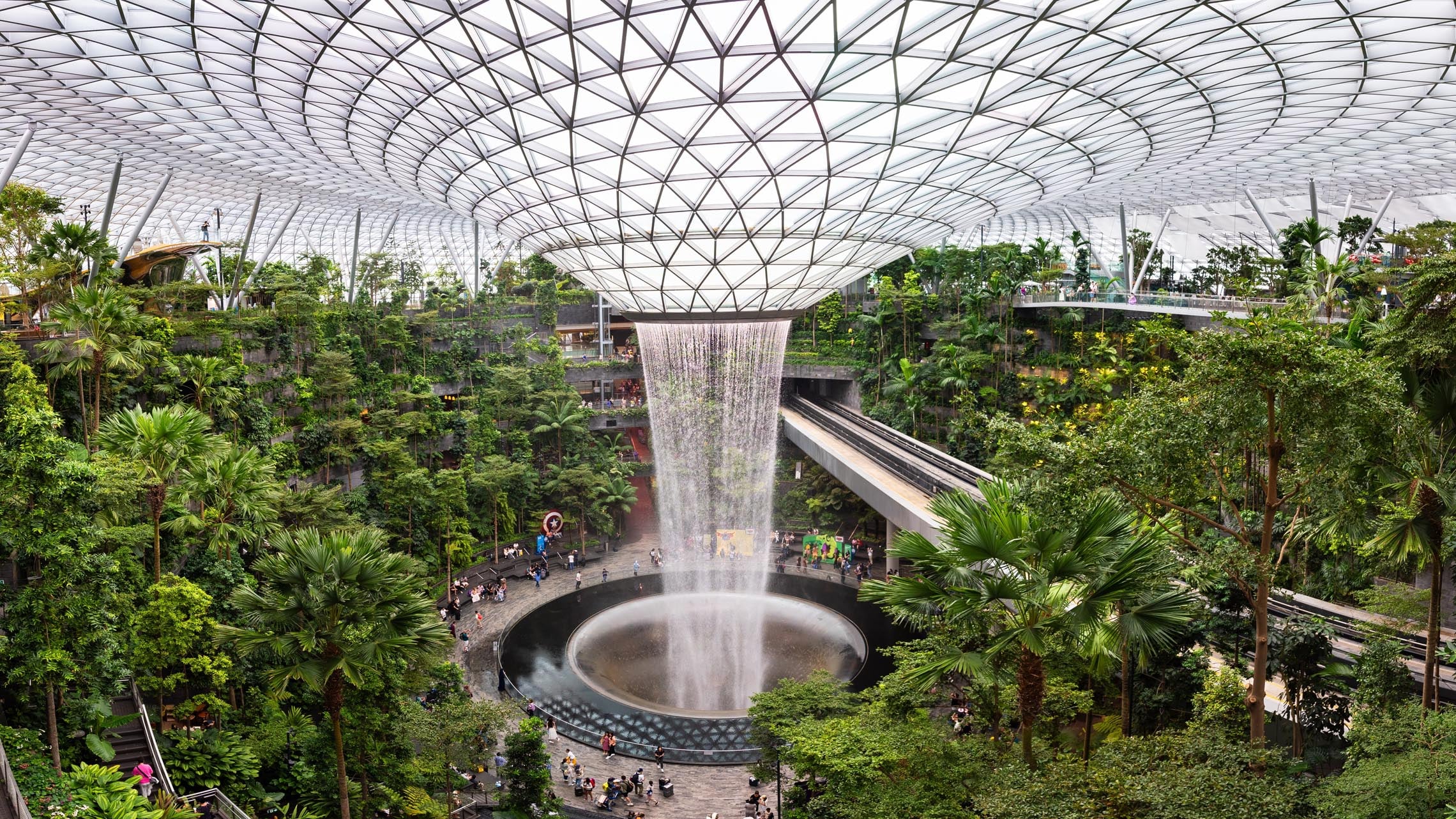
Rain Vortex, a 40-metre-high waterfall surrounded by lush greenery at Jewel Changi Airport in Singapore

Rain Vortex, a 40-metre-high waterfall surrounded by lush greenery at Jewel Changi Airport in Singapore

Four terminals connected by a free Skytrain

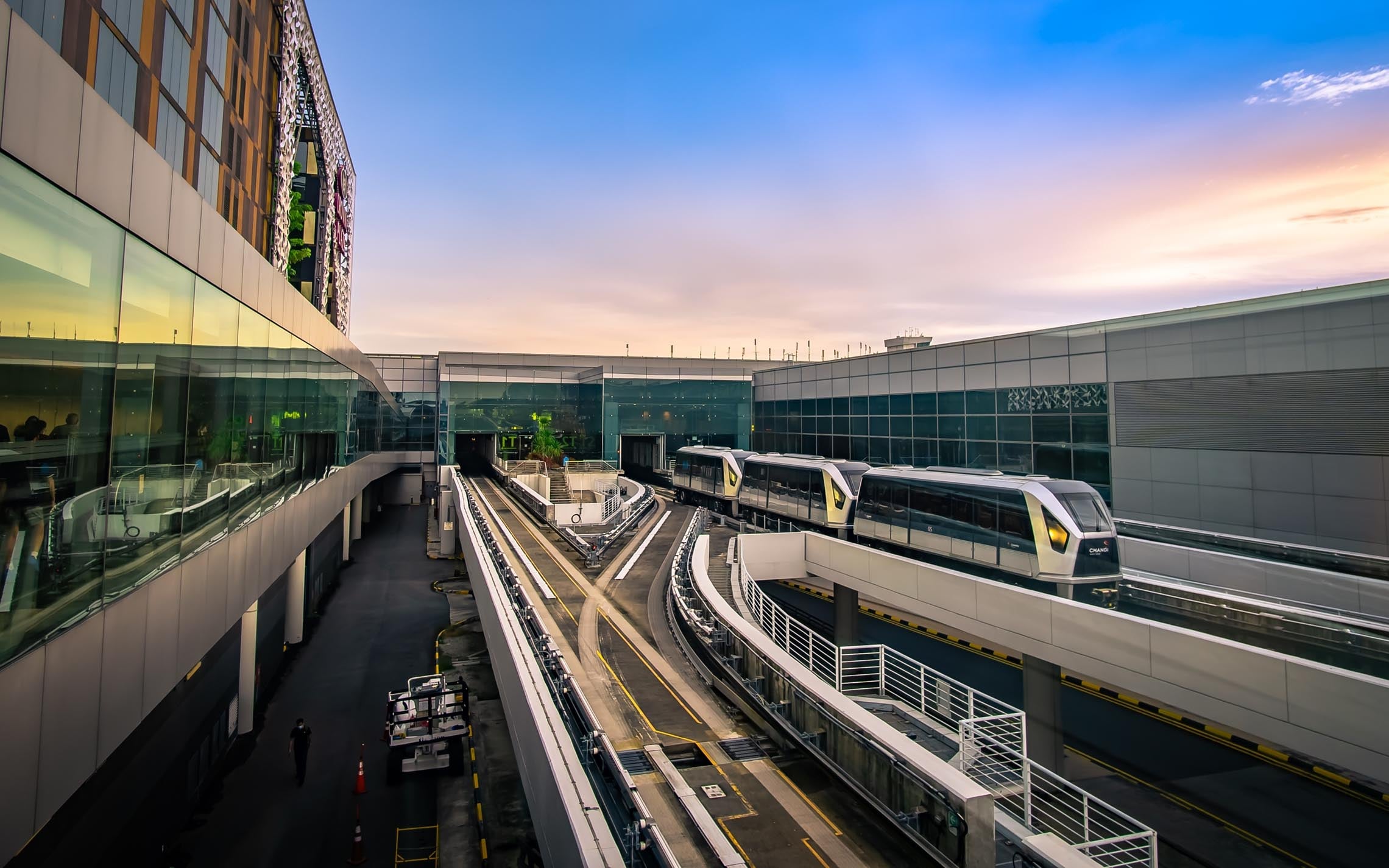
Changi gives each of its four terminals a distinct character, with a free Skytrain linking the main buildings. The service runs through the transit area, allowing passengers who have cleared immigration to move between terminals when changing flights without paying an additional fare. Terminal 1 has an open, modern character, while Terminal 2 pairs spacious interiors with natural touches. Terminal 3 stands out for its soaring glass architecture and warm wood accents, while Terminal 4 takes a contemporary approach with clean lines and integrated technology.

Skytrain departing from Terminal 3 at Singapore Airport (Changi)

Skytrain departing from Terminal 3 at Singapore Airport (Changi Airport)

The spaces invite travellers to linger over international brands, discover restaurants ranging from quick bites to refined dining, or retreat into premium lounges designed for comfort and quiet. Wellness facilities provide places to shower, rest and refresh between flights, turning time at the airport into an experience shaped by food, shopping and small moments of ease.

Jewel Changi turns a layover into sightseeing

Jewel Changi gives travellers another reason to leave the departure gate during a longer connection. At its centre, the Rain Vortex drops 40 metres through the complex, ranking among the world's tallest indoor waterfalls. Framed by Forest Valley's layered planting, the cascade has become one of Singapore's most recognisable images, especially striking as the Skytrain passes alongside the glass facade. From the train, the waterfall, forest and sweeping architecture appear together through the glass, capturing Singapore's instinct for bringing nature into the urban landscape. With Jewel beside the airport terminals, travellers can watch the water fall, wander through the greenery and return for their flight without planning a lengthy excursion.

Free attractions bring nature into the terminals

The transit areas open onto quieter corners where nature takes centre stage. Terminal 3's rooftop Butterfly Garden surrounds travellers with tropical greenery, while Terminal 1's poolside deck offers an open-air setting between flights, with water replacing the airport bustle.

Both attractions are free, allowing travellers to explore without leaving the airport or adding another cost. The garden provides a closer encounter with tropical life, while the pool deck offers space to sit, breathe and take in the surroundings. For those transferring through Singapore Airport (Changi Airport), these spaces bring a touch of Singapore into the journey, with greenery, sunlight and open space offering an alternative to the gate.

Longer layovers can include a free city tour

A long connection leaves time to step into Singapore through the Free Singapore Tour. Passengers with layovers of more than 5.5 hours may be eligible for a complimentary guided tour from Changi's transit facilities, following a curated route through selected parts of the city without arranging an independent excursion.

The experience suits travellers with enough time to leave the airport but not a full day in Singapore. As the tour moves through the city, streets and landmarks replace departure boards, giving the hours between flights a sense of purpose.

Left-luggage counters make the outing easier, allowing travellers to store their bags before exploring Jewel or joining the tour. Returning to Singapore Airport (Changi Airport), they carry a first impression of Singapore shaped by streets, neighbourhoods and everyday life rather than an airport window.

Metro Singapore connects Changi Airport to the city center

From the airport, Singapore's MRT turns the journey into the city into a simple sequence of platforms, neighbourhoods and changing views through the carriage window.

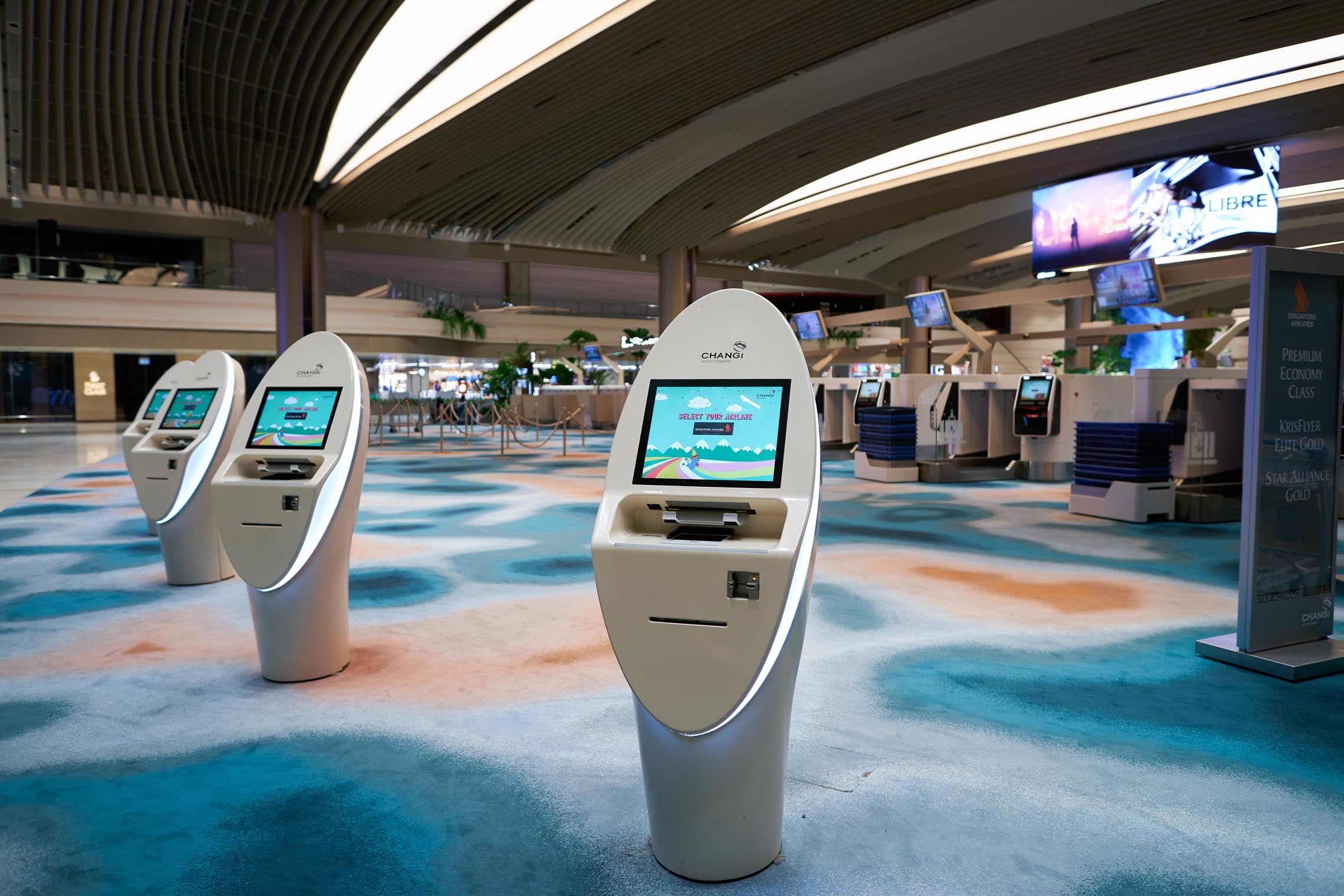
Modern facilities and diverse passenger amenities at Singapore Airport (Changi)

Modern facilities and diverse passenger amenities at Changi Airport

The East-West Line begins with a short airport shuttle

Metro Singapore reaches the airport through a short shuttle line before joining the East-West Line. Passengers board at Changi Airport MRT Station and travel to Tanah Merah, where a same-platform transfer continues the journey towards downtown. The route unfolds in two stages, first leaving the airport before merging into the city's main east-west corridor. For travellers arriving with luggage, the change at Tanah Merah keeps the journey clear without requiring a complicated transfer.

Trains run every six to eight minutes

Outside very early morning and late-night hours, metro Singapore services run roughly every six to eight minutes, giving travellers the freedom to head to the station after landing without arranging their arrival around a particular departure. With trains arriving at regular intervals, the journey begins without a long wait or the pressure of watching the clock, allowing the city to gradually replace the airport beyond the carriage windows.

EZ-Link makes the MRT journey straightforward

An EZ-Link card bought at the airport works immediately at the MRT gates, allowing travellers to begin their journey without purchasing a separate paper ticket. The card can then be used for subsequent public transport journeys, making it convenient for visitors planning to use the network during their stay. Having the card ready also removes one small task from the first few minutes in Singapore. Travellers can enter the gates, take the airport service to Tanah Merah and continue towards downtown without stopping to purchase an individual ticket.

From booking your flight to adding TripCare Insurance, a little preparation sets the stage for the journey, which begins at Singapore Airport (Changi) before continuing into Singapore.

Quick information

Frequently Asked Questions

Yes, eligible foreign visitors can use automated immigration lanes at Changi Airport instead of waiting for a manual passport check. The system uses biometric identification to verify travellers, which can make immigration more efficient during busy arrival periods. Check the latest entry requirements before travelling, as eligibility and procedures may vary by nationality.

Metro Singapore connects Changi Airport with Marina Bay through the MRT network, with the journey taking around 30 – 40 minutes and costing about SGD 2 – SGD 4. After reaching the central area, travellers can continue on foot or transfer to another MRT service. Checking the route before departure helps identify the most convenient station for your accommodation or attraction.

Travellers with sufficient time can leave Singapore Airport (Changi), provided they meet Singapore's entry requirements and allow enough time to return for their flight. This can suit passengers who want to spend several hours exploring the city rather than remaining at the terminal. Allow extra time for immigration, transport and security before the onward departure.

Hotels in Singapore for a more local side of the city

Singapore's past is chronicled in its streets, where trading quarters, migrant communities and maritime routes have left iconic buildings beside contemporary towers. From a hotel window, the view often shifts from weathered façades to a glass skyline within minutes, revealing another fragment of the city's past. That sense of place extends to a variety of accommodation , where conserved architecture, tropical settings and contemporary art lend each stay a distinct experience.

Hotels in Singapore reflect the character of each area

The neighbourhood around a hotel influences the mood of a stay, with quieter residential districts offering a gentler backdrop while busier areas keep guests close to the city's energy from morning into evening, making the choice of district an important part of how Singapore is experienced.

Marina Bay and Orchard Road for couples and business travellers

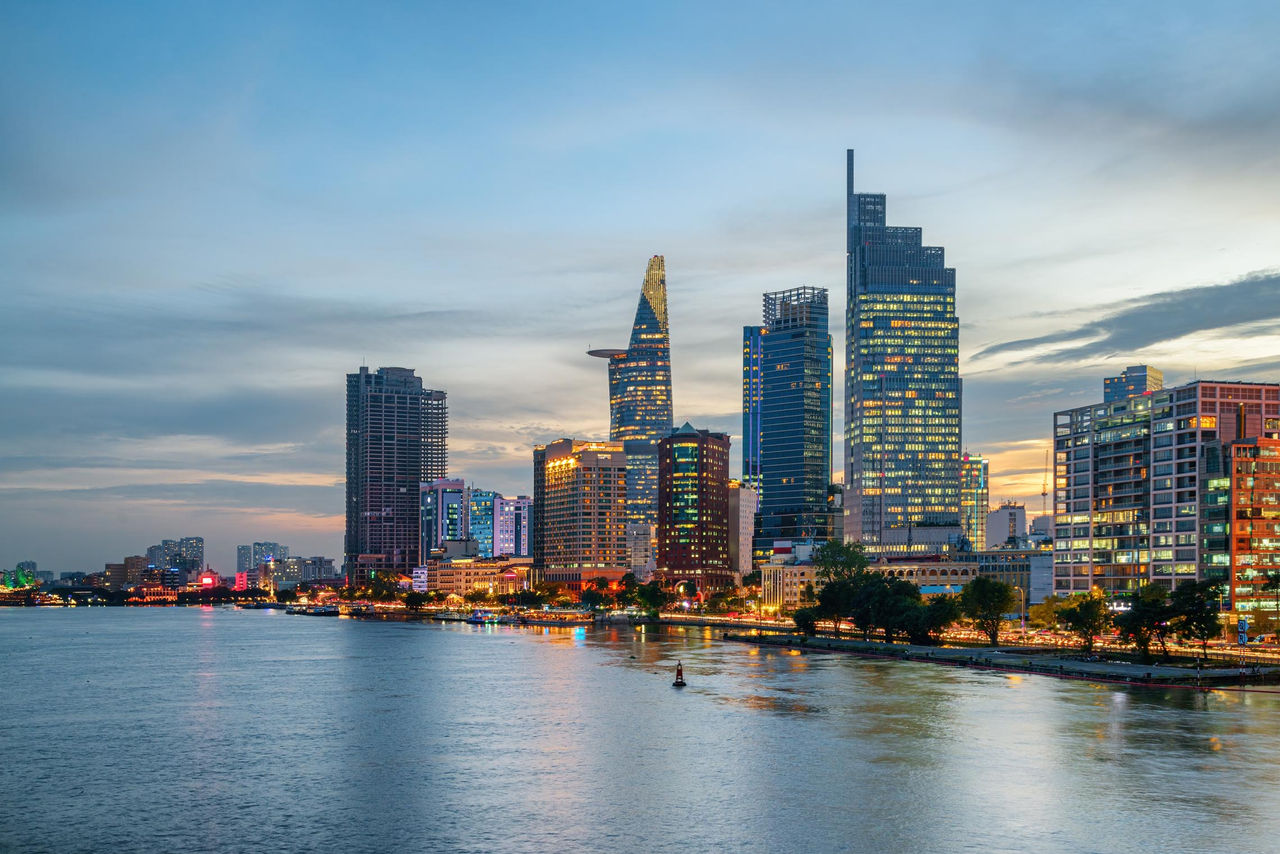
At Marina Bay, the waterfront sits just beyond the hotel window, with hotels in Singapore often lean towards spacious rooms, skyline views, polished interiors and dining that keeps the evening close. Couples can spend the morning beside the bay before heading towards the civic quarter and cultural venues, while business travellers benefit from proximity to Singapore’s central business district and major offices. The concentration of well-appointed properties sets an elegant backdrop for evenings by the water. 

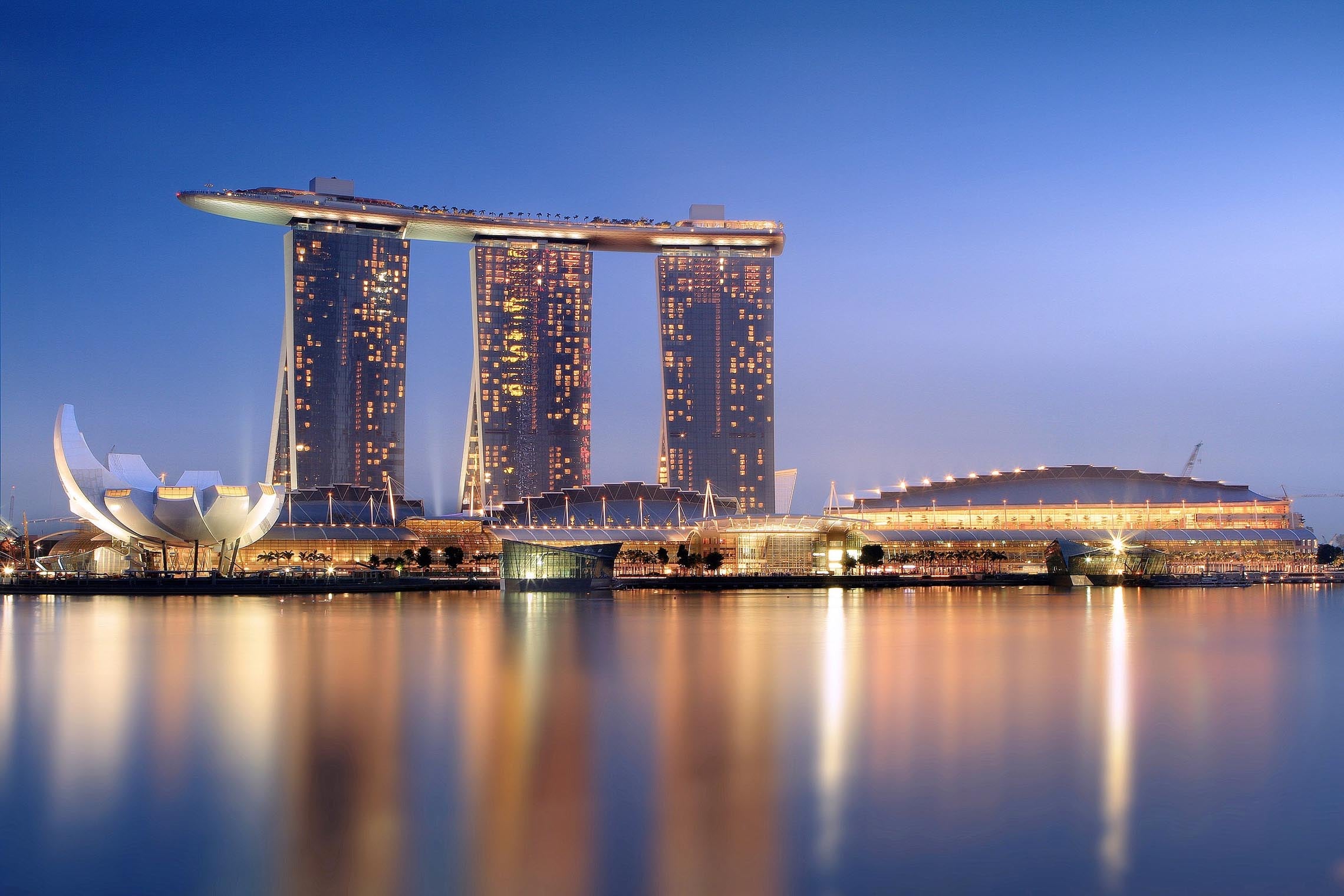
Marina Bay skyline and waterfront buildings at dusk, illustrating hotels in Singapore near the city’s modern waterfront

Marina Bay skyline and waterfront buildings at dusk, illustrating hotels in Singapore near the city’s modern waterfront

Orchard Road moves at a different pace, with hotels lining a tree-shaded shopping corridor before the streets grow quieter towards Tanglin and its residential pockets. Here, a day can drift from department stores and luxury boutiques to flagship brands and restaurants, with business travellers enjoying convenient connections while couples can browse the city's busiest shopping malls before returning to a comfortable stay.

Sentosa for families with young children

Crossing towards Sentosa, Singapore's skyline recedes behind palms, beaches and open sea, creating a setting where families with young children can spend much of the day outdoors. Hotels in Singapore near Sentosa place Universal Studios Singapore, S.E.A. Aquarium and Adventure Cove Waterpark within easy reach, keeping journeys short while allowing time to explore the island at a gentler pace.

After hours by the water, a visit to Fort Siloso shifts how visitors see the island, as preserved historical relics reveal Sentosa's strategic importance once attached to these shores, adding another perspective to the beaches and attractions shaping its modern landscape.

That contrast adds depth to a family stay, as a holiday moves from swimming and theme park visits to discovering stories embedded in the landscape. When considering where to stay in Singapore, Sentosa suits families with young children who want to pair easy access to attractions with beaches, outdoor time and a closer look at the island's past.

Chinatown and Kampong Glam for cultural lovers

Chinatown draws travellers into restored two- and three-storey shophouses, where boutique hotels in Singapore turn narrow layouts, timber windows, tiled floors and sheltered walkways into intimate rooms with contemporary comforts. Food stalls, temples and independent shops fill the surrounding streets, making this one of the best areas for travellers who want local culture within easy walking distance of their hotel.

Around Ann Siang Hill and Club Street, a short walk shifts from conserved buildings to cafés and creative businesses, giving visitors a closer sense of how the neighbourhood has changed while retaining its spirit. Morning meals, market visits and evening gatherings share the same streets, bringing guests closer to local routines and Chinese culture woven into everyday surroundings.

Kampong Glam has its own style, home to some of the most stylish hotels in Singapore, known for their conserved shophouse architecture, patterned floors, timber details and compact interiors that create intimate stays. Guests step into streets lined with textile shops, cafés and independent businesses, where Malay and Muslim influences emerge through food, design, dress and daily life, revealing a distinct character as the neighbourhood is explored on foot.

Affordable hotels in Singapore close to the action

Singapore's sophisticated image does not mean a smaller accommodation budget comes at the expense of comfort. Several central neighbourhoods offer well-connected stays within reach of everyday conveniences and lively streets, so the city itself remains part of the experience.

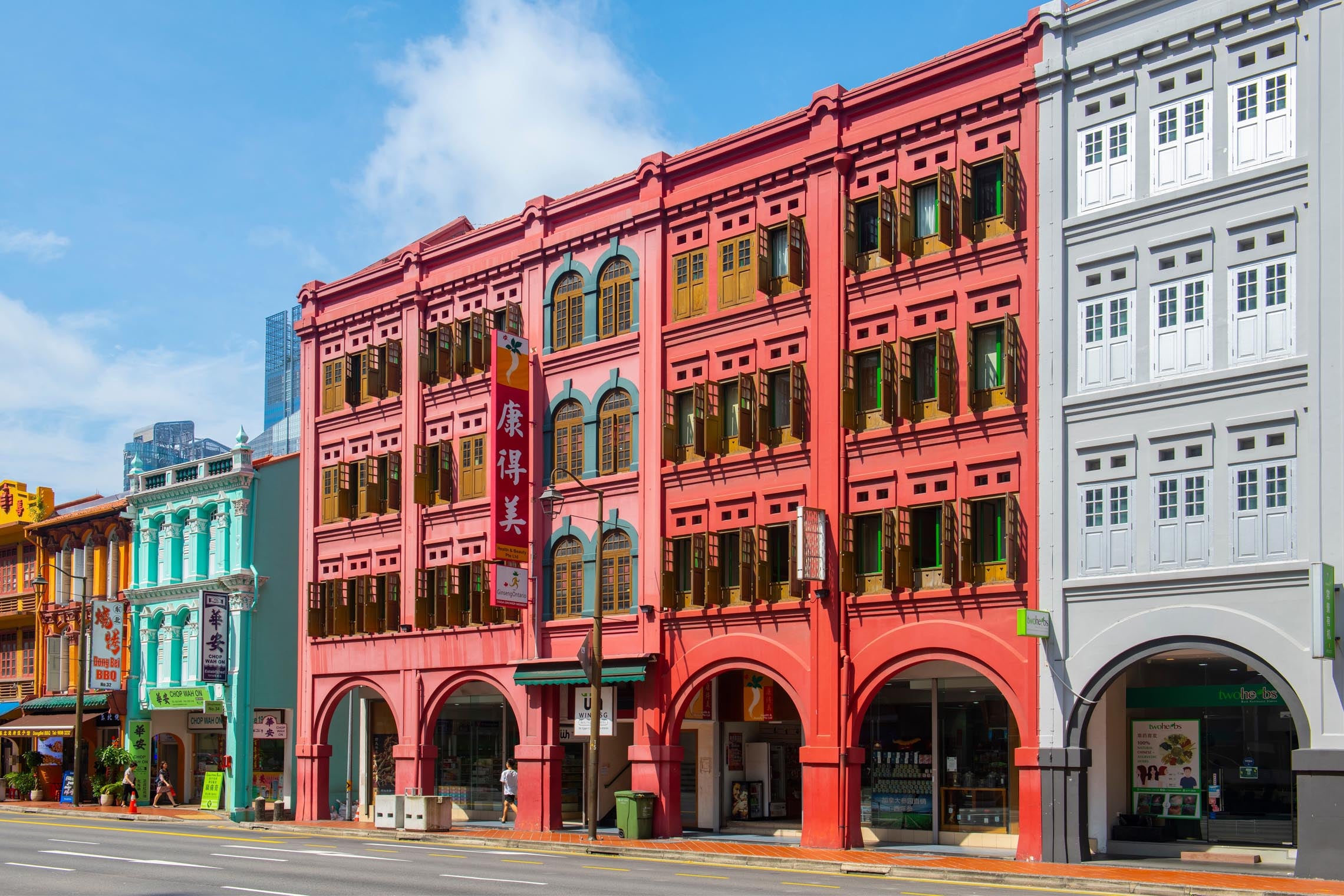
Historic shophouses and lively streets in Chinatown, Singapore, surrounded by hotels in Singapore and urban landmarks

Historic shophouses and lively streets in Chinatown, Singapore, surrounded by hotels in Singapore and urban landmarks

Bugis and Little India connect budget stays with local culture

Bugis gives travellers a modest base near Singapore's cultural quarters, with affordable hotels in Singapore ranging from compact rooms to practical properties, often favouring efficient layouts and convenient facilities. Staying nearby brings Kampong Glam within reach, while the National Library and Singapore Art Museum add cultural depth, and Bugis Street retains a lively mix of shops and older civic architecture.

Little India has a more intimate street-level character, with accommodation around Serangoon Road ranging from budget hotels to heritage-style stays, placing guests among sari shops, jewellers and restaurants as the neighbourhood's colours and aromas unfold. The aromas from food stalls mingle with the bustle around Tekka Centre, while the Indian Heritage Centre traces the community's heritage through its collections, bringing visitors closer to the traditions woven into everyday life.

Both districts make getting around straightforward, with MRT connections linking them to central Singapore and the shopping belt, while nearby markets and eateries help keep daily spending manageable.

Capsule hotels create a more communal stay

Capsule hotels take a different approach to limited urban space, with individual sleeping pods around shared lounges, kitchens and common areas. Personal lighting, charging points, storage and a curtain or sliding screen protect privacy, while the wider property favours clean design and efficient use of space.

Most of the day may happen outside the hotel, leaving more of the travellers’ budget for exploring Singapore, yet evenings draw guests back into the shared lounge after a day outside. One traveller might mention a favourite hawker stall, another might sketch out tomorrow's route, and a simple exchange can turn an overnight stay into a small meeting point. Capsule properties stand out through compact architecture and careful use of every square metre, with some featuring futuristic interiors and technology-focused facilities. Each pod remains a private retreat, while shared spaces keep connection at the centre of the stay.

Booking early helps balance price and location

When demand rises, budget rooms in Singapore can disappear quickly, especially around popular cultural districts and transport hubs, so booking two to three months ahead gives travellers more time to compare private rooms, capsule stays and boutique properties before the strongest options are taken.

Location then shapes the value of a stay, as a room near public transportation can shorten daily journeys, while a property close to everyday conveniences can make mornings easier and evenings less hurried, and a conserved building may add historic character without requiring a separate visit.

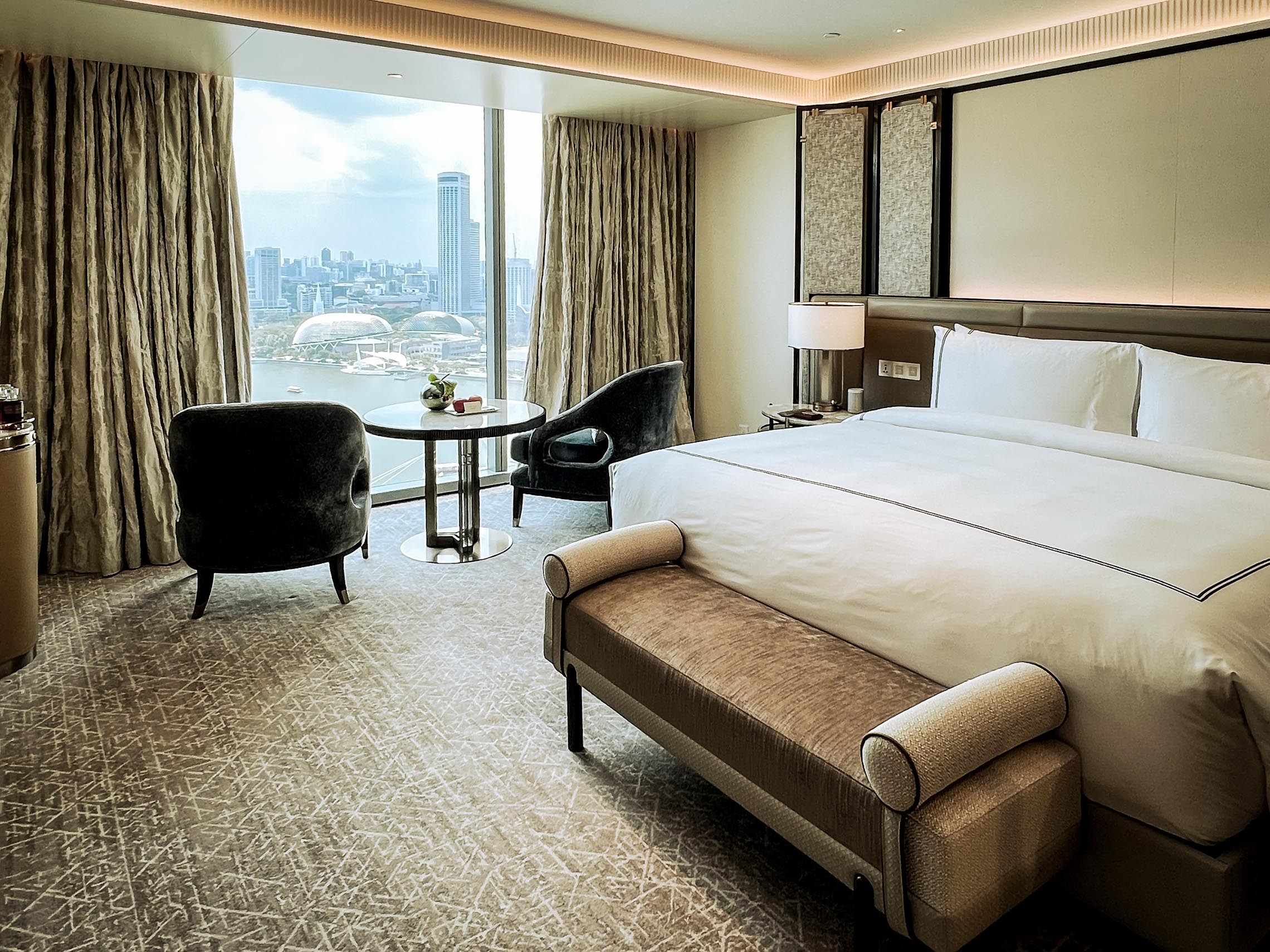
Contemporary hotel interior in Singapore with refined furnishings and modern architectural details, representing hotels in Singapore

Contemporary hotel interior in Singapore with refined furnishings and modern architectural details, representing hotels in Singapore

When deciding where to stay in Singapore, consider how the property fits the pace of each day, from the first departure to the final return, so the room feels connected to the journey rather than simply serving as a place to sleep.

Across hotels in Singapore, the right address can become a quiet thread through the trip, keeping the city's streets, encounters and changing atmosphere close as one day gives way to the next.

Quick information

Frequently Asked Questions 

Many hotels in central Singapore are within walking distance of an MRT station. A property around 500 m from a station usually takes 6 – 8 minutes on foot, although distances vary. Checking the route before booking helps estimate daily travel time.

Hotel prices vary by location, room type and travel dates. Budget accommodation may start around SGD 120 – SGD 220 per night, while mid-range and luxury properties cost more. Comparing rates and inclusions gives a clearer picture of value.

Check cancellation terms, included facilities, room conditions and location before confirming a reservation. The hotel's position can also affect daily travel time, especially when your itinerary covers several parts of Singapore.

Souvenirs from Singapore to carry the city home

The last afternoon in Singapore often begins with a small question: what deserves a place in the suitcase? Thoughtfully chosen mementos turn the final hours of a trip into something worth carrying home, preserving impressions of the city in tangible form. These Singapore souvenirs hold traces of its multicultural heritage and distinctive visual language, keeping a sense of place close long after the skyline slips from view.

The easiest souvenirs from Singapore to bring home

Singapore makes shopping feel wonderfully effortless, with compact finds tucked into neighbourhood shops and elegant retail spaces across the city. After a day of browsing, choosing the right memento comes down to size, durability and ease of travel. The right Singapore souvenirs combine local meaning with fuss-free packing for the journey home.

Pineapple tarts, durian candy and Merlion keepsakes

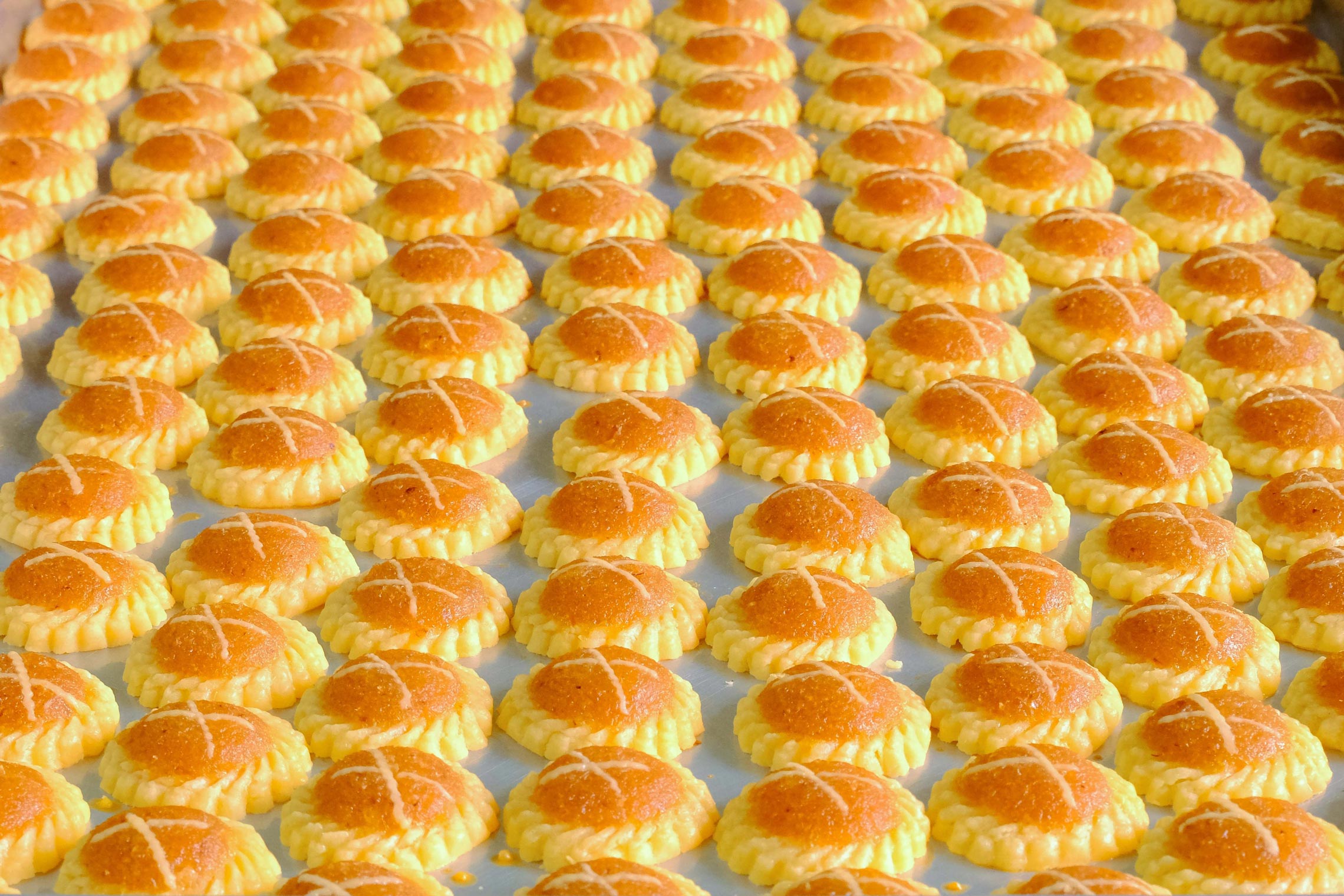
A walk through Singapore’s festive shops brings its cultural history into view, with beautifully wrapped boxes and tins turning familiar traditions into gifts to take home. Pineapple tarts rank among the most recognisable souvenirs from Singapore, rooted in Chinese New Year customs where pineapple holds auspicious associations, while golden pastry and tangy filling arrive in decorative tins that make the treat festive and giftable.

Traditional Singapore pineapple tarts, a popular souvenir from Singapore and a beloved gift during Lunar New Year

Traditional Singapore pineapple tarts, a popular souvenir from Singapore and a beloved gift during Lunar New Year

That heritage takes a bolder turn with durian candy, drawing on a fruit suited to Singapore’s warm, humid tropical climate. Durian has deep roots in Southeast Asia’s agricultural traditions, while its unmistakable aroma and rich sweetness evoke a flavour many locals recognise. Today, colourful packaging and individual wrappers turn this distinctive taste into a playful gift.

The Merlion brings Singapore’s history into a more enduring form, linking its modern identity with its earlier life as a fishing settlement. Introduced in 1964 as a tourism symbol, its lion head refers to Singapura while its fish body recalls Singapore’s maritime beginnings, with miniature versions presented in polished gift packaging for easy travel.

Nanyang kopi and tea make practical gifts

In Singapore, a cup of coffee holds history in its rich aroma. Nanyang kopi grew from early migrant and trading communities, with kopitiams becoming everyday meeting places where strong coffee, conversation and familiar routines came together. Its dark roast, smoky fragrance and full-bodied taste make it a practical gift with a distinctly local story.

Tea follows a gentler path, reflecting Chinese traditions alongside regional influences. Packaged blends preserve familiar aromas in a compact form, while sachets and tea bags fit easily among other belongings. For travellers deciding what to bring back from Singapore, kopi and tea capture local flavour in formats that travel easily and are simple to share.

Bak kwa needs careful packing

A box of bak kwa (Chinese-style savoury-sweet grilled meat) reveals Singapore’s festive side through glossy slices, smoky sweetness and presentation associated with Lunar New Year gifting. The tradition comes from southern Chinese communities, where grilled meat became part of New Year visits and exchanges between family and friends. For travellers, bak kwa makes distinctive souvenirs from Singapore with strong ties to these customs.

Because bak kwa is freshly grilled and tender, packaging matters once it leaves the shop. Vacuum-sealed portions protect the slices during transit and reduce exposure to air, while freshly cut pieces require greater care on longer journeys. Original sealed packaging remains safer, but travellers should check their destination’s regulations before carrying meat products across borders.

<H3> Choose dry goods when luggage space is limited

The final packing check comes with its own quiet drama, as each purchase finds its place and the remaining space grows precious, especially after days spent browsing Singapore’s shops and markets. Dry goods make this moment easier because their sturdy formats reduce the risk of mess, making them a sensible choice for travellers picking up souvenirs from Singapore close to departure.

Weight and shape still matter when carry-on space is limited, so slim packets and flat boxes sit more easily between personal belongings than bulky gift sets, while fragile purchases benefit from extra protection against pressure and movement. Before heading to the airport, travellers should also review baggage information when additional weight may be involved.

Singapore shopping malls with a personality of their own

Singapore shopping malls sit at the heart of everyday life across the island, giving locals places to meet friends, escape the heat, browse after work and spend unhurried afternoons. Their architecture, shops and familiar faces create a sense of belonging that varies from one neighbourhood to another, making mall culture an essential part of urban life.

Orchard Road combines luxury and everyday shopping

Once bordered by plantations and country estates, Orchard Road grew into a major shopping boulevard during the twentieth century, replacing its rural past with the dense urban corridor familiar today. The transformation mirrors Singapore’s shift from a colonial trading settlement towards a global commercial centre.

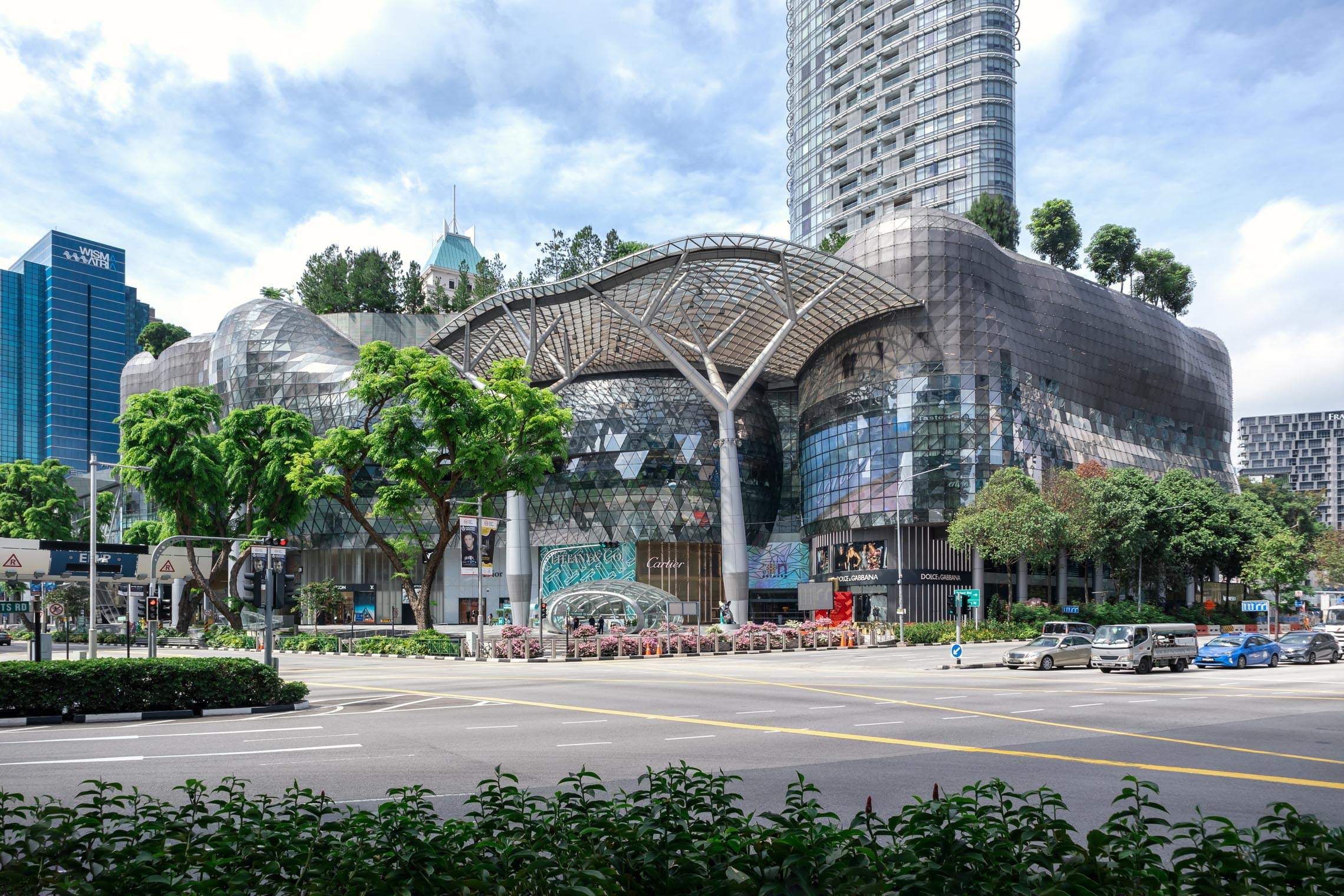
Glass-fronted retail spaces bring together international labels, beauty counters, department stores and lifestyle brands, while busy pavements connect shoppers moving between work, errands and leisure. For travellers browsing for a souvenir from Singapore, the district adds a distinctly urban setting to the search, with its scale and energy forming part of the experience.

Interior of a modern shopping mall in Singapore with retail stores, shoppers, and a variety of souvenirs from Singapore

Interior of a modern shopping mall in Singapore with retail stores, shoppers, and a variety of souvenirs from Singapore

Shopping in Little India stays lively around the clock

As the lights come on across Little India, temple bells mingle with the scent of incense, while colourful façades reflect generations of Indian heritage in Singapore. A 24-hour shopping centre extends this atmosphere indoors, where shelves reveal regional ingredients, festive decorations, Indian sweets and everyday provisions rarely found together elsewhere on the island.

When considering what to bring back from Singapore, Little India points towards fragrant spice blends, pantry staples and colourful goods associated with Indian celebrations. Open 24 hours, the shopping centre invites a late-night browse while the surrounding streets remain animated and discoveries feel less hurried.

Bugis brings affordable fashion and youthful finds

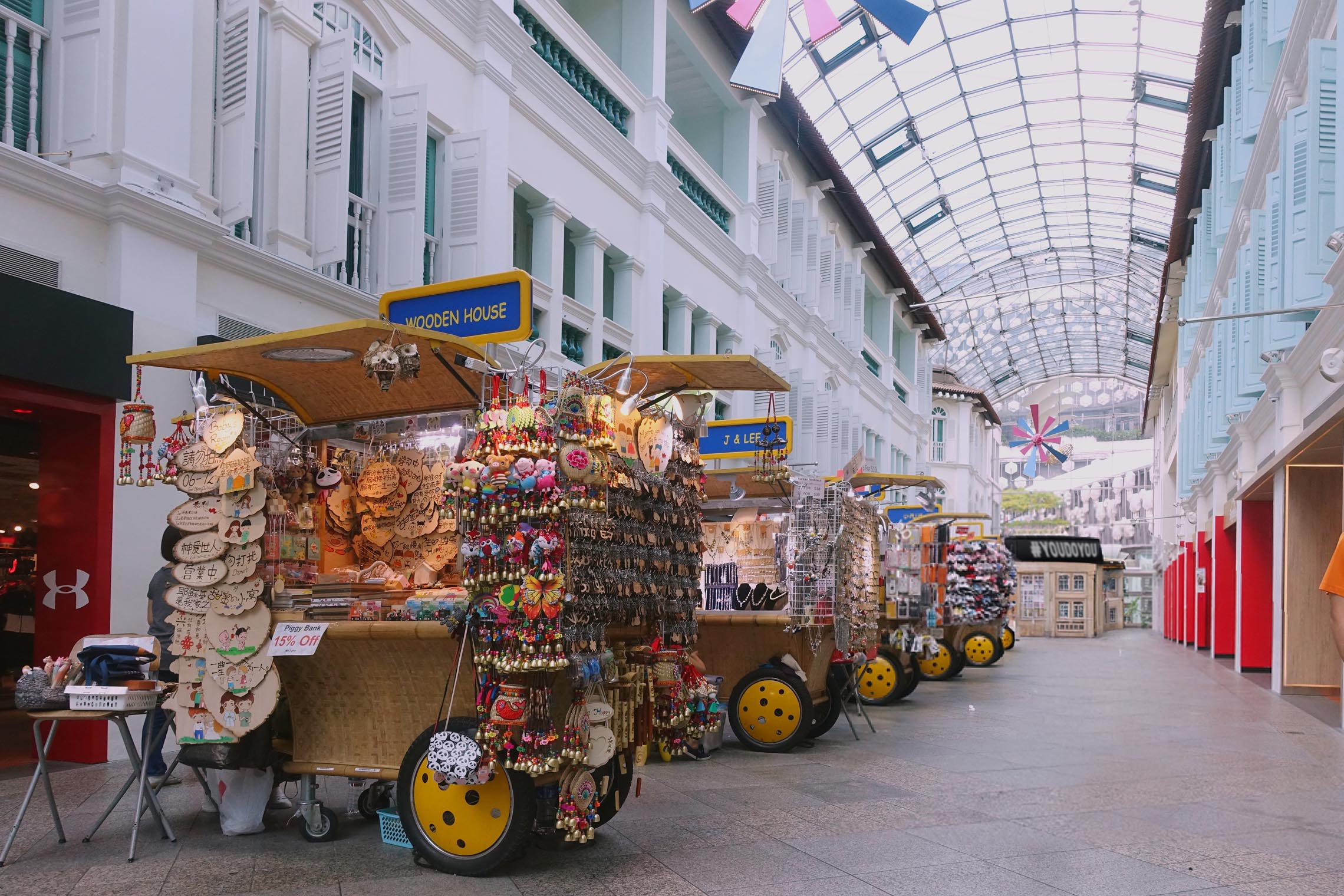
Neon signs, busy shopfronts and streams of pedestrians give Bugis a distinctly youthful energy, with the district’s trading past still visible beneath its modern streetscape. Its long connection to commerce has evolved into a lively shopping quarter where independent stalls, local brands, covered walkways and larger retail spaces sit close together.

The search for Singapore souvenirs here leans towards the playful and contemporary, with quirky stationery, character goods, colourful accessories and small design-led finds reflecting younger tastes. Local labels add another layer, introducing Singapore-made designs and ideas, while air-conditioned interiors open onto bustling street-level shops throughout the district.

Tourists exploring and shopping along Bugis Street in Singapore, a lively destination for finding a souvenir from Singapore

Tourists exploring and shopping along Bugis Street in Singapore, a lively destination for finding a souvenir from Singapore

By the time the suitcase is zipped shut, the collection may look modest, yet the souvenirs from Singapore hold a trace of the streets, encounters and moments that made the journey meaningful, giving everyday objects a place within the story of the trip.

Quick information

Frequently Asked Questions

Yes. International visitors can claim a GST refund on eligible purchases from participating retailers under Singapore’s Tourist Refund Scheme. You must spend at least SGD 100 (including GST), show your passport when purchasing, and claim the refund at an eTRS kiosk at Changi or Seletar Airport before departure.

Vacuum-sealed bak kwa can typically last about 1 month at room temperature, while refrigeration may extend it to up to 3 months, depending on the brand. Once opened, consume it within 3 – 5 days; for travel, keep it sealed, cool, and follow the package’s expiry date.

Bargaining is generally not accepted in malls or fixed-price stores. At markets such as Bugis Street, however, politely asking for a 10 – 20% discount may work, especially when buying several items. Always negotiate respectfully and remember that many shops have non-negotiable prices.

Offers from Vietnam Airlines

Promotion List
Sorry, there are currently no promo codes matching the selected criteria!
Please search again with different criteria
Filters

Loading