

Select region and language



Vietnam Airlines proactively builds carbon resources toward green aviation.
From investing in a next-generation fleet and promoting the use of sustainable aviation fuel (SAF) to forest restoration and exploring carbon credit investments, Vietnam Airlines is steadily building a comprehensive emissions reduction strategy—proactively preparing resources to comply with CORSIA and achieve its Net Zero target.
Combining Emissions Reduction and Carbon Offsetting
Amid mounting green transition pressures in the aviation industry, Vietnam Airlines is synchronously implementing multiple solutions to reduce greenhouse gas emissions from its flight operations.
The focal point is investing in a next-generation fleet equipped with advanced technology, aiming to cut CO₂ emissions by up to 20% by 2035, while accelerating its sustainable aviation fuel (SAF) roadmap and enhancing operational efficiency and fuel savings.
Alongside reducing emissions at the source, the airline is exploring carbon offsetting options through purchasing or investing in carbon credits from domestic and international projects. This approach helps diversify credit supply while opening up opportunities for the carrier to participate more deeply in the carbon market.
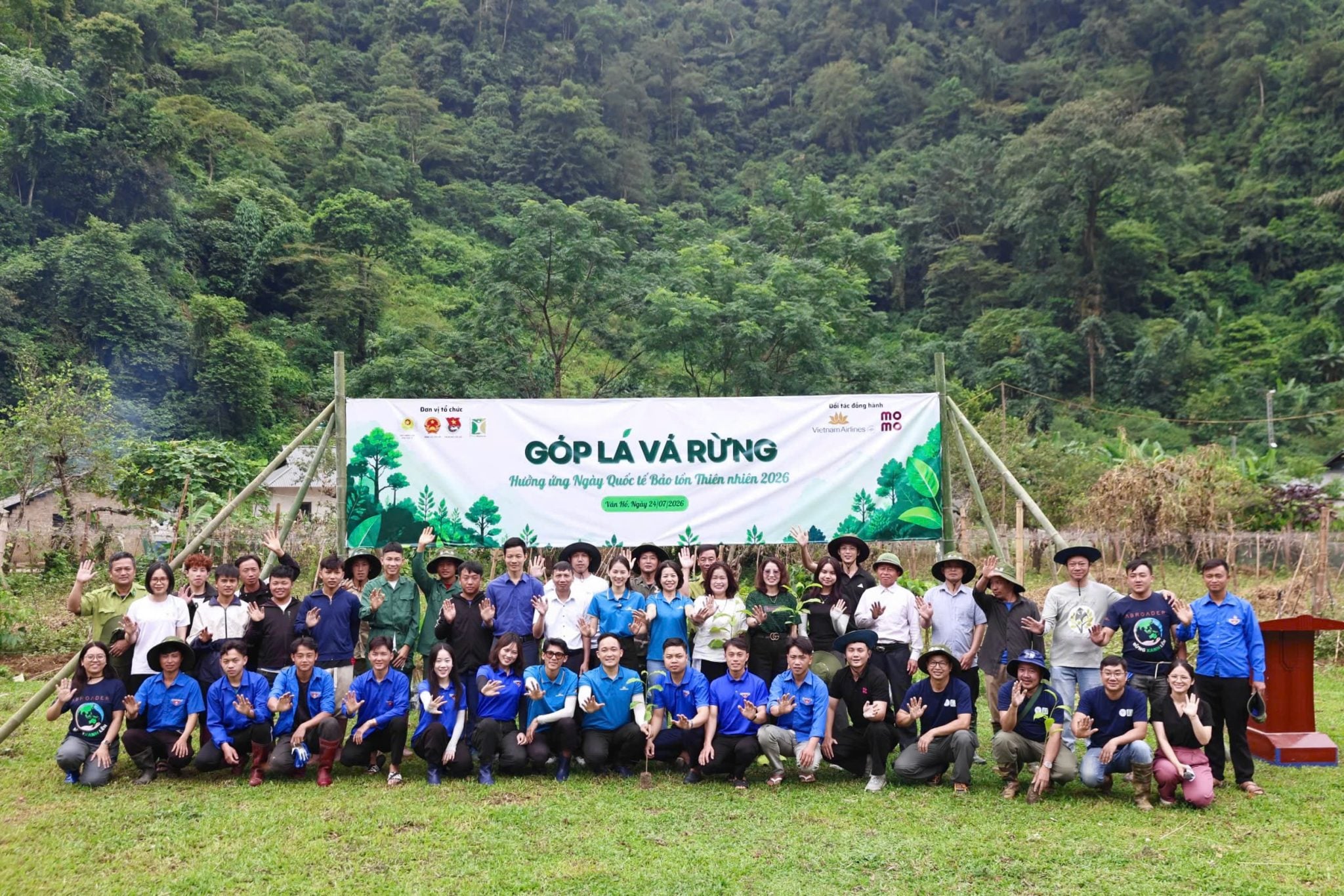
According to information shared at a workshop on sustainable development in aviation operations, Vietnam currently has nearly 100 carbon credit generation projects under implementation that have yet to receive certification. Among these, forest carbon projects in the Central Highlands and South Central Coast hold notable potential.
For Vietnam Airlines, exploring access to domestic projects not only helps secure credit supplies for offsetting needs but also contributes to promoting models for the conservation and restoration of natural resources.
However, to be recognized and utilized, carbon credits must fully meet regulatory standards regarding measurement, monitoring, validation, and verification. Not every restored forest area automatically generates carbon credits eligible for trading or offsetting.
Proactively Preparing Carbon Credit Supplies to Meet CORSIA Requirements
Starting January 1, 2026, Vietnam entered the voluntary phase of the Carbon Offsetting and Reduction Scheme for International Aviation (CORSIA), an initiative launched by the International Civil Aviation Organization (ICAO). This is a pivotal mechanism that establishes emissions monitoring, reporting, and offsetting requirements for airlines falling within its scope.
In preparation, Vietnam Airlines is exploring pathways to access carbon credits that comply with international standards. In overseas markets, the airline can conduct transactions via the Aviation Carbon Exchange (ACE) operated by the International Air Transport Association (IATA).
For the domestic market, developing forest carbon projects alongside other emissions reduction initiatives is viewed as a promising resource pool that warrants further research and evaluation.

At the international workshop “Global and Vietnam Carbon Market Orientations,” Ms. Ha Thi Thu Hang, Deputy Director of the Corporate Planning and Development Department and Head of the Secretariat of the Sustainability Steering Committee at Vietnam Airlines, delivered a presentation on the airline’s sustainable development orientation.
Updates regarding the four types of eligible carbon credits for Phase 2 of CORSIA (2027–2029) serve as a crucial foundation for Vietnam Airlines to proactively select and prepare high-quality credit supplies to fulfill its upcoming compliance obligations.
Completing the Legal Framework, Expanding Opportunities for Businesses
Alongside corporate efforts, the domestic carbon market policy framework is gradually being finalized. Decree No. 396/2026/ND-CP, recently issued by the Government and taking effect on December 12, 2026, decentralizes the authority to grant accounts on the National Registry System for greenhouse gas emission quotas and carbon credits across specific entity groups.
Notably, the Decree clarifies the role of Chairpersons of provincial People's Committees in granting accounts for certain project categories, stipulates a processing timeframe of 5 working days for cases under Point c, Clause 1, Article 20a, and supplements regulations on procedures for registering, amending, and deregistering forest carbon projects as well as issuing forest carbon credits under the domestic exchange and offsetting mechanism.
These adjustments help clarify the regulatory process, creating a more favorable basis for businesses to access and participate in developing carbon projects.
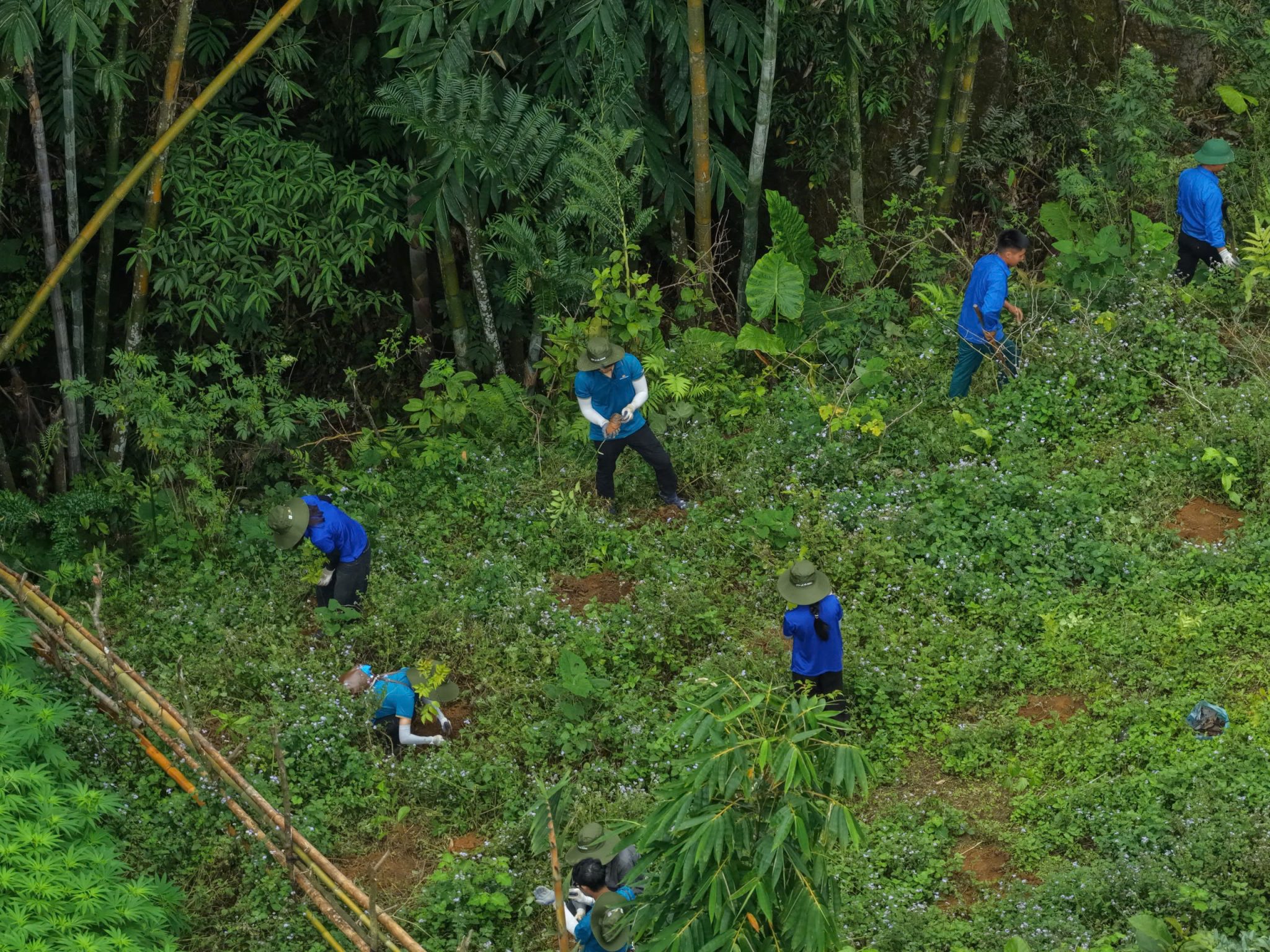
Based on practical implementation, Vietnam Airlines recommends that the State continue perfecting financial mechanisms and incentive policies for investments in new technologies, sustainable aviation fuel (SAF), and fuel-saving solutions, while promptly finalizing the legal framework for domestic carbon credit management and trading to ensure alignment with international practices and CORSIA requirements.
The airline will continue collaborating with regulatory authorities and partners to access and expand its supply of high-quality carbon credits, serving its CORSIA compliance goals and contributing to national emissions reduction targets.
From innovating flight operations technology to restoring forests and developing carbon credit resources, Vietnam Airlines is progressively integrating environmental solutions into a unified, long-term strategy.
The forests restored today not only deliver ecological value but can also become future carbon assets, helping lay the foundation for the sustainable development of the aviation industry.
TIN LIÊN QUAN
Note:  Link opens in new window. Site may not meet accessibility guidelines.







© 2025 Vietnam Airlines JSC
Contact Center for calls within Vietnam (24/7): 1900 1100
For Lotusmiles members: 1900 1800
For calls from outside Vietnam (24/7): +84 24 38320320
Email: Telesales@vietnamairlines.com
Certificate of Business Registration - No.: 0100107518, Initial registration made on 30 June 2010, the 10th registration of changes made on 24 July 2025.




You are about to leave Vietnamairlines.com

You will be redirected to a website that is not owned by Vietnamairlines and is not within our control. The site may not follow the same accesibility polices as Vietnam Airlines.
Would you like to continue?
Would you like to continue?
Notice

According to regulations of the Ministry of Finance, E-VAT invoices are only issued for payment in VND. In case of paying by other currency, please change website country/region.