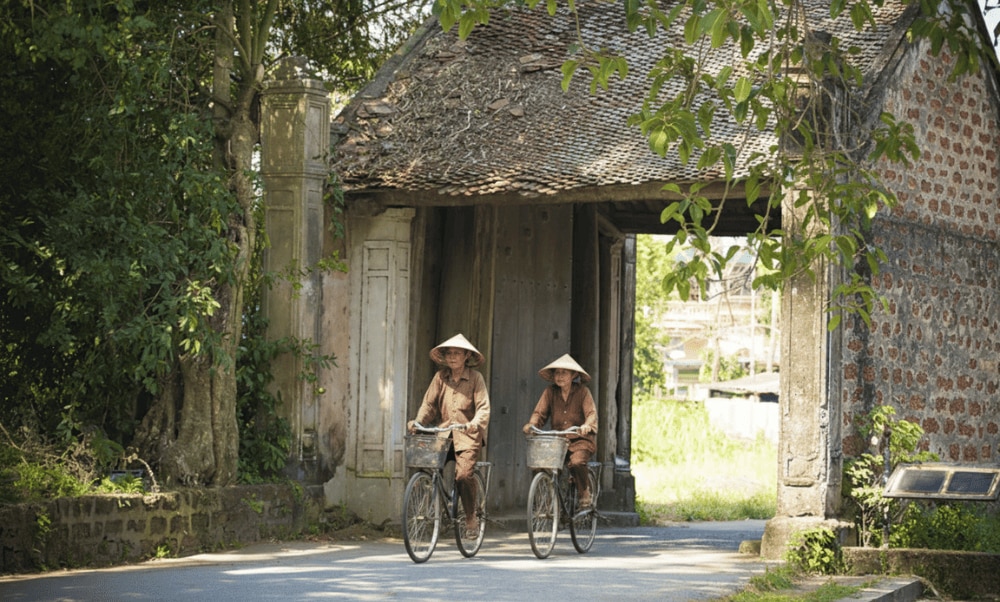
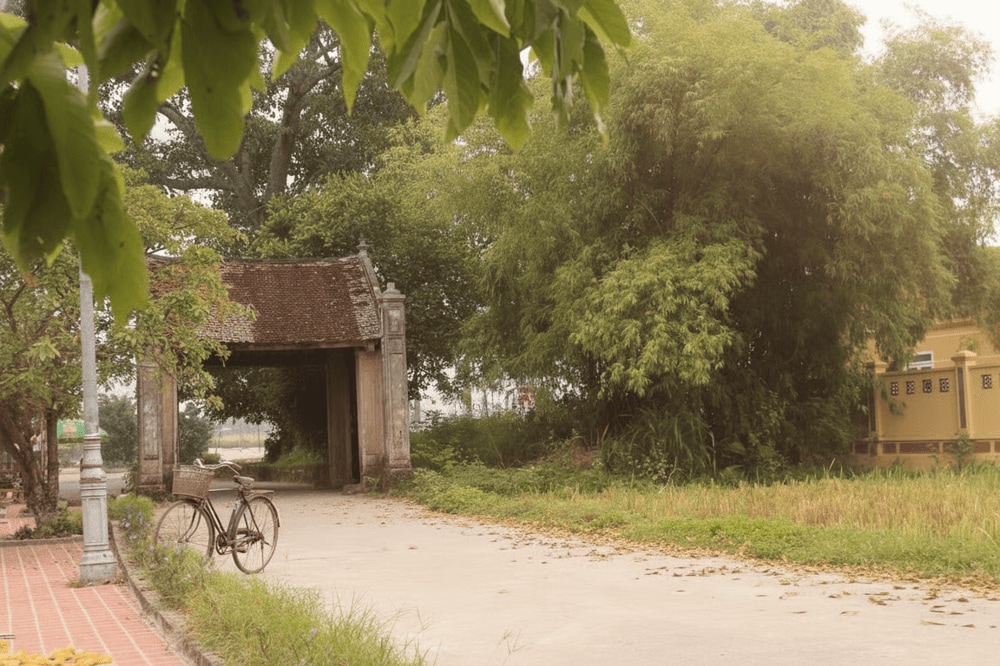
Motorbikes are perfect for adventurers who enjoy scenic countryside routes
2.3. By Public Bus
For budget-conscious travelers, taking a public bus is the cheapest and safest option. The fare costs around 20,000 - 30,000 VND (USD 1 - USD 1.5). You can take:
- Bus 70A (Kim Ma – Son Tay)
- Bus 71 (My Dinh – Son Tay)
- Bus 77 (Ha Dong – Son Tay)
These buses will drop you off at Son Tay Bus Station, where you can take a short motorbike taxi (20,000 - 50,000 VND) (USD 1 - USD 2) to the village.
If you prefer a more structured visit, consider hiring a local guide upon arrival to gain deeper insights into Duong Lam’s history and culture.
3. What to Explore in Duong Lam Ancient Village?
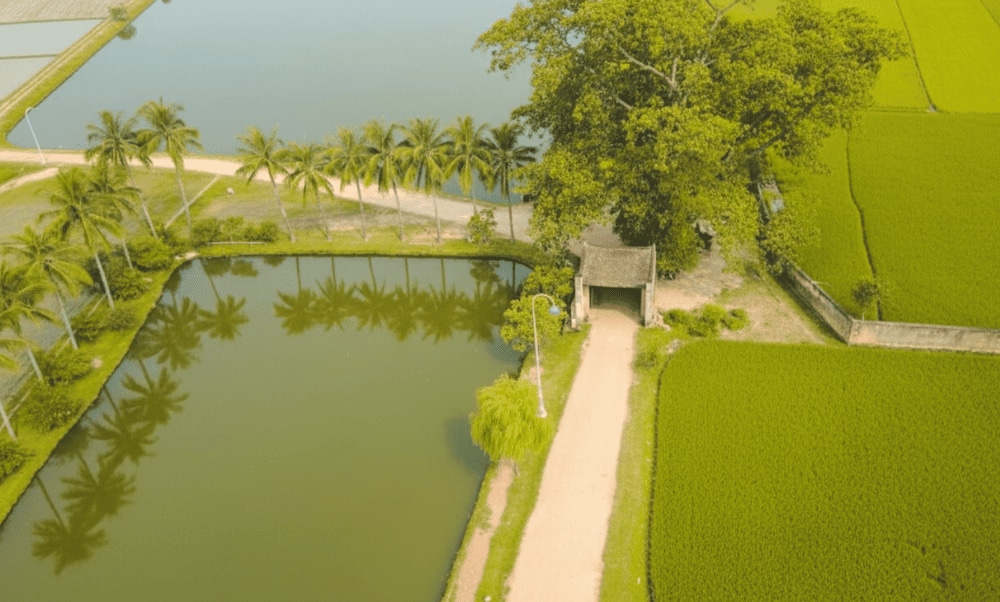
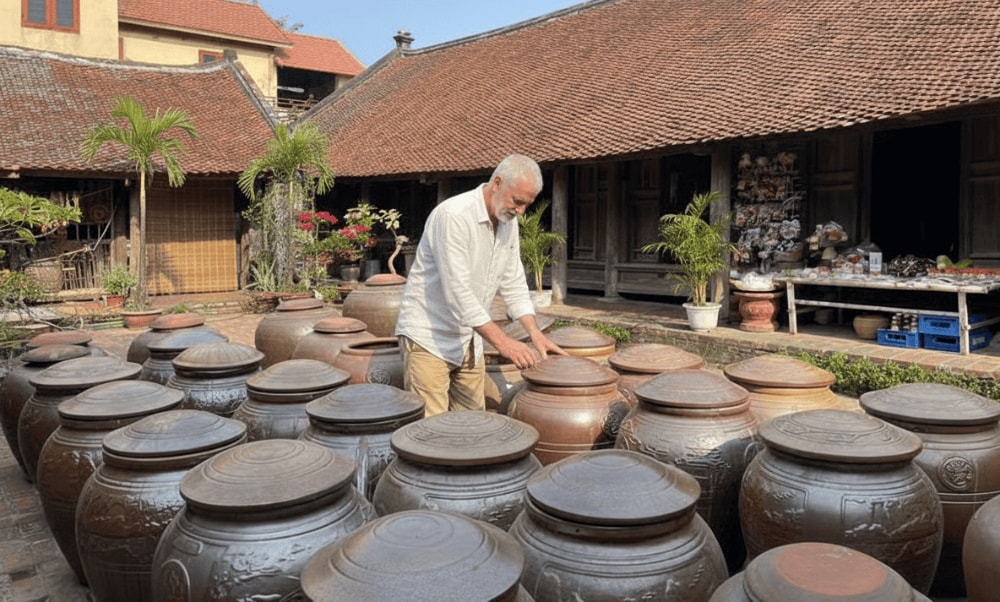
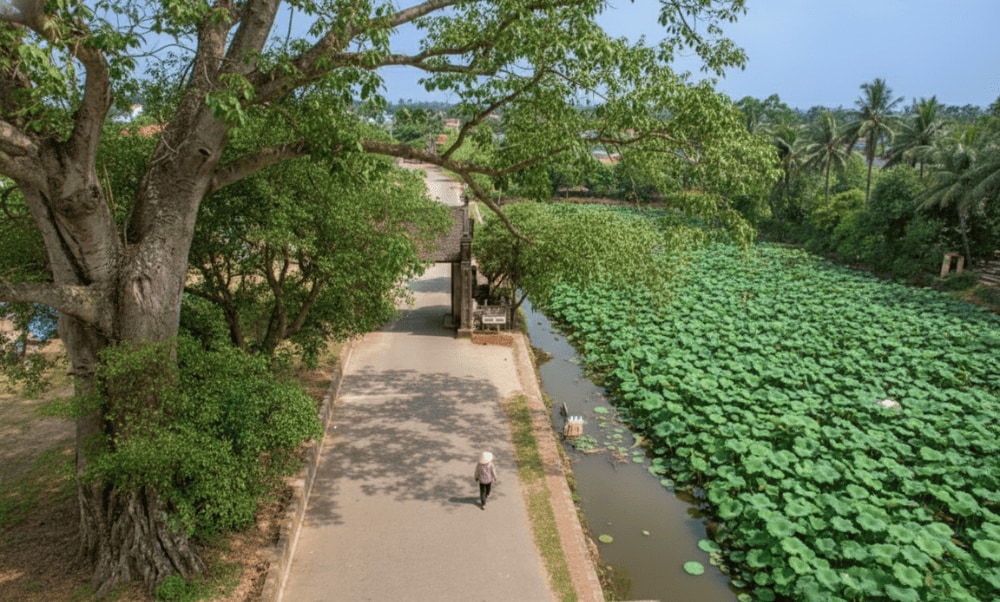
Duong Lam Ancient Village is a living museum showcasing centuries-old architecture, historical landmarks, and rich cultural traditions. From ancient houses and communal halls to temples and serene pagodas, each corner of the village tells a unique story.
3.1. Over 900 Ancient Houses
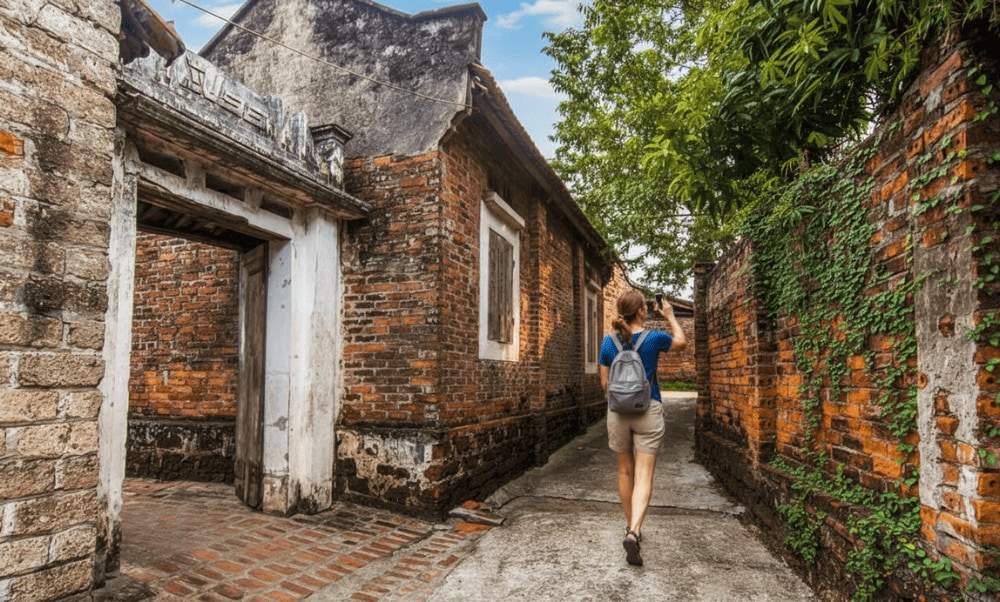
Duong Lam is home to over 900 ancient houses, many dating back more than 300 - 400 years. Built primarily from laterite bricks, these houses feature wooden pillars, clay-tiled roofs, and airy courtyards, reflecting the architectural style of Vietnam’s northern countryside. Some notable houses to visit include:
- Mr. Hung’s House - Over 400 years old, this well-preserved home is an excellent example of traditional wooden architecture.
- Mr. Huyen’s House - Offers insight into the daily life and culture of Vietnamese rural families.
- Mr. Lam’s House - A must-see for its authentic wooden interiors and charming antique furniture
- Mr. The’s House - Over 300 years old, this historic home has been home to 13 generations and remains a timeless symbol of the village’s heritage.
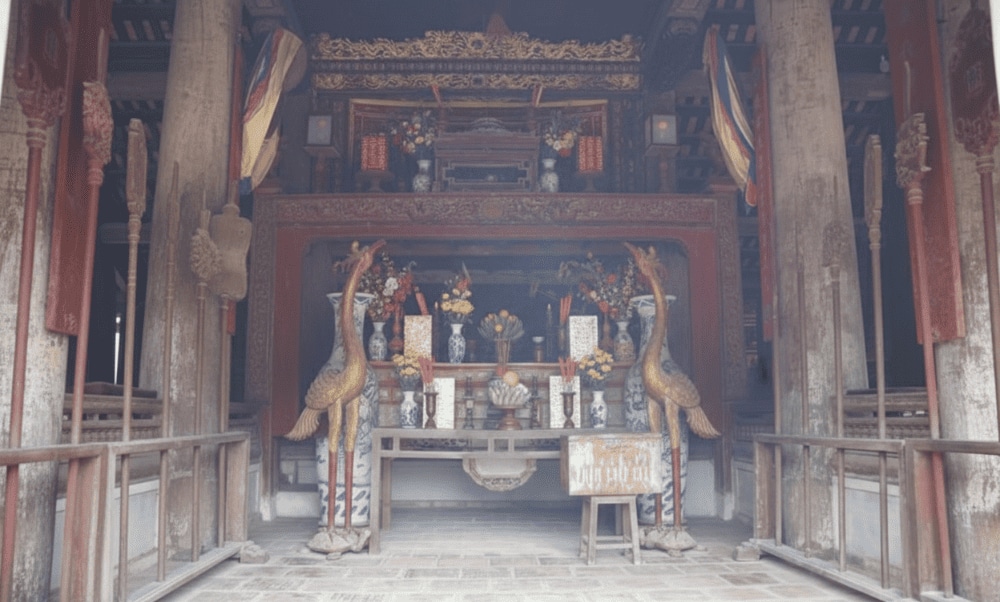
3.2. Mong Phu Communal House
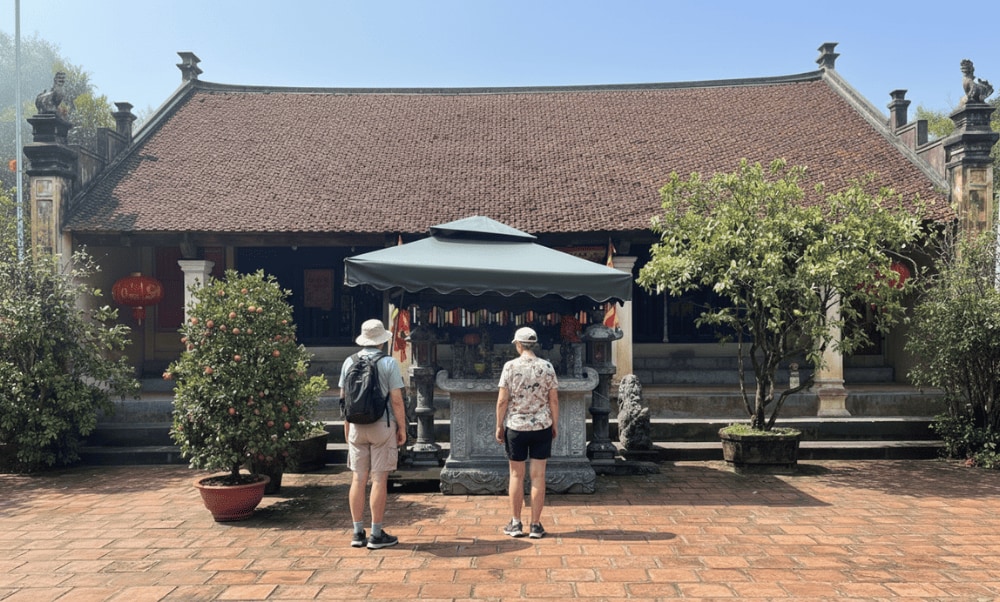
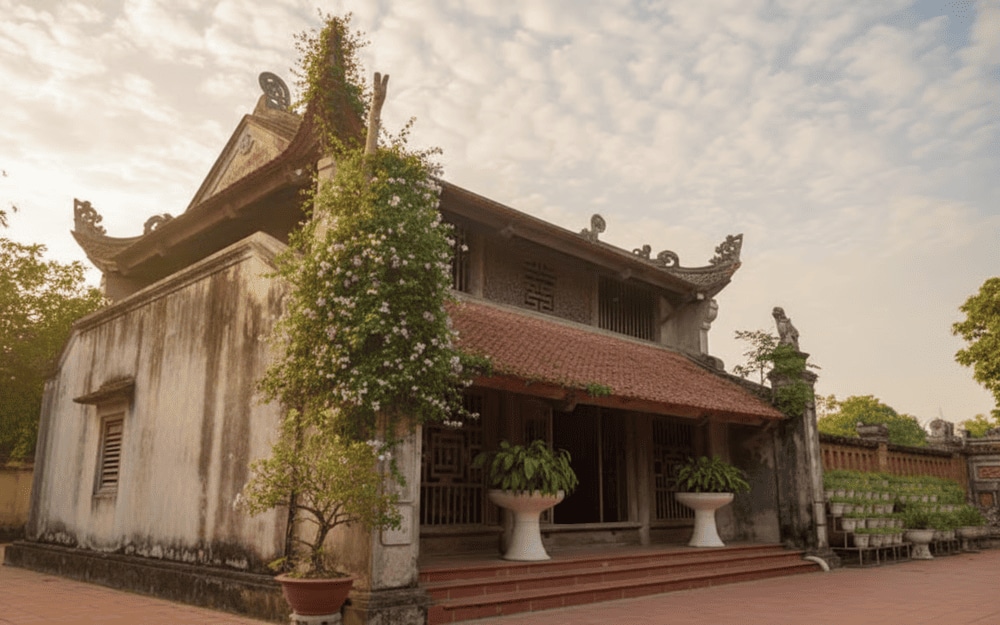
At the heart of Duong Lam lies Mong Phu Communal House, an important spiritual and cultural landmark built in the 17th century. The structure features a grand wooden roof, intricate carvings, and an open courtyard, where locals once gathered for meetings, religious ceremonies, and village festivals. Today, it remains a symbol of community pride and a place for worshiping the village’s tutelary god.