Experience the best trekking in Sapa with knowledgeable ethnic minority guides who share traditional stories, and intimate knowledge of mountain trails (Source: Pexels)
Example Tour Experience: A typical 2-day trekking adventure might begin with a morning departure from Sapa town, guided by a local H'mong woman who shares stories about traditional farming techniques and local legends. The route passes through Cat Cat Village, continues along rice terrace paths to Lao Chai Village for lunch, and concludes with an overnight homestay in Ta Van Village. Activities include traditional cooking classes, textile weaving demonstrations, and evening cultural performances. Additional services often include porter services, traditional meals, and cultural ceremony participation.
9. FAQs about Traveling to Sapa
9.1. How to get to Sapa from Hanoi?
Here are the main transportation options from Hanoi to Sapa, along with estimated travel times and costs:
- By Train: Take an overnight train from Hanoi to Lao Cai Station (8 - 9 hours), then continue by service bus to Sapa (1 hour). Ticket prices range from VND 250,000 - VND 750,000 (USD 10 - USD 30) depending on seat or sleeper class.
- By Bus: Sleeper or limousine buses depart daily from Hanoi (Old Quarter, My Dinh, Gia Lam), reaching Sapa in about 5 - 6 hours. Prices are around VND 250,000 - VND 450,000 (USD 10 - USD 18) per ticket.
- By Private Car: A comfortable and flexible option for families or groups, taking about 5 hours via the Hanoi - Lao Cai Expressway. Cost ranges from VND 3,000,000 - VND 4,000,000 (USD 120 - USD 180) per trip.
- By Motorbike: Ideal for adventurous travelers. The scenic route takes 8 - 10 hours depending on stops and weather. Rental fees are around VND 150,000 - VND 300,000 (USD 6 - USD 12) per day.
9.2. Is Sapa suitable for solo or family travel?
Sapa accommodates both solo travelers and families excellently. Solo travelers can easily join group tours or hire local guides, while families will find numerous child-friendly activities, comfortable accommodations, and shorter trekking options suitable for all ages.
9.3. Are English-speaking guides available?
Yes, many local guides speak basic English, and professional English-speaking guides are available through tour operators. Most ethnic minority guides combine English with their native languages, providing authentic cultural exchanges alongside practical guidance.
9.4. Can I visit Sapa on a day trip from Hanoi?
While possible, a day trip from Hanoi is not recommended due to the 5 - 6 hour travel time each way. A minimum of 2 - 3 days allows proper exploration of the main attractions and cultural experiences that make Sapa special.
9.5. When is the best time to go to Sapa?
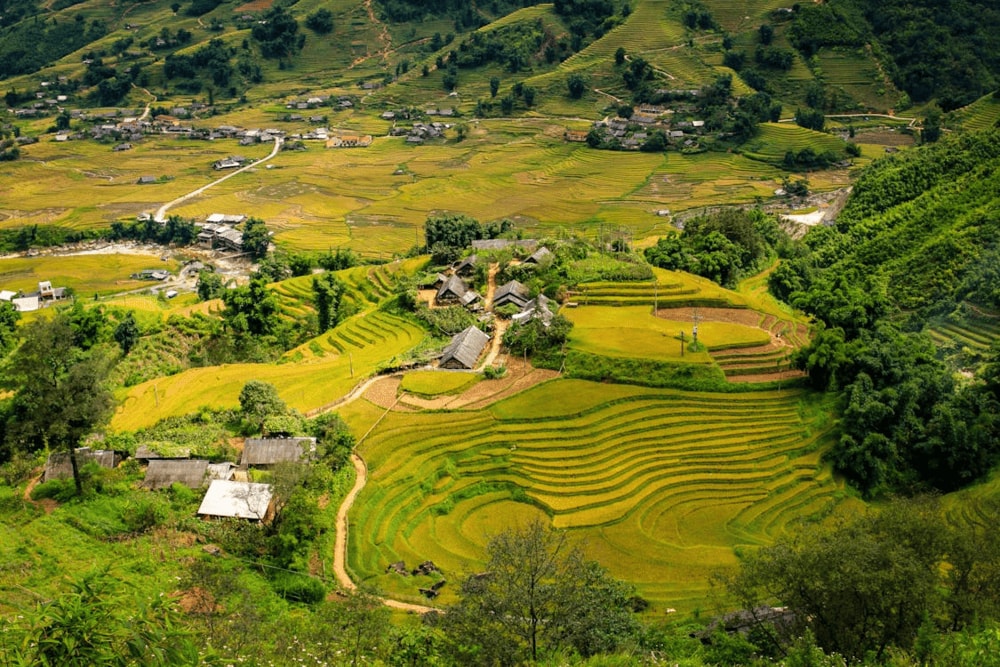
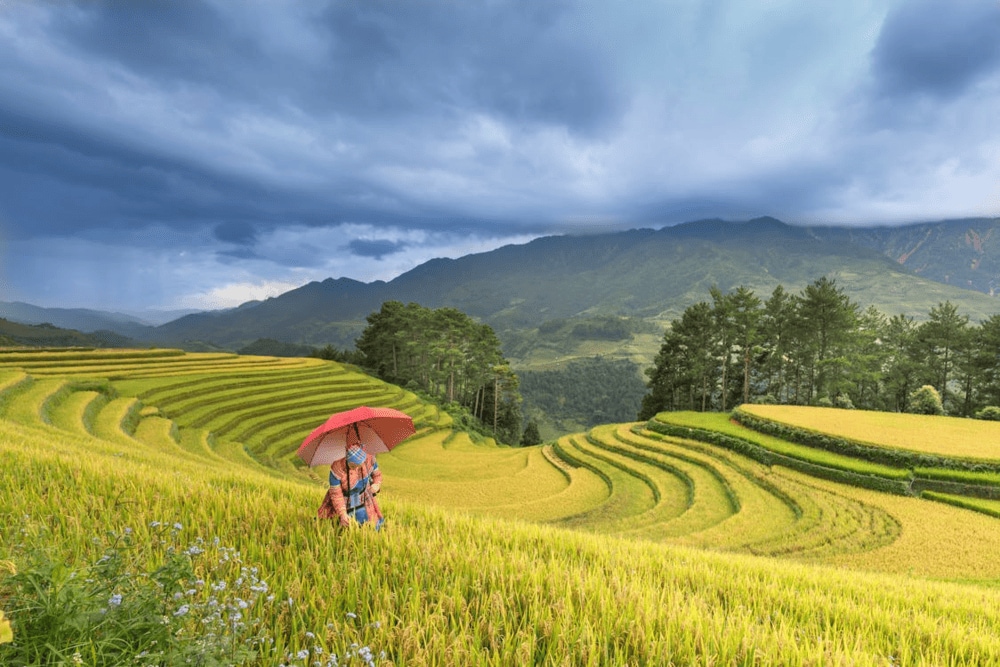
September to October offers golden rice terraces, while March to May provides comfortable temperatures and blooming flowers. Winter months can be cold and foggy, though they offer unique atmospheric experiences.
9.6. What should you prepare when going to Sapa?
Essential items include warm clothing (temperatures can drop to 0°C in winter), waterproof gear, comfortable hiking shoes, sun protection, and personal medications. Don't forget cameras for capturing the stunning landscapes and cultural experiences.
Sapa offers travelers a raw, unfiltered experience of Vietnam's mountainous beauty and authentic ethnic cultures. From conquering Fansipan's summit to immersing yourself in traditional village life, the things to do in Sapa create memories that last a lifetime. This highland destination provides the perfect blend of adventure, cultural discovery, and natural wonder that makes it truly worth exploring. For more insider tips on exploring other beautiful lands in Vietnam, visit the Vietnam Airlines website.







 Link opens in new window. Site may not meet accessibility guidelines.