
1. Overview of Durian in Vietnam
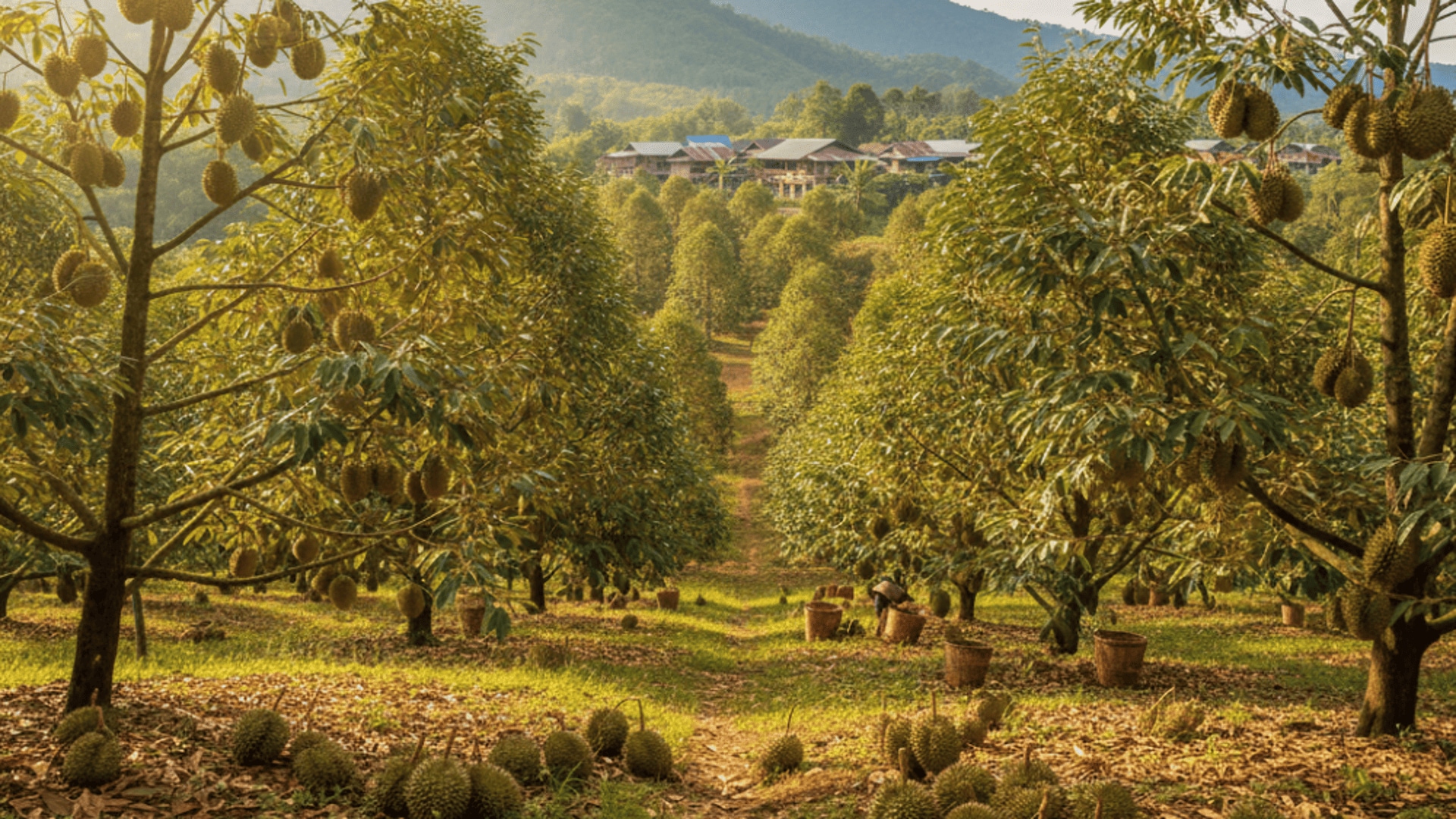
Durian, affectionately known in Vietnamese as sầu riêng, thrives in Vietnam’s tropical climate and has developed a rich cultural identity across generations. Its cultivation dates back centuries in the Mekong Delta and Central Highlands, where local farmers perfected both traditional and hybrid varieties. Understanding “durian in Vietnam” means appreciating not just its distinctive aroma and taste but also its deep connection to rural life, harvest festivals, and regional pride.
1.1. The History and Cultural Significance of Durian in Vietnam
Vietnamese durian has roots that trace back to Cham cultivation, with mentions by early explorers such as Nicolo de’ Conti in the 15th century. Over time, the fruit has become deeply woven into local traditions, celebrated during harvest festivals, symbolizing abundance, yet also shrouded in playful taboos like not mixing it with alcohol due to digestive concerns.
1.2. Durian Growing Regions in Vietnam
The most prominent durian-producing provinces are Tien Giang, Ben Tre, Dong Nai, Dak Lak, and Lam Dong. These areas benefit from fertile, water-rich soils and tropical conditions. Durian season generally spans May to September, with lowland harvests peaking in June and highland varieties maturing later in August or September.
1.3. Famous Vietnamese Durian Varieties
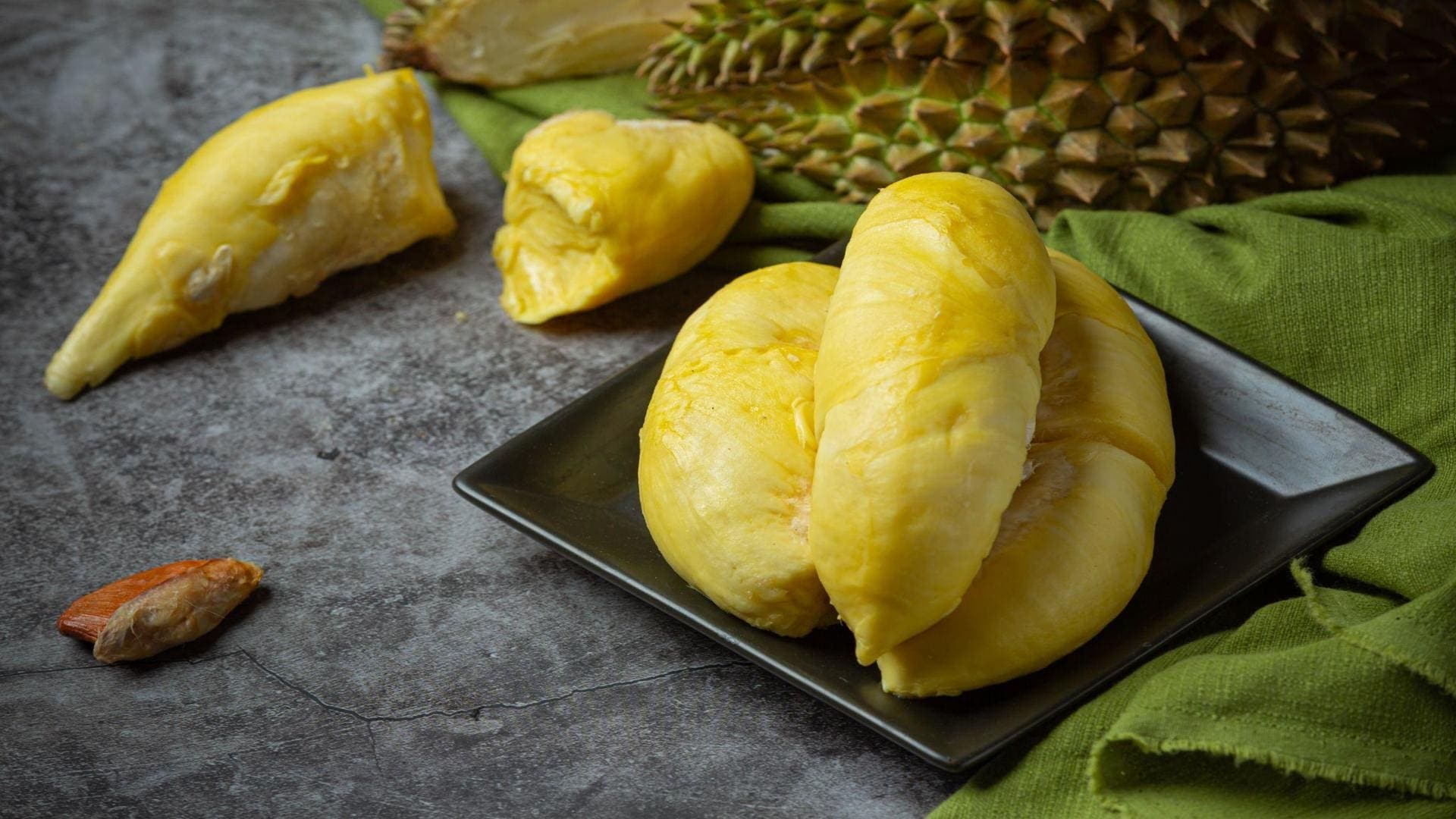
- Ri6: Originating from southern Vietnam, this beloved local cultivar is praised for its creamy texture, intense aroma, small seeds, and rich buttery-sweet flavor.
- Monthong: A renowned Thai variety now cultivated locally since the 1990s, known for its thick, sweet flesh, mild aroma, and excellent yield.
- Dona: A high-quality hybrid, essentially Thai Monthong grafted onto Vietnamese rootstock, noted for being slightly sweeter and tailored to local soils.
 Link opens in new window. Site may not meet accessibility guidelines.