Map of Ba Dinh District
Ba Dinh District is bordered by:
- To the north: Tay Ho District
- To the east: Red River
- To the south: Dong Da District
- To the southeast: Hoan Kiem District
- To the west: Cau Giay District
Ba Dinh is considered one of the most important and dynamic districts of Hanoi. It holds great political, historical, and cultural significance.
- National political and administrative center: Ba Dinh houses key government institutions such as the Presidential Palace, National Assembly, Government Office, and the Central Committee of the Communist Party of Vietnam.
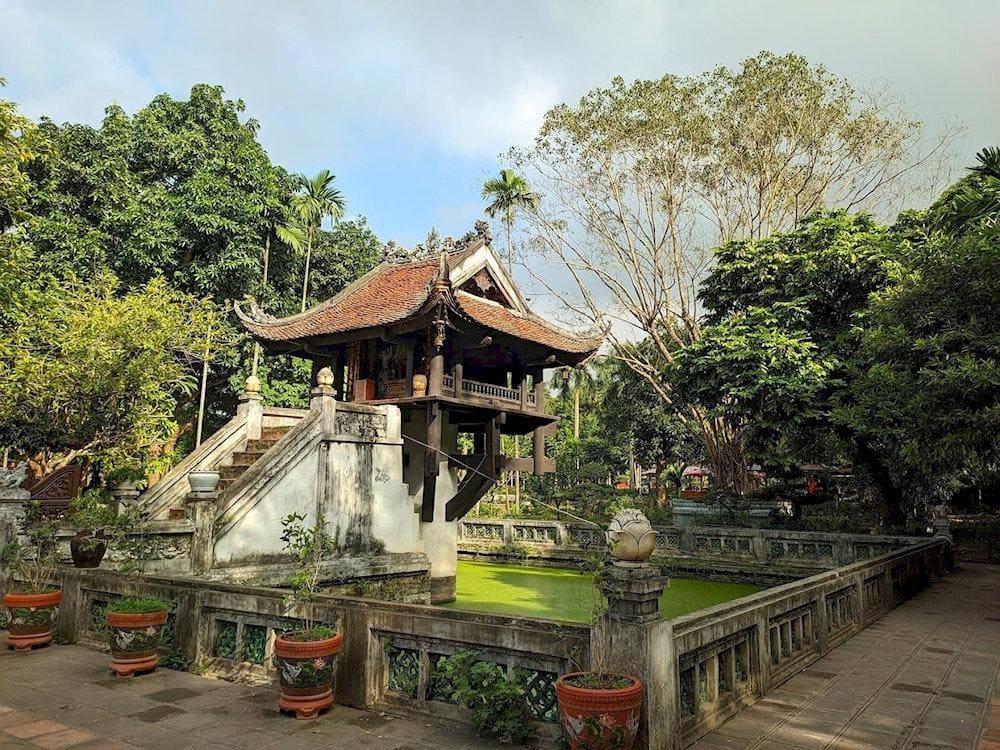
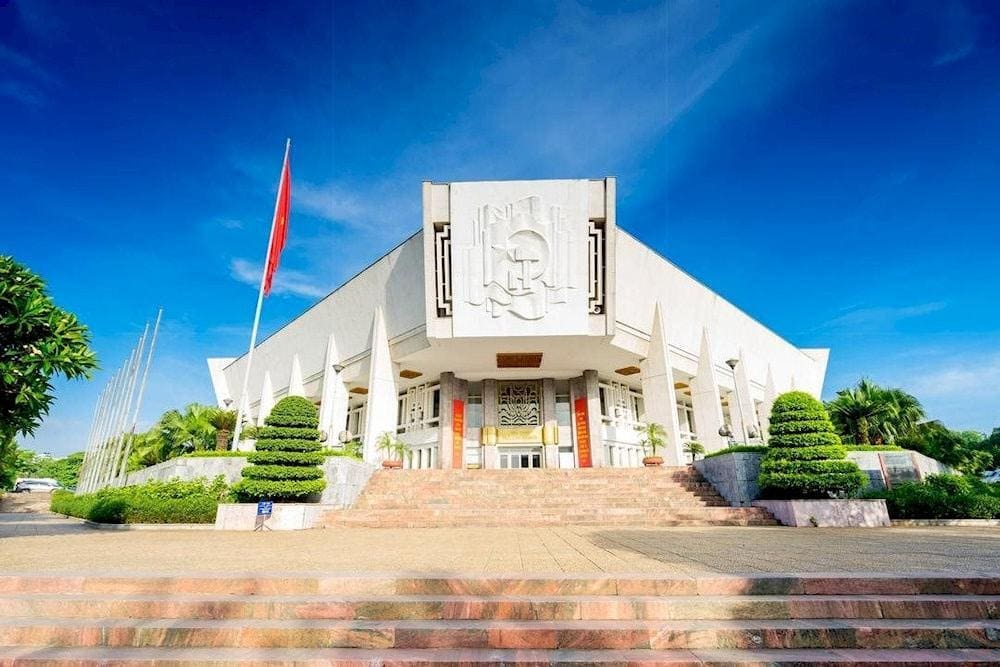
- Historical and cultural value: The district owns many famous historical sites including the Ho Chi Minh Mausoleum, One Pillar Pagoda, the Imperial Citadel of Thang Long, and Bac Son relic site.
- French and Vietnamese architectural blend: This area is notable for its many French-style villas and historically valuable buildings.
- Rapid economic growth: In recent years, Ba Dinh has been recognized as one of Hanoi’s fastest-growing districts in terms of Gross Regional Domestic Product (GRDP), with strong contributions from services, administration, and commerce.
2. How To Get To Ba Dinh District
Ba Dinh District is one of the central districts of Hanoi, making it easily accessible from various parts of the city.
Transportation Options:
- Bus routes: Several bus lines run through Ba Dinh District, including routes 09, 14, 22, 32, 33, and 45, connecting it with other key areas of Hanoi.
- Metro lies: The Hanoi Metro is expanding, with Line 2A (Cat Linh – Ha Dong) passing near Ba Dinh. Future metro lines will further improve access to the district.
Directions
- From Hoan Kiem Lake: Ba Dinh is located just northwest of Hoan Kiem Lake, approximately 2-3km away. You can take a short taxi ride, bike, or catch buses that head north and west from the Old Quarter area. Walking is also possible and takes about 30 minutes.
- From other locations in Hanoi: Ba Dinh is well-connected via major roads and public transportation. Whether coming from the airport, train station, or other districts like Tay Ho or Cau Giay, you can easily reach Ba Dinh by taxi, bus, or metro.
3. 10 Iconic Places to Explore in Ba Dinh District
When considering what to do in Hanoi, Ba Dinh District stands out as an essential destination offering a perfect blend of historical landmarks, cultural sites, and authentic experiences. Here are the top 10 iconic places to explore:
3.1. Ho Chi Minh Mausoleum
- Address: No. 01 Hung Vuong Street, Dien Bien Ward
- Opening Hours:
- Summer & Fall (April 1 – October 31): Tuesday to Thursday and Saturday to Sunday, from 7:30 AM to 10:30 AM.
- Winter & Spring (November 1 – March 31): Tuesday to Thursday and Saturday to Sunday, from 8:00 AM to 11:00 AM.
- Extended Hours: On Saturdays, Sundays, and public holidays, visiting hours are extended by 30 minutes.
- Closed: Mondays and Fridays; also closed annually for maintenance, typically from September to November.
The Ho Chi Minh Mausoleum is the final resting place of President Ho Chi Minh, the founding father of modern Vietnam. It stands as a symbol of national pride and a testament to the country's revolutionary history. The mausoleum was constructed between 1973 and 1975, inspired by Lenin's Mausoleum in Moscow, yet incorporating distinct Vietnamese architectural elements.















 Link opens in new window. Site may not meet accessibility guidelines.