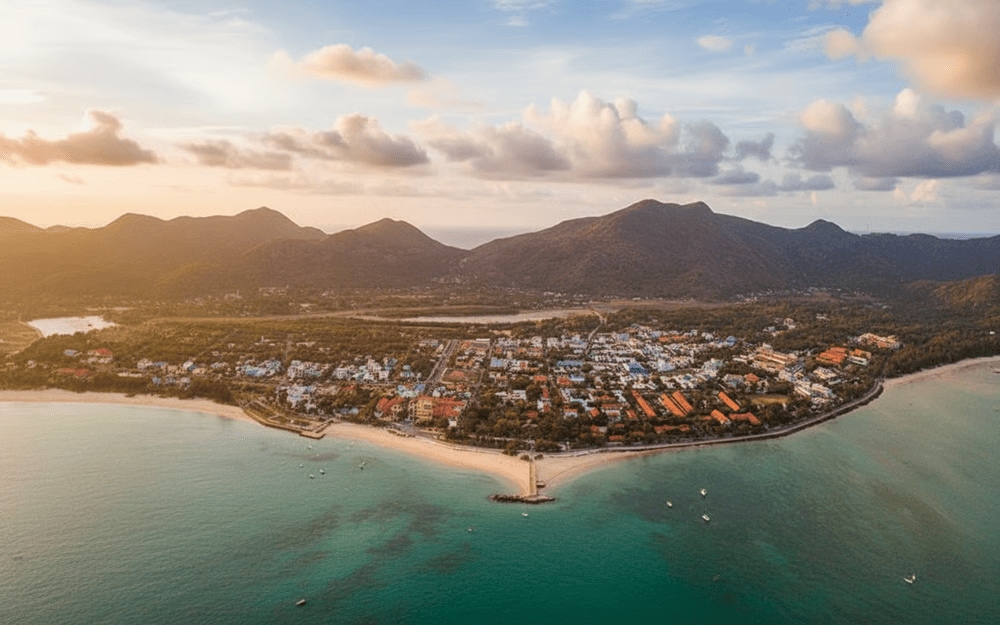
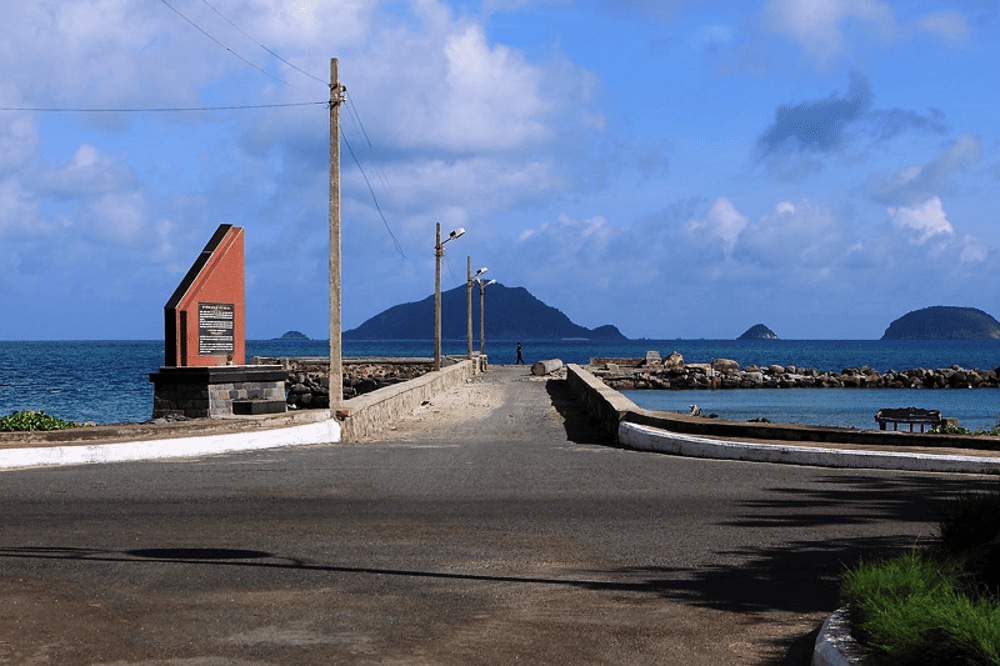
- Kunlun or Con Son, Phu Hai, 51.52km² - The center of Con Dao with historical relics and pristine beaches.
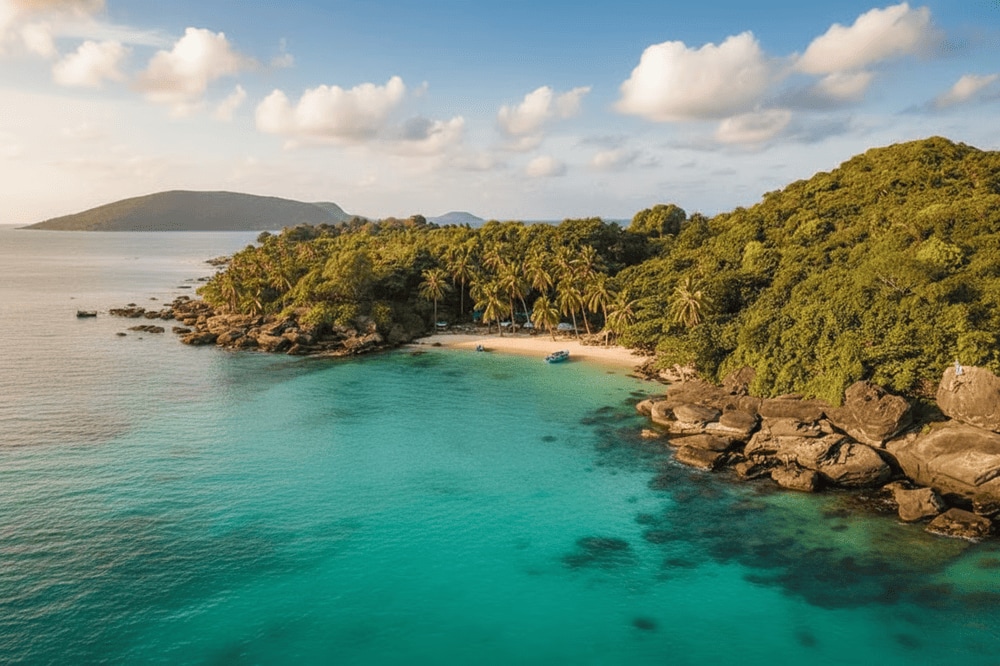
- Small Con Lon Island, or Hon Ba, Phu Son, 5.45km² - Outstanding with beautiful natural scenery and quiet space.
- Hon Bay Canh, or Hon Bai Canh, Phu Hoa, 5.5km² - An ideal destination for those who love exploring flora and fauna.
- Hon Cau, or Phu Le 1.8km² - Owns a peaceful space, ideal for relaxation.
- Orchid Island, or Bong Lang, Bong Lau, Phu Phong, 0.2km²
- Hon Vung, or Phu Vinh 0.15km²
- Pearl, or Hon Troc, Hon Trai, Phu Nghia, 0.4km²
- Egg Island, or Silver Stone, White Stone, Phu Tho, 0.1km²
- Big Island, or Phu Binh 0.38km²
- Small Island, or Hon Tho, Phu An, 0.1km²
- Big Trac Island, or Phu Hung 0.25km²
- Small Trac Island, or Phu Thinh 0.1km²
- Big Bamboo Island, or Phu Hoa 0.75km²
- Small Bamboo Island, or Phu Hoi, 0.25km²
- Hon Anh, or Big Egg Island
- Hon Em, or Small Egg Island
History
European stopovers (1294 – 16th century)
Located on the vital shipping route between Asia and Europe, Con Dao soon appeared on Western maritime maps. In 1294, explorer Marco Polo stopped at Con Dao to avoid a storm on his return journey to Venice. Since then, the island became a familiar stopover for many European merchant ships from the 15th to 16th centuries.
Colonial Seeds (1702 – 1783)
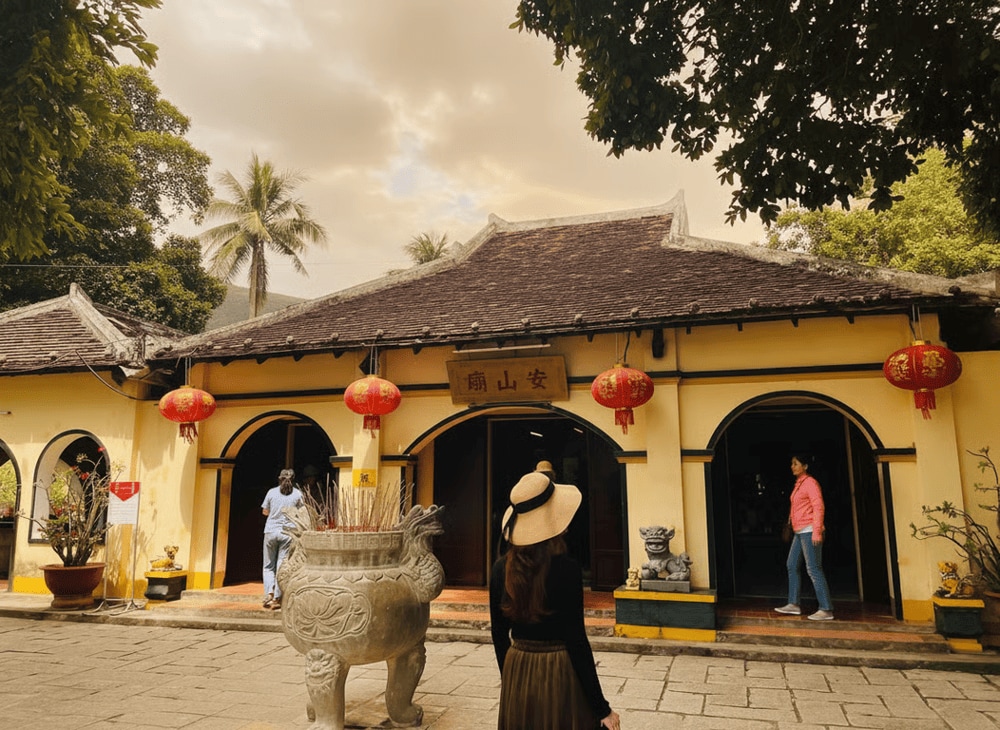
In the early 18th century, the British East India Company set foot on Con Dao, building a fort in 1702. However, only three years later (1705), they were driven out by the Malay Macassar force. In 1783, through the Treaty of Versailles, France gained control of Con Dao in exchange for a commitment to support Nguyen Anh in the war for the throne. This period is also associated with the legend of Lord Nguyen in seclusion, leaving behind relics such as Chua Mountain and Hoang Phi Yen Temple.
From the Nguyen Dynasty to the French colonial period (1839 – 1862)
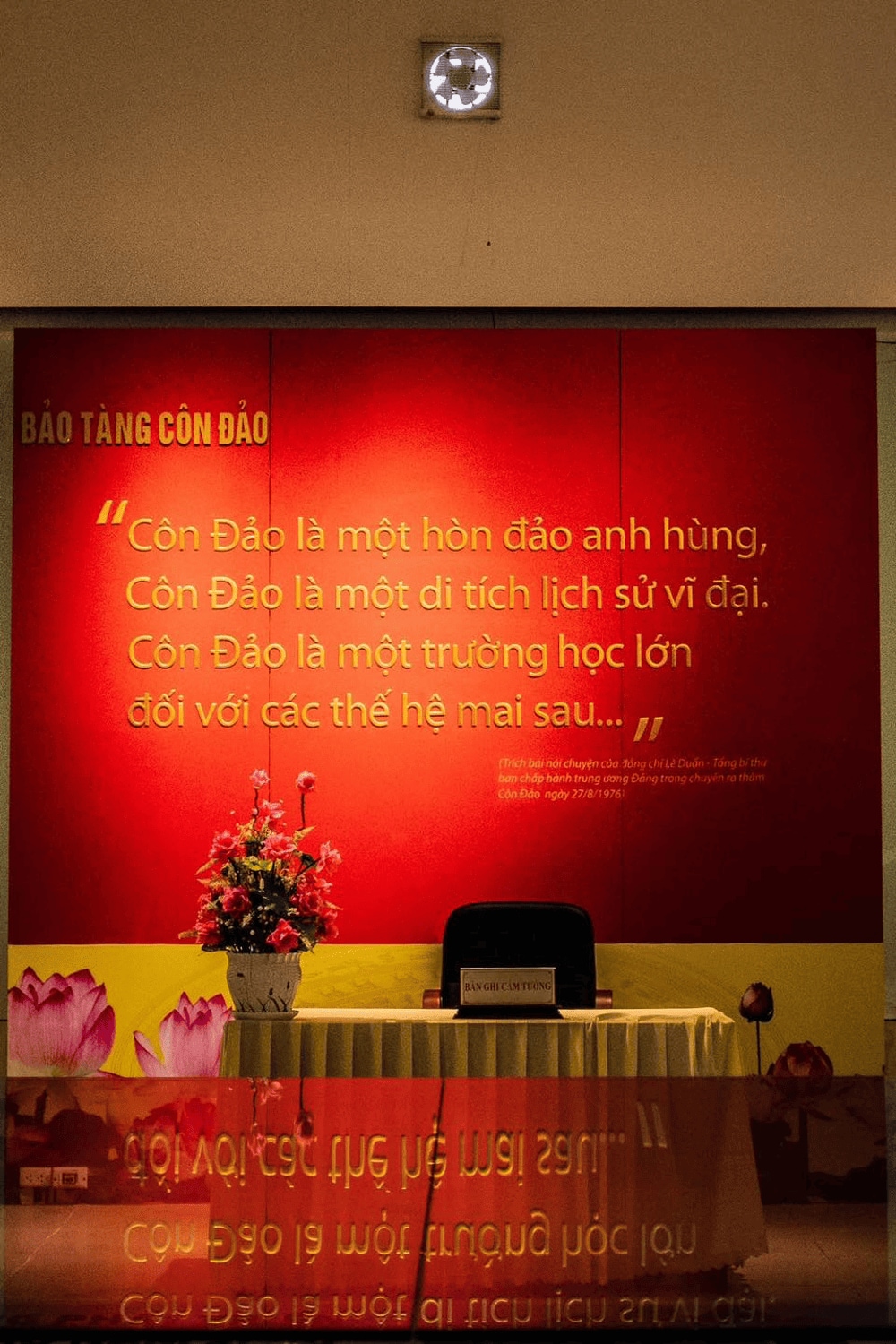
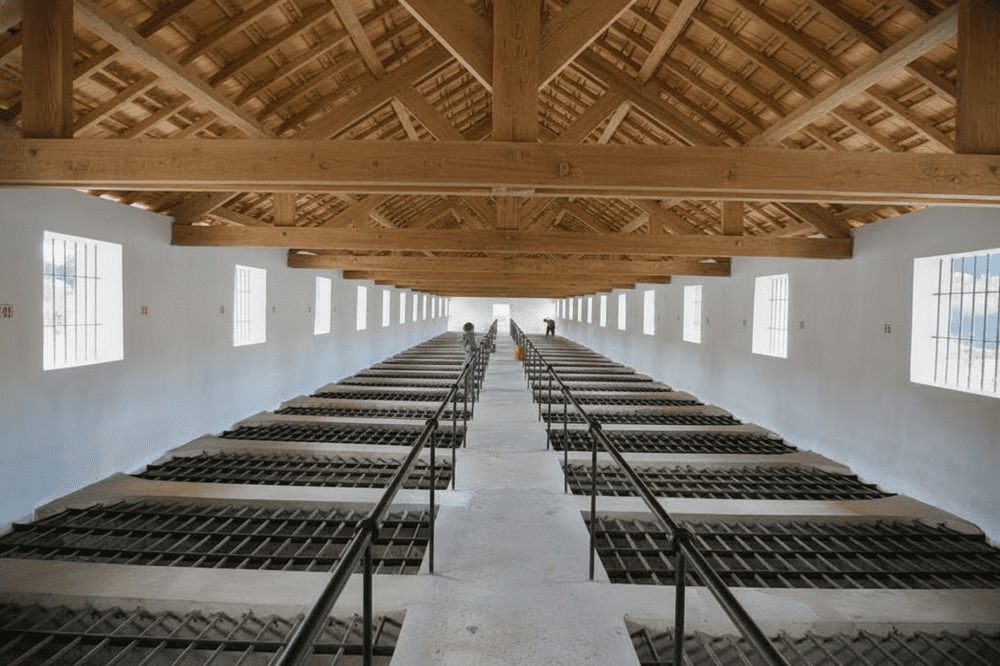
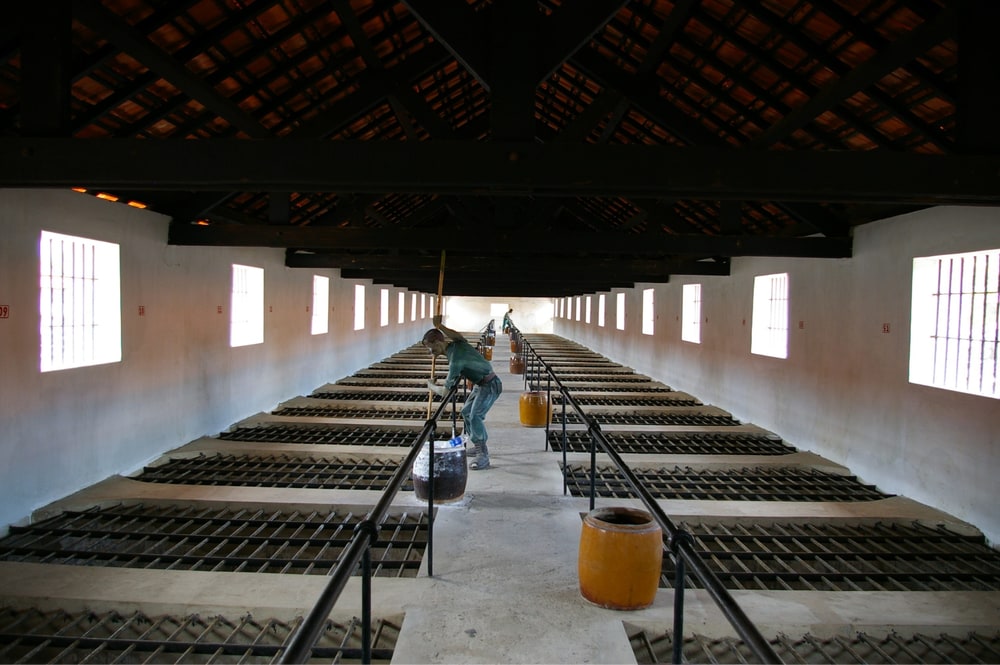
In 1839, under the reign of Minh Mang, Con Dao was annexed to the two towns of Gia Dinh and Vinh Long. However, on November 28, 1861, the French colonialists occupied Con Dao and quickly asserted their sovereignty. On February 1, 1862, Governor Bonard signed a decision to establish Con Dao prison - a place that later became a symbol of brutality and struggle, famous for its "tiger cages" holding thousands of revolutionary prisoners.
The period of the State of Vietnam and the Republic of Vietnam (1954 – 1975)
After the 1954 Geneva Accords, the Ngo Dinh Diem government took over the Con Dao prison system and renamed the archipelago Con Son. In 1973, the Nguyen Van Thieu government continued to rename the prisons, adding the word “Phu” such as Phu Hai, Phu Son, etc. to conceal their brutal nature. However, Con Dao still emerged as a symbol of indomitable spirit and the desire for freedom.
Liberation and administrative reconstruction (since 1975)
On May 1, 1975, Con Dao was taken over by the Liberation Army. After that, Con Dao province was established and operated independently for a short time before being merged into Ba Ria - Vung Tau province as it is today.










 Link opens in new window. Site may not meet accessibility guidelines.