
1. Overview of the Vietnamese Alphabet
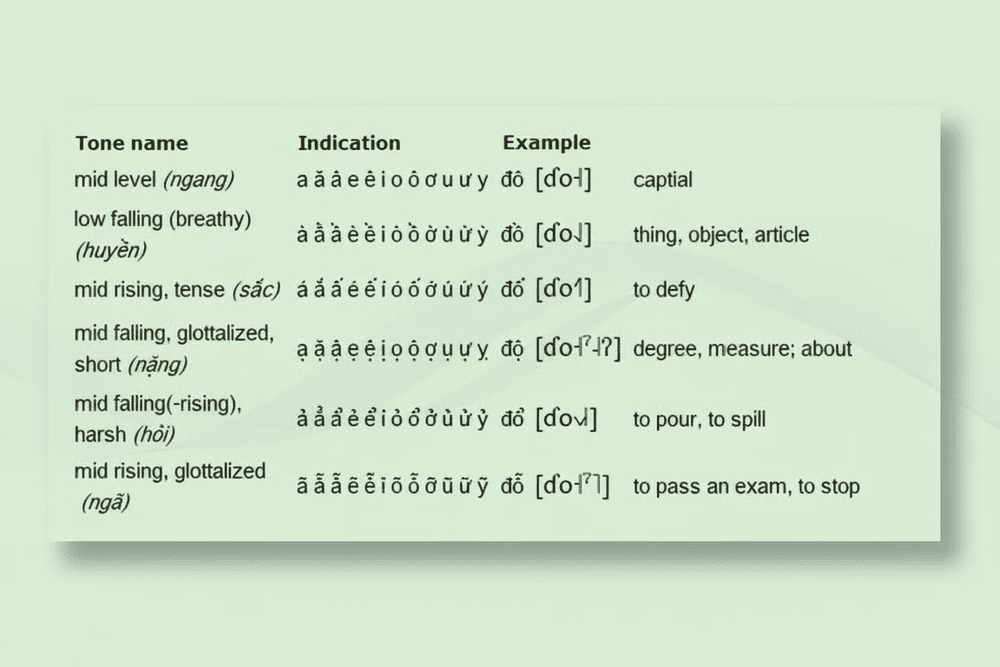
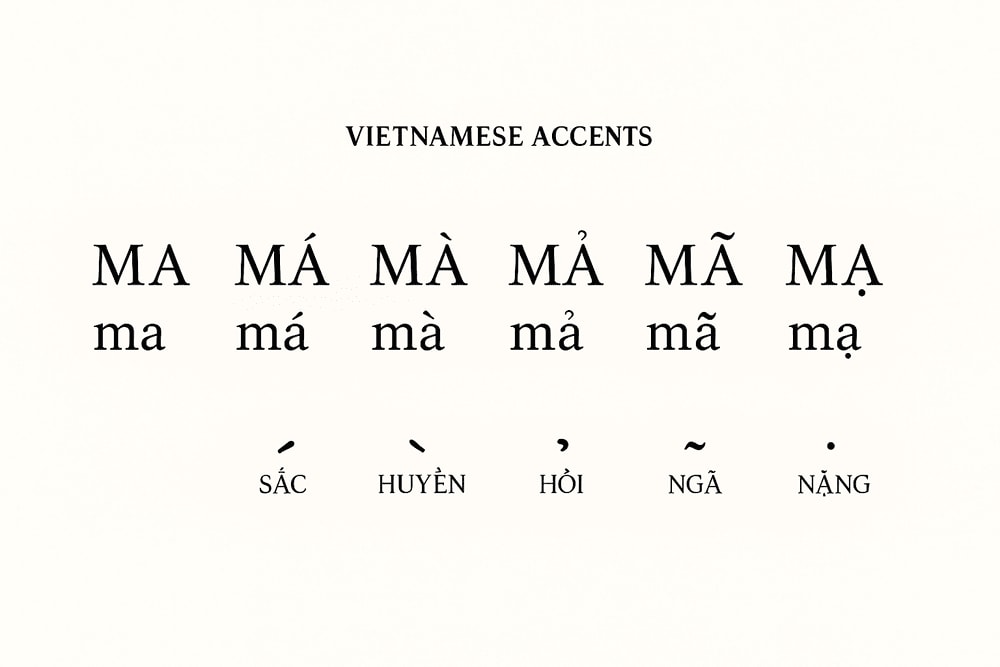
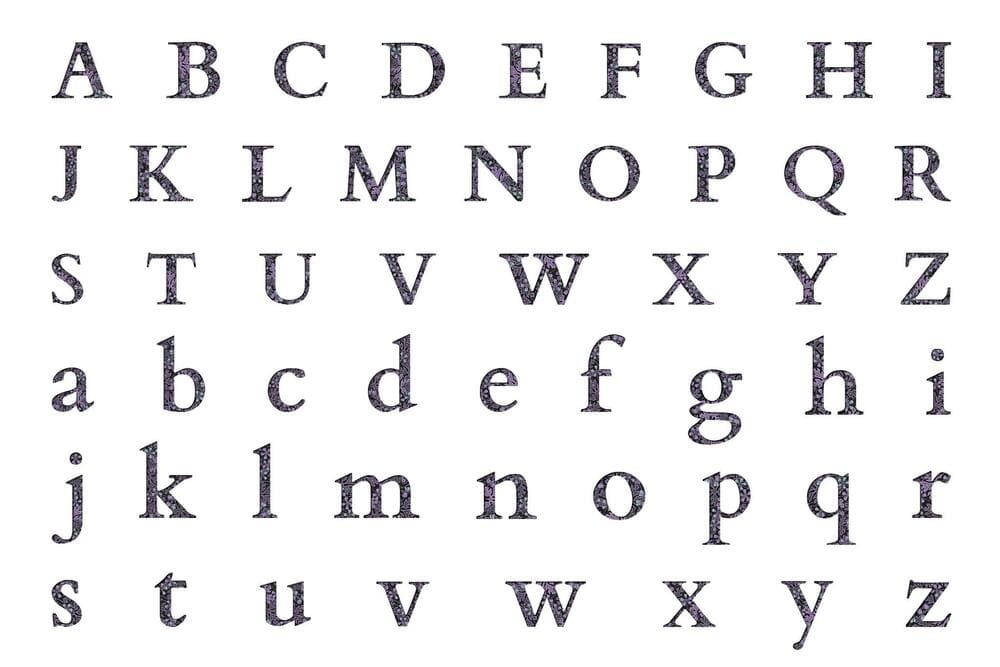
The modern Vietnamese alphabet, called Chữ Quốc Ngữ, consists of 29 letters. It is a system built on the Latin script but has been enhanced with diacritics to match the unique sounds of the Vietnamese language. One of the most remarkable features of Vietnamese is its rich tonal system, which plays a key role in distinguishing the meaning of words and contributes to the language's melodic quality.
1.1. Structure of the Vietnamese Alphabet
The Vietnamese alphabet is divided into two main groups: vowels and consonants.
- Vowels: These are the core components that form syllables, producing open sounds without obstruction. The vowels include: a, ă, â, ê, i, o, ô, ơ, u, ư, y.
- Consonants: These components usually appear at the beginning or end of syllables, creating sounds by blocking airflow during pronunciation. The consonants include: b, c, d, đ, g, h, k, l, m, n, p, q, r, s, t, v, x.
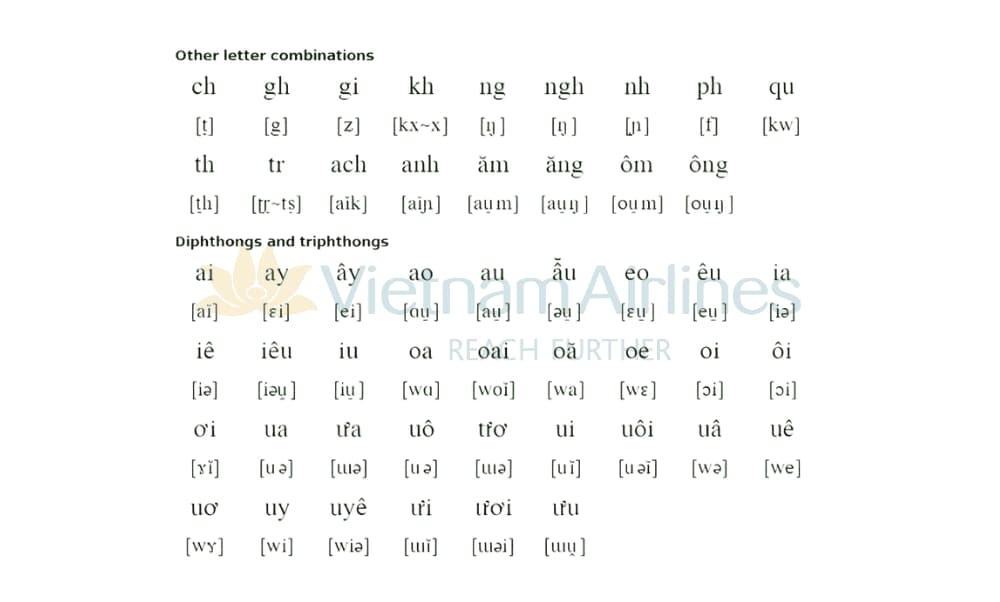
- Consonant Digraphs and Trigraphs: A key feature of Vietnamese spelling is the use of consonant combinations to represent single, unique sounds. The most common ones are: ch, gh, gi, kh, ng, ngh, nh, ph, th, tr. For example, 'ph' creates an /f/ sound as in "Phở", and 'nh' creates a /ɲ/ sound similar to the 'ny' in "canyon".


 Link opens in new window. Site may not meet accessibility guidelines.