Ho Citadel was constructed in 1397 in the record time of just three months. (Source: Internet)
3. What Makes Ho Citadel's Architecture Unique?
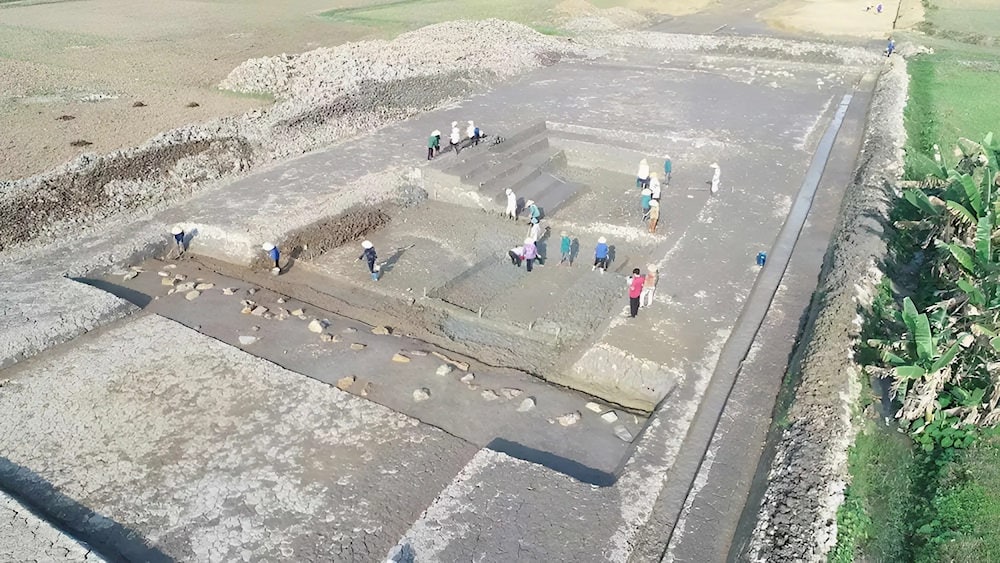
Ho Citadel was built on a 155-hectare foundation (core area), while the entire monument complex spans 5,000 hectares. Regarded as Vietnam's "one and only" stone fortress construction, the citadel was built following fundamental principles of terrain, feng shui, and strategic positioning, with rivers and mountains providing natural protection and creating significant military advantages.
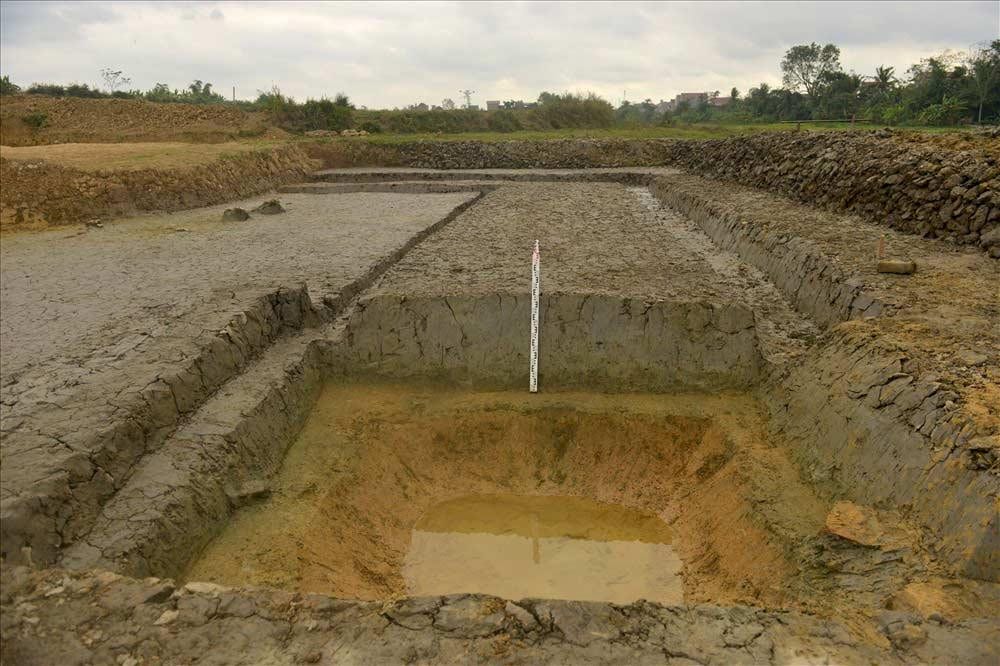
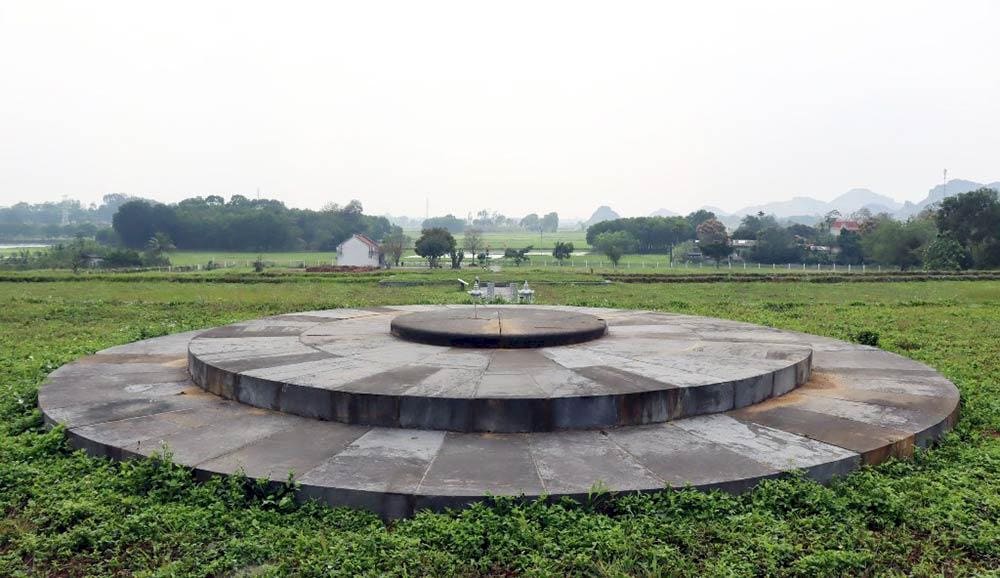
The citadel comprises several components: the Inner Citadel, Outer Citadel, Moat System, and Nam Giao Altar. The exterior features stone construction, while the interior primarily consists of earthwork.
3.1. Inner Citadel: Solid Construction with Arched Gate Design and Massive Stone Walls
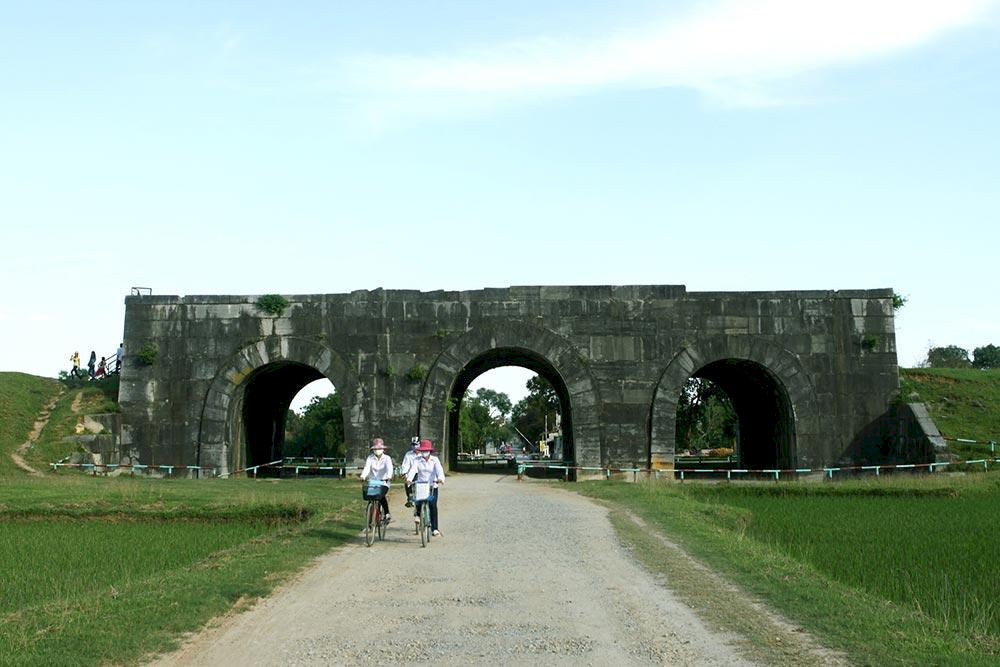
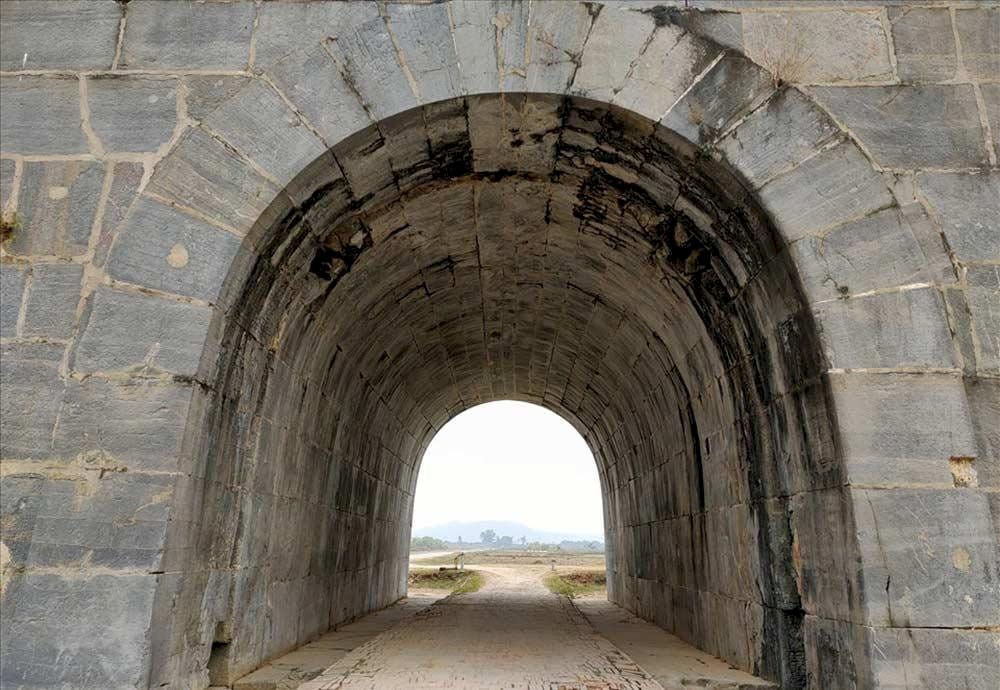
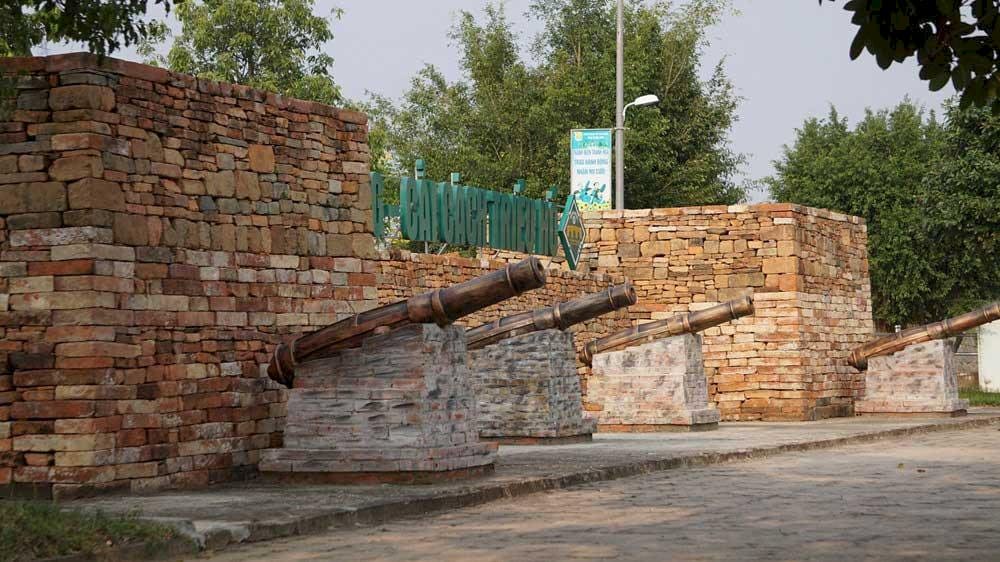
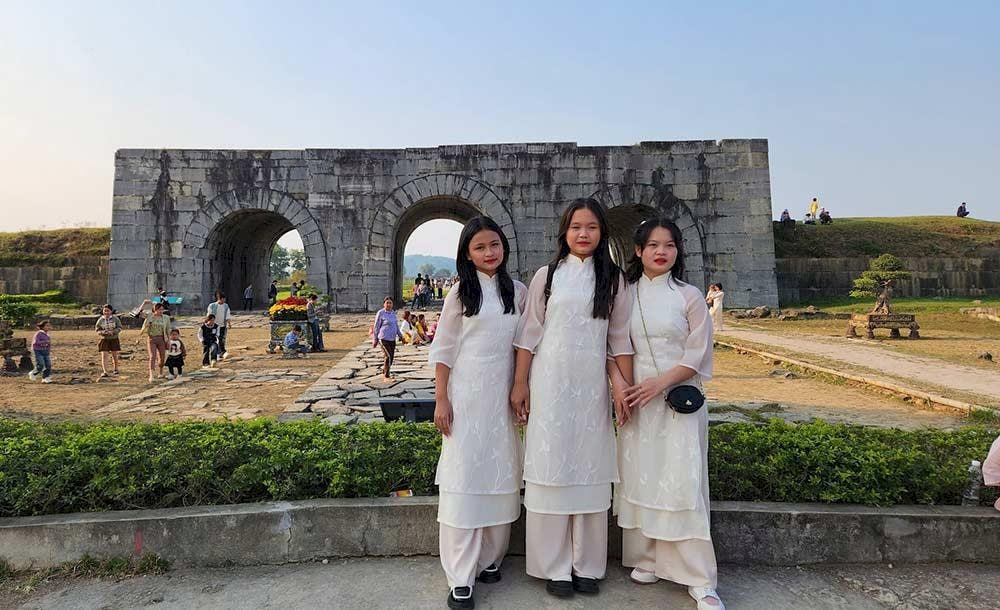
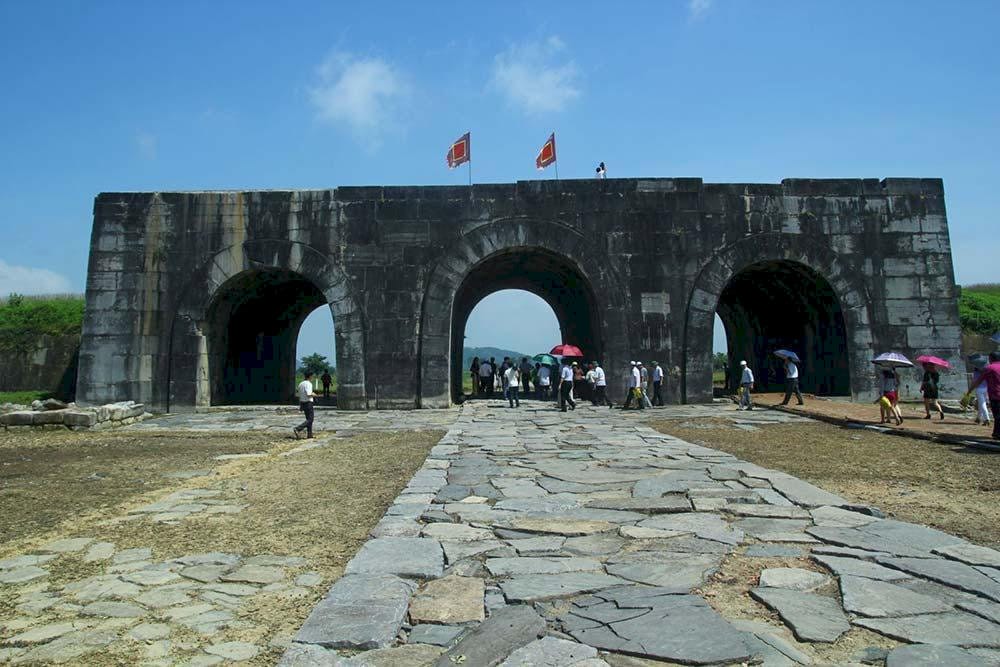
The entire exterior of the Inner Citadel consists of citadel walls and four main gates: South, North, East, and West. The South Gate serves as the main entrance with three doorways, while the remaining gates have single doorways. The gates feature arched designs with stone blocks carved into grapefruit segment shapes, fitted tightly together to enhance load-bearing capacity.
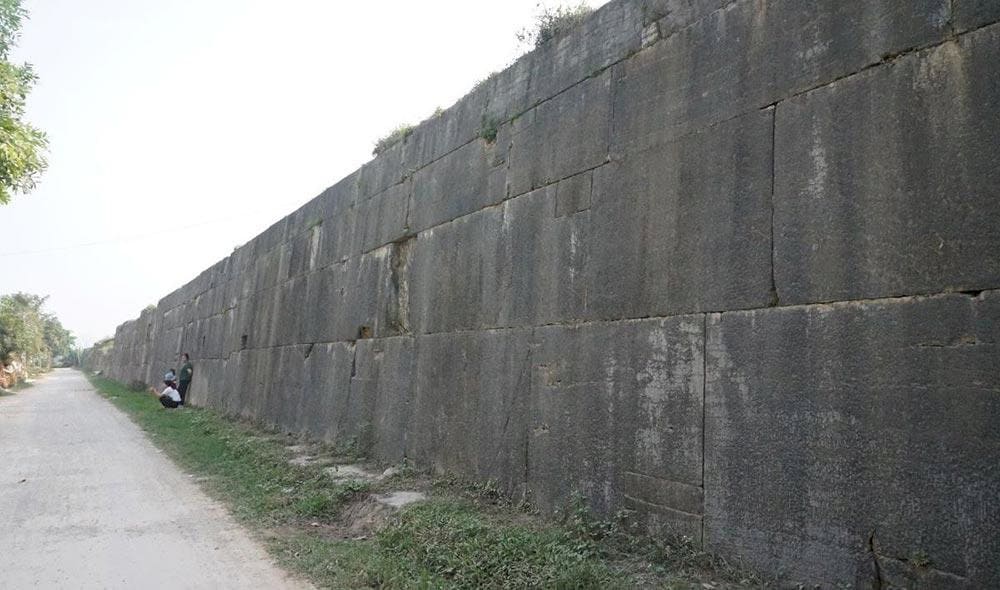
The wall system and four main gates were constructed from massive monolithic stone blocks, typically measuring around 1.5 meters in length, with some stones reaching up to 6 meters. Each stone block weighs between 10 to 20 tons. Notably, the western wall section features one enormous stone block weighing 26.7 tons.
The entire construction required massive material volumes, including approximately 25,000 cubic meters of stone and nearly 100,000 cubic meters of earth, meticulously excavated and arranged. All stones were stacked tightly together without any binding agents, yet the structure has maintained its integrity for over 600 years - testament to the extraordinary construction techniques of that era.










 Link opens in new window. Site may not meet accessibility guidelines.