
1. What's Sapa Winter Weather Like? Understanding the Rare "Tropical Snow" Phenomenon
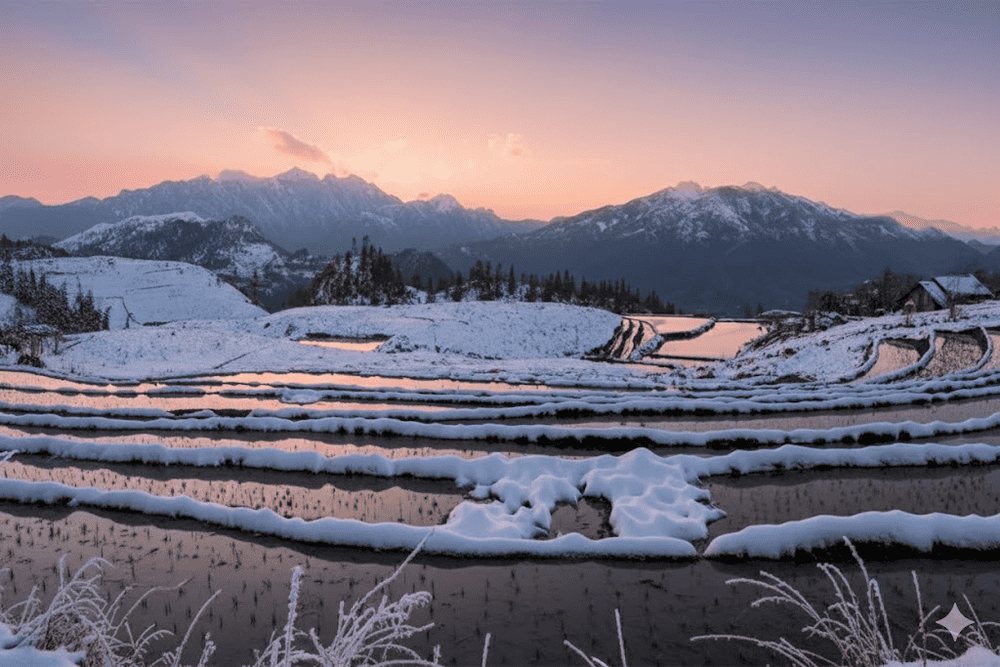
Sapa's winter climate is unlike anywhere else in tropical Vietnam, with temperatures ranging from 3 - 5°C during the day and dropping as low as -10°C at night. This remarkable destination sits at an elevation of 1,500 - 1,800 meters above sea level, creating a unique microclimate that occasionally produces one of Vietnam's rarest meteorological phenomena: tropical snow.
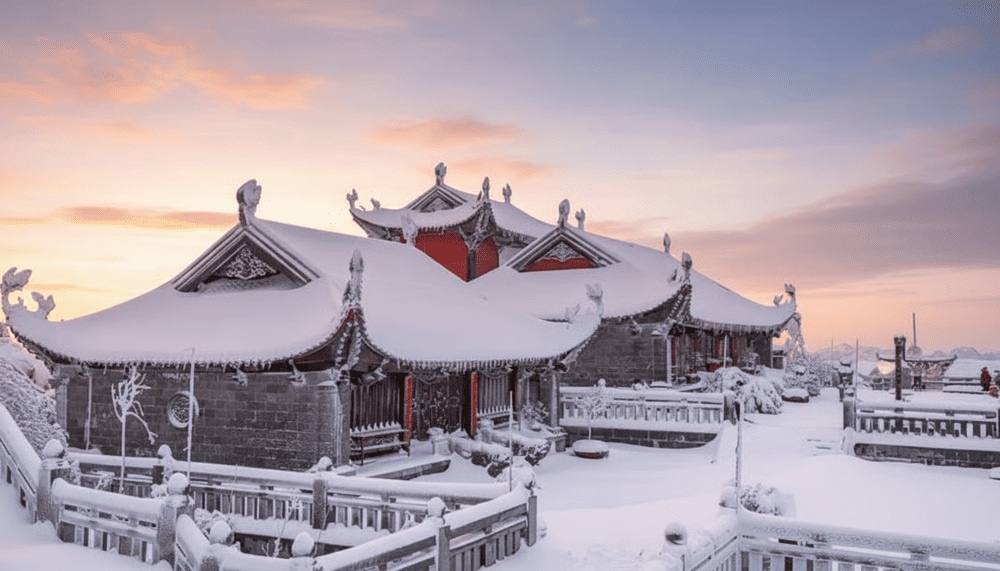
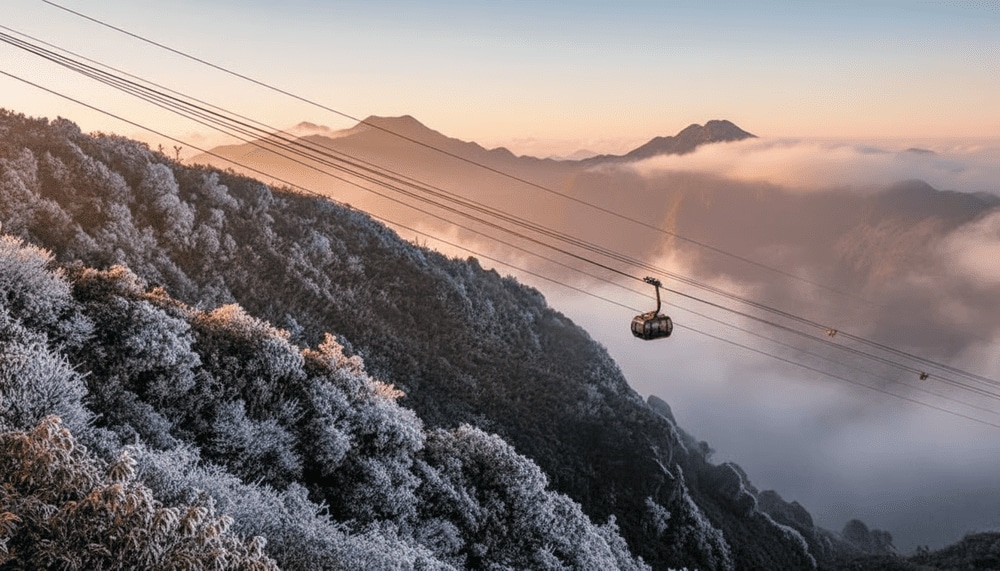
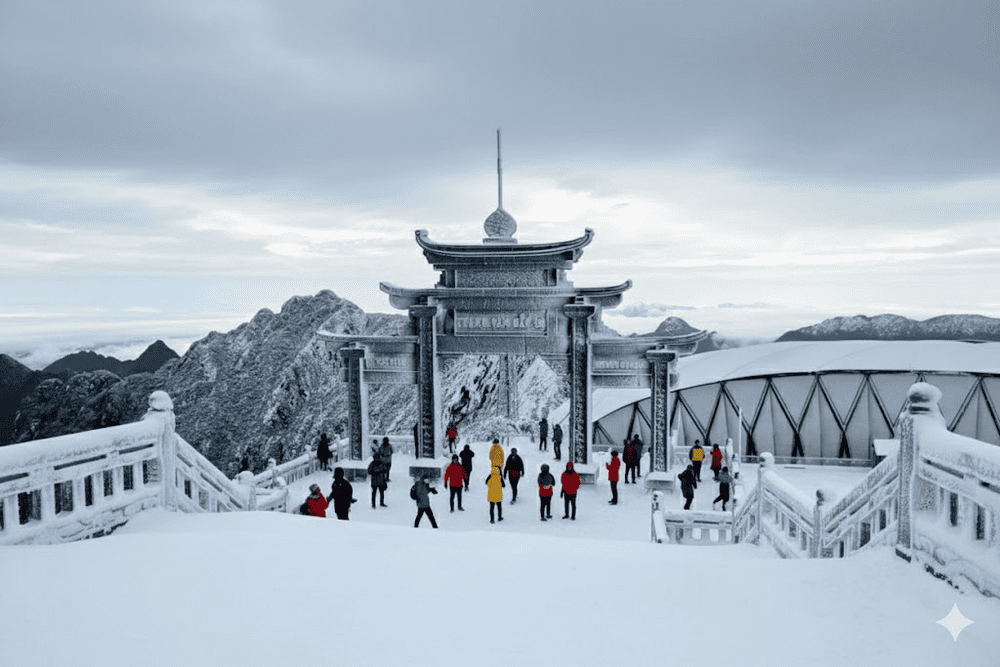
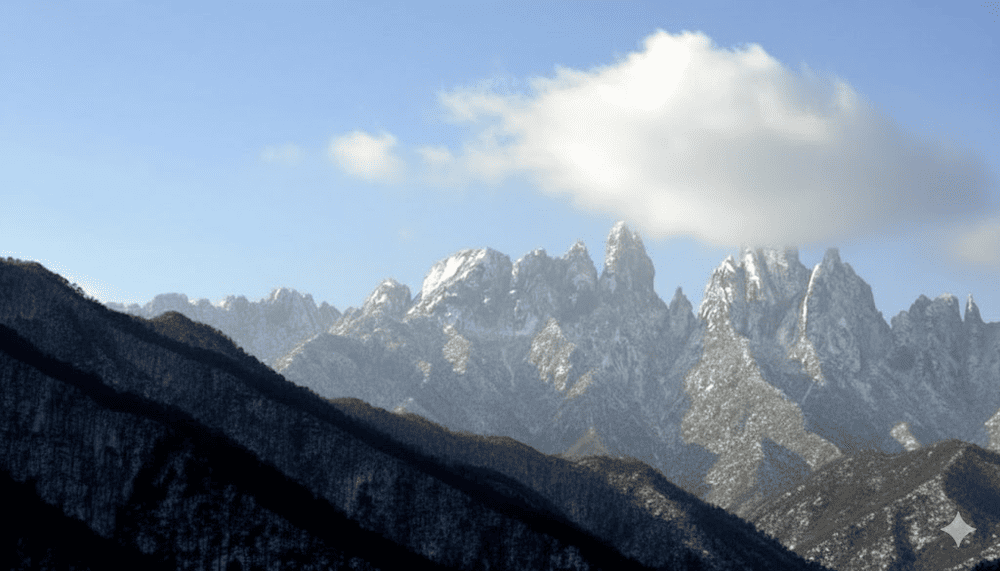
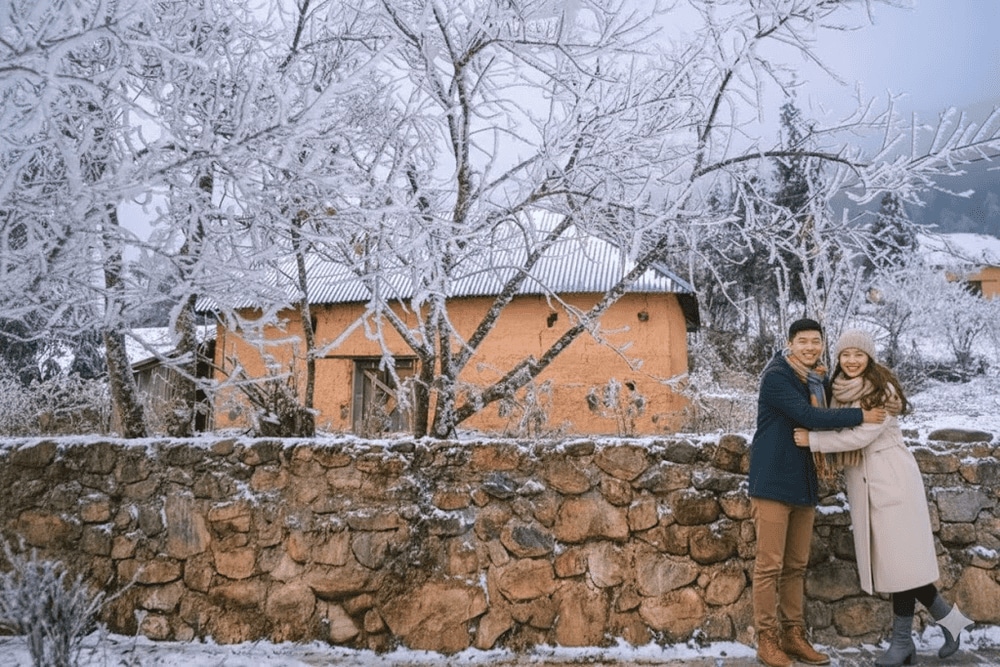
Sapa receives around 10 - 15 snow days per year, with the heaviest snowfall typically occurring in January and February. However, this isn't the heavy, persistent snow of European winters – it's usually white frost or thin snow that melts quickly. When snow does fall, it typically lasts 1 - 3 days and primarily affects elevations above 1,800 meters, including Fansipan Peak and O Quy Ho Pass.
The unpredictability of Sapa's snow adds to its allure. In recent years, due to climate change, snowfall has become increasingly irregular – some years see no snow at all, while others experience unusual snowfall in November or March. For travelers hoping to witness this phenomenon, monitoring weather forecasts closely and maintaining flexible travel plans is essential.








 Link opens in new window. Site may not meet accessibility guidelines.