
1. Introduction to Chu Lai airport
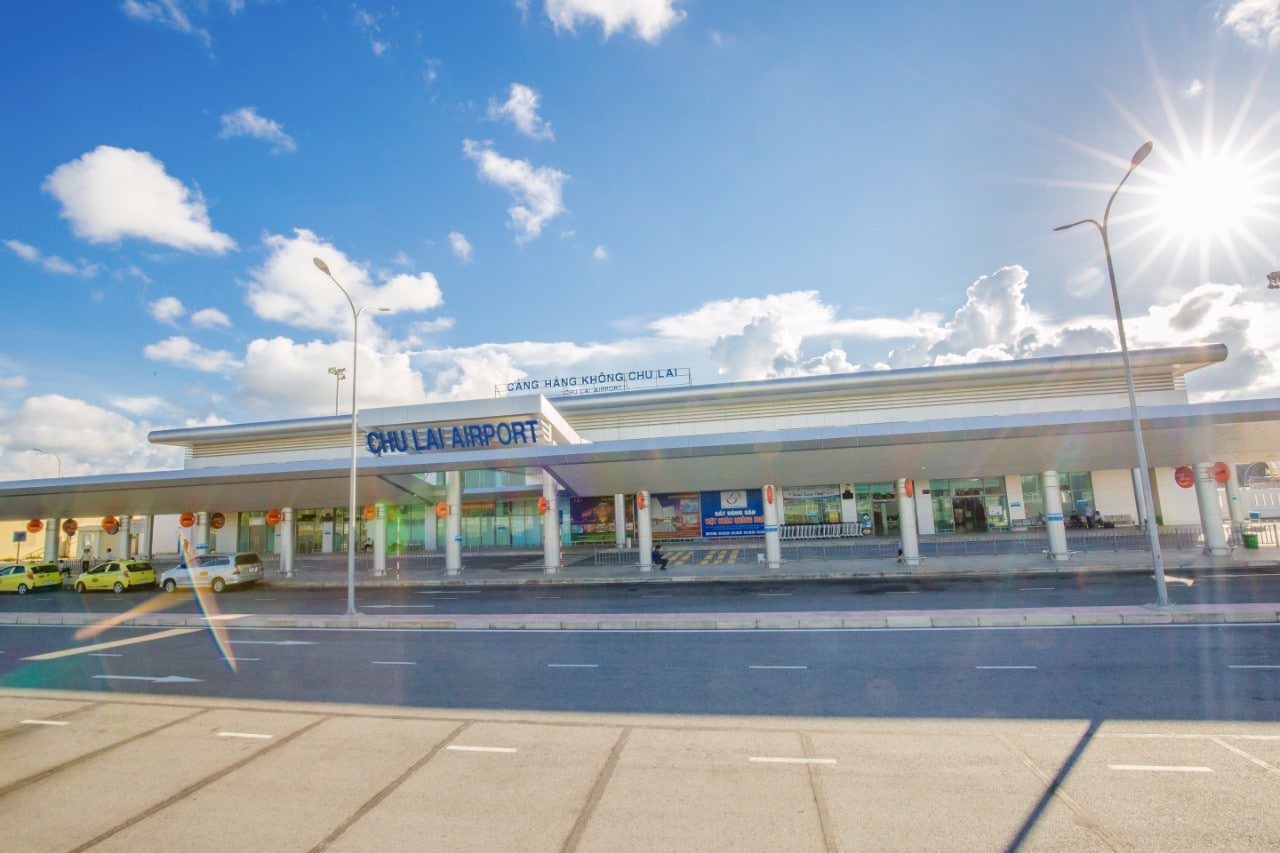
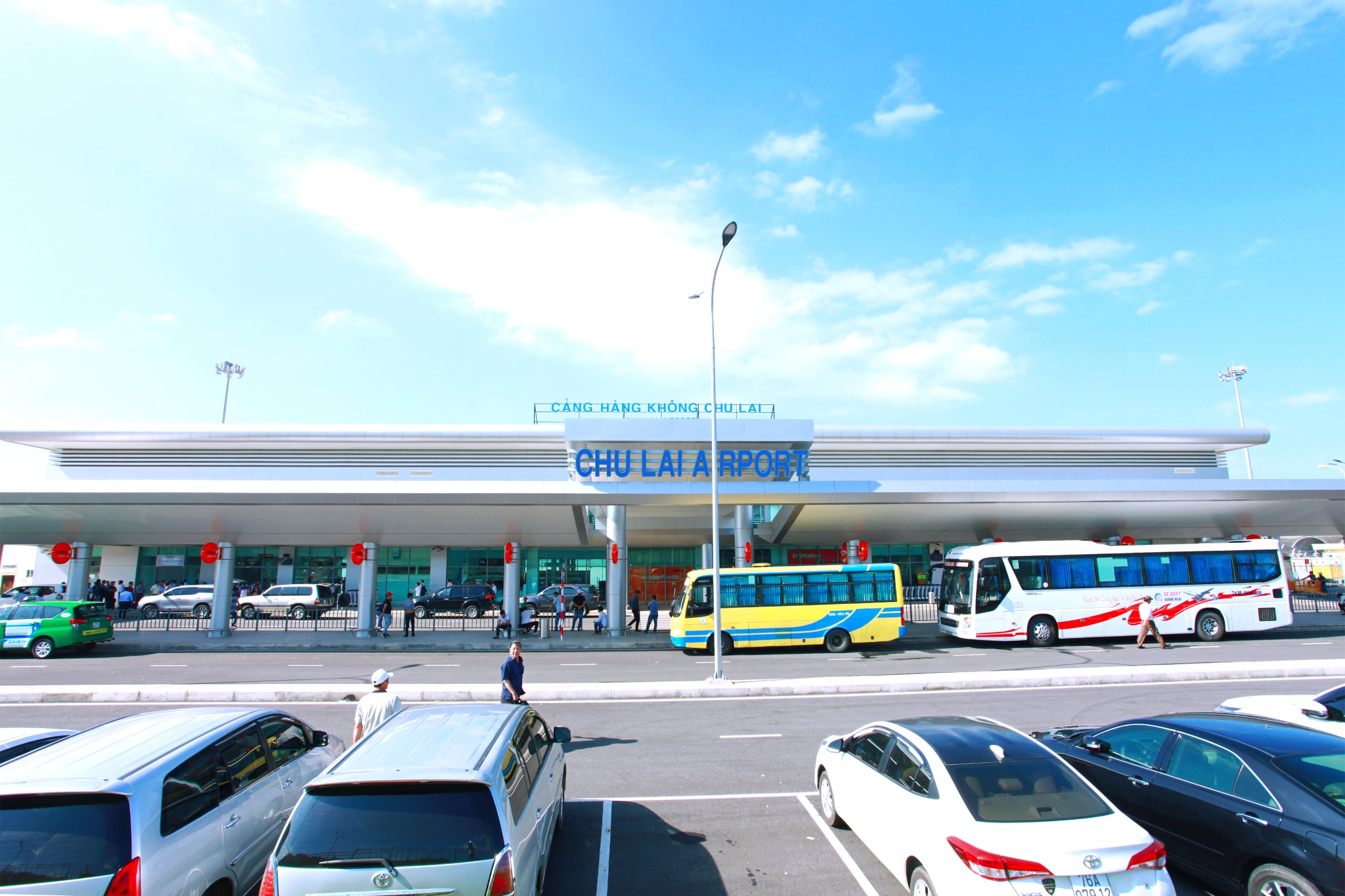
Chu Lai Airport (VCL) is a civil-military aviation port in Quang Nam (Quảng Nam), serving Quang Nam province, Quang Ngai (Quảng Ngãi), and the Central region. Opening its doors to the first commercial flight in March 2005, the airport is now an important connection point with Hanoi (Hà Nội), Ho Chi Minh City (Thành phố Hồ Chí Minh), and other domestic destinations.
- Full name: Chu Lai Airport Port.
- English name: Chu Lai Airport.
- Address: Tam Nghia Commune (Xã Tam Nghĩa), Nui Thanh District (huyện Núi Thành), Quang Nam Province (tỉnh Quảng Nam).
- Scale: Area approximately 2,000 - 3,000ha (largest in Vietnam).
- Number of terminals: 1 passenger terminal (planning to expand with T2, T3).
- Management: Central Vietnam Airport Corporation (ACV).
The airport officially welcomed its first commercial flight in March 2005. Since then, Chu Lai has continuously expanded and upgraded to meet the increasing travel needs of residents and tourists.
1.1. Chu Lai airport location
Located within the Chu Lai Open Economic Zone (Khu kinh tế mở Chu Lai), the airport is only about 30km from Tam Ky City (thành phố Tam Kỳ) and close to major industrial zones like Dung Quat (Dung Quất). This location facilitates convenient connections between economic, tourism, and industrial centers of Central Vietnam, while creating conditions for domestic and international trade development.
1.2. Infrastructure and structure of Chu Lai airport
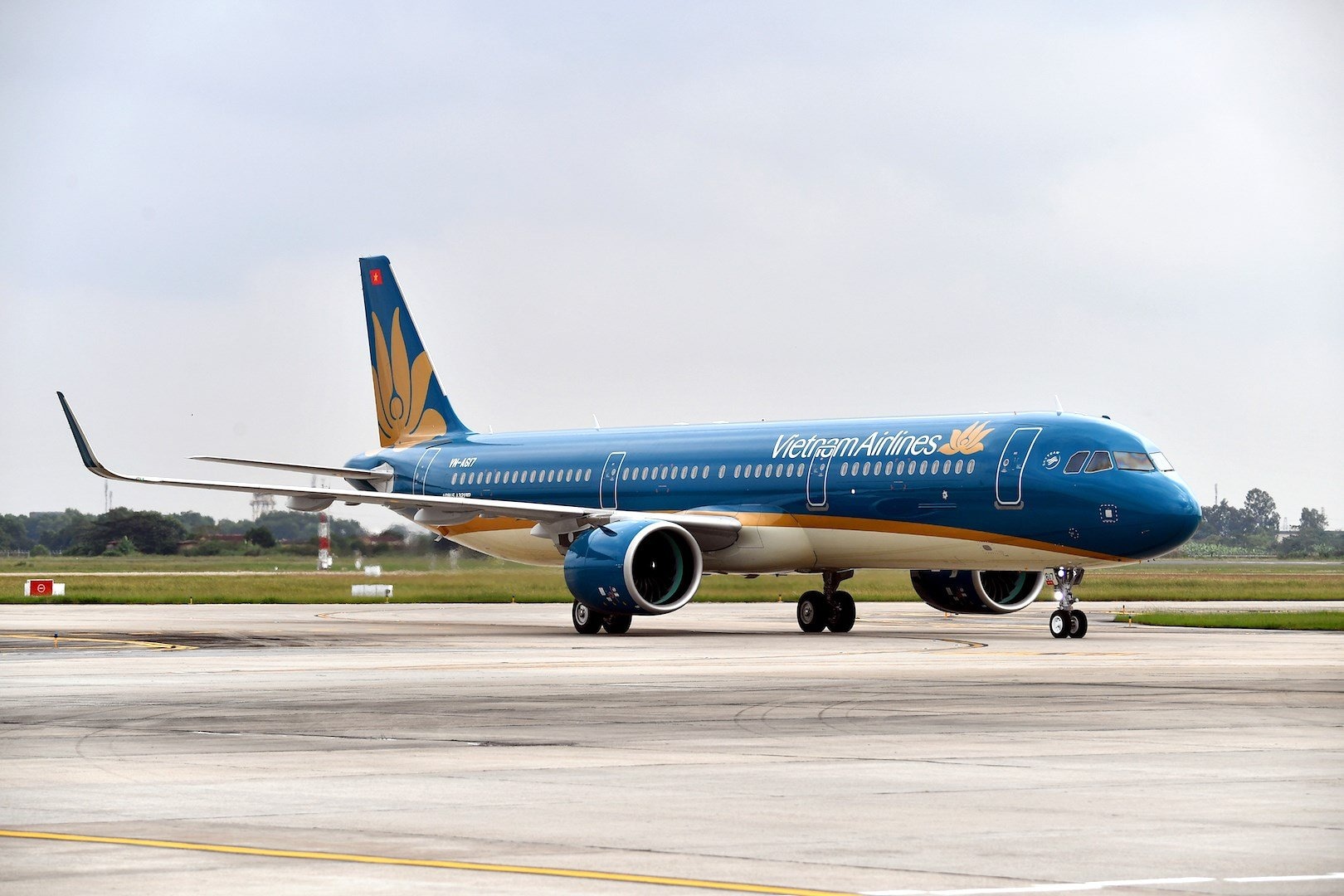
Chu Lai Airport is equipped with a 3,050m concrete runway, suitable for operating wide-body aircraft such as Airbus A320 and A321. The current passenger terminal has a modern design, mainly serving domestic flights, and is being planned for upgrade to international 4F standard in the near future.
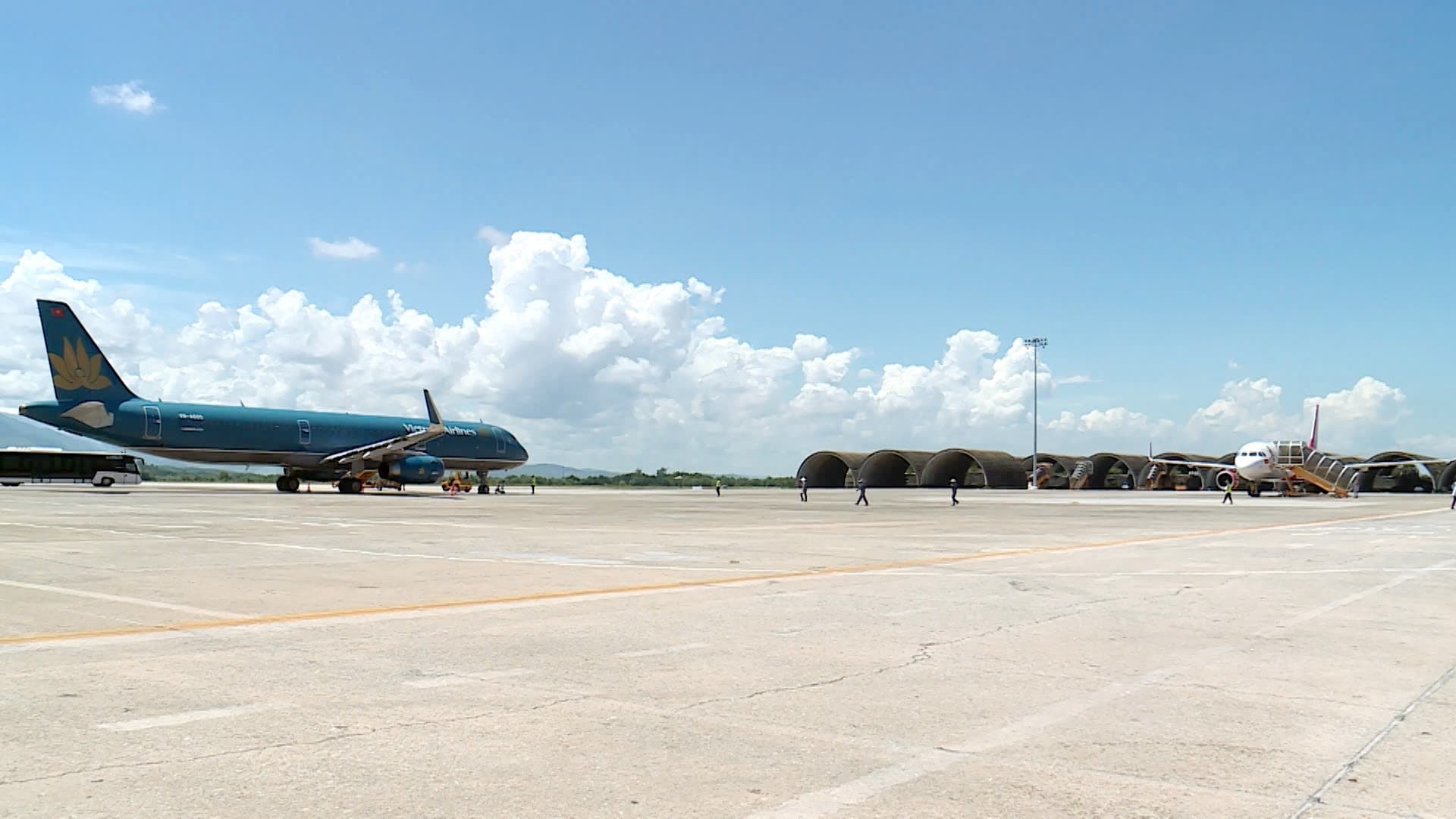
The supporting infrastructure system at the airport includes hangars, taxiways, parking areas, and zones for military operations. Notably, the airport is implementing plans to build additional T2 and T3 terminals, aiming to increase total service capacity to 10-30 million passengers annually by 2050.
 Link opens in new window. Site may not meet accessibility guidelines.