
1. Historical Significance of Phu Quoc Prison
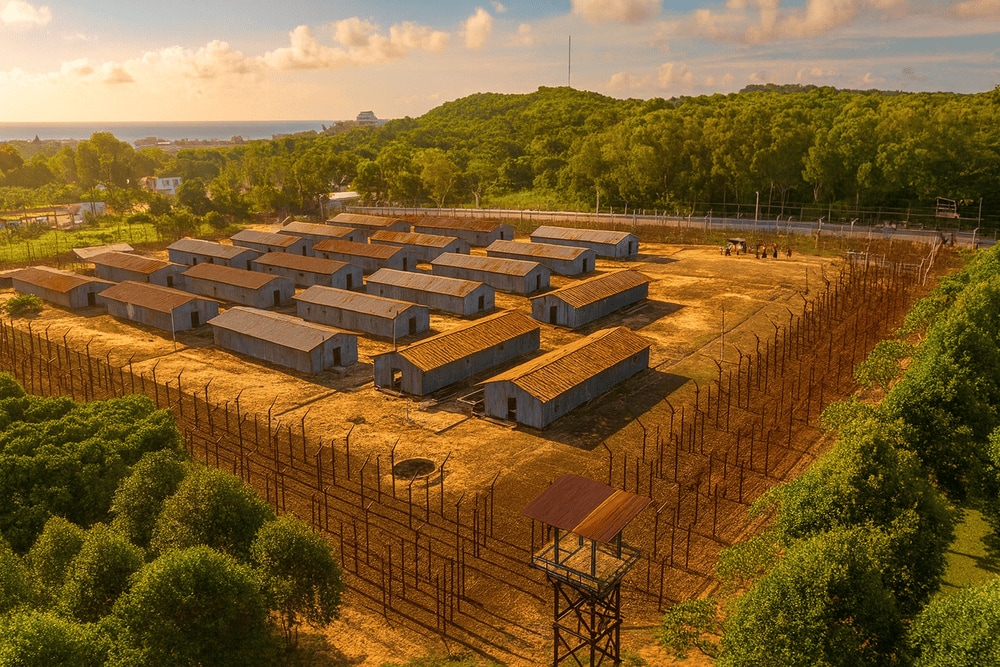
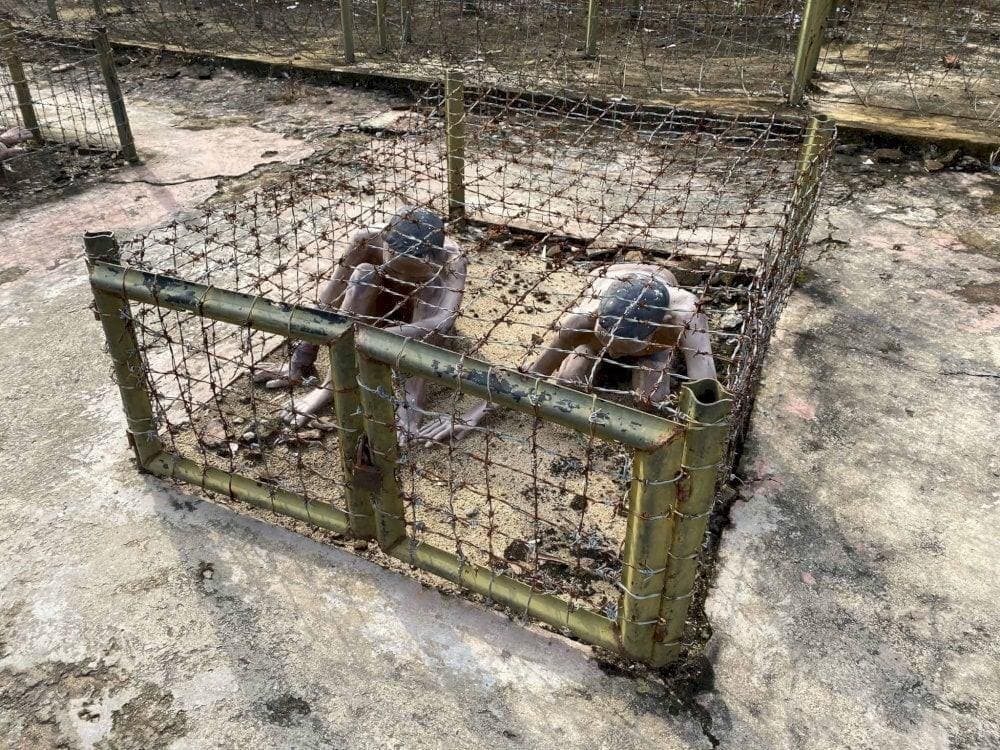
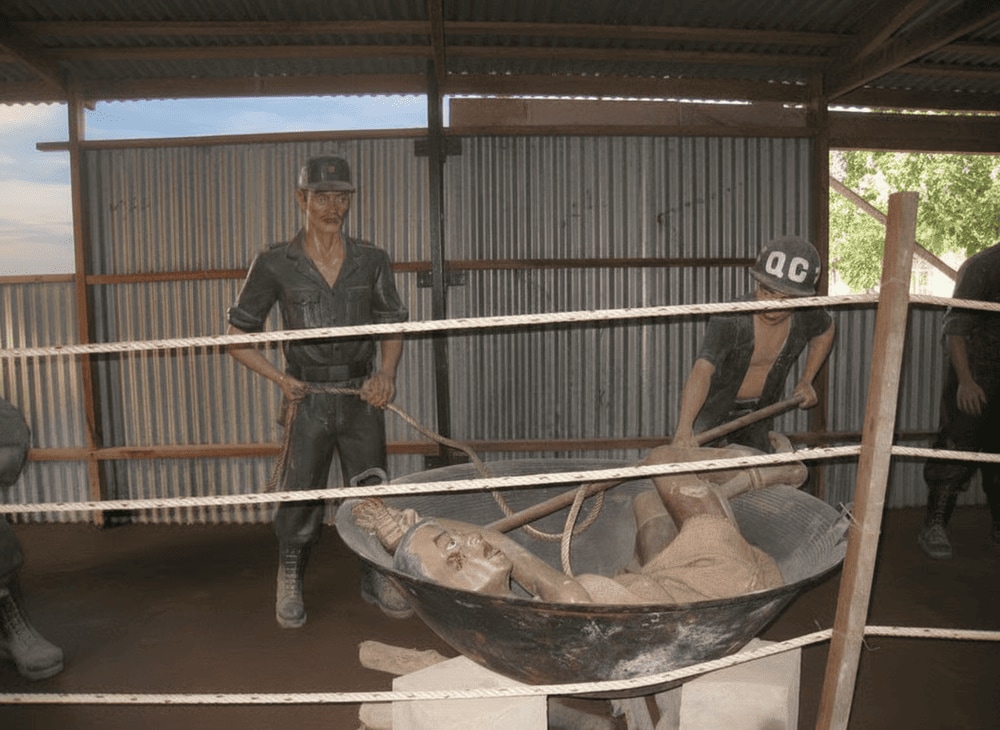
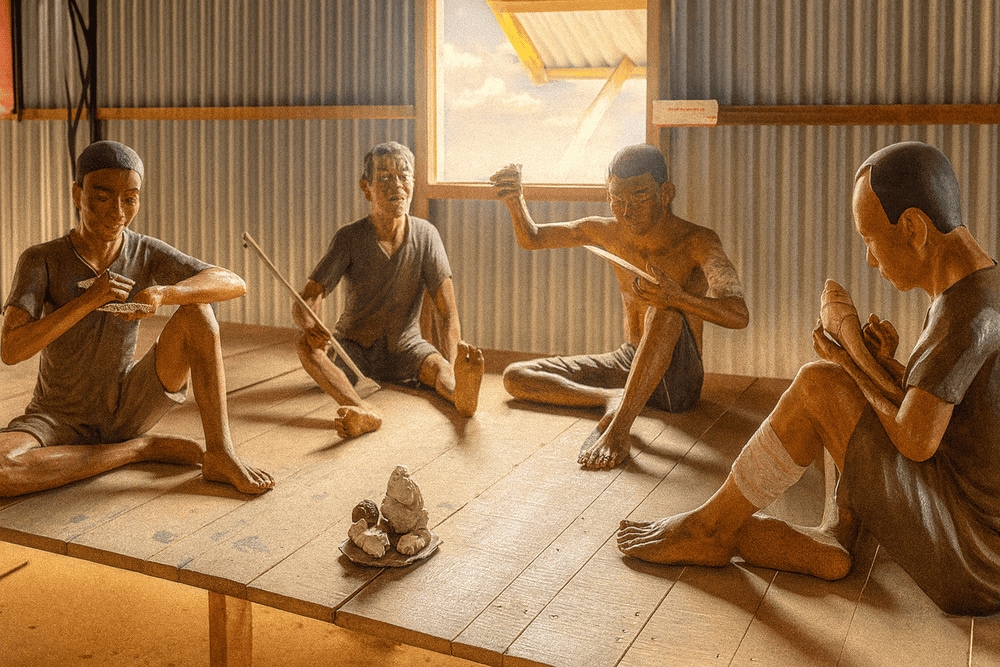
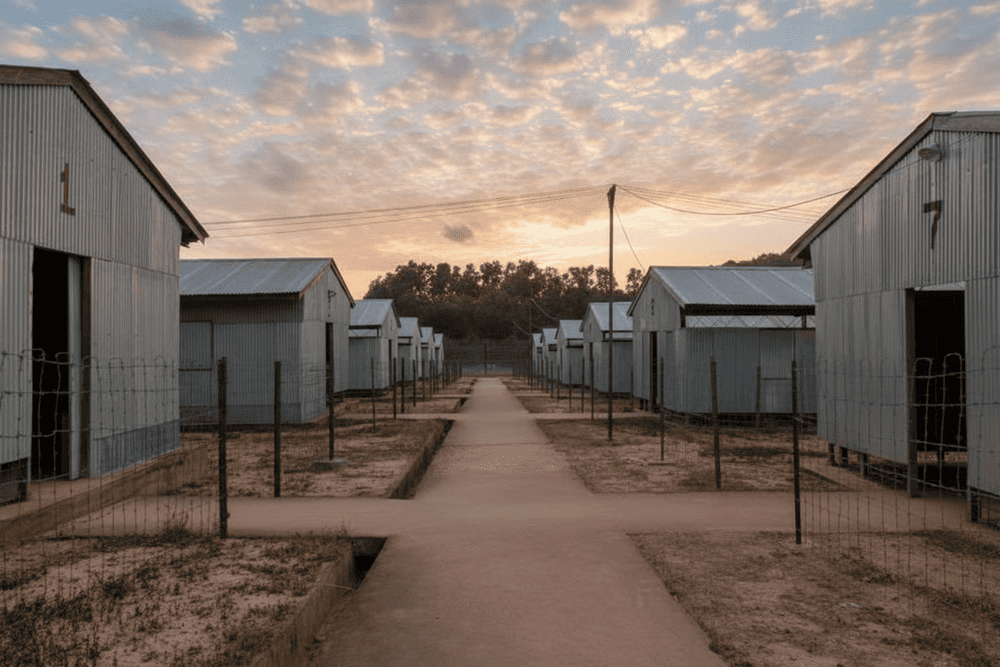
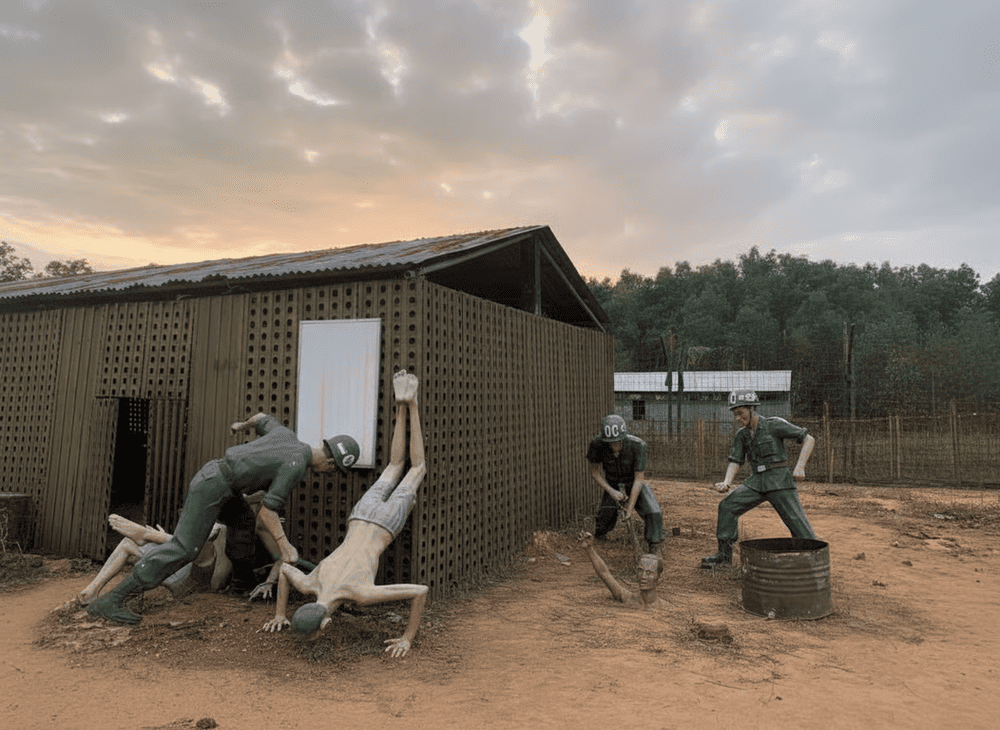
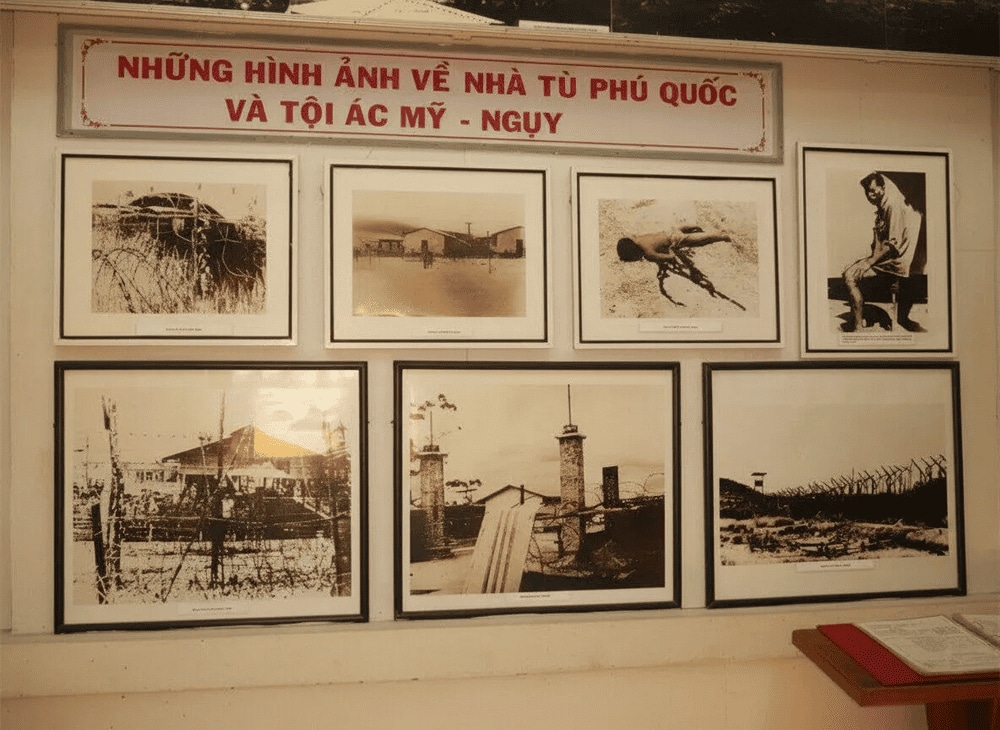
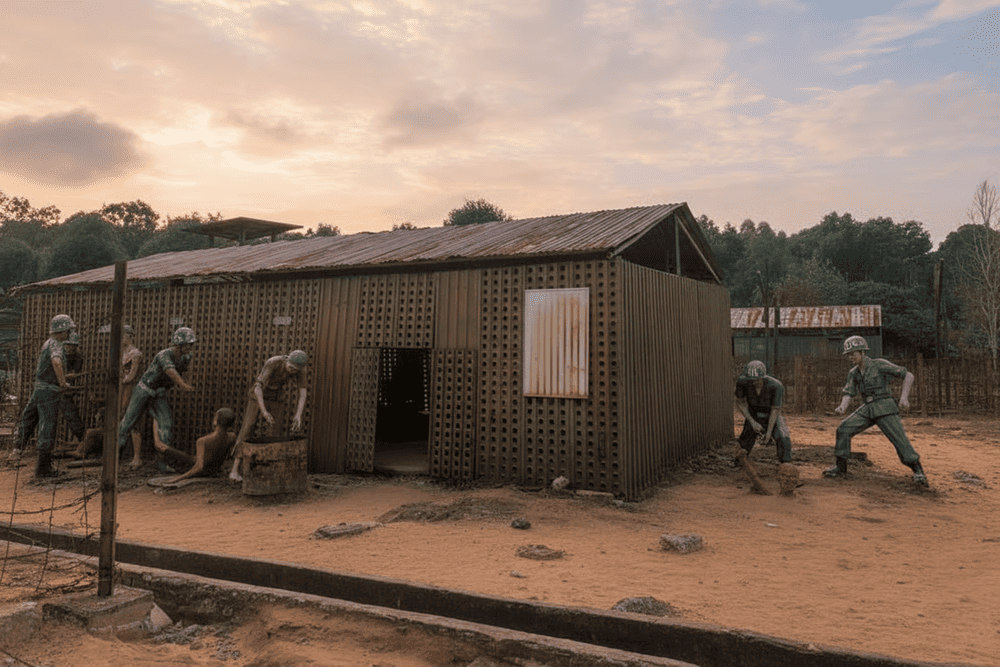
Phu Quoc Prison, also known as Coconut Tree Prison, was built by the French colonial administration in 1949 to detain Vietnamese revolutionaries. After 1954, it was taken over by the U.S. - backed South Vietnamese government and significantly expanded. During the Vietnam War, it became the largest detention center in the South, holding more than 40,000 detainees, many of whom were subjected to severe torture and inhumane conditions.
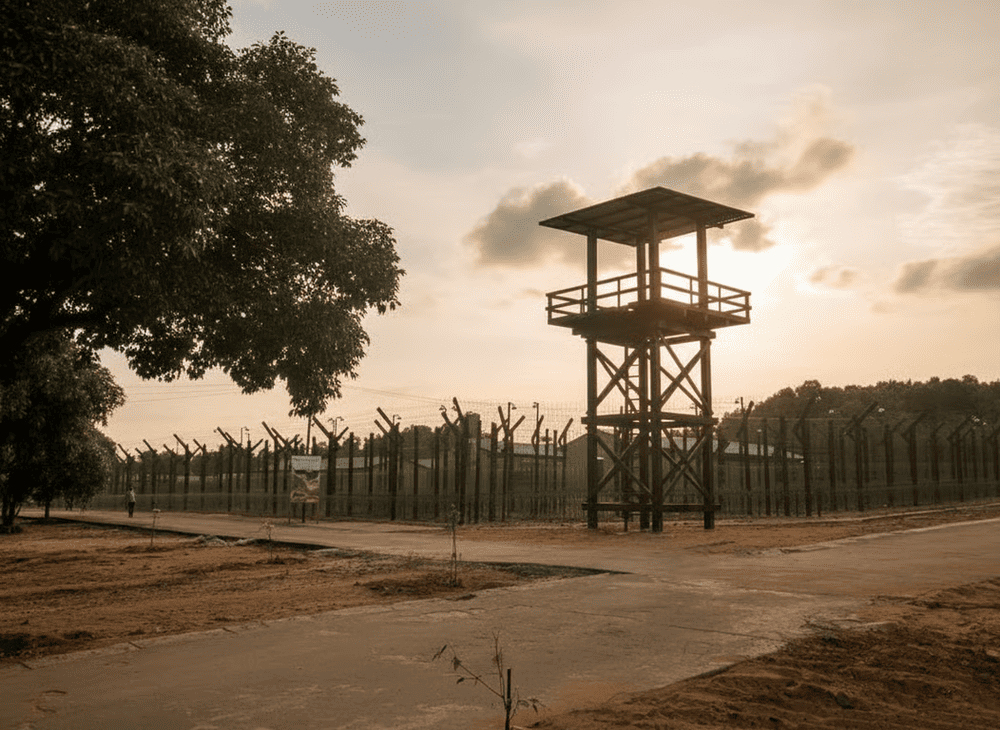
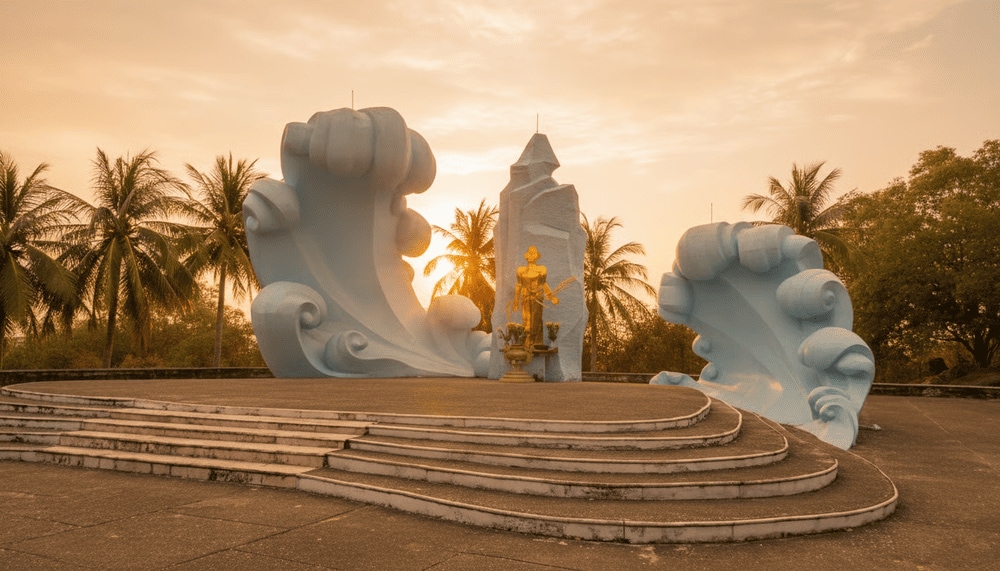
Following Vietnam’s reunification in 1975, Phu Quoc Prison was decommissioned and later officially recognized as a National Historical Relic in 1995, marking its transition from a war facility to a site of remembrance. Today, the prison stands as a solemn reminder of the cruelty endured during conflict, while honoring the resilience and sacrifices of Vietnamese soldiers. It also plays a vital role in preserving these war memories for future generations, offering visitors insight into the harsh realities faced by prisoners.
Many commemorative and educational events have been organized here, including historical tours, incense-offering ceremonies on national holidays, and annual memorial events for veterans and martyrs. The prison also hosts themed exhibitions showcasing prisoner testimonies, artifacts, photographs, and documents related to wartime resistance, helping to instill patriotism, raise awareness of Vietnam’s history, and foster humanitarian values among visitors.
 Link opens in new window. Site may not meet accessibility guidelines.