
1. About Museum of Oceanographic Nha Trang
1.1. Overview
Nestled along the scenic coastline of Nha Trang, the Museum of Oceanographic Nha Trang is one of Vietnam’s most captivating cultural and scientific institutions. Located within the Institute of Oceanography at 01 Cau Da, Vinh Nguyen Ward, Nha Trang City, Khanh Hoa Province, this facility serves as both a leading center for marine research and an educational attraction for tourists and students alike.
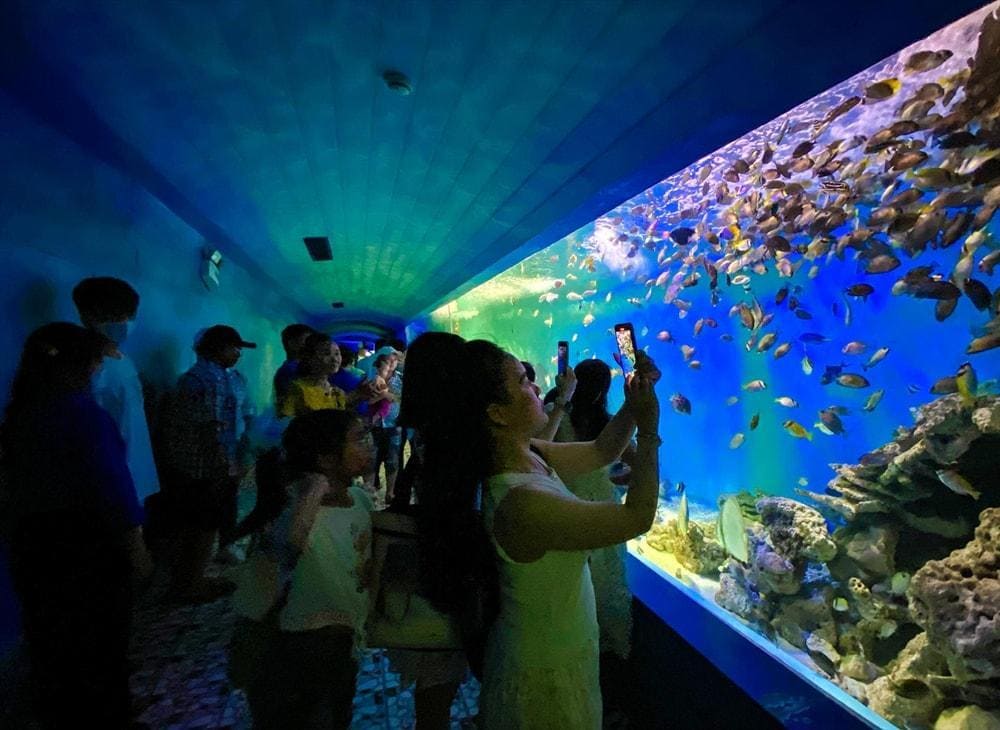
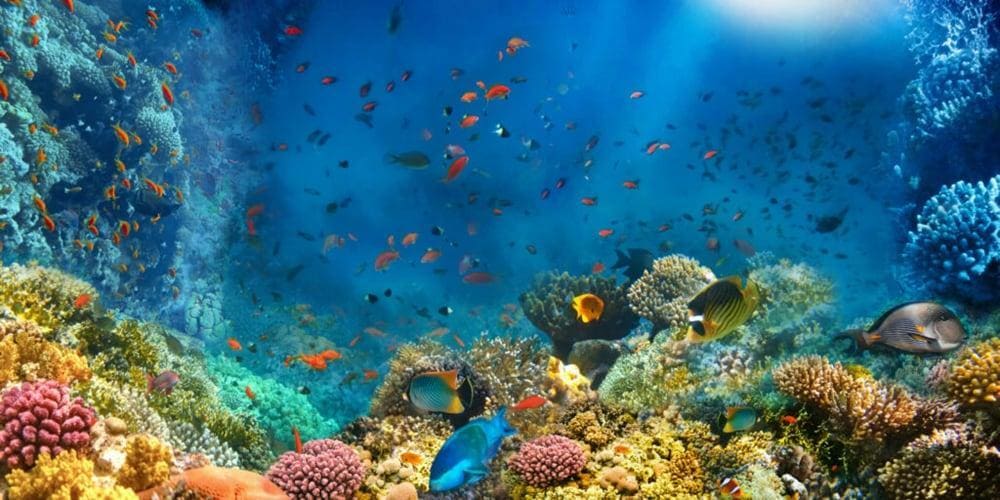
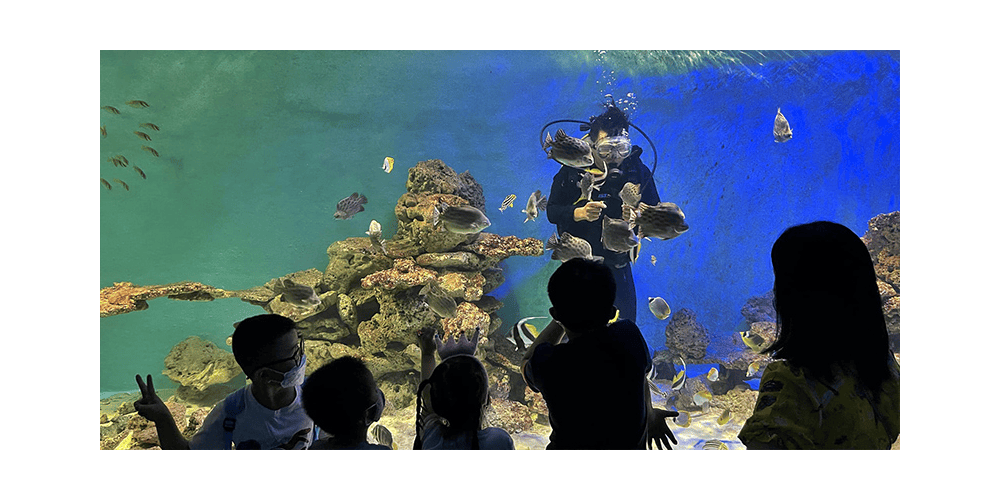
Strategically built on a coastal area with deep waters, expansive grounds, and access to international marine routes, the site was carefully chosen by French scientists in the early 20th century. The location is surrounded by rich tropical marine ecosystems, including mangrove forests, coral reefs, seagrass beds, sandy beaches, and rocky shores – making it an ideal setting for marine biodiversity studies. The museum provides a gateway to the vibrant world beneath the sea, offering a combination of interactive displays, live aquariums, and educational exhibits that allow visitors to appreciate Vietnam’s ecological richness and scientific advancements.
1.2. History
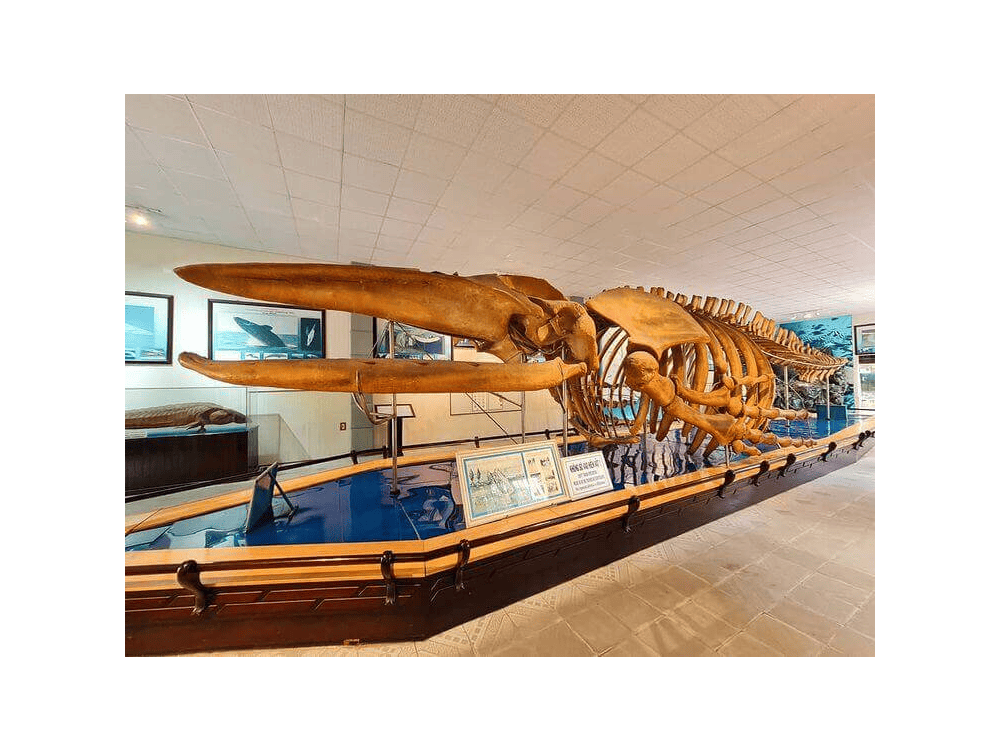
The foundation of the Museum of Oceanographic Nha Trang dates back to 1922, when the Institute of Oceanography was established under French colonial rule. Originally known as “Muséum de Référence,” its primary mission was to collect and preserve marine specimens for academic research and exchange with renowned institutions such as the Natural History Museums in Paris and London. By 1948, the museum had acquired over 42,000 specimens, making it one of the most significant marine biology repositories in the region.
As public interest in marine science and conservation grew, the museum expanded its role beyond scientific research. A public aquarium was inaugurated in 1941 with 23 tanks designed to showcase live marine species. Visitors had already begun exploring the museum by 1938, and by 1943, the facility was officially designated the Marine Museum. Over the decades, it has evolved into a center for biodiversity preservation, public education, and marine science outreach. Its ongoing mission includes raising awareness about ocean conservation, supporting Vietnam’s maritime heritage, and inspiring future generations to protect marine environments.
1.3. Opening Hours and Entrance Fee
Before planning your visit, it is useful to know the operating schedule and ticket prices to make the most of your experience.
2. How to Get to Museum Of Oceanographic
The Museum of Oceanographic Nha Trang is conveniently located just about 10 minutes (4.7 kilometers) south of the city center, near the iconic 2-4 Square. Whether you’re staying in the heart of the city or along Tran Phu Street, there are several transportation options to reach the museum:
- By Taxi: Taxis are readily available in Nha Trang and are an ideal choice for families or tourists unfamiliar with the city layout. Simply provide the address “01 Cau Da, Vinh Nguyen Ward,” and most drivers will take you directly to the entrance. The ride offers a scenic view along the beach and usually takes less than 15 minutes.
- By Motorbike or Car: Motorbike rentals are popular among adventurous travelers. From 2-4 Square, head south on Tran Phu Street. As you approach Cau Da Port, the museum will be on your left-hand side. Parking is available onsite or nearby. Private cars or ride-hailing services like Grab are also convenient and cost-effective options.
 Link opens in new window. Site may not meet accessibility guidelines.