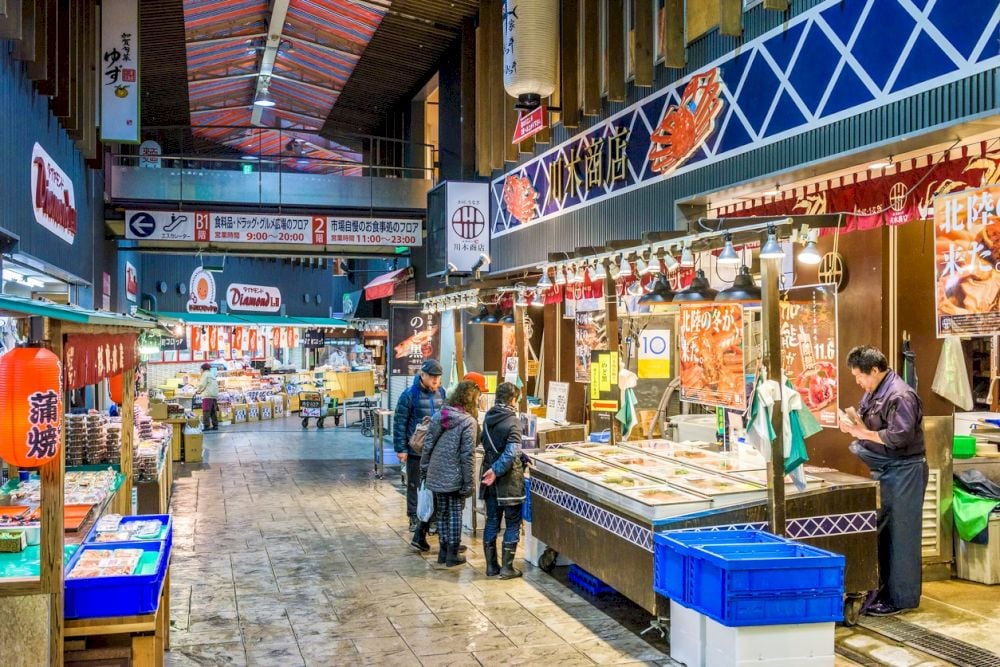
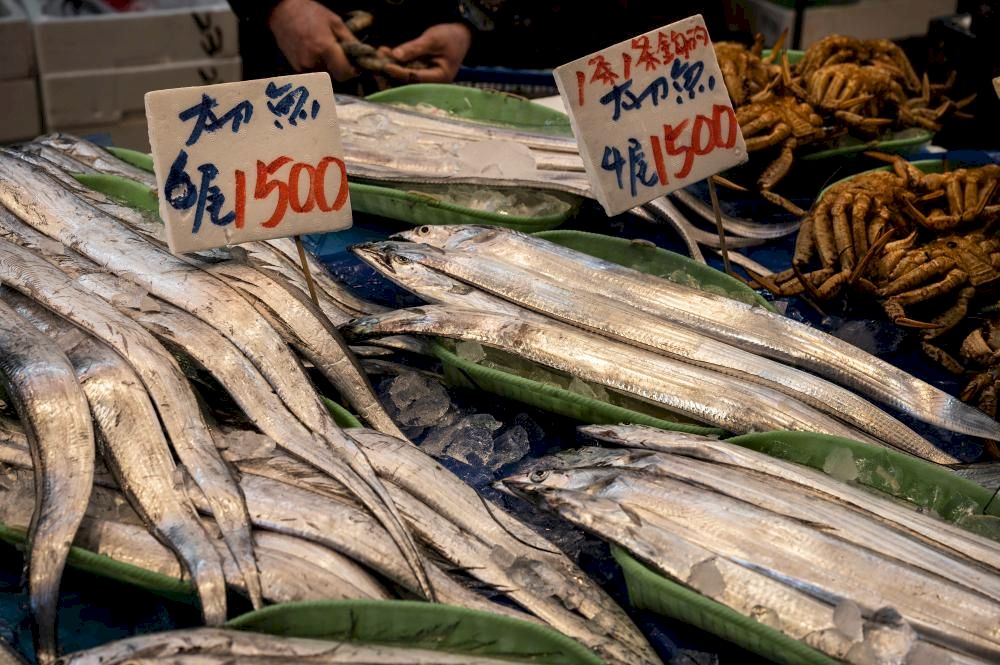
This experience offers dynamic market energy, world-class seafood cuisine, and fascinating insights into Tokyo's food industry infrastructure (Source: Freepik)
5. Practical Travel Tips for Exploring Japan's Tourist Attractions
5.1. Best Times to Visit
The best times to visit Japan are spring (March - May) and autumn (September - November), each offering distinct advantages for different types of travelers.
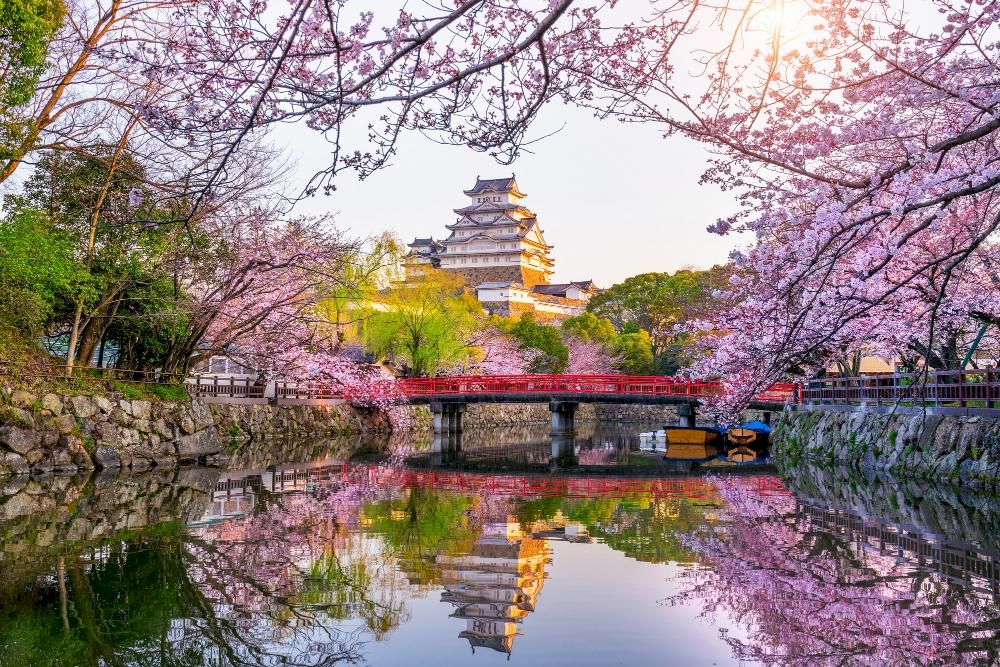
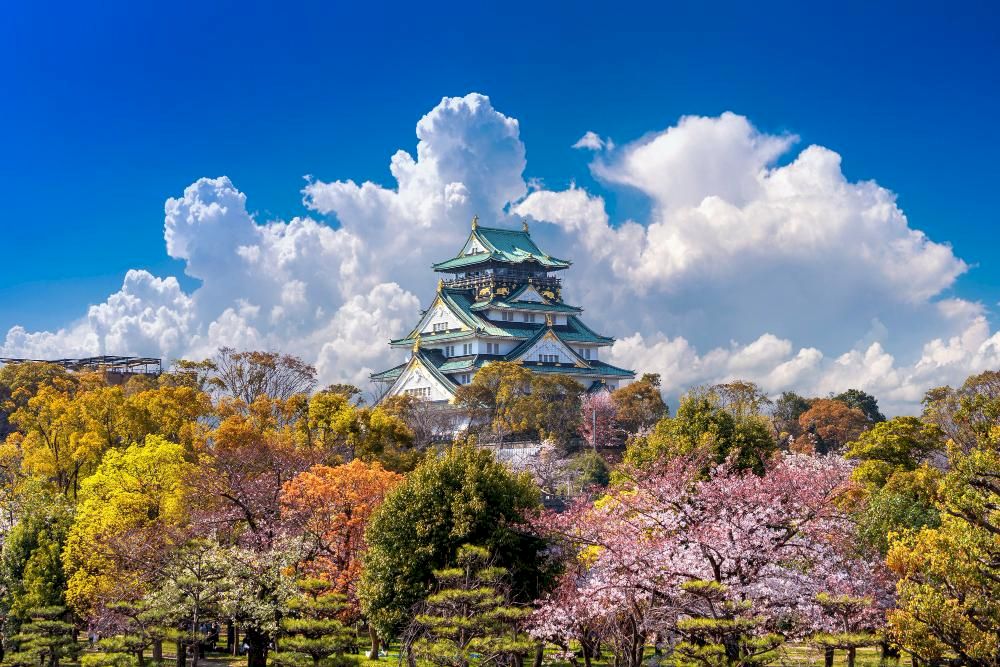
- Spring (March-May) is ideal for experiencing Japan's world-famous cherry blossom season, with peak blooms typically occurring from late March to early May depending on the region. This season features pleasant temperatures of 15 - 20°C, perfect for outdoor sightseeing and hanami (cherry blossom viewing) parties. However, this is also peak tourist season, so expect crowds and higher accommodation prices.
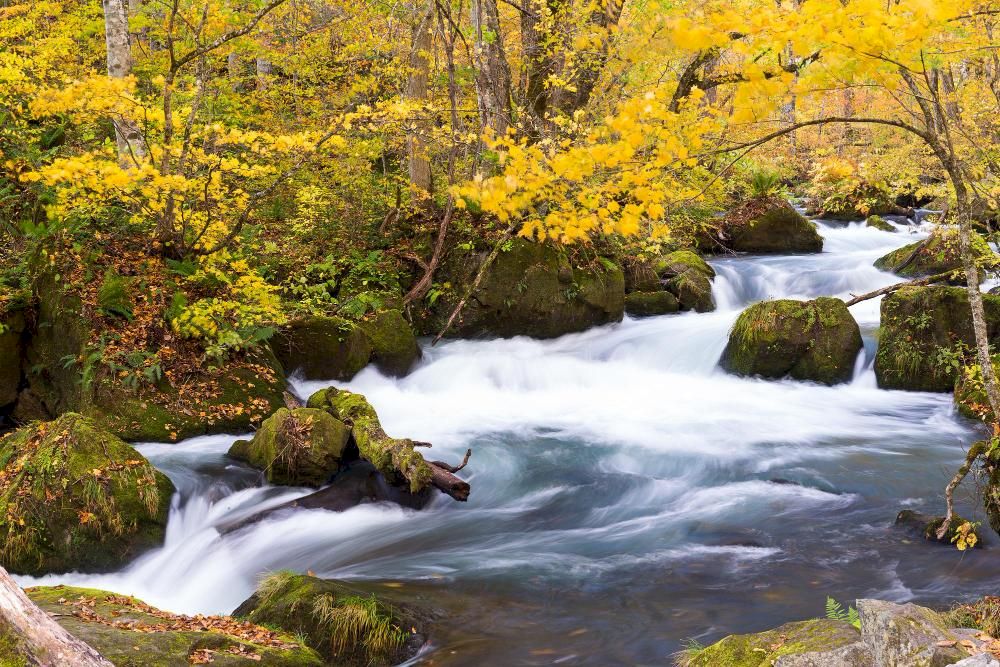
- Autumn (September-November) provides spectacular fall foliage, comfortable weather with less humidity, and fewer crowds than spring. The autumn colors peak in different regions at different times - early October in northern areas like Hokkaido, and late November in southern regions. This season offers excellent conditions for hiking, temple visits, and photography.
- Summer (June-August) can be hot and humid with temperatures reaching 30-35°C, but it's the only time for Mount Fuji climbing season and offers vibrant festivals, fireworks displays, and perfect weather in Hokkaido. The rainy season (tsuyu) occurs from early June to mid-July.
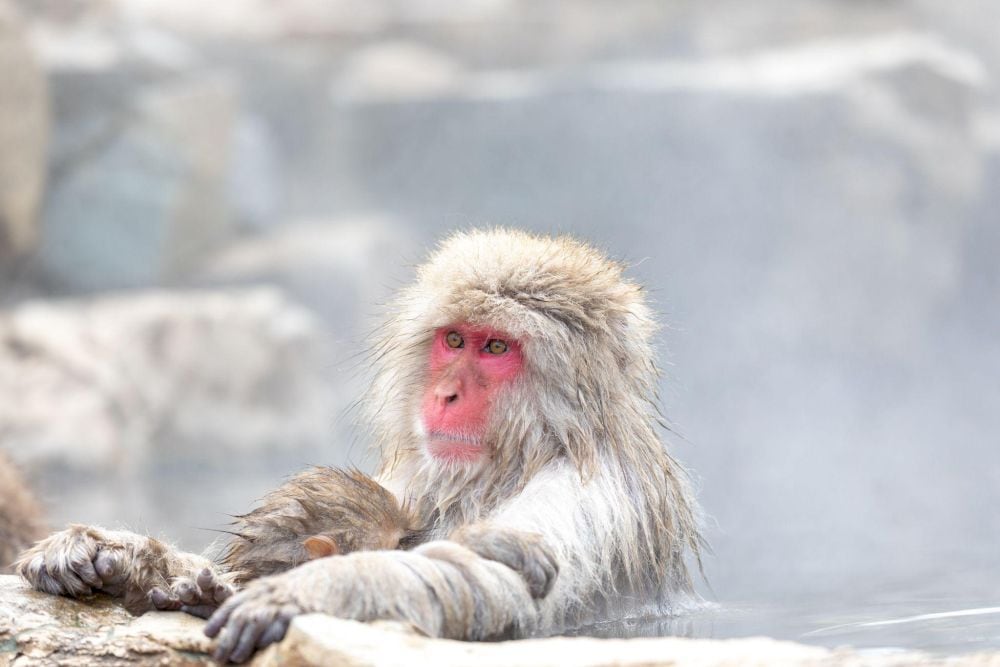
- Winter (December-February) brings cold temperatures but offers unique experiences like the Sapporo Snow Festival, excellent skiing in regions like Nagano, and fewer tourists at popular attractions. Winter illuminations and onsen (hot spring) experiences are particularly magical during this season.
For first-time visitors, late April to early May and October to mid-November typically provide the best balance of pleasant weather, natural beauty, and manageable crowd levels.
5.2. Transportation Tips
Japan Rail Pass (JR Pass) for Long-Distance Travel: This pass covers most JR trains including shinkansen (bullet trains), local trains, and some buses. Purchase before arriving in Japan for significant savings when traveling between major destinations like Tokyo, Kyoto, Osaka, and Hiroshima. The 7-day pass costs around ¥29,650 and pays for itself with just one Tokyo-Kyoto round trip.
Local IC Cards for City Transportation: Use rechargeable IC cards like Suica (Tokyo area) or ICOCA (Kansai region) for seamless travel on subways, buses, and local trains within cities. These cards work across most of Japan and can also be used for purchases at convenience stores and vending machines. Load money at any station machine and simply tap to enter/exit transportation.
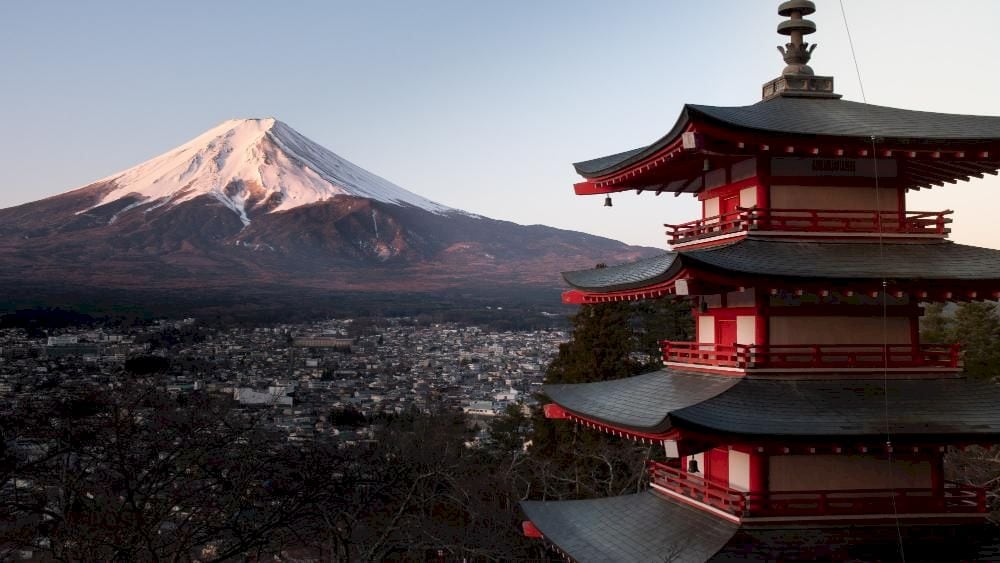
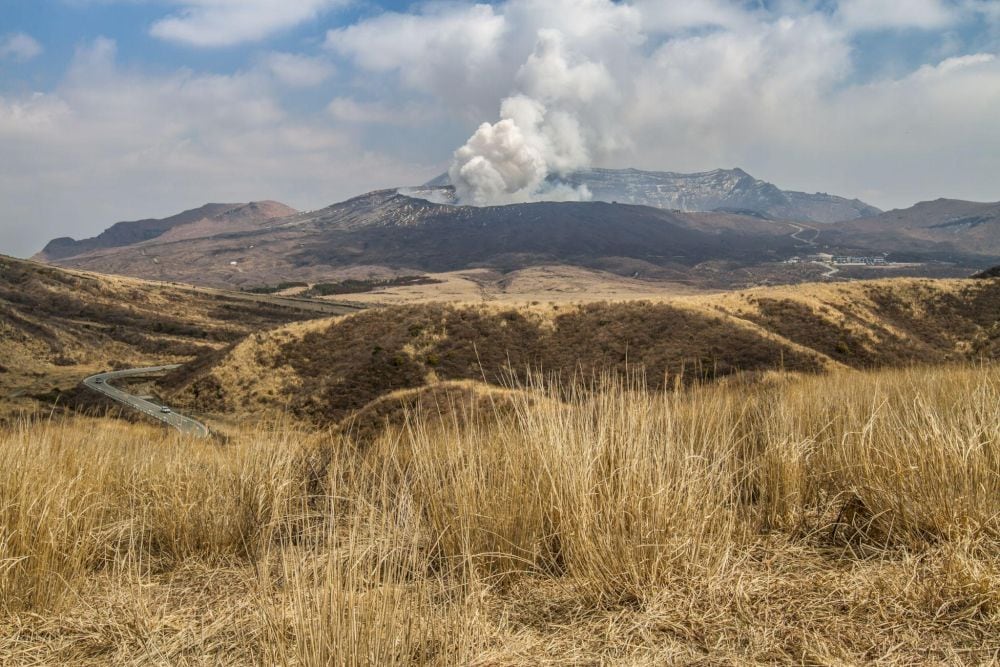
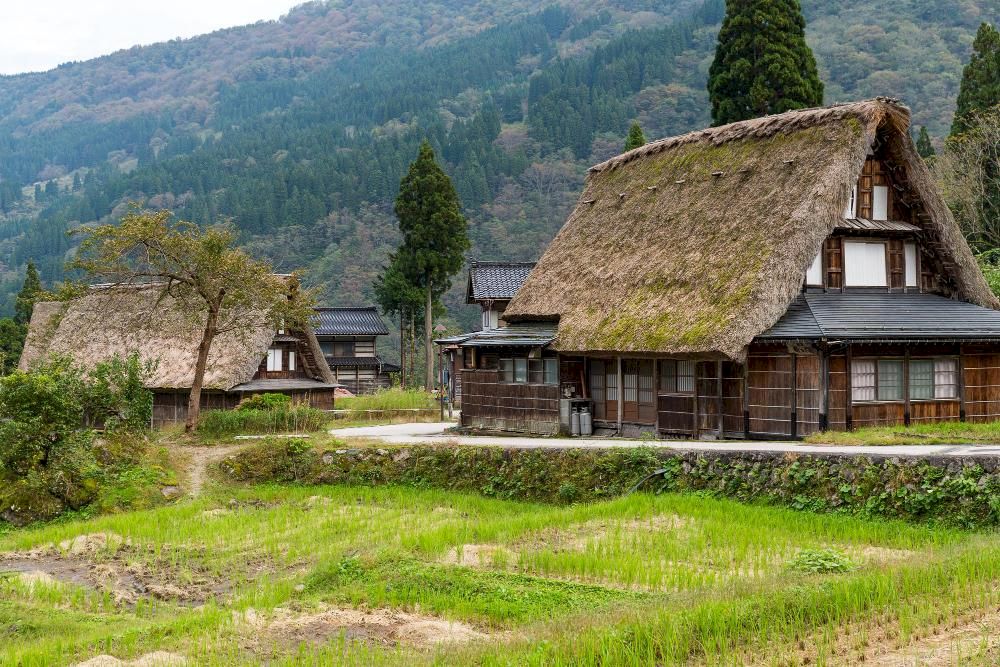
Regional Transportation Strategies: For rural areas and mountainous regions like Mount Fuji, Shirakawa-go, or Mount Aso, consider guided tours or rental cars as public transportation can be limited.
Money-Saving Tips: Book accommodation near major train stations to minimize local transportation costs. Many Japanese tourist attractions offer combination tickets that include transportation and admission fees. Consider staying in one base city and taking day trips to nearby attractions to avoid constant luggage movement.
Timing Considerations: Avoid rush hours (07:00 - 09:00 AM and 05 :00 - 07:00 PM) when traveling to Japanese tourist attractions. Start early to beat crowds at popular destinations and ensure you catch the last trains back to your accommodation, as service typically ends around midnight.
5.3. Cultural and Etiquette Tips
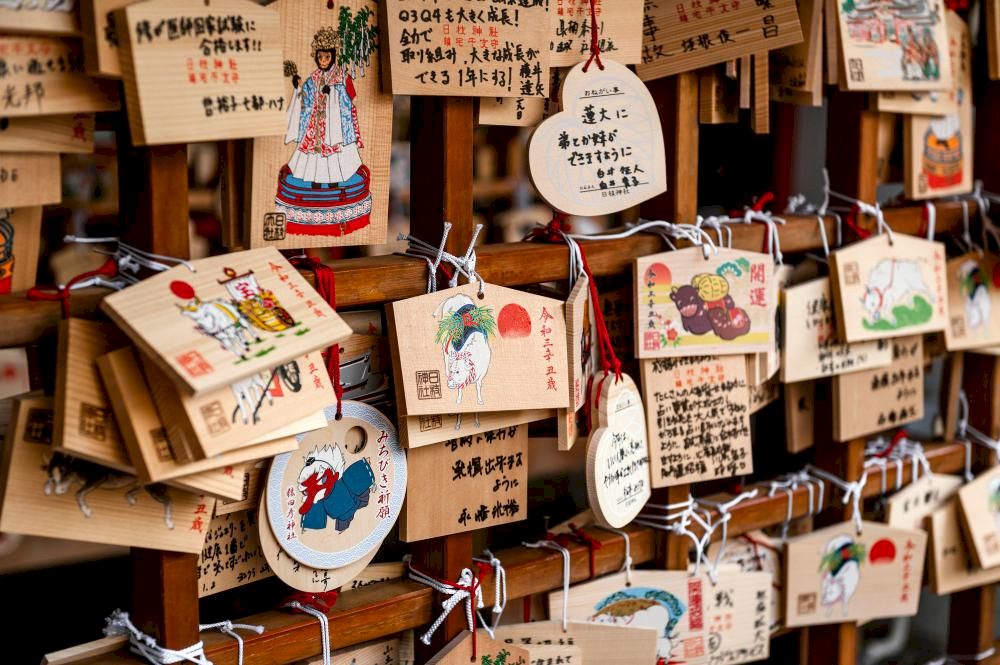
- At Temples and Shrines: Bow before entering, wash hands and rinse mouth at water basins, maintain silence and respect people praying.
- At Restaurants: No tipping required, say "Itadakimasu" before eating and "Gochisousama" after eating. Don't stick chopsticks vertically in rice.
- Time and Punctuality: Japanese highly value time, arrive punctually for appointments and respect opening/closing hours of venues.
These Japanese tourist attractions aren't just destinations – they're gateways to experiences that will fundamentally change how you see beauty, tradition, and human connection with nature. Ready to transform your travel dreams into reality? Contact Vietnam National Airlines today to book your Japan adventure.




 Link opens in new window. Site may not meet accessibility guidelines.