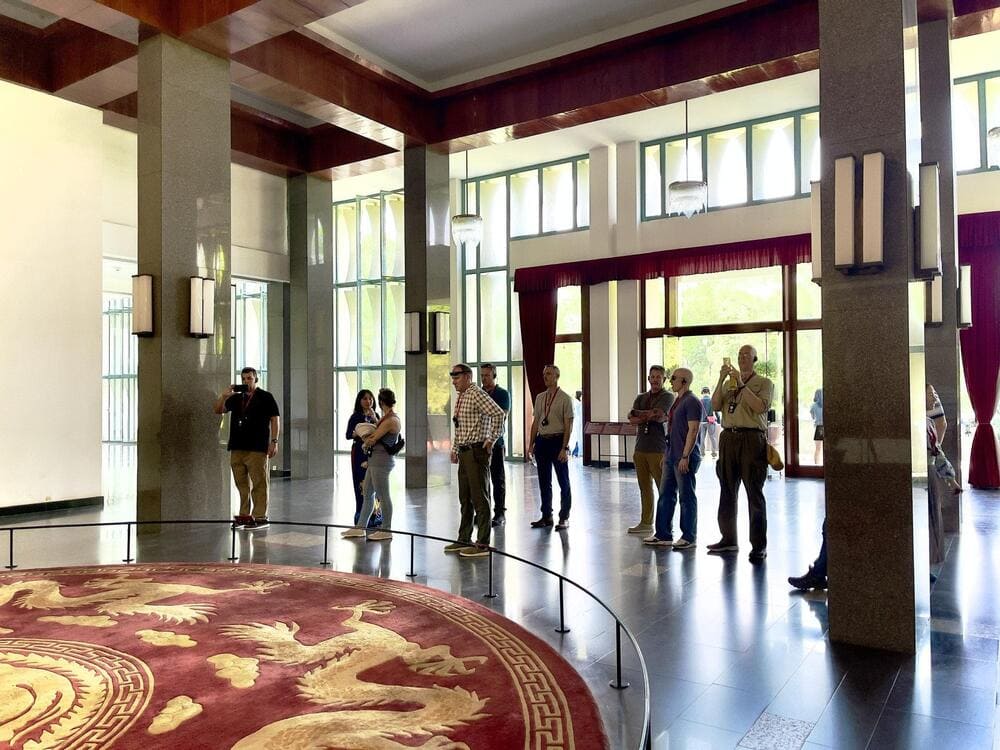
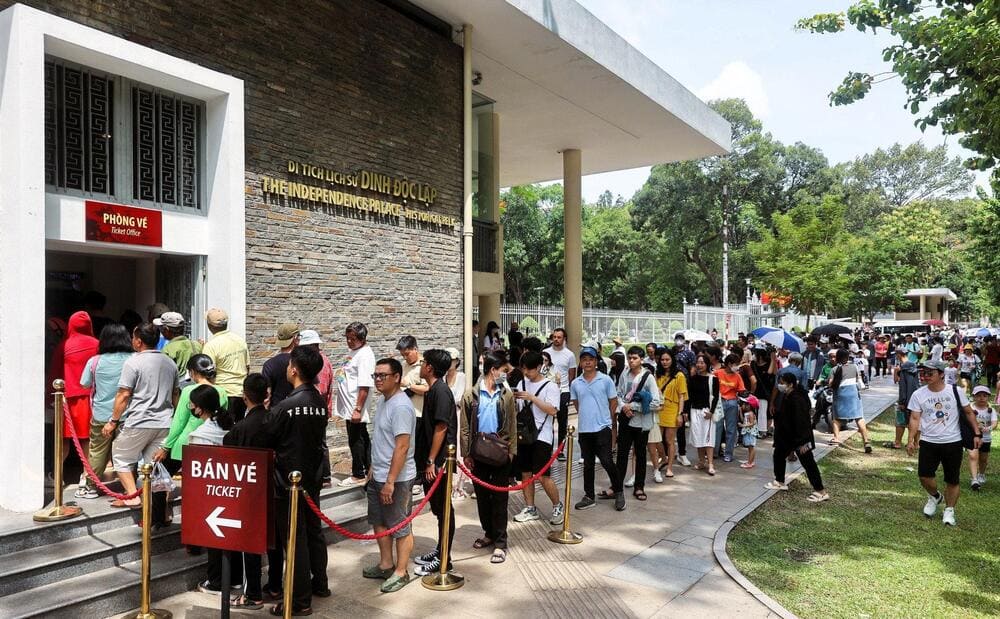
Foreign visitors are encouraged to use the audio guide service, available in 10 languages, to make their visit more engaging and informative (Source: Dinh Doc Lap - Independence Palace)
1.3. Opening Hours
- The main building of the Independence Palace is open to the public daily from 8:00 AM to 4:30 PM.
- The exhibition “From Norodom Palace to Independence Palace 1868 - 1966” is open from 8:30 AM to 4:30 PM. Please note that ticket sales are only available from 8:00 AM to 3:30 PM, so be sure to plan your visit accordingly to avoid missing out.
Additionally, the Independence Palace may close during the Lunar New Year (Tet) holiday or for routine cleaning and maintenance. For the most up-to-date information on admission fees and closure dates, visitors are encouraged to check the official website here.
2. A Glimpse Into The History Of Independence Palace Ho Chi Minh
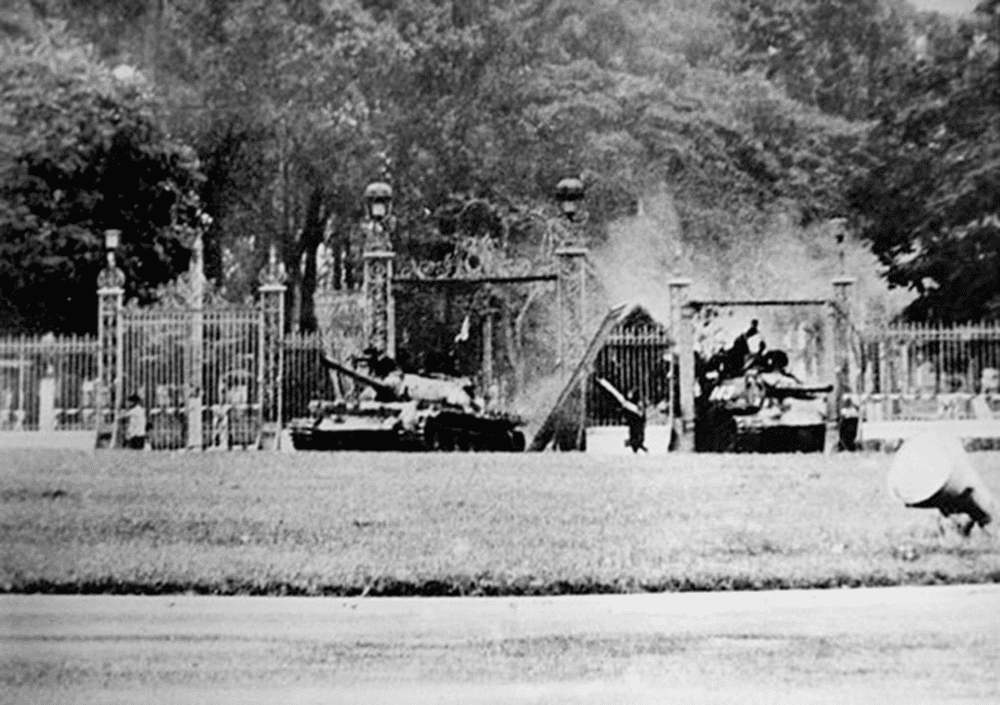
While the Independence Palace today stands as a serene attraction in the heart of Ho Chi Minh City, its past is deeply entwined with the country’s most turbulent chapters. To truly appreciate its historical and symbolic significance, let’s journey back in time to explore how this iconic landmark came to be and the pivotal role it played during the Vietnam War.
The Origins Of Independence Palace (Dinh Doc Lap)
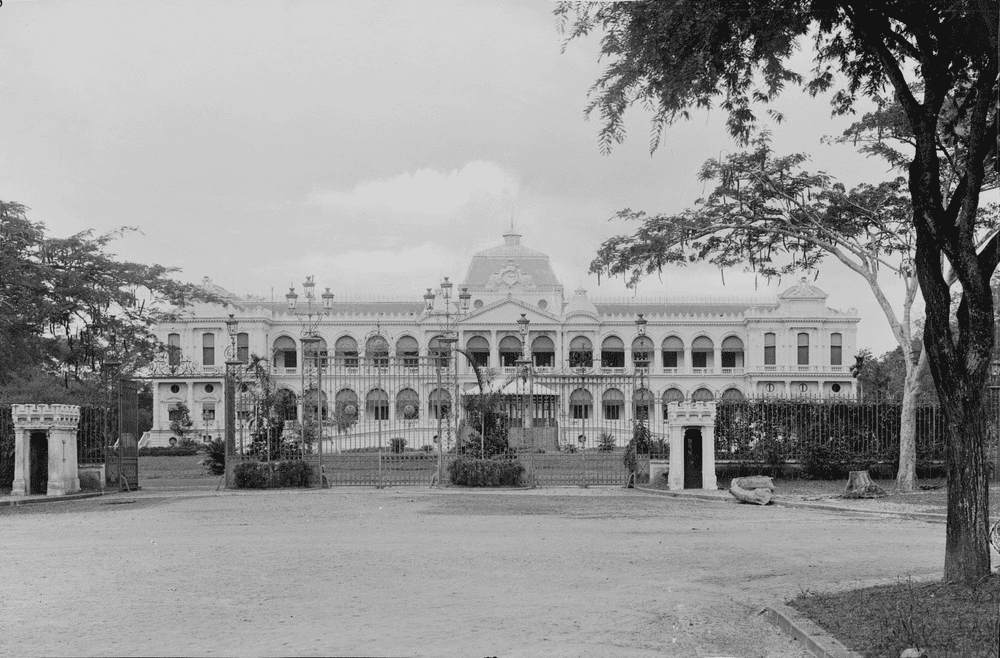
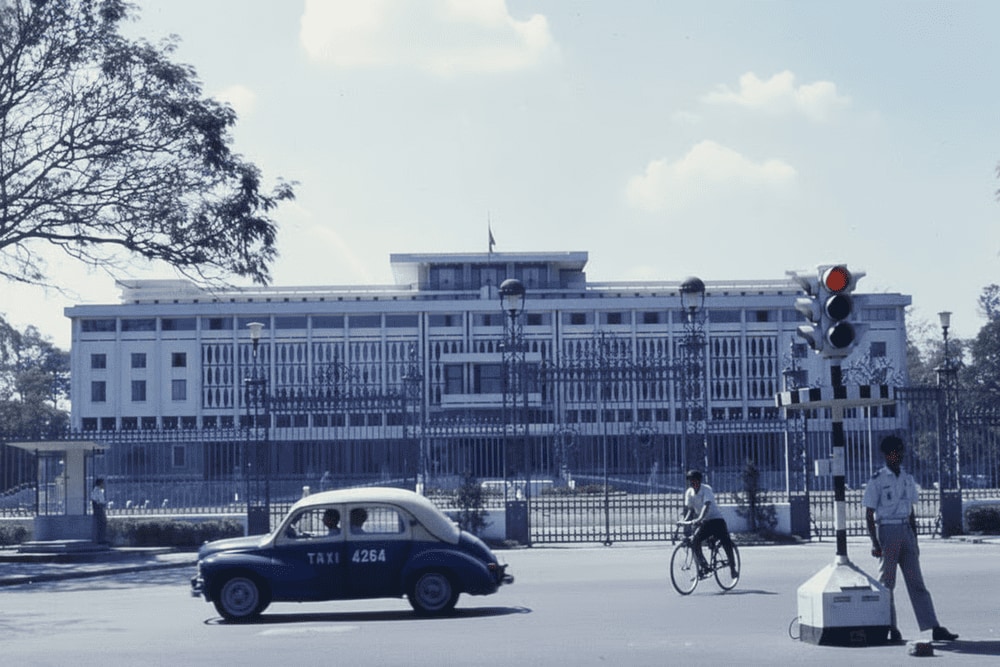
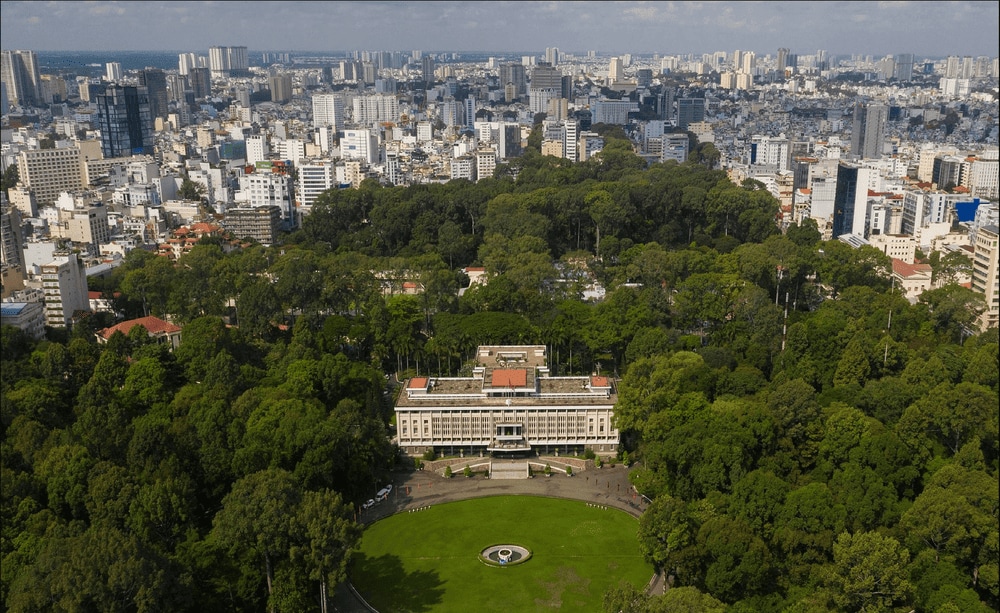
The story of the Independence Palace is deeply intertwined with Vietnam’s complex history of colonization and war. The Independence Palace, originally built as Norodom Palace in 1868 under French colonial rule, served as the residence of French governors until 1945. It later became a Japanese administrative office during World War II and then the French military headquarters before their withdrawal after the 1954 Geneva Accords.
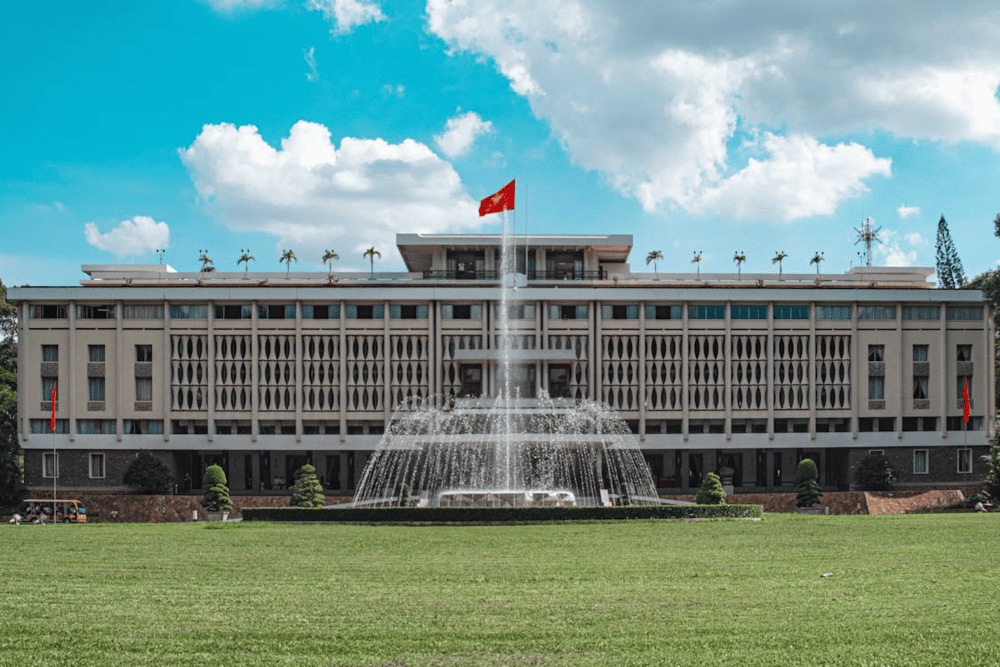
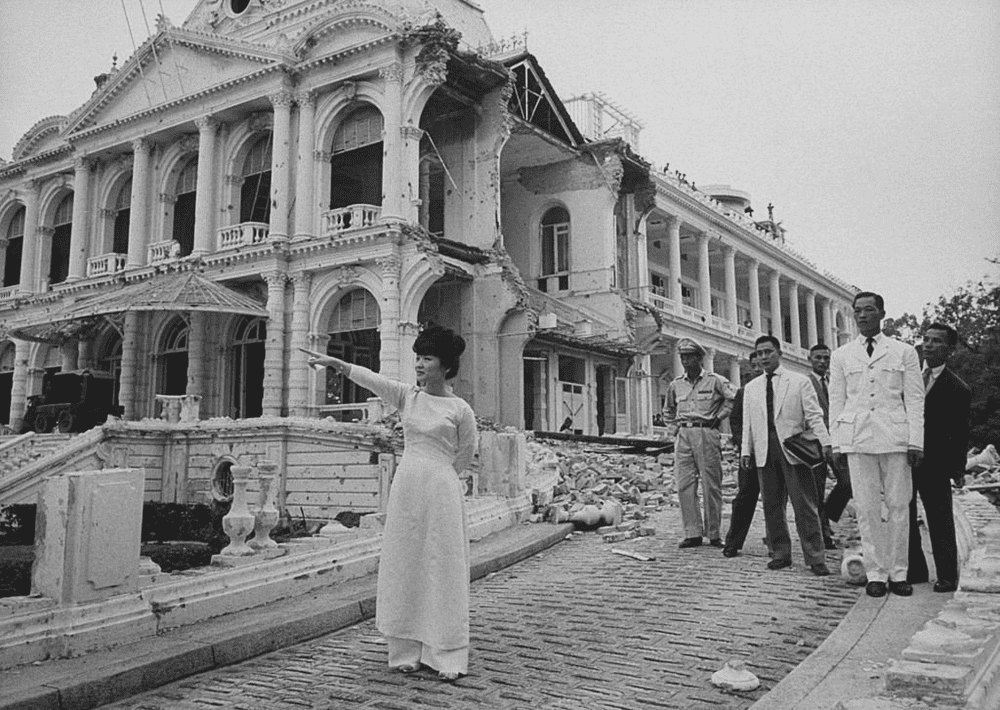
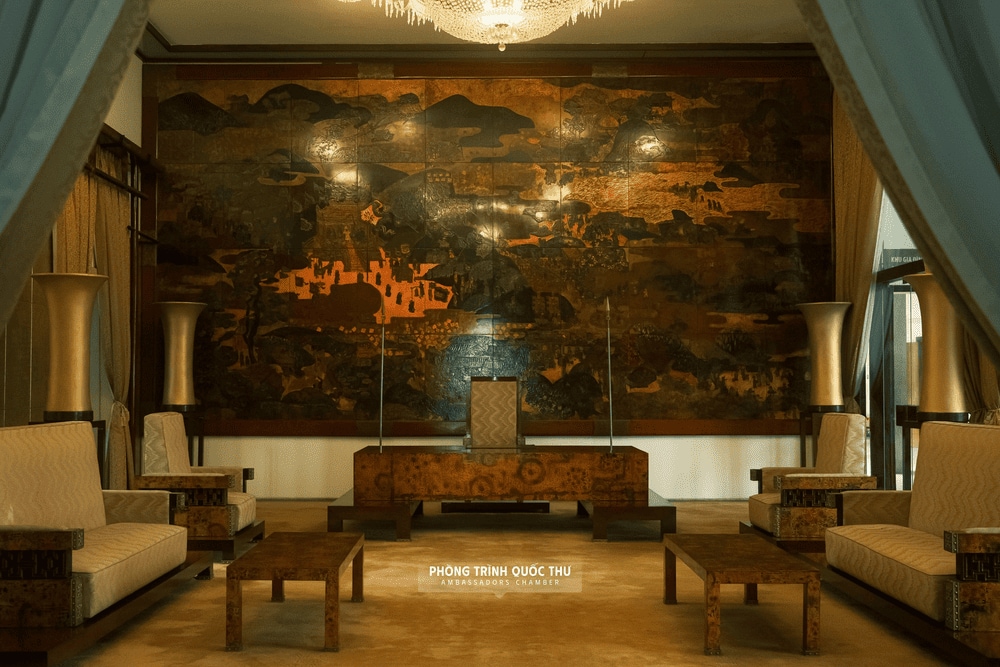
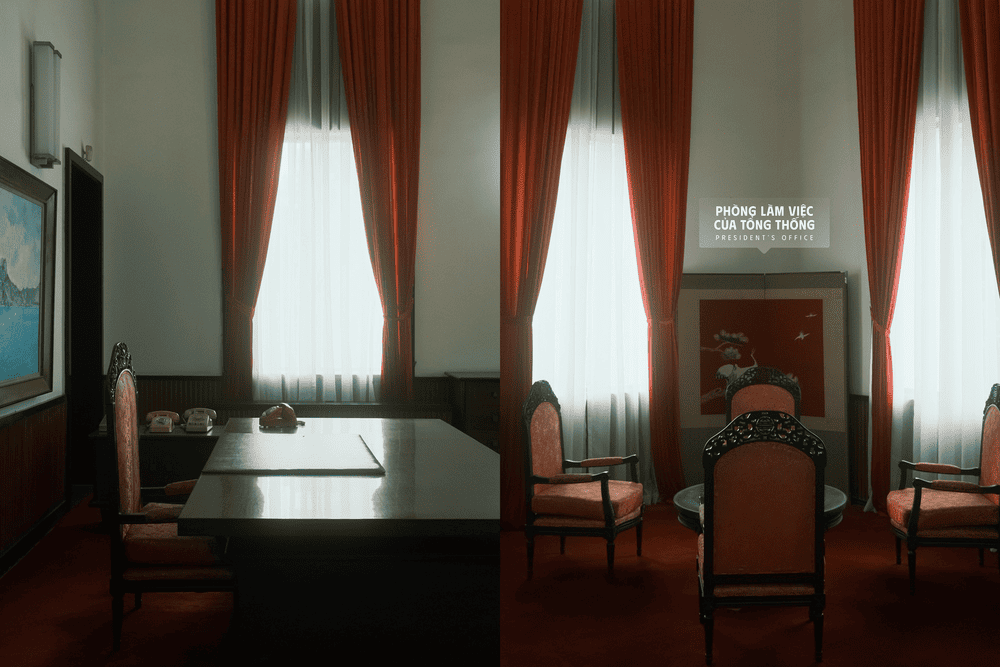
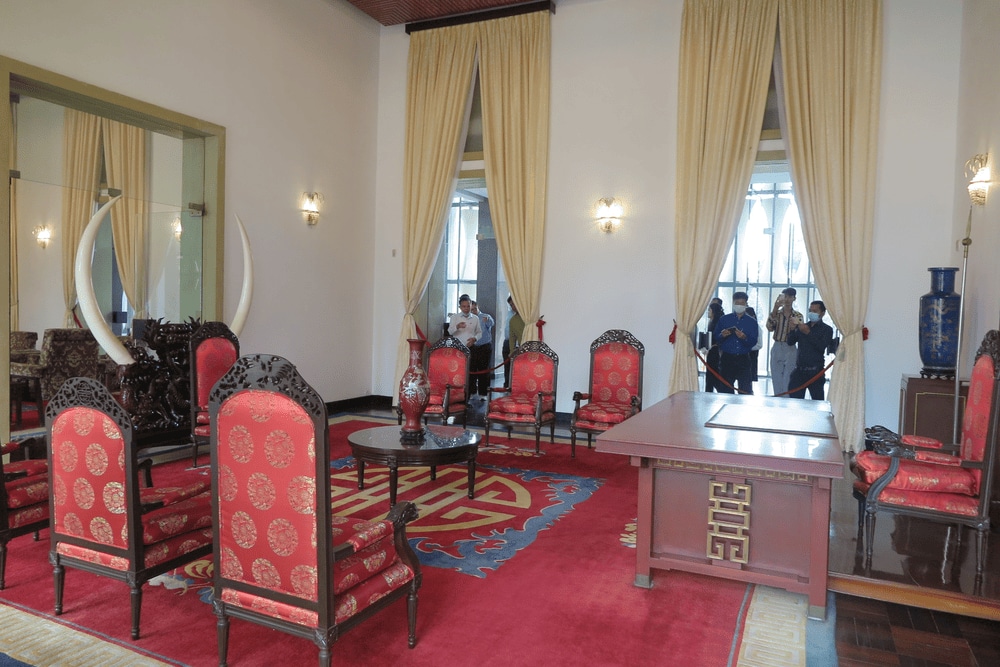
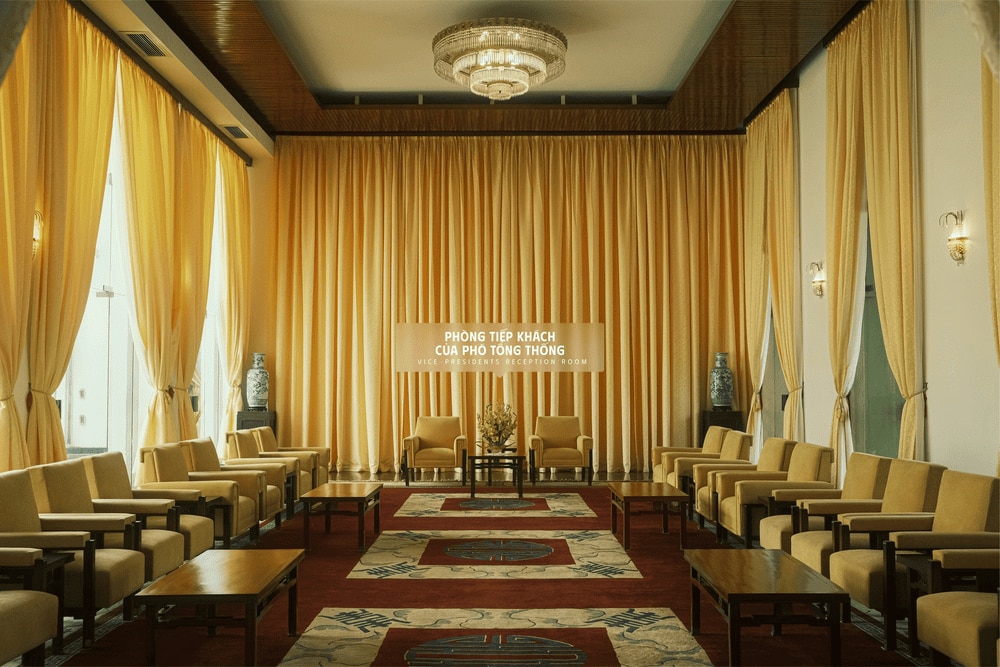
On 7 September 1954, it was handed over to Prime Minister Ngo Dinh Diem, who renamed it the Independence Palace. However, in 1962, a bombing attack severely damaged the building beyond repair. As a result, President Ngo Dinh Diem ordered the construction of a completely new palace in 1966 by architect Ngo Viet Thu. The palace would later become the residence and office of President Nguyen Van Thieu, the longest-serving leader of the Republic of Vietnam.




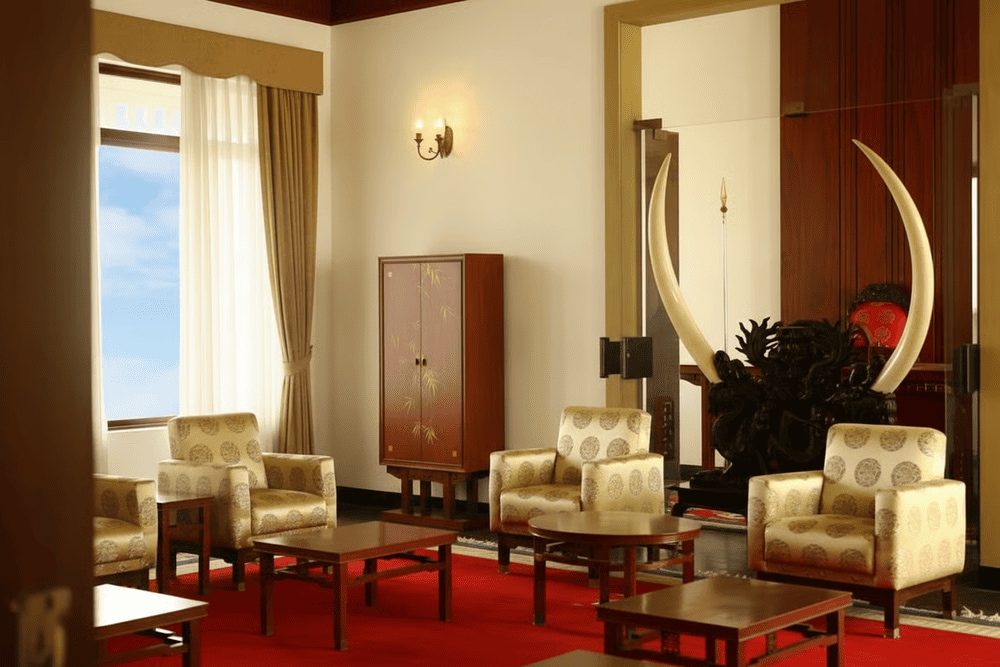
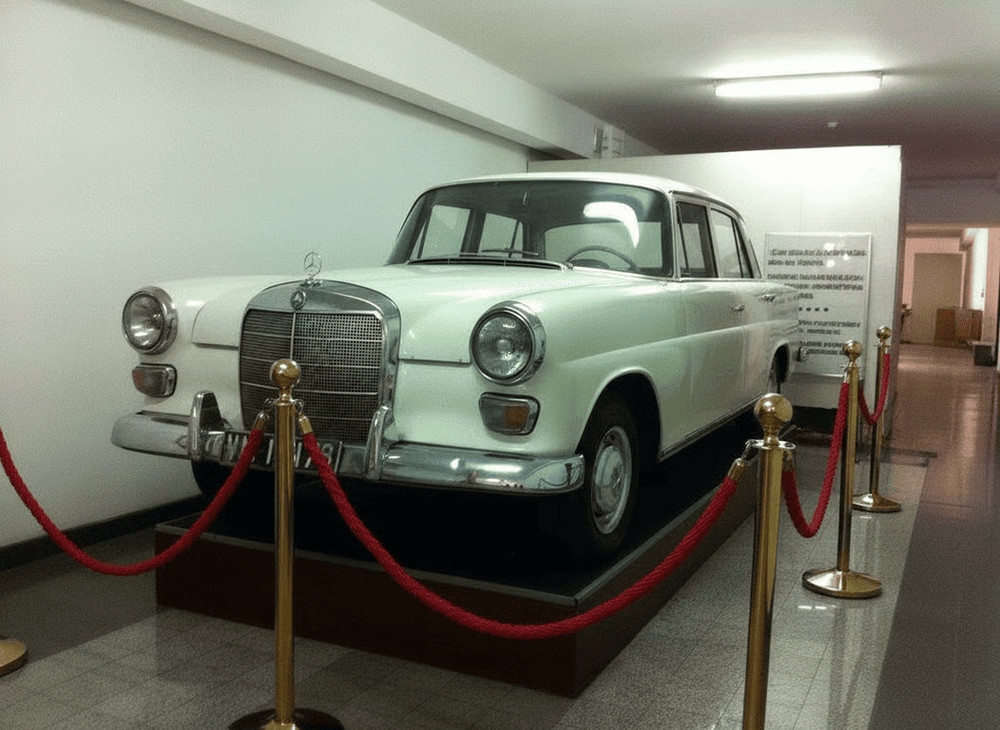
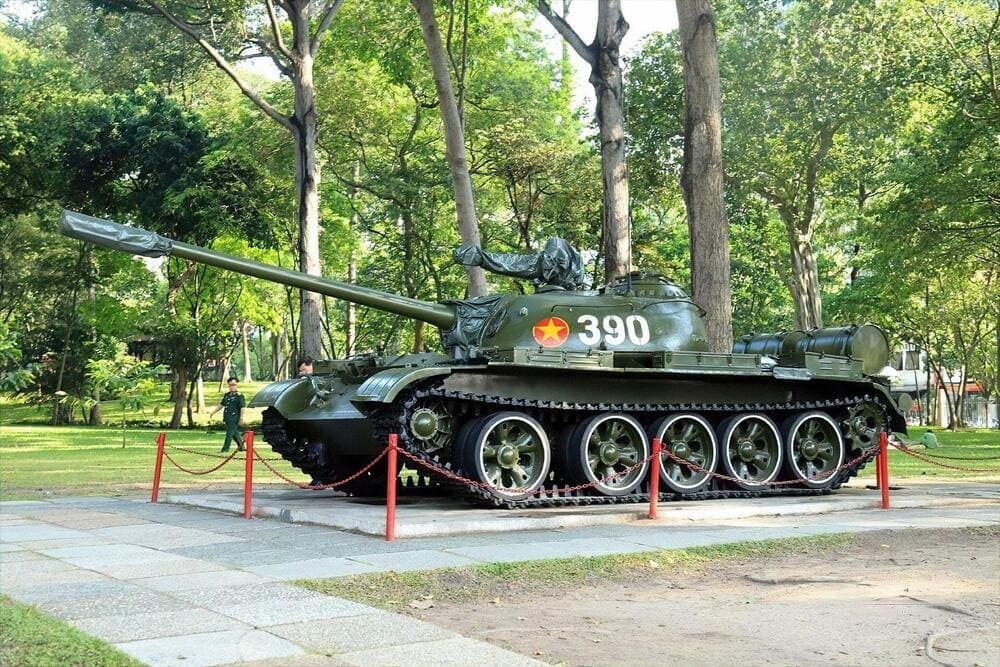
 Link opens in new window. Site may not meet accessibility guidelines.