
Things to do in Hue for the city’s nature and heritage
What lingers most in Hue is its rare sense of slowness, found in cyclos easing along tree-lined streets, elderly locals lingering over newspapers and coffee, a timeless Trinh Cong Son melody drifting from a riverside café, or incense glowing before a pagoda. Few cities leave such generous spaces between one experience and the next, allowing the Imperial City, Huong River, garden houses and craft villages to unfold within a landscape where architecture and nature coexist with remarkable ease. Hue does not ask to be rushed into; through things to do in Hue, it draws travellers into its cadence, until discovering its landscapes and legacies becomes an inward journey as much as an exploration of place.
Essential attractions in Hue
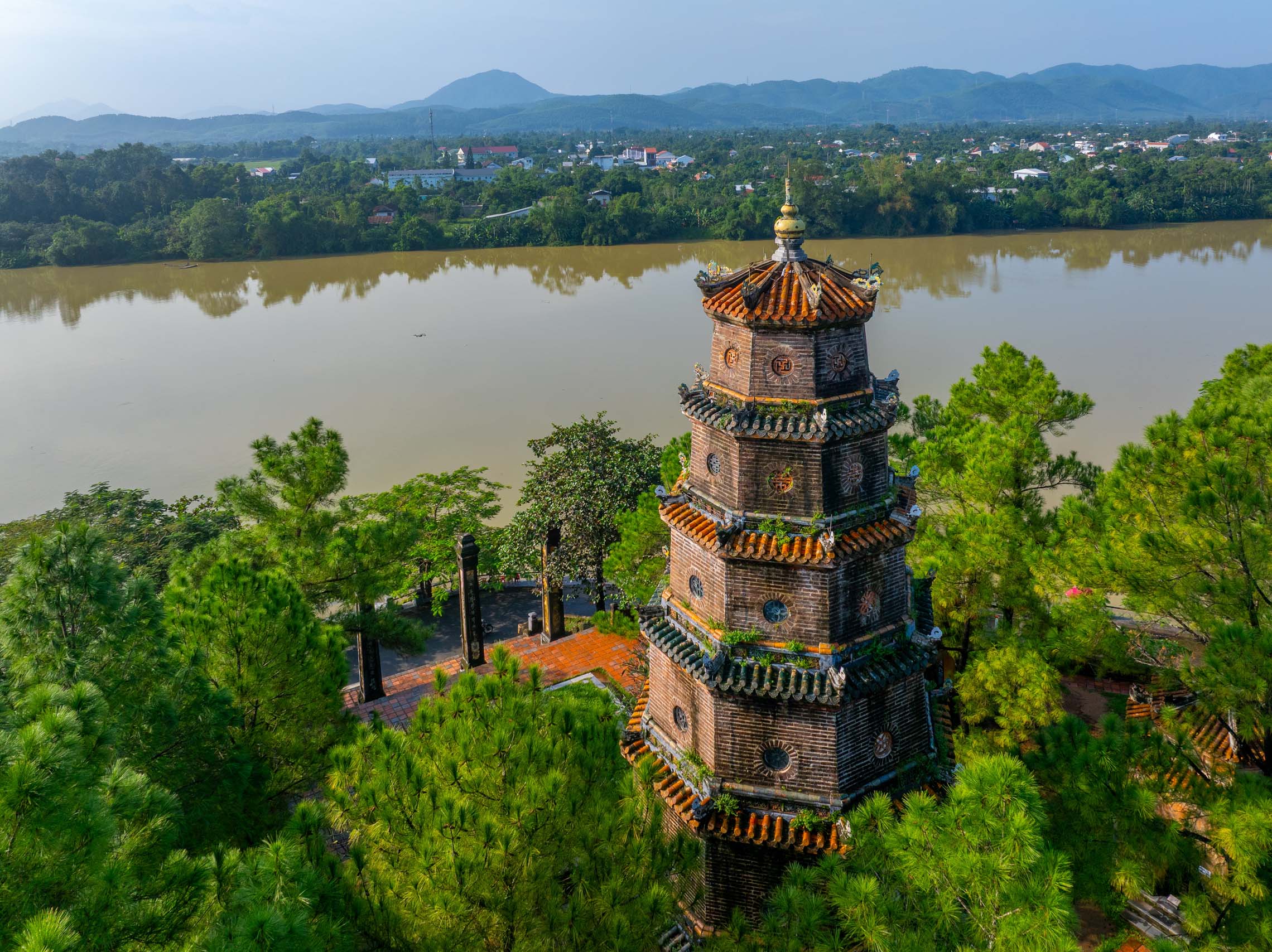
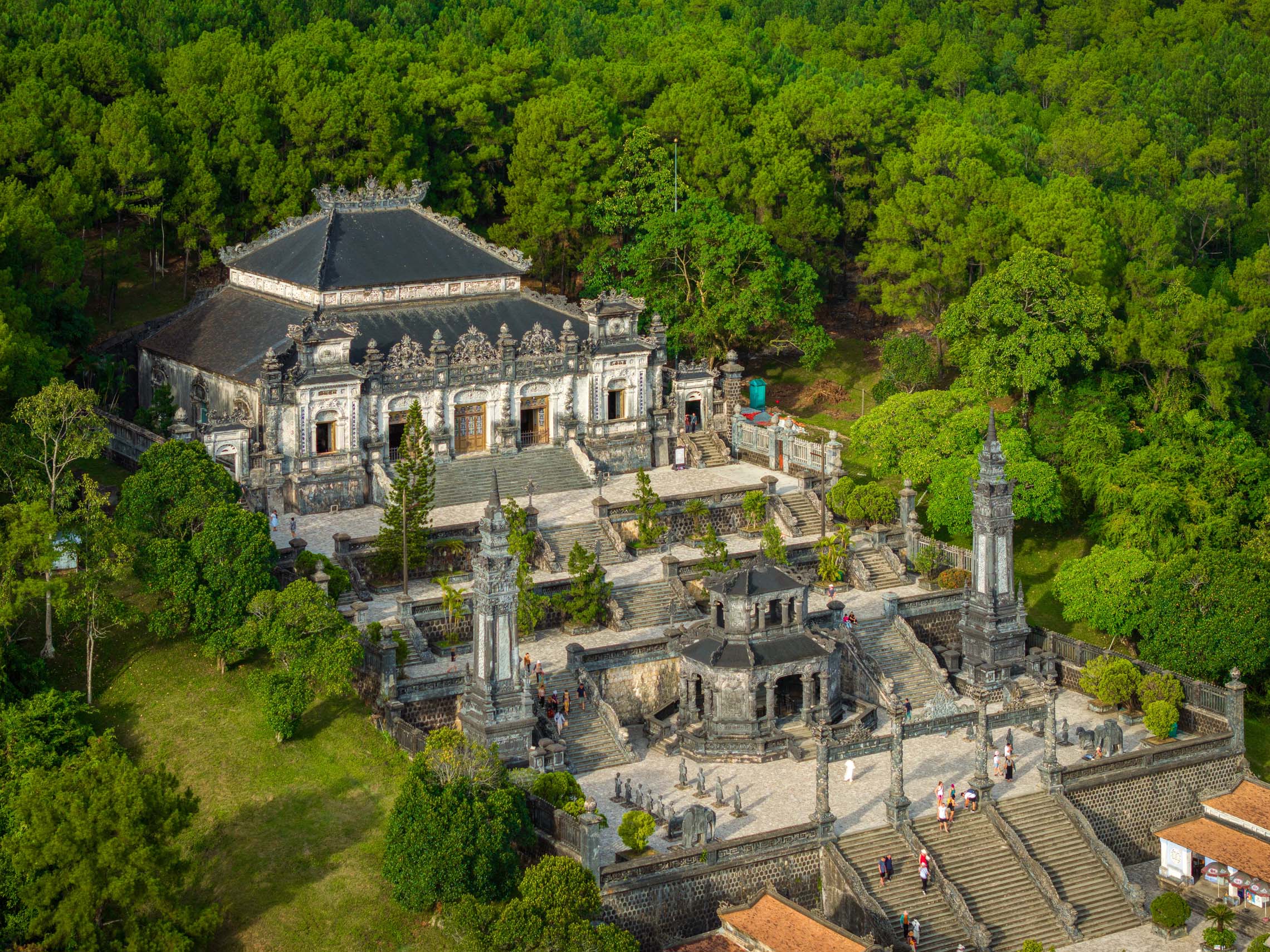
Vermilion lacquer catches the light across carved dragon screens, temple bells mingle with market calls, and faded royal seals recall the Nguyen court. Essential attractions in Hue trace a capital shaped by emperors, Buddhist devotion and river trade, with citadel walls, mausoleums, pagodas and markets preserving distinct chapters of its past while remaining woven into the city’s living cultural fabric.
Inside the Imperial City of Hue – The ceremonial heart of the Nguyen Dynasty
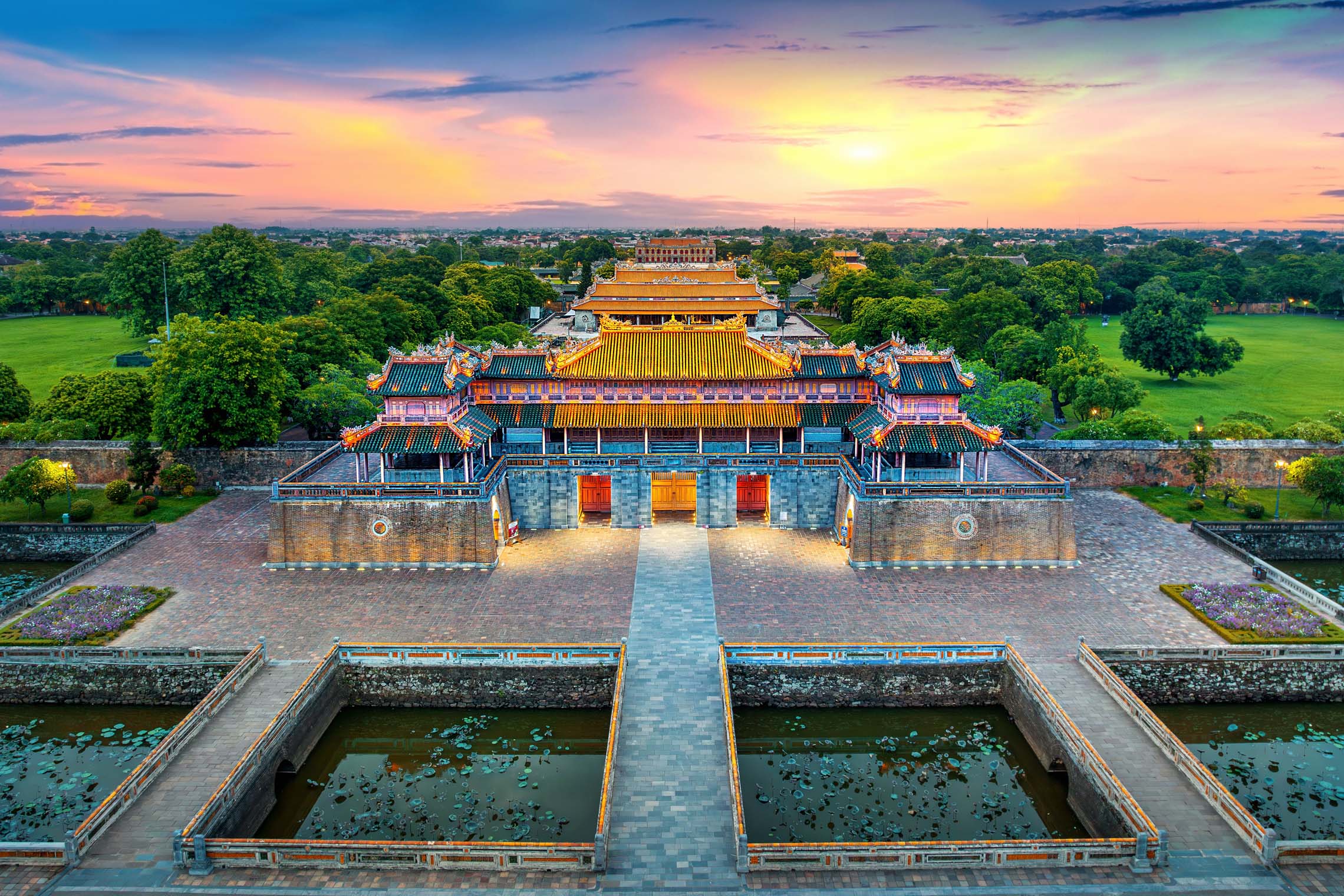
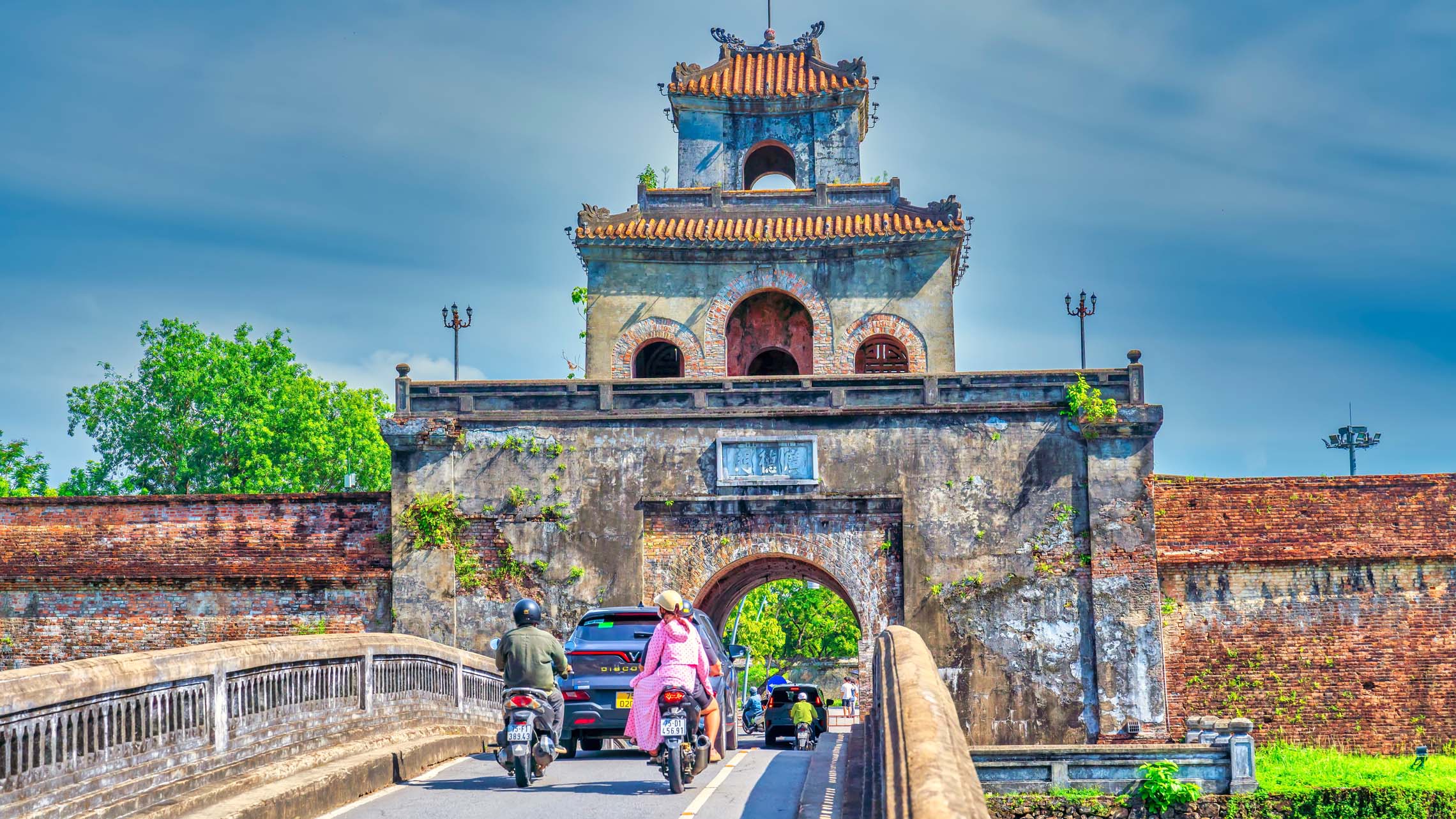
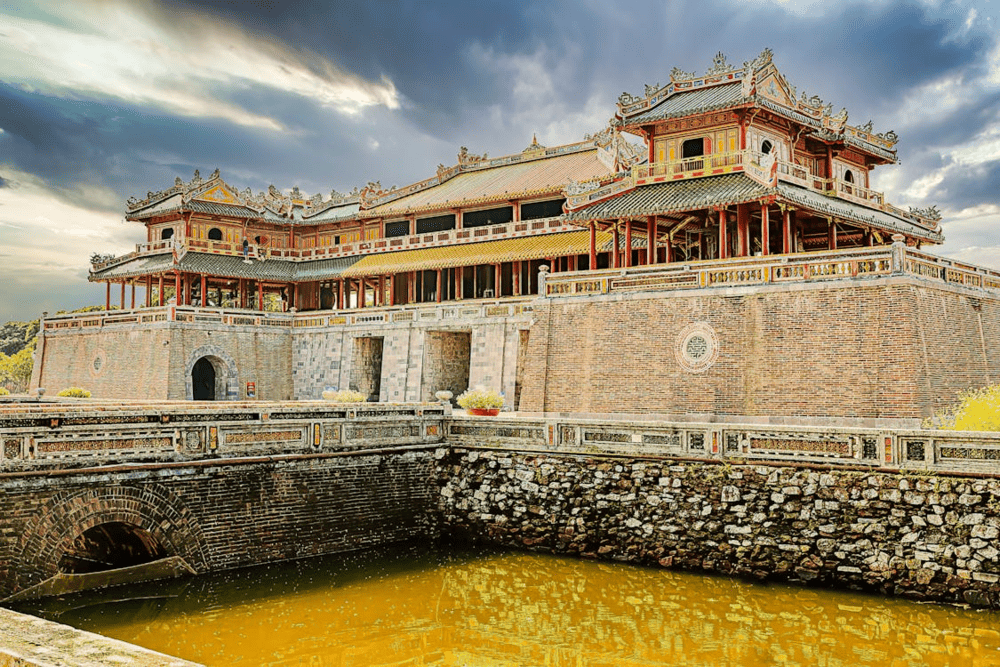
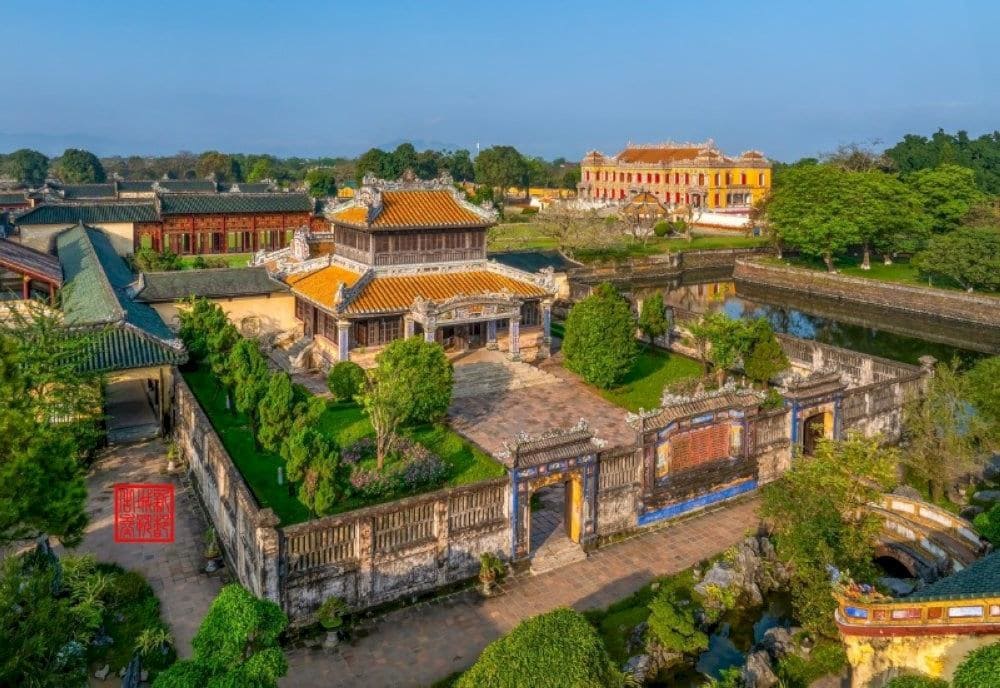
Set on the northern bank of the Huong River inside the outer ramparts of the historic Capital Citadel (Kinh Thanh Hue), the Imperial City – known locally as Dai Noi – encompasses both the administrative Imperial Enclosure (Hoang Thanh) and the private Forbidden Purple City (Tu Cam Thanh) reserved for the monarch and royal family. Constructed in the early 19th century and inscribed as a UNESCO World Heritage Site in 1993, this vast compound served for 143 years (1802 – 1945) as the supreme political, ceremonial and spiritual centre of the Nguyen Dynasty, Vietnam’s final royal house. Its north-south axis, concentric enclosures, watchtowers and monumental gates expressed a court culture deeply influenced by Confucian principles, with architecture carefully ordering relationships between the emperor, court officials and sacred spaces. Within its walls, royal ceremonies, ancestral worship, music, poetry, court dress and decorative arts developed into a distinctive cultural tradition, much of which remains visible in surviving palaces, temples and ornamental details today.







 Link opens in new window. Site may not meet accessibility guidelines.