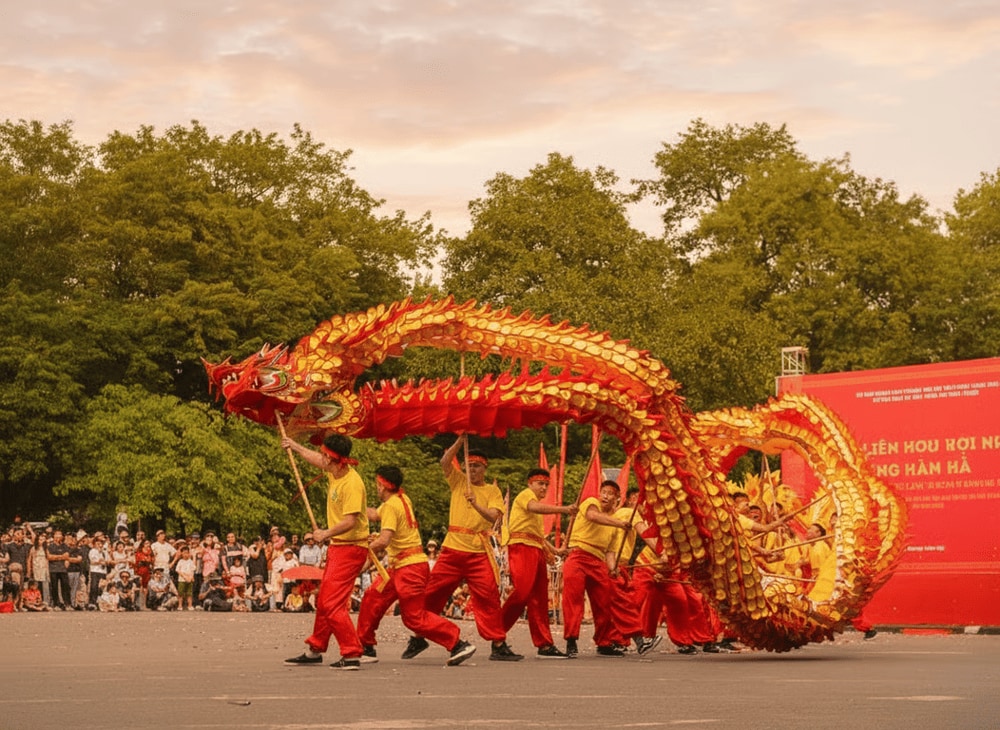
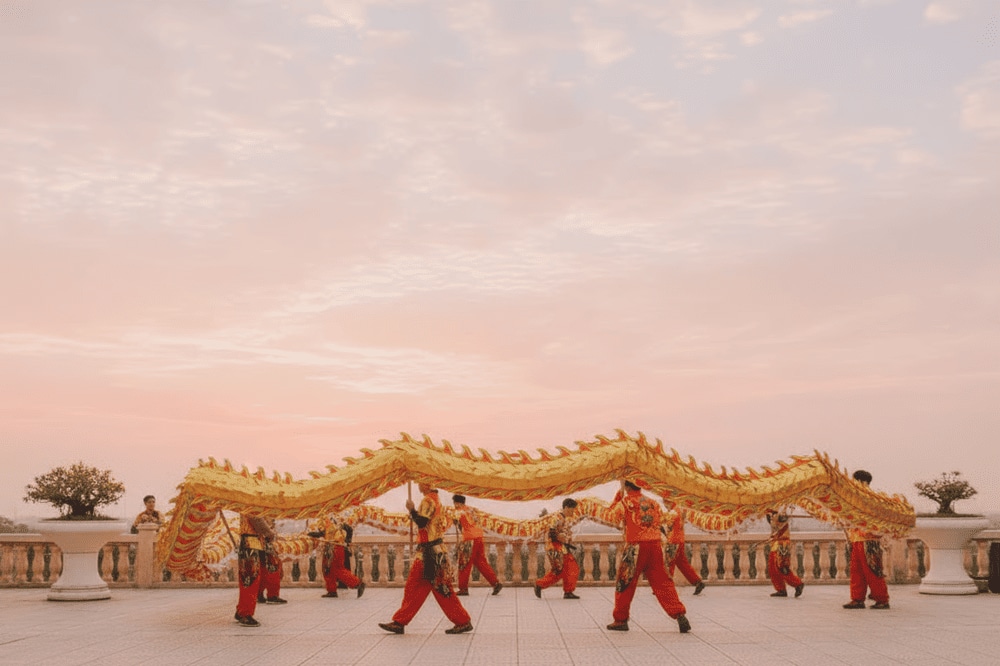
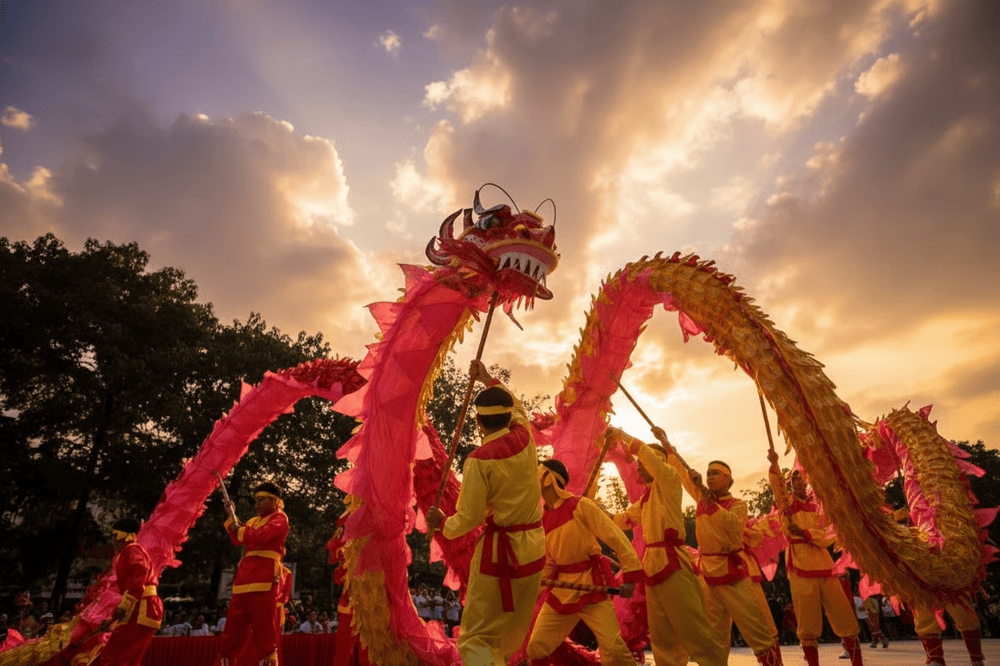
Vietnamese dragon dance is a vibrant traditional performance symbolizing power, prosperity, and good fortune
2. The Origin of Vietnamese Dragon Dance
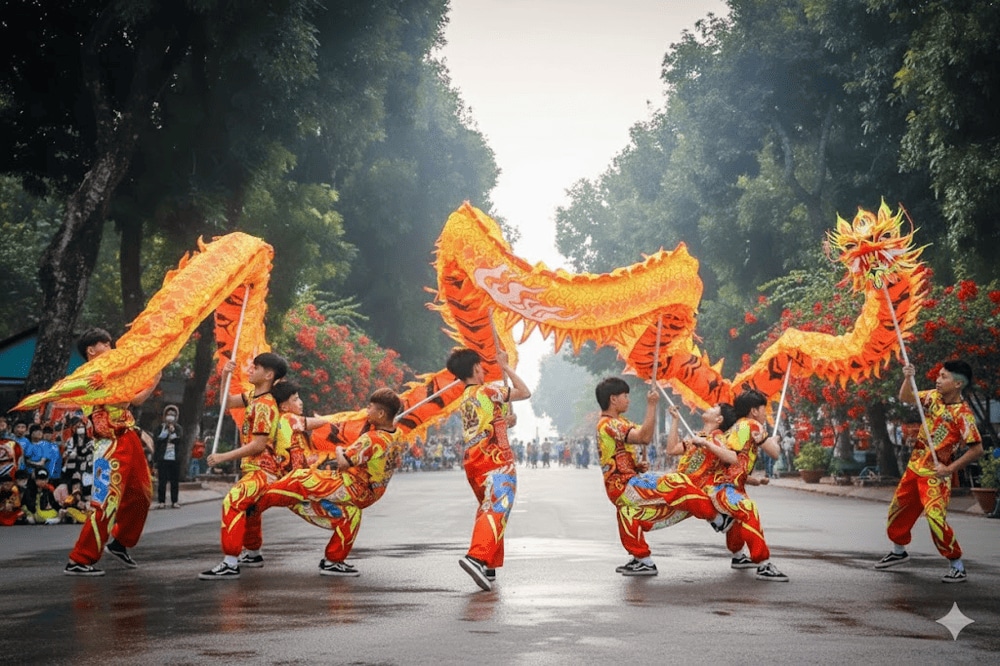
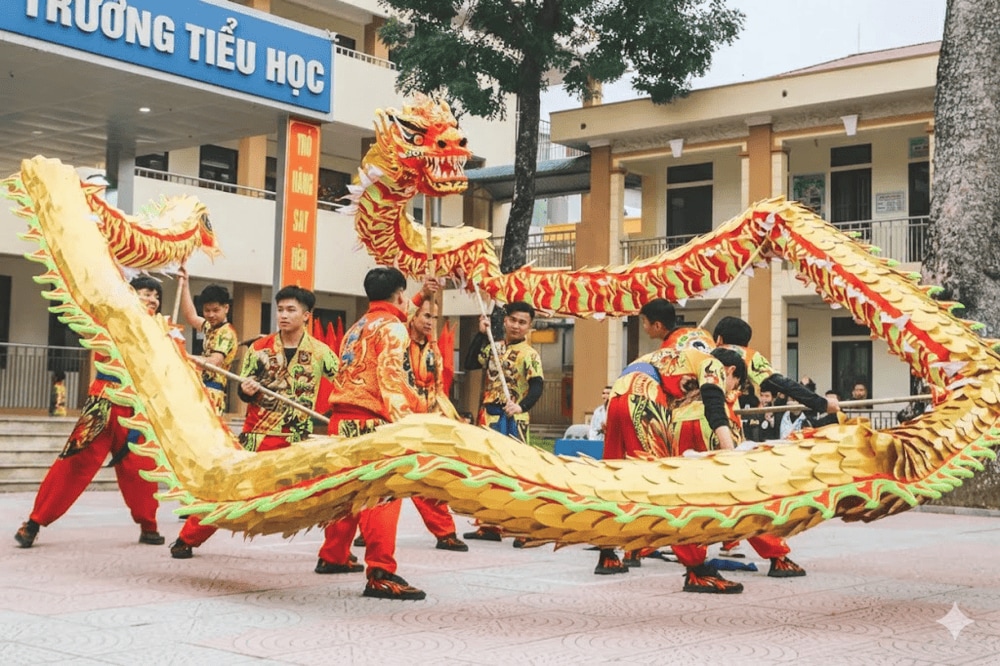
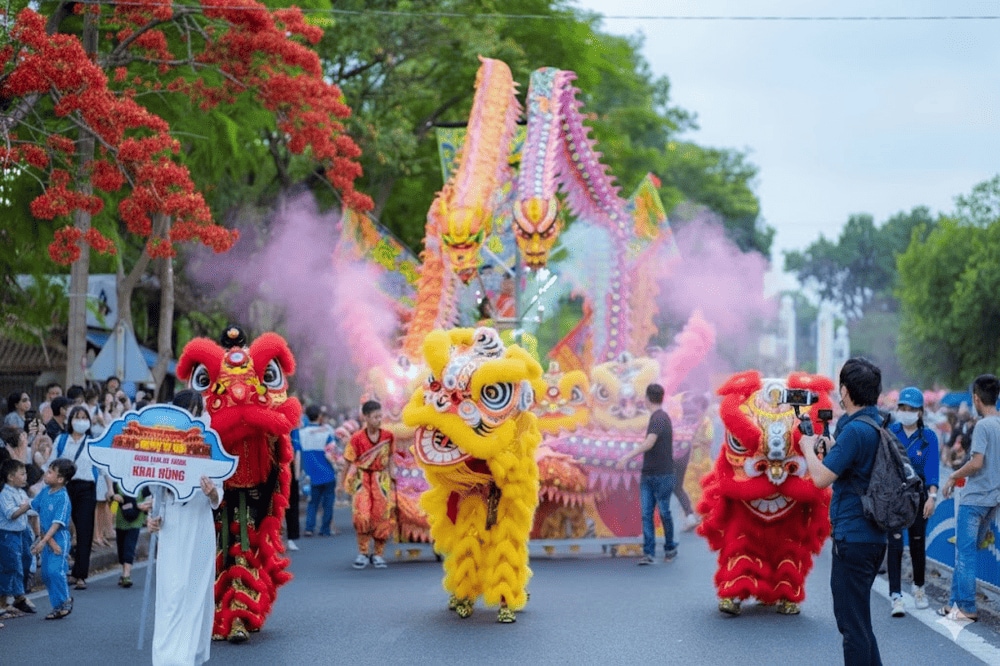
Historically, the form of the dragon dance—a long, serpentine figure manipulated by a team of dancers on poles—has its roots in China, dating back to the Han Dynasty (206 BCE – 220 CE). Through centuries of cultural exchange, this vibrant performance style was introduced to Vietnam. It was used in ceremonies to entertain the court, honour ancestors, and bring good fortune.
Over time, the Vietnamese Dragon Dance developed its own unique characteristics. For example, unlike some depictions of fierce, imperial dragons, the Vietnamese Dragon (con Rong) has always been a benevolent, composite creature deeply connected to water, rain, and agriculture. It is a symbol of the life-giving monsoon rains essential for rice cultivation.
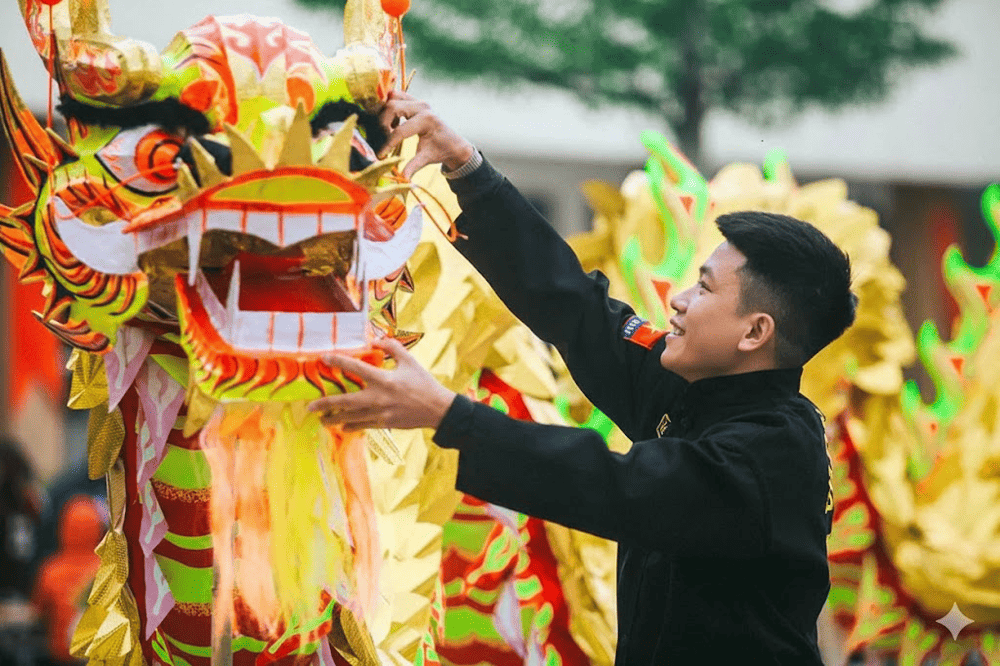
Or the movements are often more fluid and sinuous, mimicking the flowing of a river, reflecting the dragon's deep connection to water. The design of the dragon itself often features a long, flowing mane and other distinctly Vietnamese artistic features.
In conclusion, the origin of the Vietnamese Dragon Dance is a blend of an adopted performance art form and a powerful, pre-existing cultural symbol. It is a testament to the ability of Vietnamese culture to absorb external influences while infusing them with a unique and profound local identity.



 Link opens in new window. Site may not meet accessibility guidelines.