
1. Overview of Hoang A Tuong Palace
1.1. History
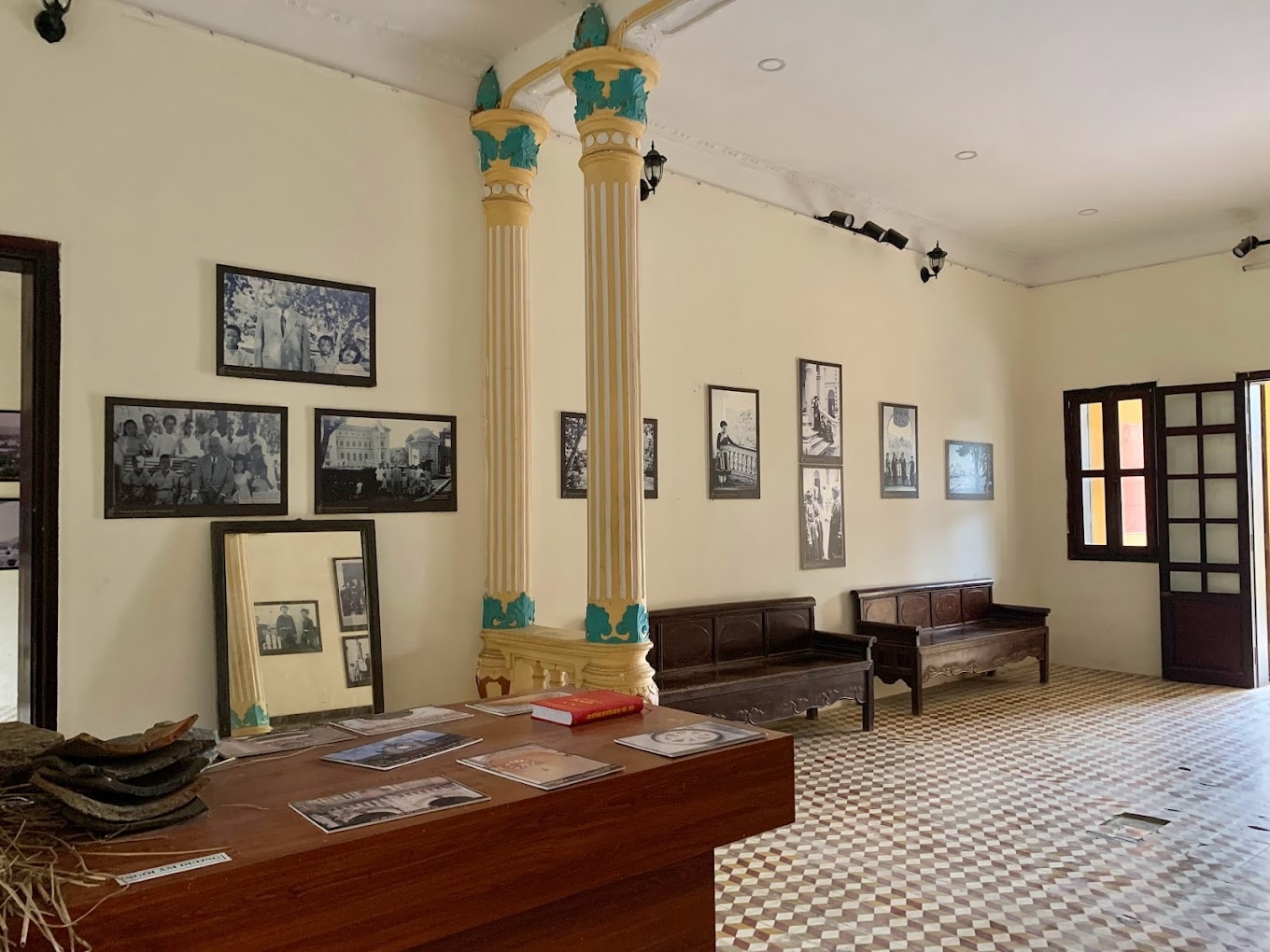
Hoang A Tuong Palace was constructed in 1914 as the royal residence of the Bac Ha King, a powerful Hmong leader who ruled the region during the early 20th century. The palace was later passed down to his son, Hoang A Tuong, from whom the palace gets its name. The construction of this grand home was not only a display of the family's wealth and authority but also a symbol of the cultural identity of the Hmong people.
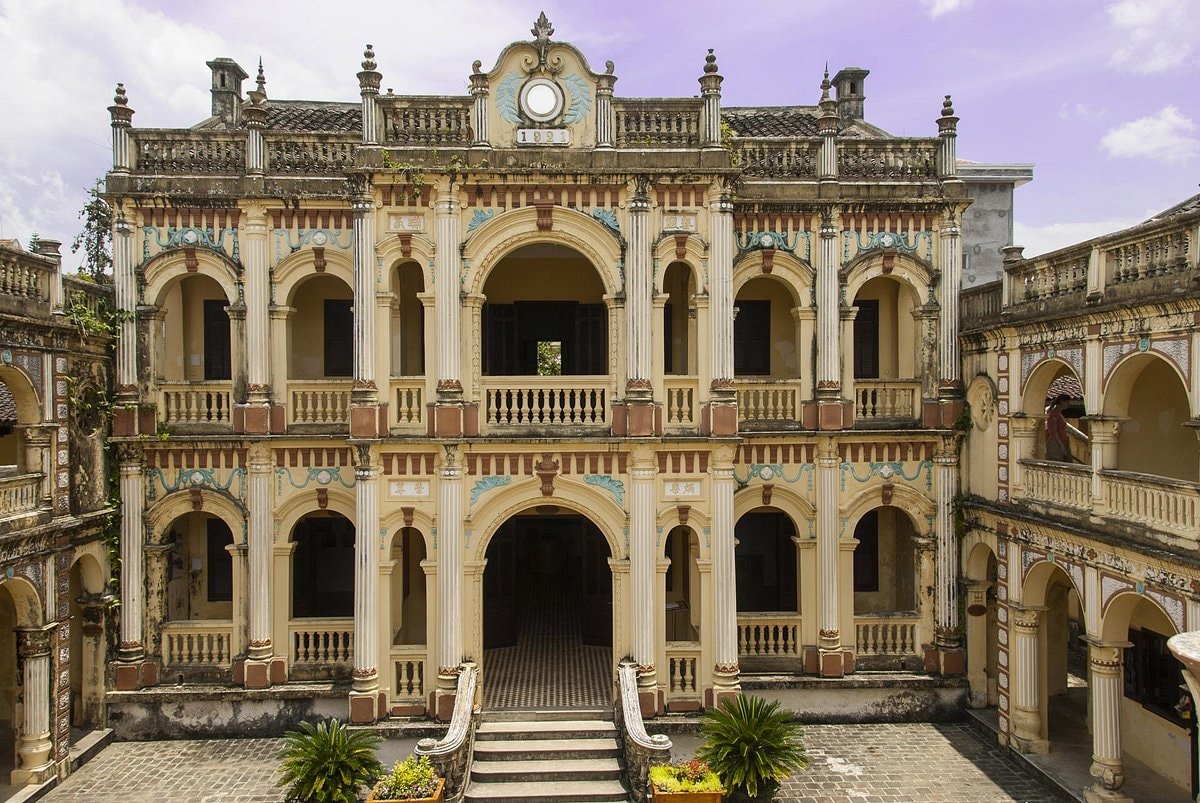
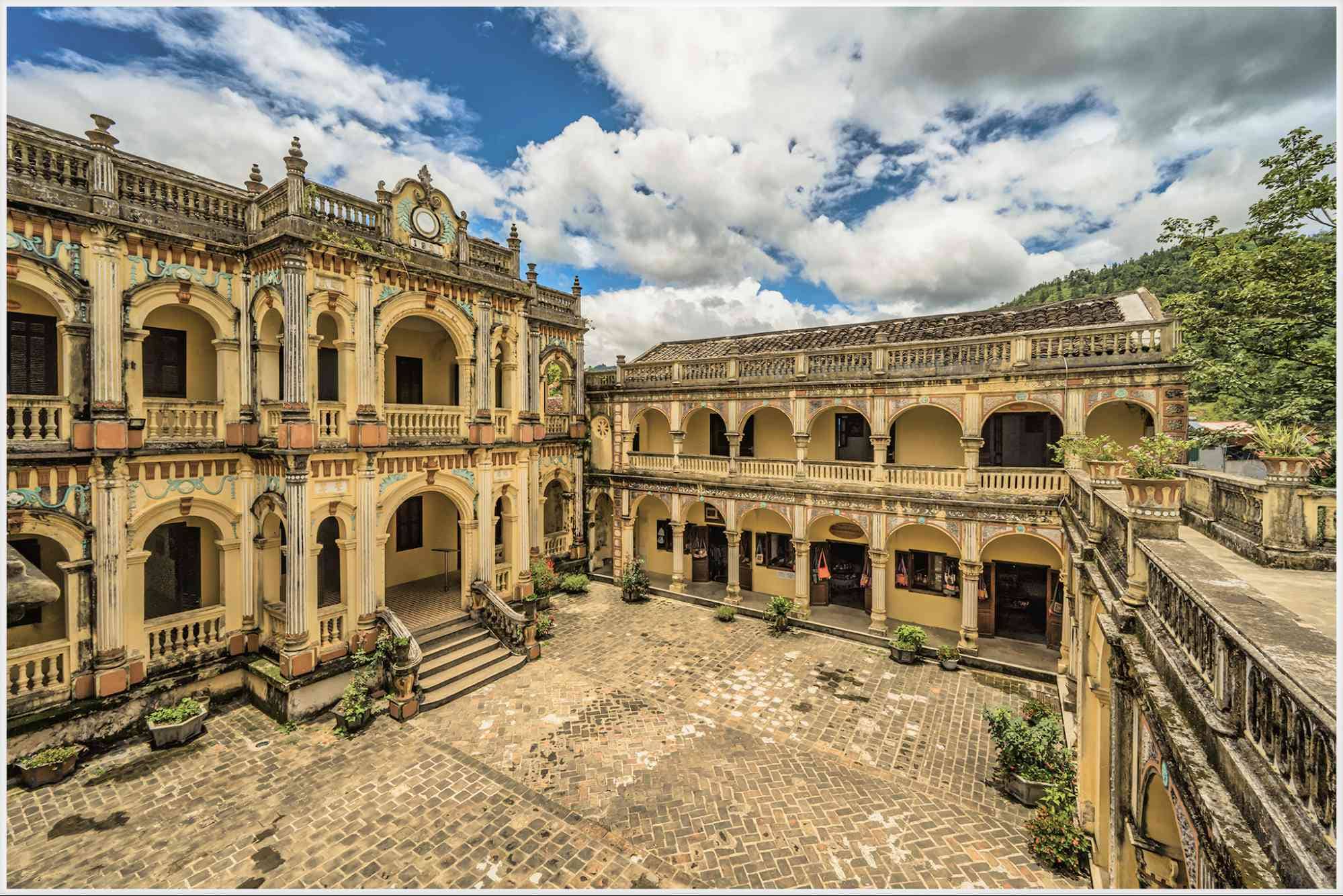
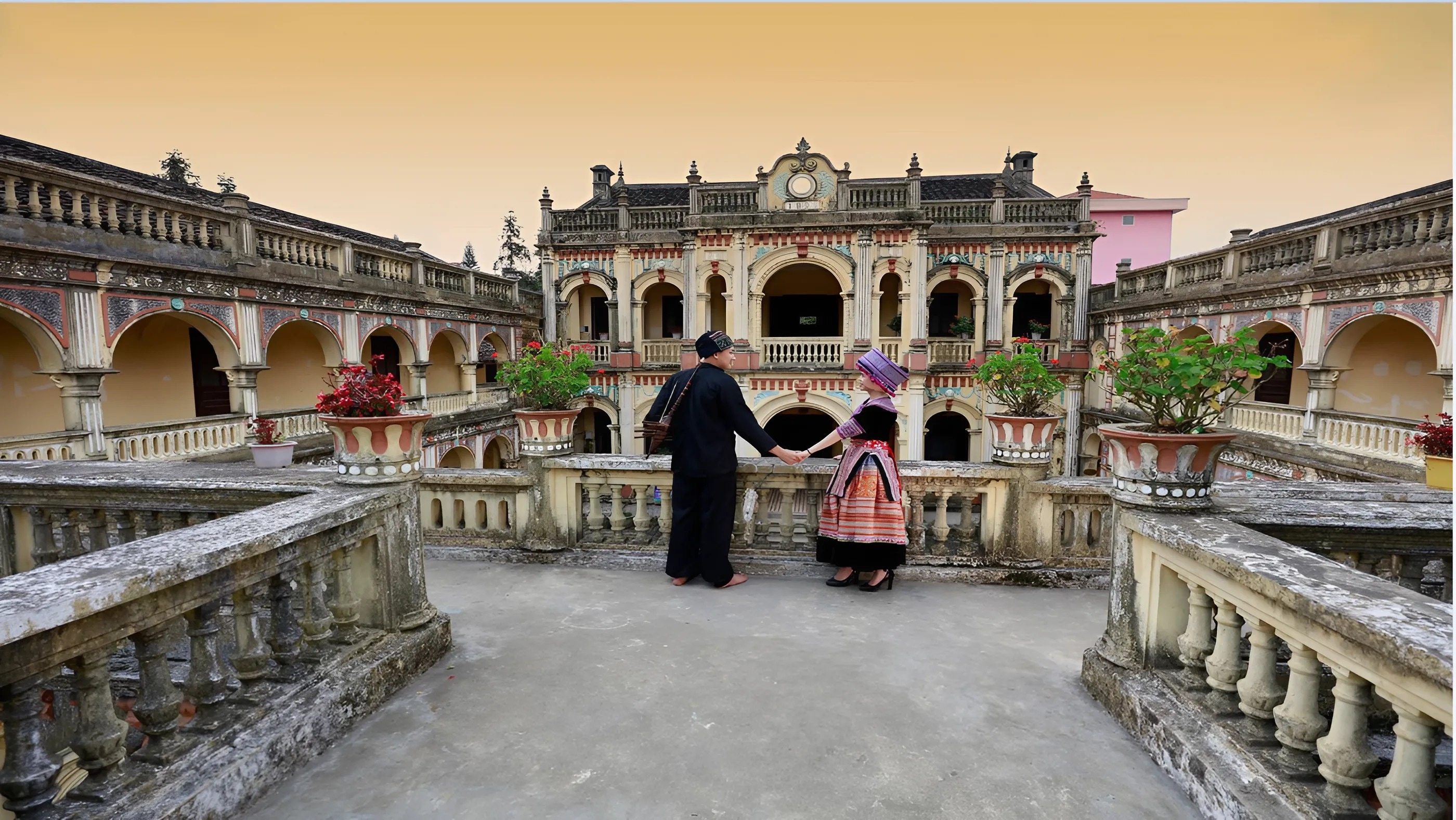
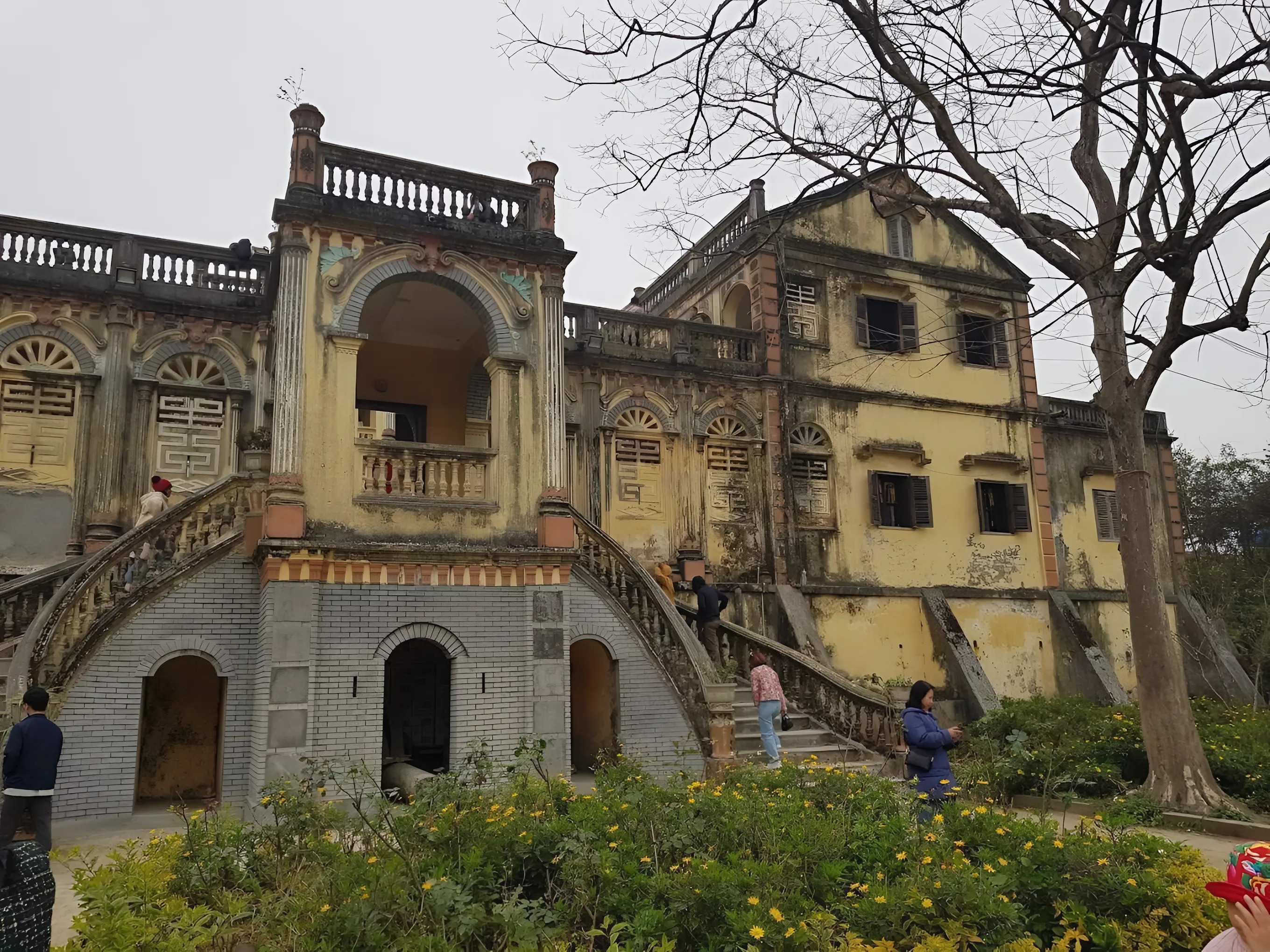
Local legends say that the Bac Ha King chose this site carefully for its strategic location and natural beauty. The palace blends traditional Hmong architectural elements with French colonial design, reflecting the complex history and cultural exchanges of that era. Over time, the palace has gained recognition as a significant historical monument in Sa Pa, attracting visitors eager to learn about the Hmong royal family and the unique heritage preserved within its walls.
Hoang A Tuong Mansion is a remarkable historical site located in Sa Pa, known for its unique architecture and cultural significance. The palace was originally built in 1914 and served as the residence of the Bac Ha King, popularly known as the King of the Hmong people. Later, the palace was inherited by his son, Hoang A Tuong, whose name the palace now bears.
 Link opens in new window. Site may not meet accessibility guidelines.