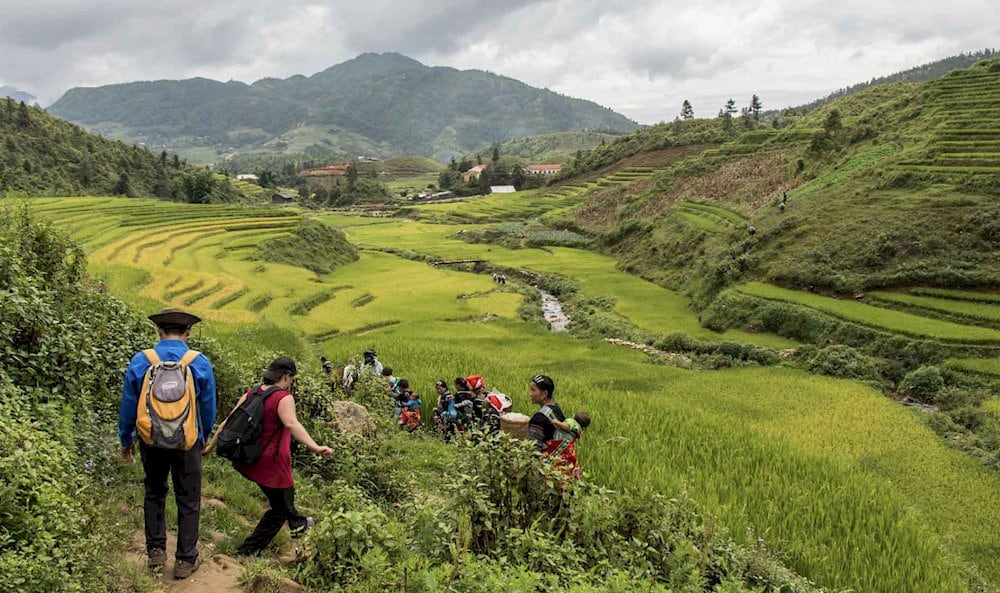
Winter brings a cool and sometimes cold climate to northern Vietnam, especially in places like Hanoi and Sa Pa (Source: Internet)
Planning to travel during peak seasons like Tet or Christmas? Book your flights and accommodation early to secure the best deals.
4. Tips for Planning a Vietnam Travel
Planning your trip well ensures a smoother, more enjoyable experience. Consider these key tips to make the most of your time in Vietnam.
4.1 Avoid Crowds and Save Money
If you prefer peaceful travel and lower costs, aim for the shoulder seasons in April, May, October, or November. During these months, you’ll find fewer tourists, better hotel rates, and greater availability for tours and flights. Attractions are also more enjoyable without the crowds.
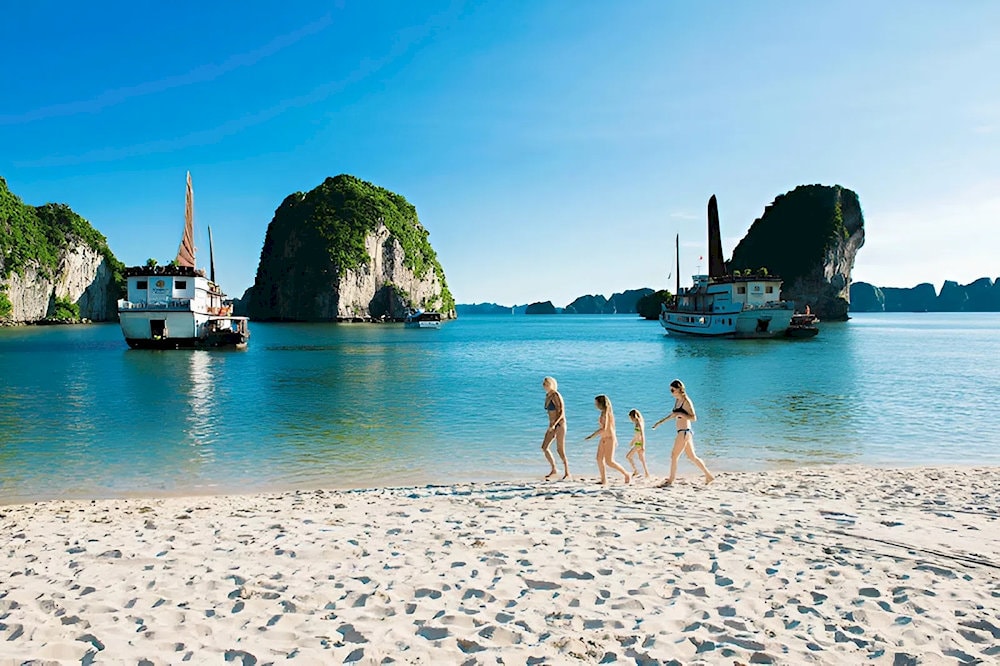
This is especially beneficial in hotspots like Hoi An, Ha Long Bay, and Phu Quoc, where crowds can be overwhelming in peak season. Shoulder season travel can offer just as much charm with more freedom to explore.
4.2 Prepare for the Weather
Vietnam’s climate can vary dramatically by region and season. If you're heading to the north in winter, pack a light jacket and warm clothing for chilly evenings. For the rainy season (especially in the south and center), don’t forget an umbrella, waterproof shoes, and a light raincoat.
It’s also wise to monitor storm alerts between June and November particularly if you plan to visit central coastal cities like Hue or Da Nang. Travel insurance is a smart investment for this period.
4.3 Tips for Booking Tickets
Vietnam is a popular destination, so booking in advance is recommended — especially during high season events like Tet and summer holidays. Early booking secures the best prices and availability for flights, trains, and accommodations.
Use trusted platforms such as Traveloka or Agoda for hotel and activity deals. These platforms also offer package tours, allowing you to customize your itinerary with ease.
4.4 Culture and Customs
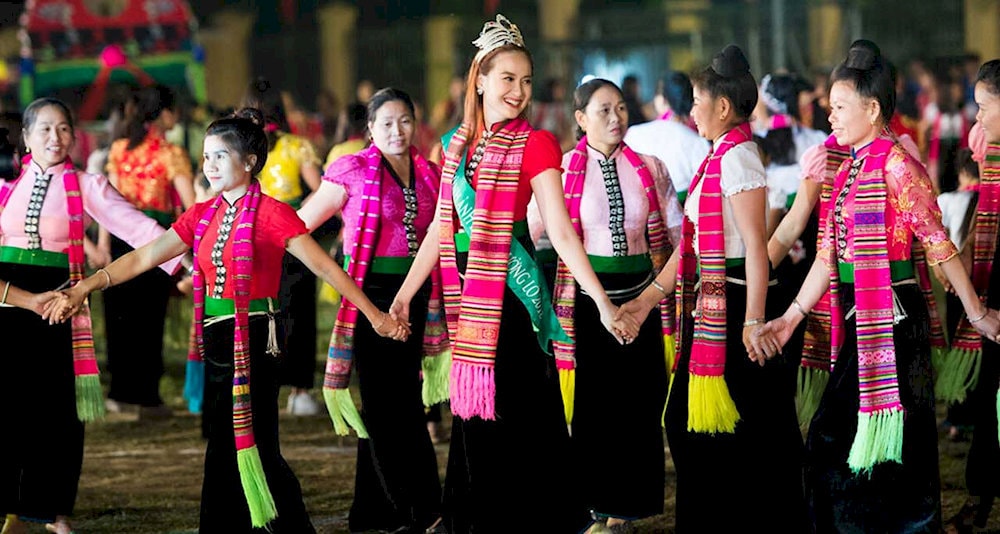
Vietnamese culture is rich in tradition and etiquette. Dress modestly when visiting temples or pagodas covering shoulders and knees is appreciated. When entering someone’s home, remember to remove your shoes as a sign of respect.
Street food is a must-try, but choose busy stalls with high turnover for safety and freshness. Learning a few Vietnamese phrases or greetings also enhances local interactions and shows appreciation for the culture.








 Link opens in new window. Site may not meet accessibility guidelines.