
1. Overview of Upper Temple Lao Cai
1.1. History
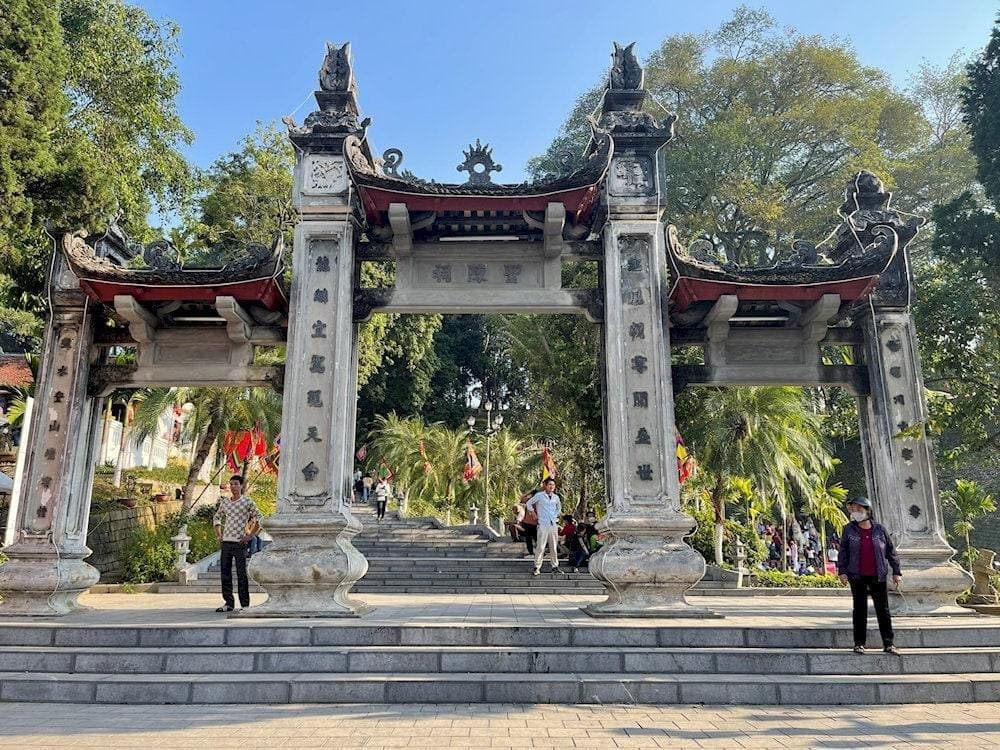
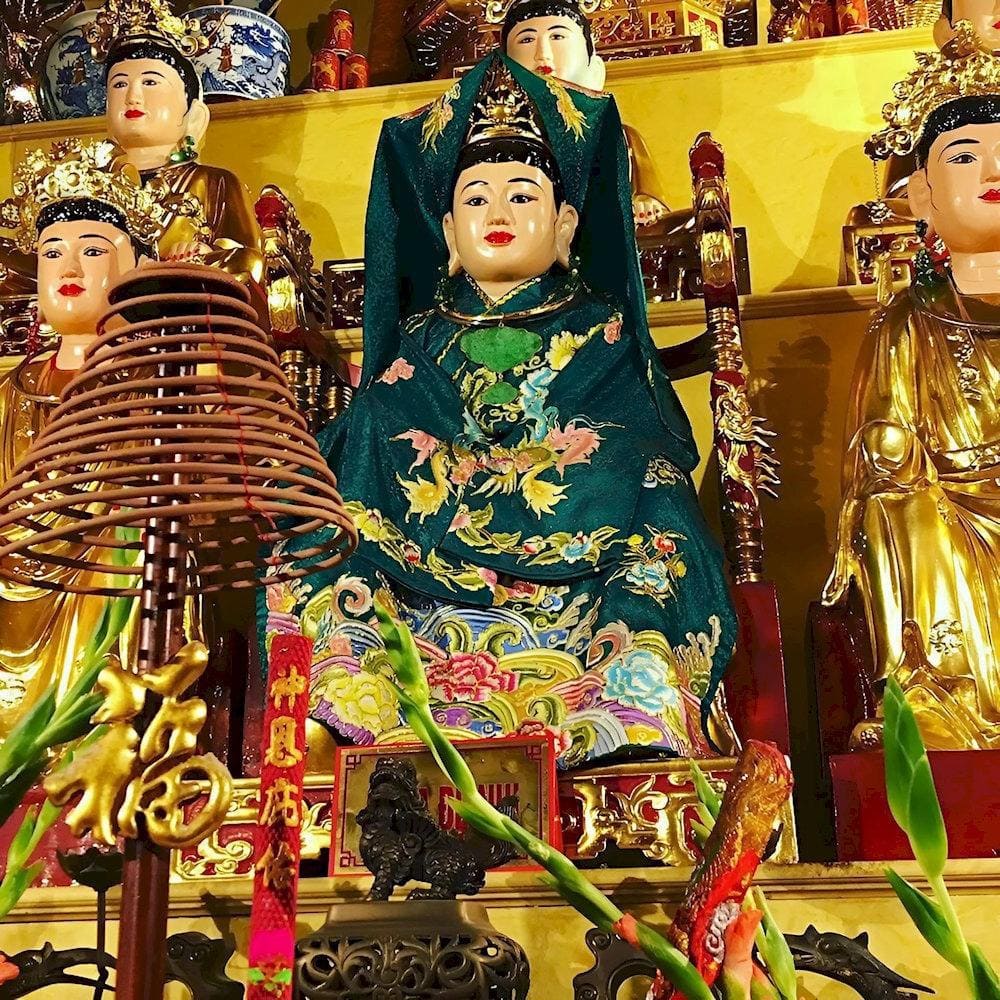
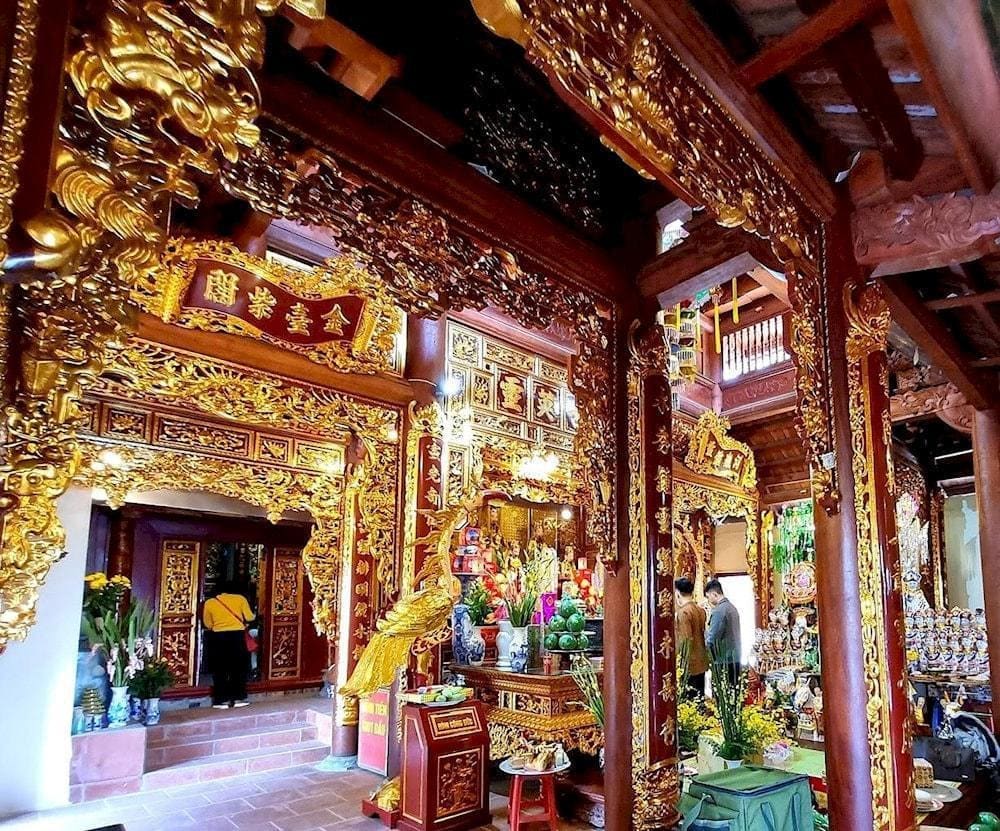
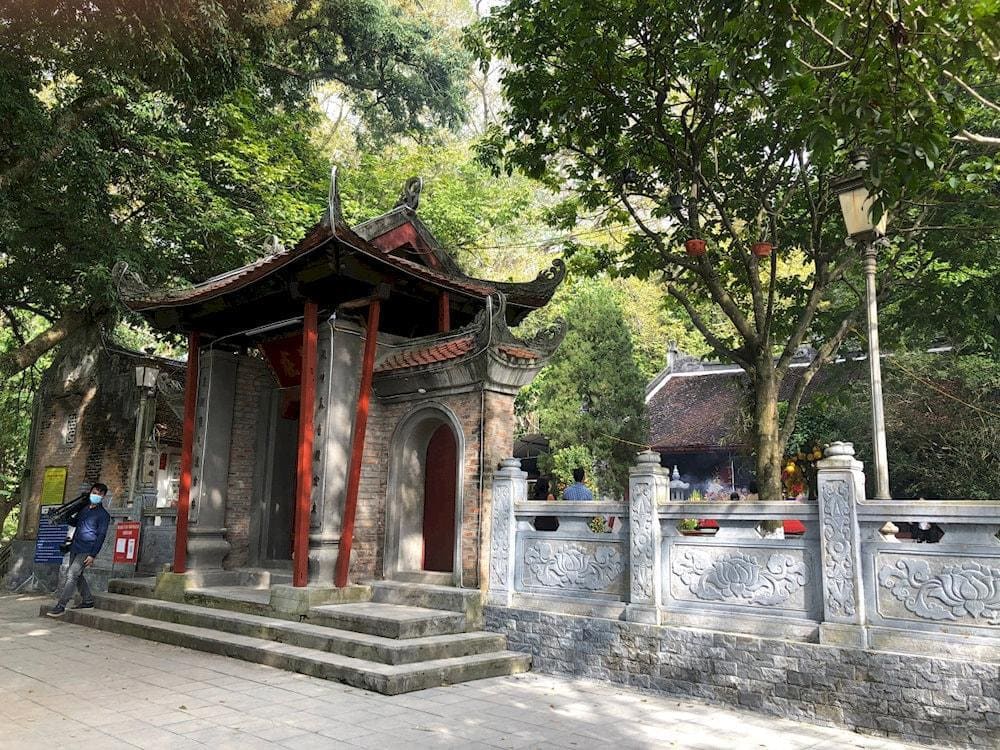
Upper Temple Lao Cai, known locally as “Den Thuong”, has a long and rich history deeply intertwined with the cultural and spiritual life of the local communities. According to legend, the temple was founded several centuries ago by early settlers who chose its elevated location to be closer to the heavens and to gain spiritual protection for their village. Over time, the temple became the central place of worship for the surrounding ethnic groups, including the Tay, Nung, and Hmong peoples.
The name “Den Thuong”, meaning “Upper Temple”, comes from its position high above other temples and shrines in the region, symbolizing its prominence and importance. It is believed that the temple serves as a guardian overseeing the land, bringing peace, prosperity, and good fortune to those who honor it.
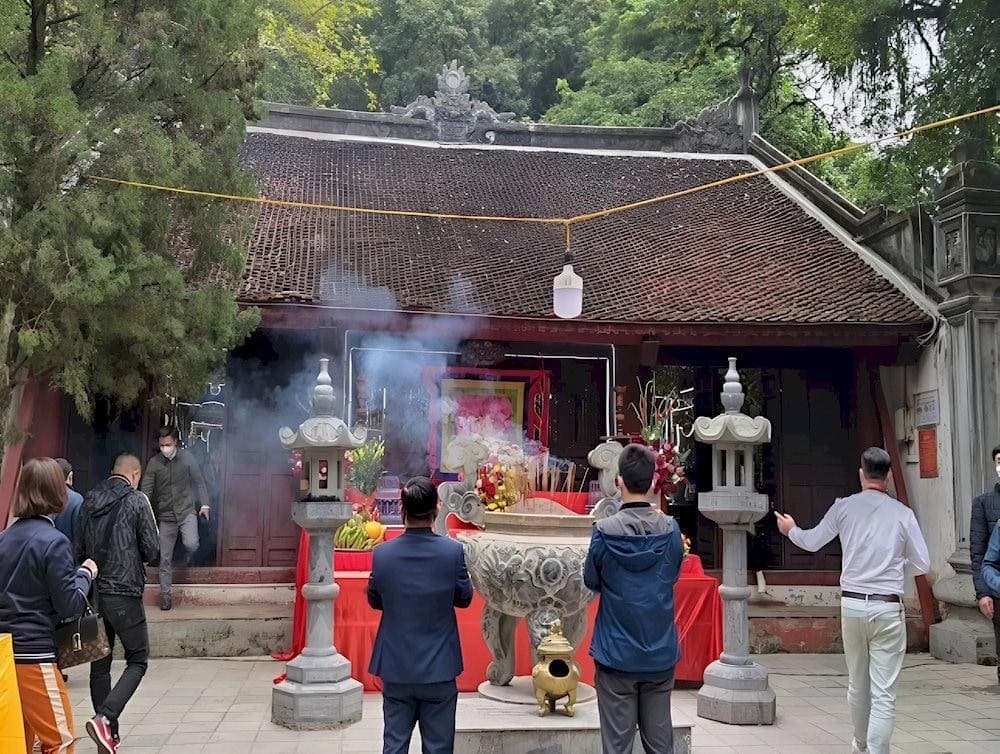
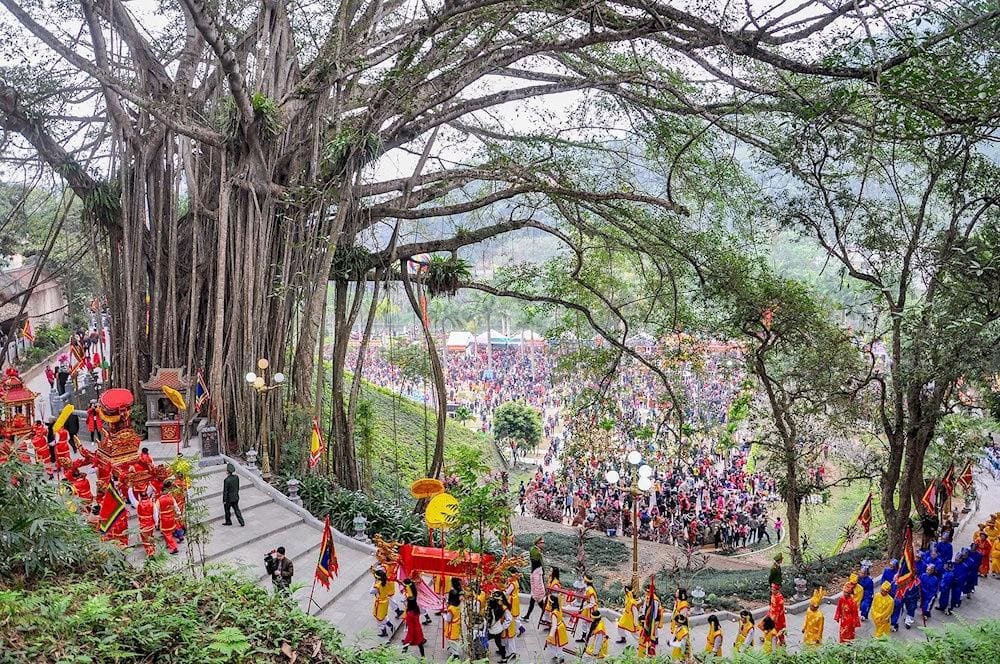
Throughout history, the temple has witnessed numerous restorations and expansions, reflecting the devotion of generations who sought to preserve this sacred site. Many traditional festivals and ceremonies continue to take place here, celebrating the spiritual heritage and reinforcing community bonds in Lao Cai - quite like the Love Market Sapa, where cultural traditions and romantic rituals come alive every weekend in the highlands.
 Link opens in new window. Site may not meet accessibility guidelines.