Select region and language
Close button
Booking and service information for the selected country and language will be applied.
paradise

Phu Quoc travel guide for an inspiring island journey

Phu Quoc travel begins with the sea, but its story stretches far beyond the shoreline. Morning light falls across fishing villages, forest roads lead into greener landscapes, and the scent of pepper and local dishes drifts through markets as the day unfolds. From quiet corners to southern seascapes, each turn offers a new way to experience an island shaped by nature, local traditions and the rhythm of everyday life.

Things to do in Phu Quoc among forest and sea

A short drive across Phu Quoc island feels like crossing between two different worlds. One moment, the road disappears beneath a canopy of tropical forest; a few turns later, the trees give way to turquoise water, fishing boats and the scattered silhouettes of islands in the distance. Phu Quoc keeps its surprises close to the road, revealing them gradually as the landscape shifts from jungle shade to open sea. Follow the road a little farther, and the next scene feels like a small discovery waiting at the bend.
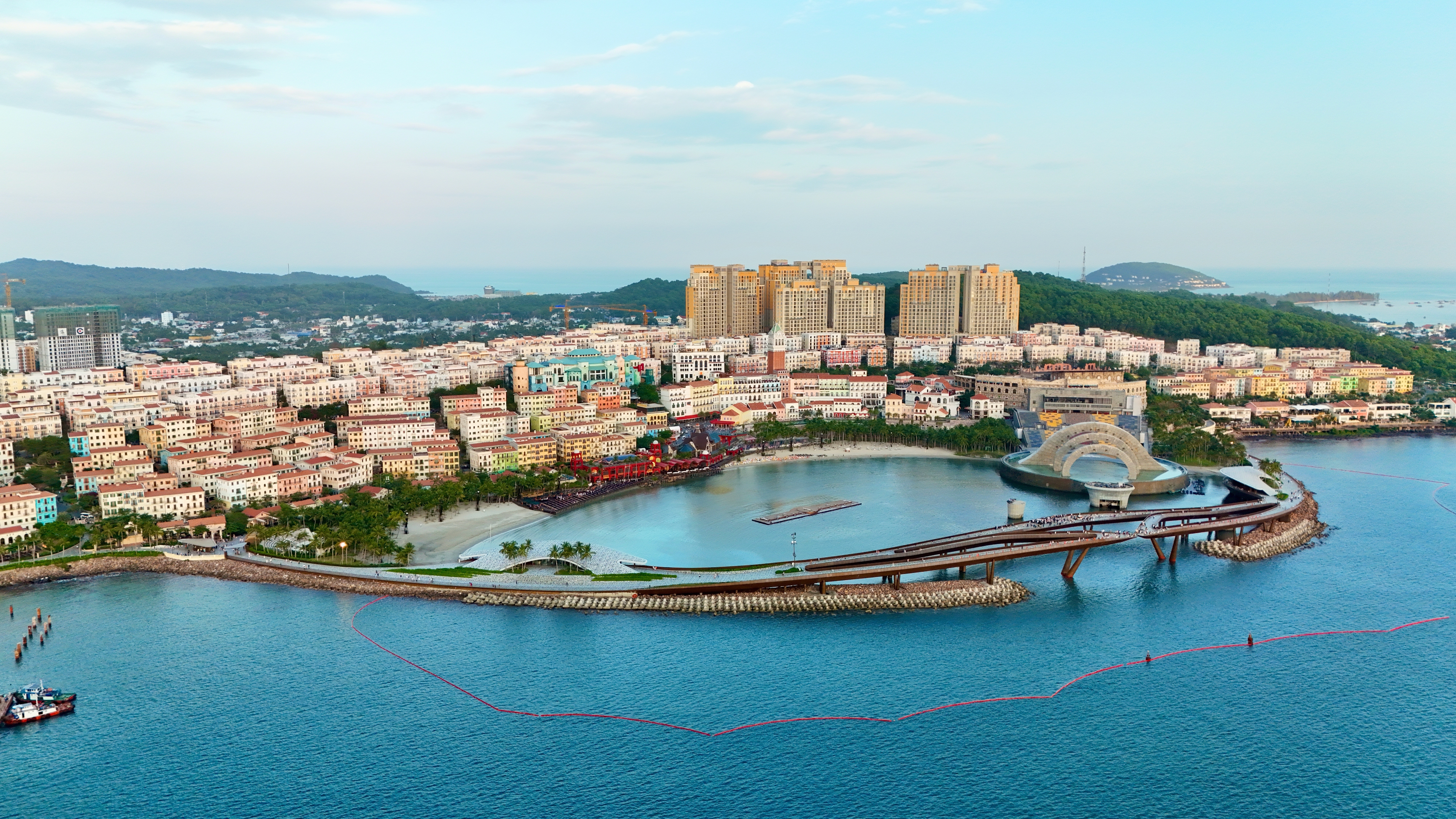
Sunset Town in southern Phu Quoc Island with scenic architecture and sea views, one of the things to do in Phu Quoc

Sunset Town in southern Phu Quoc Island with scenic architecture and sea views, one of the things to do in Phu Quoc

Phu Quoc’s distinctive allure

Phu Quoc island wakes to boats leaving the shore, village stalls preparing for the morning and wooded roads still quiet beneath the trees. Fishing communities remain part of the coastline, while the interior carries a greener, more secluded character. 

Life moves with the tide

Before Phu Quoc Vietnam became a familiar name on Vietnam's travel map, fishing shaped much of island life. Early mornings still bring boats back towards the shore, nets being sorted and the day's catch moving from sea to market. The pace feels unhurried, shaped by weather and tides rather than city traffic. A walk around a harbour can lead to a glimpse of boats returning from the sea, while a quiet pause beside a fishing village reveals another side of island life. When it is time to discover the destination's best-known sites, the island's iconic attractions open another chapter of Phu Quoc, shaped by its landscapes, history and heritage.

Through the green heart of the island

Away from the coast, Phu Quoc island trades the sound of waves for birdsong and rustling leaves. Much of the north and centre remains covered by tropical landscape, with Phu Quoc National Park protecting a large area of forest. Roads pass beneath tall trees, and shaded paths lead towards a landscape rarely associated with the classic image of a beach holiday. A forest drive or nature walk adds a different pace to a coastal holiday, particularly for travellers who want to see the island beyond its beaches. 

Southward, the sea takes over the view

The road towards An Thoi gradually brings the coastline back into focus. Green hills slope towards sandy beaches and fishing harbours, while the southern islands emerge offshore, scattered across clear turquoise water. From the coast, the archipelago appears calm and distant; as the road winds further south, the landscape shifts between forested hills, open sea and quiet coastal villages. Looking towards Phu Quoc Vietnam, the island stretches from dense jungle to turquoise water in a single sweeping panorama.

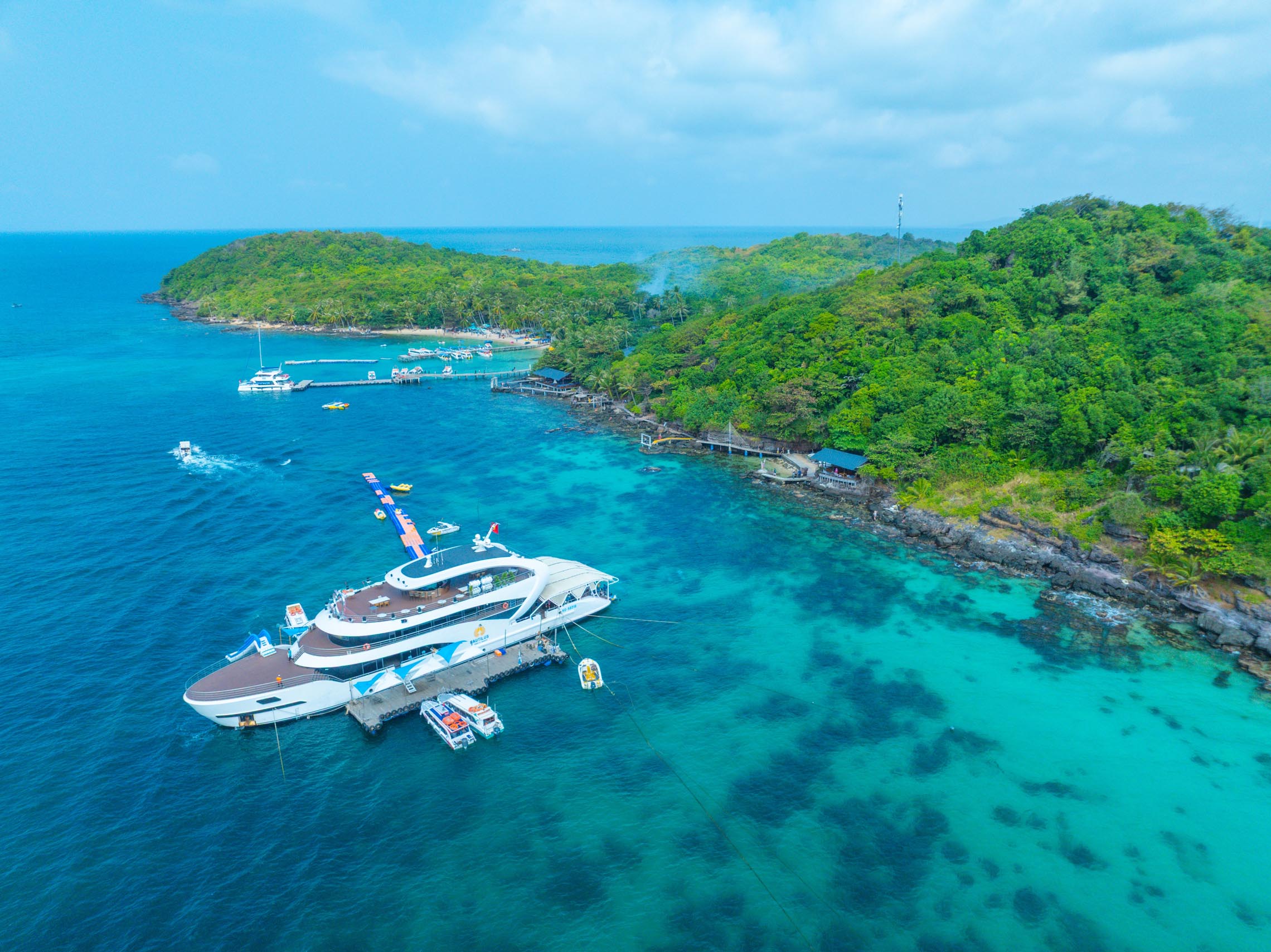
Boats taking visitors to nearby islands for island-hopping, one of the things to do in Phu Quoc

Boats taking visitors to nearby islands for island-hopping, one of the things to do in Phu Quoc

Phu Quoc Vietnam surprises first-time visitors

The first impression of Phu Quoc Vietnam may belong to the sea, yet smaller encounters often stay longer in the memory. 

Herring salad and the taste of the coast

Among the things to do in Phu Quoc, trying herring salad offers an introduction that begins with the island's waters and ends around a shared table. Fresh herring is combined with wild greens, herbs and coconut, then wrapped into small bites and dipped into the island's pure fish sauce. The first mouthful carries several textures at once with the freshness of the fish, the crispness of the leaves and the savoury depth of the dipping sauce. Nothing feels overly elaborate, yet the combination belongs unmistakably to Phu Quoc. 

A bolder taste from the sea

A different experience awaits those willing to venture further into the island's seafood traditions. Sea urchin, served raw with wasabi, offers a delicate taste of the ocean, while grilling it with scallion oil brings a warmer fragrance and richer finish. The ingredient feels especially fitting beside the coast, where the day's catch remains closely connected to local meals. Tasting it on Phu Quoc island adds a sense of place that a dish transported far from its source could never quite reproduce. 

Where an island tradition ages in wooden barrels

Away from the dining table, another story rests inside Phu Quoc's traditional fish sauce houses. Large wooden barrels hold layers of freshly caught anchovies and salt, beginning a slow fermentation that can take months. Varieties such as sardines, red anchovies or black anchovies are traditionally used to produce the island's distinctive fish sauce.

The craft has travelled through generations and remains tied to Phu Quoc's coastal heritage. Walking past rows of wooden barrels, with their unmistakable aroma filling the air, offers a glimpse into the patience and knowledge behind a staple found at Vietnamese tables. Among the things to do in Phu Quoc, a visit to these traditional houses reveals a quieter side of island life, shaped by the sea and generations of local craft.

Flavours that carry the island's story

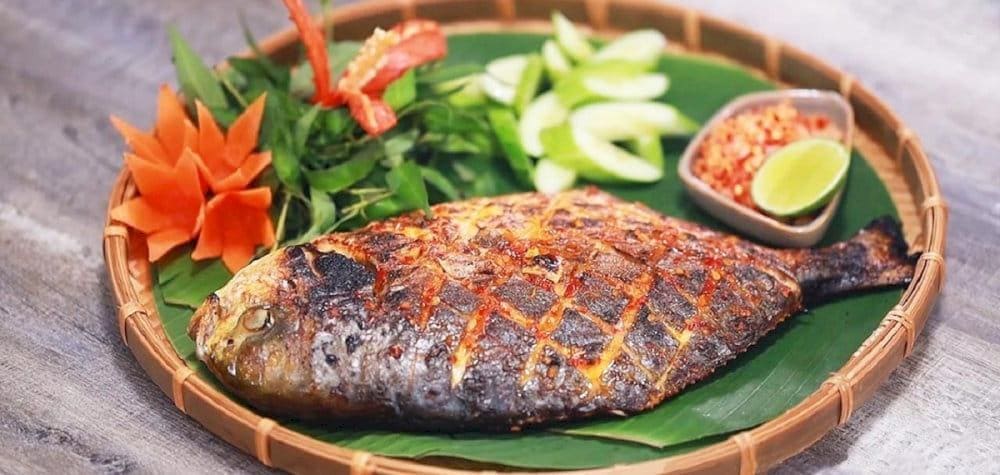
Every meal in Phu Quoc, familiar or unfamiliar, carries a slice of island culture. A grilled fish shared by the shore, a bowl of noodles scented with herbs, or a dipping sauce poured slowly over rice can show how closely food is woven into life on the island. These stories rarely announce themselves. They appear in the market before breakfast, in the rhythm of a busy lunch, at a roadside stall after sunset, or around a family table where conversation continues long after the plates are empty. 

Things to do in Phu Quoc for a laid-back escape

The island suits different kinds of travellers without asking everyone to follow the same itinerary. 

For kids, from the forest to the shallows

Morning begins with the rustle of leaves and the calls of animals at Vinpearl Safari in northern Phu Quoc island, where children can spend hours watching wildlife in a setting framed by tropical greenery. By the time the sun climbs higher, a change of scenery brings them to Sao Beach, where pale sand meets shallow water and little feet can run straight from the shore into the sea. The change from close-up wildlife encounters to open beach play keeps children curious and active, giving them space to discover, explore and enjoy each new experience.

For couples, follow the light 

Towards late afternoon, the coast takes on a softer mood, made for two. A sunset sailing trip carries a couple beyond the shoreline, where the sky turns from blue to amber and the sea mirrors every changing shade. There is little to do except sit close, watch the horizon and let the evening unfold at its own pace. Back on land, Ham Ninh fishing village offers a quieter continuation. Boats gather near the waterfront, modest homes face the sea and the last light settles over a community shaped by generations of fishing. After the open horizon, walking side by side through the village brings a more intimate rhythm to the evening, with the sea still close and the day slowly giving way to night.

Visitors enjoying sunset at Kiss Bridge in Sunset Town, southern Phu Quoc Island, one of the things to do in Phu Quoc

Visitors enjoying sunset at Kiss Bridge in Sunset Town, southern Phu Quoc Island, one of the things to do in Phu Quoc

For families, take the journey across the sea

South of the island, the journey to Hon Thom starts high above the water. The cable car from An Thoi takes around 15 minutes, yet the view makes the crossing feel much longer. Islands emerge and disappear beneath the cabin, boats leave fine white trails across the turquoise sea, and the coastline gradually slips into the distance. The arrival on Hon Thom opens another chapter, as it’s where families can step onto a boat and continue through the An Thoi archipelago, stopping for a swim or simply watching the changing coastline from the water.  For travellers who want to shape these moments into a longer island journey, more ways to explore the island offer further inspiration.

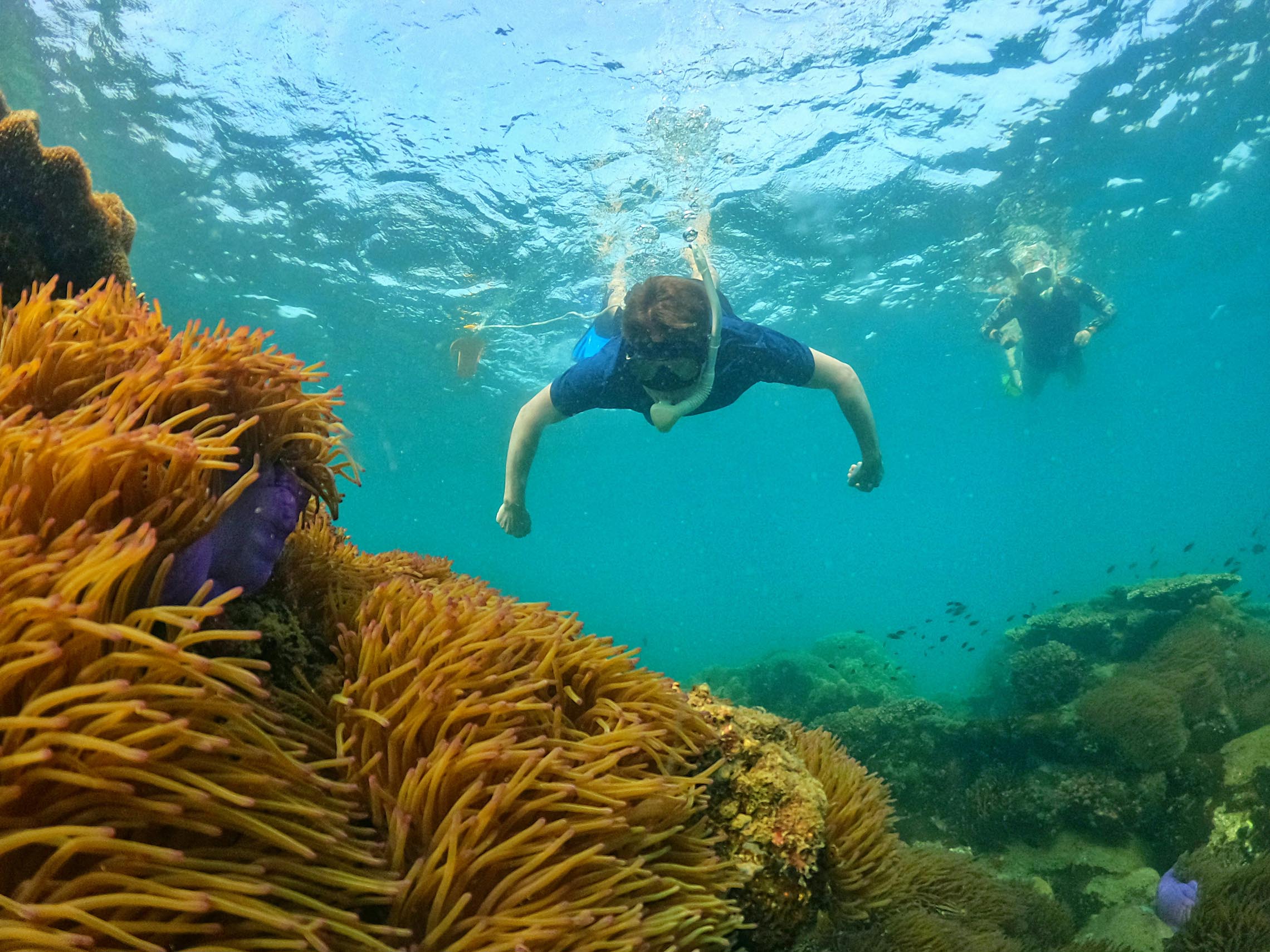
Visitors snorkeling among coral reefs in Phu Quoc, one of the things to do in Phu Quoc

Visitors snorkeling among coral reefs in Phu Quoc, one of the things to do in Phu Quoc

By the time the southern sky turns dusky, Phu Quoc has moved through several scenes without ever feeling rushed, from forest paths beneath the morning light to the shoreline warming under the afternoon sun and a chain of islands fading into the distance as evening settles in. Perhaps that is the pleasure of things to do in Phu Quoc, the best memories often come from moments that were never on the itinerary, discovered simply by following the day wherever it leads.

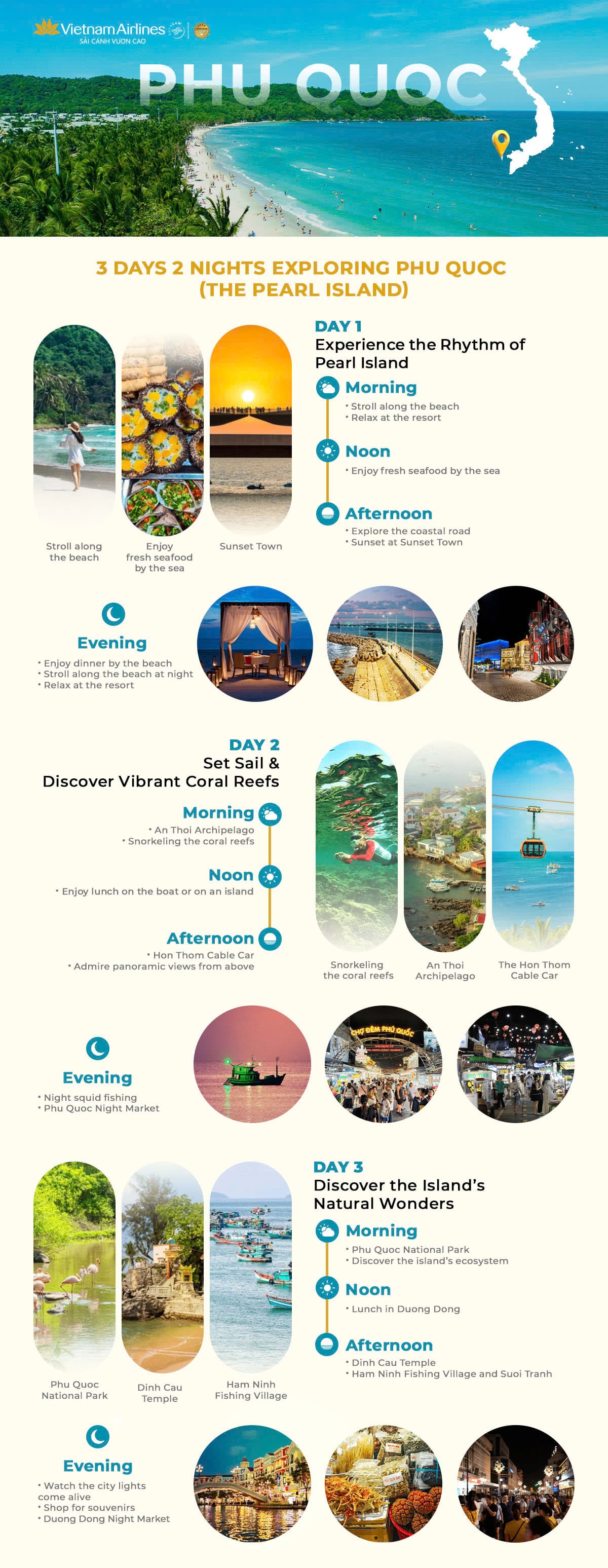
Infographic Phuquoc

Frequently Asked Questions

The best time to visit Phu Quoc is from November to April, when rainfall is generally lower and outdoor conditions are more comfortable. This period also suits travellers planning a varied itinerary, from exploring the island by road to spending time outdoors without the heavier showers common during the wetter months.

Three to four days works well for a first visit, while five days allows a more relaxed schedule. A mid-range trip typically costs around VND 1.5 – VND 3 million per person per day, excluding flights, depending on accommodation, dining and activities. Travellers staying longer can spread activities across the island without rushing between stops.

Yes, snorkeling is available around Phu Quoc, particularly in the southern waters. Group snorkeling and island-hopping tours commonly cost around VND 500,000 – VND 1,200,000 per person, depending on the itinerary and inclusions. Most tours depart from An Thoi, roughly 25 – 30 km south of Duong Dong, with boat transfers included in the package.

Phu Quoc Night Market where the island comes alive after dark

By the time the last sunlight slips behind the rooftops of Duong Dong, the streets around the waterfront begin to change. Charcoal glows beneath metal grills and an order is called out over the hiss of seafood meeting a hot pan. On Bach Dang Street in the heart of Duong Dong, the Phu Quoc night market brings together local delicacies, seafood and evening snacks. For many visitors,  the freedom to follow whatever catches the eye in the market is where a night on the island begins.

Phu Quoc night market defines the island's evening food culture

The Phu Quoc night market brings several parts of the island's coastal pantry together in one walk. Fresh seafood sits beside herring salad, skewers, sweets and smaller street snacks, creating a changing procession of flavours as visitors move from one stall to the next. The variety also reveals how local cooking balances the richness of the sea with fresh herbs, scallions and dipping sauces. Herring salad offers a fresher contrast, pairing fish with herbs and greens in a preparation closely associated with the island.

Dinner starts with the sound of the grill

A stroll through the night market in Phu Quoc rarely follows a straight line. A tray of prawns may bring one stop, the glow of a charcoal brazier another. Nearby, a vendor may be preparing a snack that was never part of the original plan. The cooking happens directly in front of diners at the night market in Phu Quoc. Shells darken over the flame, scallions turn glossy in hot oil and seafood arrives while it is still steaming. The open grills create a moving backdrop to dinner, with the sounds and scents of cooking guiding visitors through the market.


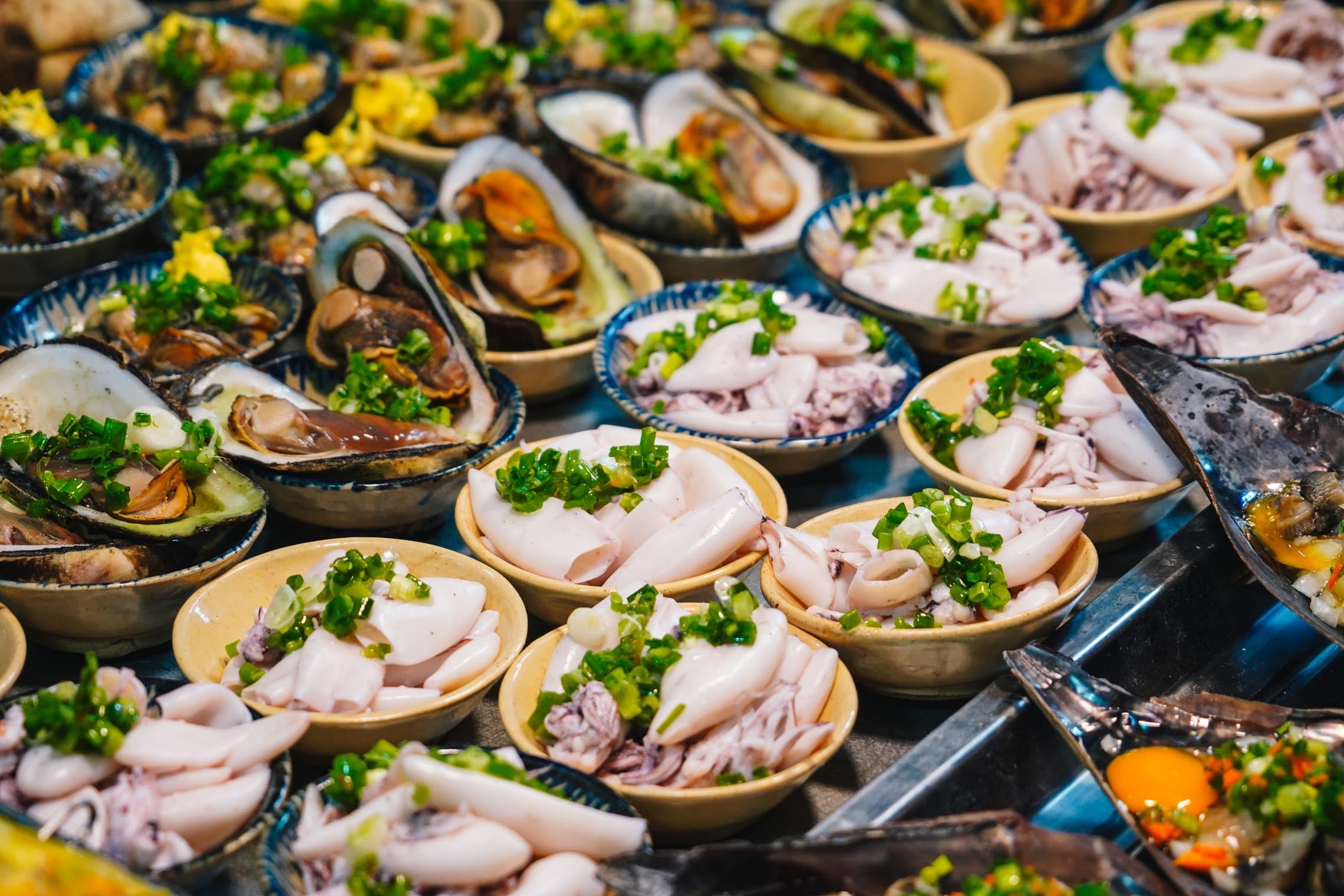
Seafood preparation and Phu Quoc specialties at a local restaurant near Phu Quoc night market

Seafood preparation and Phu Quoc specialties at a local restaurant near Phu Quoc night market

A table shared with strangers

Some evenings take an unexpected turn when a small family-run stall runs short of seats at the night market in Phu Quoc. A spare chair is pulled towards a table already occupied by another group, and within minutes, plates begin moving between unfamiliar faces. Conversation often starts with a simple question about what someone has ordered, then turns into advice on what to try next. These brief encounters give the market another dimension, where dinner can introduce travelers to people they would never have met while following a fixed itinerary.

From local gathering to evening ritual

The Phu Quoc night market has grown alongside the island's tourism, yet its place in Duong Dong's evening life remains easy to understand. Set along Bach Dang Street in central Duong Dong, it sits within a part of town where residents and visitors continue to cross paths after sunset. The market can form one stop in a longer evening, leaving travelers free to continue towards the waterfront, nearby streets or another part of town once dinner is over.

A Phu Quoc restaurant slows the evening down

A Phu Quoc restaurant often trades the bustle of the food streets for a slower, seated seafood experience, giving diners time to settle in and enjoy a meal without the constant movement of a crowded walkway. The island's restaurants take different approaches to local cooking. Restaurants around Duong Dong keep diners close to the town, while Ong Lang and Cua Can areas offer quieter western-coast settings. Further south, An Thoi brings seafood dining closer to beaches and the island's resort landscape.

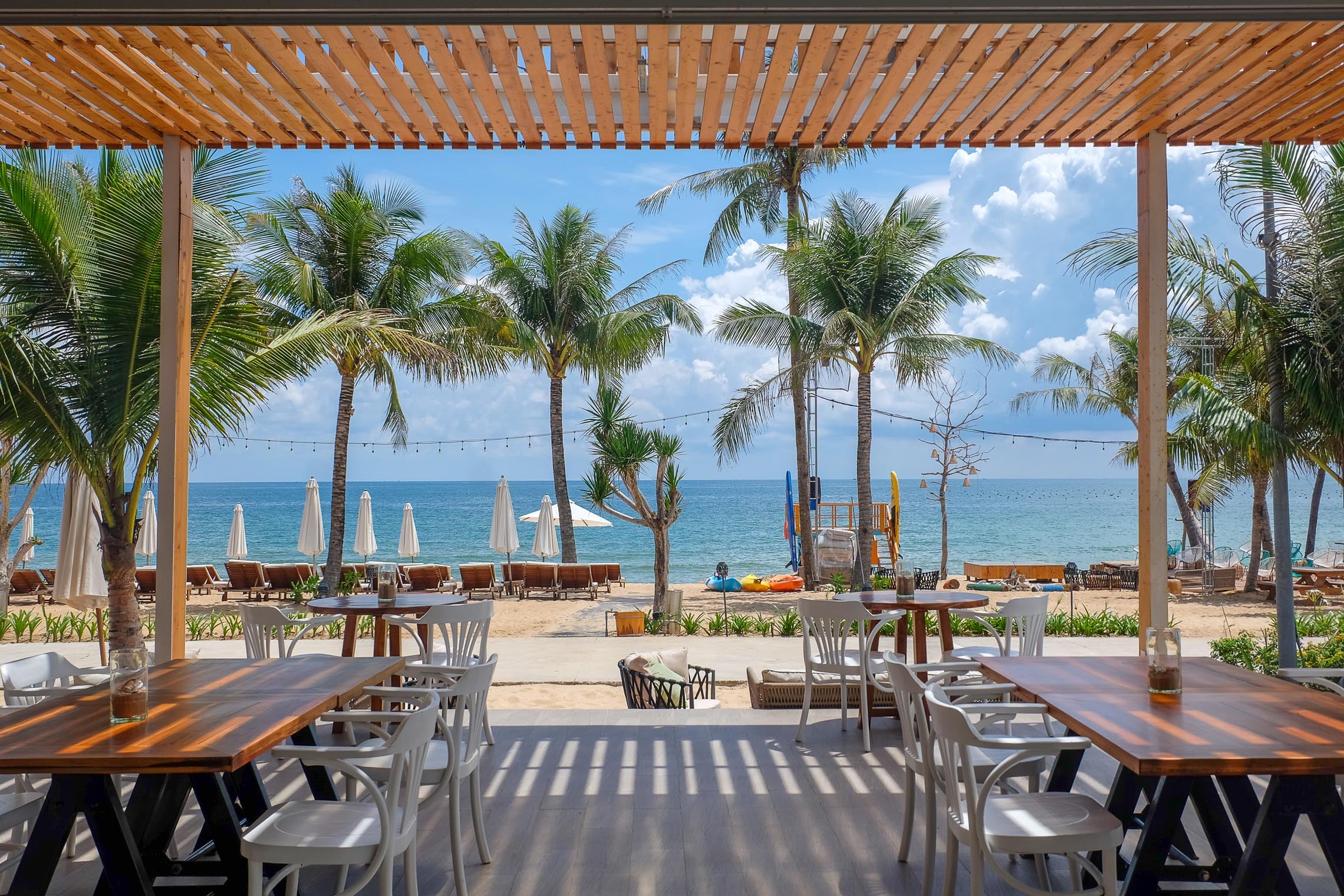
Local restaurant serving Phu Quoc specialties in an open-air seaside setting

Local restaurant serving Phu Quoc specialties in an open-air seaside setting

Fresh catch beneath the last light

Ong Lang is particularly suited to a seafood dinner that follows the sunset. On Phu Quoc's western coast, the sea and evening light naturally become part of the setting. At a beachfront Phu Quoc restaurant, freshly prepared fish, prawns or shellfish can arrive as the sky changes colour over the water. Here, the setting changes the pace of the meal. Guests can linger between courses, watch fishing boats become silhouettes and let the evening unfold without the movement of a busy street.

From generous family tables to refined seafood tasting

Menus at a Phu Quoc restaurant can range from generous family-style meals to refined seafood tasting. A casual table may feature Coi Bien Mai Nuong (Grilled scallop adductor muscle) alongside steamed prawns, vegetables and rice, with dipping sauces passed around for everyone to share. A more polished dining room may turn local ingredients into smaller courses, giving each preparation its own moment. The difference is in the pace as much as the presentation, while one encourages conversation, the other might invite diners to focus on each dish.

The coast after the crowds

Each part of the island lends dinner a different atmosphere. While Ong Lang works well for a sunset meal by the western sea, Cua Can offers a quieter setting away from the centre, suited to diners who prefer a slower pace. Further south, An Thoi brings together beaches, island excursions and a growing dining scene. After a day around the southern islands, travelers can try Nhum Bien Nuong (Grilled sea urchin) or freshly caught fish. On the eastern coast, Ham Ninh Fishing Area offers another perspective on local food traditions, with Ghe Ham Ninh (Ham Ninh blue crab) among its familiar specialties.

Local tips lead to Phu Quoc’s best meals


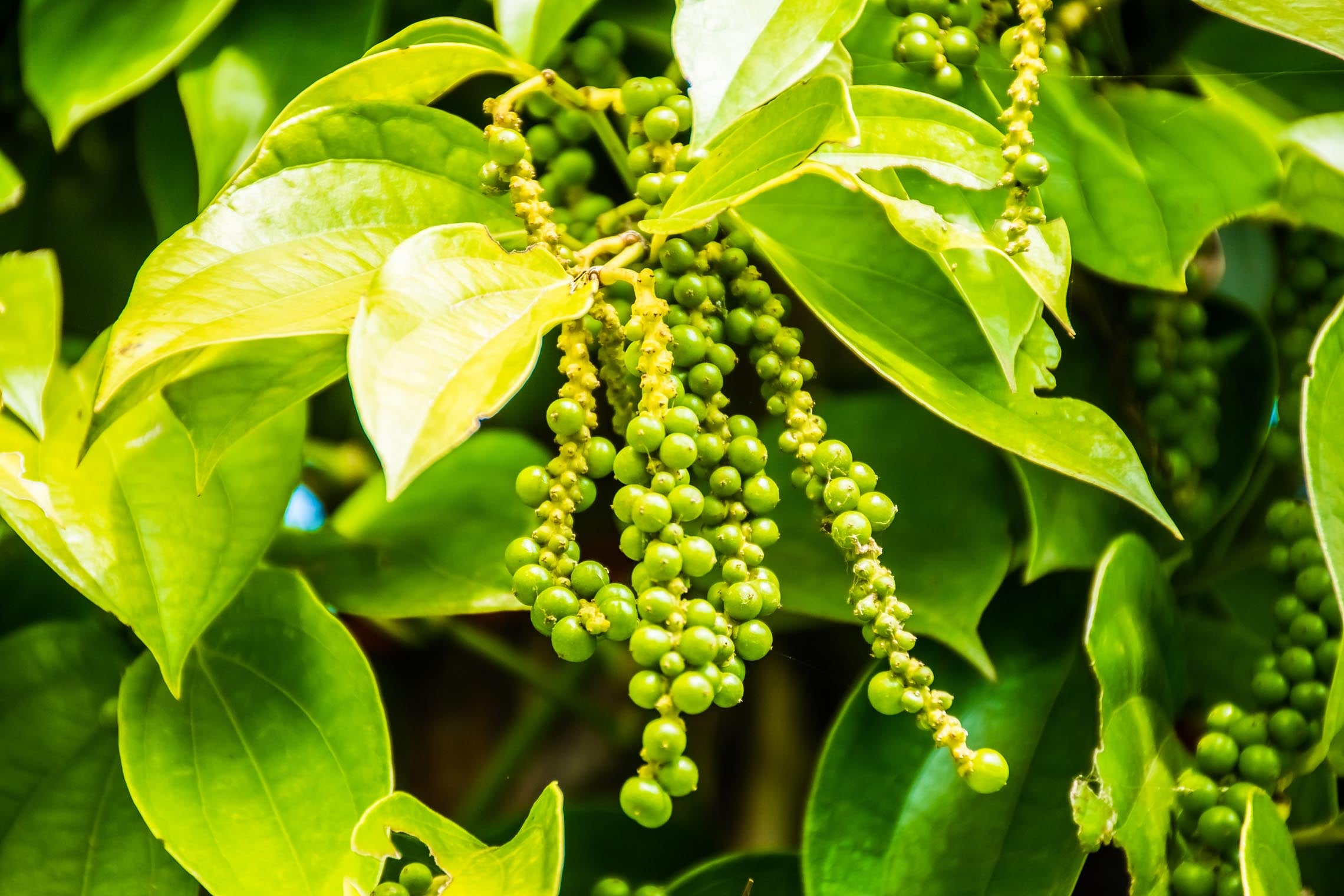
 Phu Quoc pepper garden surrounded by lush greenery, often used as a key ingredient in local cuisine in Phu Quoc

 Phu Quoc pepper garden surrounded by lush greenery, often used as a key ingredient in local cuisine in Phu Quoc

Away from the main tourist streets, small home-style eateries continue to serve local residents from modest kitchens, sometimes with little signage and even less presence online. Their character comes from specialities that are difficult to find elsewhere, with one cook known for Bun Ken (Phu Quoc fish noodle soup) and another gaining a reputation for a particular preparation of crab or herring, while seeking out these places can lead travelers into quieter corners of the island.

Ask first, search later

Finding a must-try Phu Quoc restaurant often starts with a conversation with a local. A driver may mention an eatery known for Banh Canh Cha Ca (Fish cake noodle soup), a shopkeeper may recommend where to try Bun Quay (Phu Quoc stirring noodle soup), or someone at the Phu Quoc night market may point towards a family-run place serving a particular specialty. Such advice can lead travelers towards places chosen for their food rather than their visibility.

A small menu with a long memory

Some family kitchens deliberately keep their menus narrow, focusing on dishes that have become part of Phu Quoc's everyday food culture. Canh Nam Tram (Melaleuca mushroom soup) may arrive with its earthy, slightly bitter flavour, while Goi Ca Trich (Herring salad) combines fresh herring, herbs, coconut and rice paper. The short menu follows the rhythm of the kitchen, shaped by what the cook knows best and what ingredients are available that day. There may be no elaborate presentation, only the accumulated knowledge of someone who has prepared the same food countless times.

When a meal feels like being welcomed home

The warmth of these places can emerge through small gestures instead of formal hospitality. A host may bring an extra bowl without being asked, suggest a different sauce for a dish, or explain how locals usually eat it. Someone may linger beside the table to answer a question about an ingredient before returning to the kitchen. These moments turn an ordinary meal into an exchange, giving travelers a glimpse of how food fits into daily life on the island.

In Phu Quoc, food opens different windows onto island life. The Phu Quoc night market captures the energy of Duong Dong after dark, while Phu Quoc restaurants create space to linger over the coast and quieter family kitchens reveal the habits behind local dishes. Together, these experiences give travelers different ways to understand what people eat, where they gather and how the island's food traditions continue to evolve.

Quick information

Frequently Asked Questions 

Booking ahead is recommended during weekends, holidays and peak travel periods. Restaurants around Duong Dong, Tran Hung Dao Street and Ong Lang can become busy at dinner, especially for sunset dining. Expect around VND 200,000 – VND 500,000 per person at casual restaurants, while beachfront dining can cost more.

The Duong Dong area is one of the most convenient places to try bun quay, with several local eateries serving the dish near the central market and waterfront. Both are located around the central area, with a bowl typically costing VND 40,000 – VND 70,000. The restaurants are generally within 1 – 3 km of Bach Dang Street and Phu Quoc Night Market.

Yes, several traditional fish sauce factories in Phu Quoc welcome visitors to learn about production and purchase local products. Many are concentrated around Duong Dong and the southern fishing villages, while some facilities are approximately 5 – 15 km from central Duong Dong. Tours are often free, although product purchases are separate.

From Phu Quoc Airport to the heart of the island

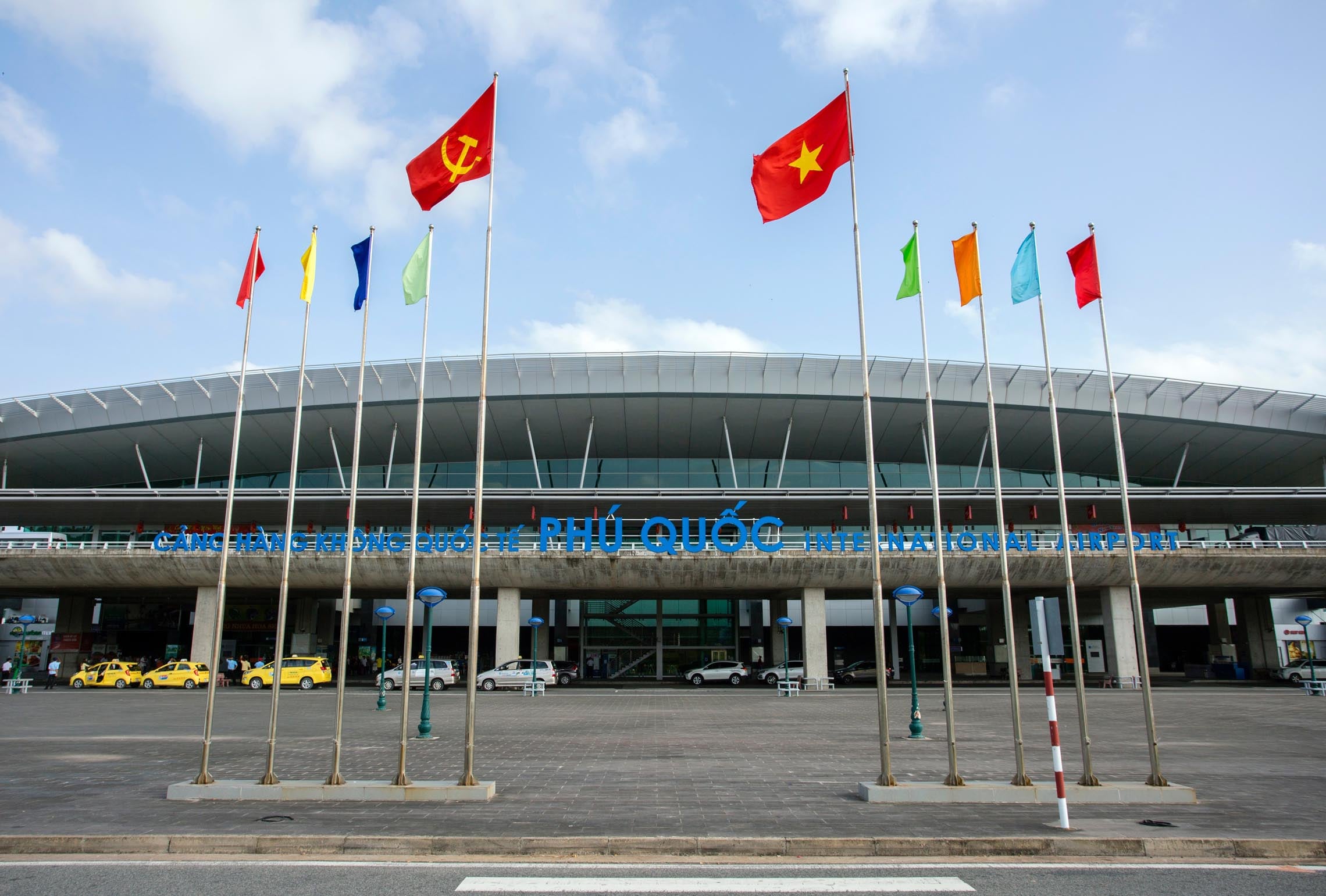
An island holiday often begins with a small pause between landing and setting off: collecting luggage, finding a connection, changing money and finding the quickest route to the hotel. At Phu Quoc Airport (officially known as Phu Quoc International Airport), these practical details come together in a compact space, making the transition from aircraft to island road straightforward. Once the essentials are sorted, the holiday moves naturally into its next chapter.

Exterior view of Phu Quoc International Airport in Duong To

Exterior view of Phu Quoc International Airport in Duong To

Phu Quoc Airport makes for an easy start to the island

The first hour after landing can shape how a destination feels, with a clear layout and useful arrival facilities keeping that beginning calm, leaving travelers free to focus on what comes next.

A compact terminal keeps the first steps simple

After a flight, even a familiar airport can feel disorienting when everything is new. Phu Quoc International Airport keeps that experience straightforward with a compact single-terminal layout, with arrivals on the lower level and departures above. Travelers do not need to navigate between separate terminals, making those first few minutes easier to manage, particularly after an international flight. Before departure, travelers can check the Phu Quoc International Airport map to become familiar with the terminal and plan their arrival with greater confidence.

Modern terminal at Phu Quoc International Airport

Modern terminal at Phu Quoc International Airport

Visa exemption and currency exchange simplify the first hour

For eligible international visitors, Vietnam's visa exemption arrangements can remove an additional step from arrival. Currency exchange counters also provide a convenient place to arrange Vietnamese cash before leaving the airport. Having some local currency can help with the first taxi ride, smaller purchases or situations where electronic payments are unavailable. These details may seem small, yet they shape the first hour. 

A local SIM card puts the island within reach

Connectivity can be just as useful as cash when arriving somewhere new. Local SIM cards are available close to the arrivals exit, giving travelers the option to arrange mobile data before continuing their journey. A connection can help with contacting a driver, confirming a hotel address or checking directions along the way. It also means travelers can stay connected without having to search for a telecom shop after reaching the city.

Reaching Phu Quoc with ease

Because Phu Quoc lies offshore, no bridge or railway connects it with mainland Vietnam. Those wondering how to get to Phu Quoc have two choices: flying across the Gulf of Thailand or taking a mainland ferry. Flying saves time for travelers from major Vietnamese cities, while those exploring southern Vietnam can make the sea crossing part of the itinerary.

Flying turns a long journey into a short transition

For travelers starting far from the coast, flying removes several hours of overland travel. After landing, the route to get from Phu Quoc Airport to the city centre is usually simple.

Duong Dong lies approximately 10 km away, with the drive taking 15 – 25 minutes depending on traffic. Public buses cost around VND 50,000 per person, while private cars and app-based transport typically range from VND 150,000 – VND 220,000. Taxis generally cost VND 180,000 – VND 220,000, depending on the destination and service conditions. Buses suit budget-conscious travelers, while private transfers offer greater convenience for families, groups or those carrying several bags.

Ferries make the crossing part of the adventure

For travelers who would rather let the journey unfold at sea, ferries from Ha Tien and Rach Gia provide an alternative route to Phu Quoc. Instead of stepping from an aircraft into a waiting car, travelers can watch the mainland recede as the island gradually draws closer. This route fits naturally into a southern Vietnam itinerary, particularly for those traveling through the Mekong Delta. The ferry takes longer than a flight, but the crossing adds another chapter to the trip, making arrival feel gradual rather than instantaneous.

Travelling from Saigon to Phu Quoc

For travelers starting in Ho Chi Minh City, reaching Phu Quoc Airport can be remarkably quick. The flight connection puts an island break within reach even with limited time, while flight frequency lets travelers shape the trip around work, weekends or a wider Vietnam itinerary.

One of the island's busiest domestic routes

The Saigon to Phu Quoc route connects Ho Chi Minh City, commonly known as Saigon, with Phu Quoc Airport in roughly one hour, offering a direct link between the city and island.

Frequent daily departures make weekend trips realistic

Frequent daily departures give the Saigon to Phu Quoc route the flexibility short holidays require. An early flight opens up most of the first day, while a later departure lets travelers finish a morning in Ho Chi Minh City before heading to the airport. That makes a Friday-to-Sunday trip easy to arrange: leave Saigon after work, arrive in Phu Quoc in the evening and wake up to a full day ahead. For those with limited leave, the short connection makes an offshore escape realistic.

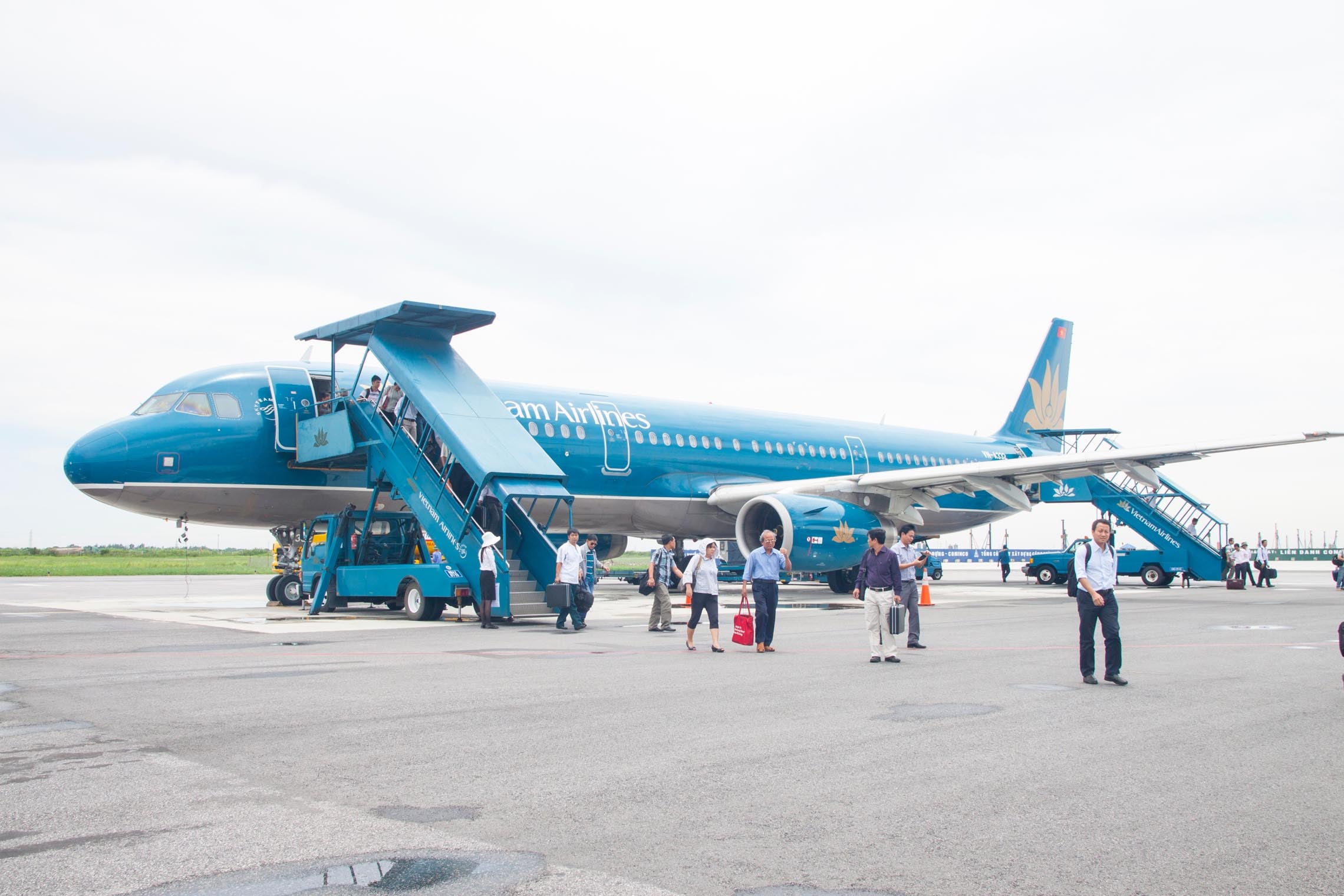
Passengers disembarking at Phu Quoc International Airport in An Giang, Vietnam

Passengers disembarking at Phu Quoc International Airport in An Giang, Vietnam

Vietnam Airlines lists the route under Ho Chi Minh City

When searching for Saigon to Phu Quoc, travelers should look for Ho Chi Minh City in the Vietnam Airlines booking system, the official city designation for this route. Multiple daily flights are available, with times and frequency varying by travel date. Checking the schedule before booking hotels and activities helps travelers build the itinerary around their preferred departure. When looking for a flight to Phu Quoc, visitors can consider TripCARE travel insurance for added coverage during their journey.

How to get to Phu Quoc depends on the route that suits each traveler, with each option offering a different way to begin the island journey.

Quick information

Frequently Asked Questions

For domestic flights, arriving about 2 hours before departure gives travelers enough time to check in, pass security and reach the gate without rushing. For international services, 3 hours is a safer margin, especially during busy travel periods when check-in and immigration may take longer.

A motorbike suits travelers who want to explore independently and move between smaller roads at their own pace. Taxis and ride-hailing services are easier for groups or those carrying luggage, while airport transfers can be arranged directly to accommodation in areas such as Duong Dong, Ong Lang or An Thoi.

From Duong Dong, travel south to An Thoi Station, around 25 km away, by taxi,  ride-hailing services or shuttle bus before taking the Hon Thom Cable Car. The sea crossing takes about 15 minutes, connecting the mainland station with Hon Thom while offering panoramic views across the southern waters.

Phu Quoc hotels where sunsets, beaches and quiet escapes meet

Long before the first hotel lights come on, Phu Quoc begins its evening show. Along the western shore, the sun sinks slowly into the Gulf of Thailand, turning the water copper and the silhouettes of fishing boats almost black against the glowing horizon. Travelers gather along the beach to watch the spectacle, yet apart from the famous sunset, another side of Phu Quoc, with its quiet northern forests, secluded southern beaches and small coastal communities, is waiting to be discovered.

The island's beauty changes with the direction of the road and the accommodation's location. But each stay in Phu Quoc hotels opens onto a different side of Phu Quoc, with golden western shores, quiet northern landscapes and secluded southern beaches waiting beyond the familiar island postcard.

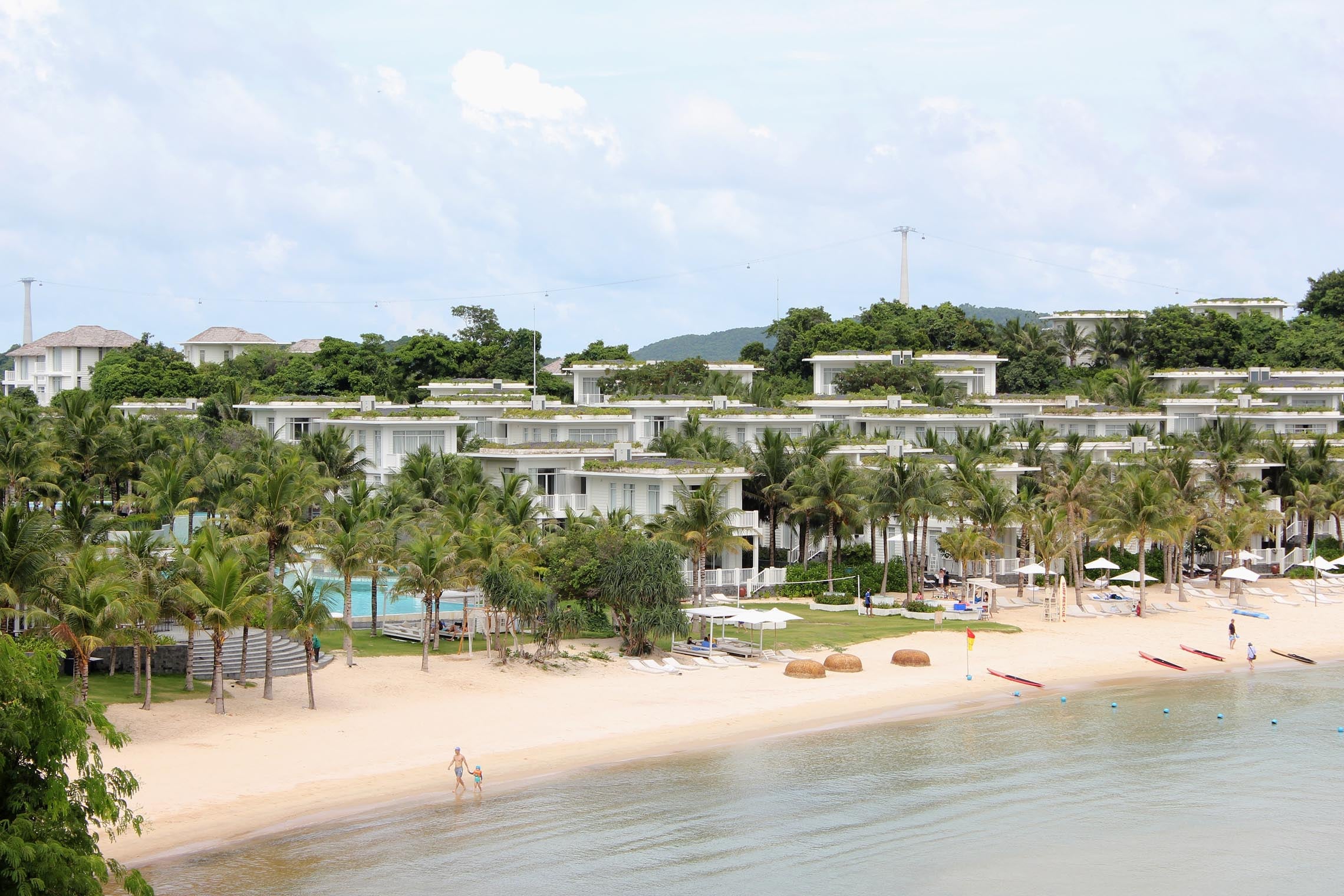
 Resort ở Phú Quốc ven biển luôn là ưu tiên hàng đầu của nhiều du khách quốc tế lẫn nội địa

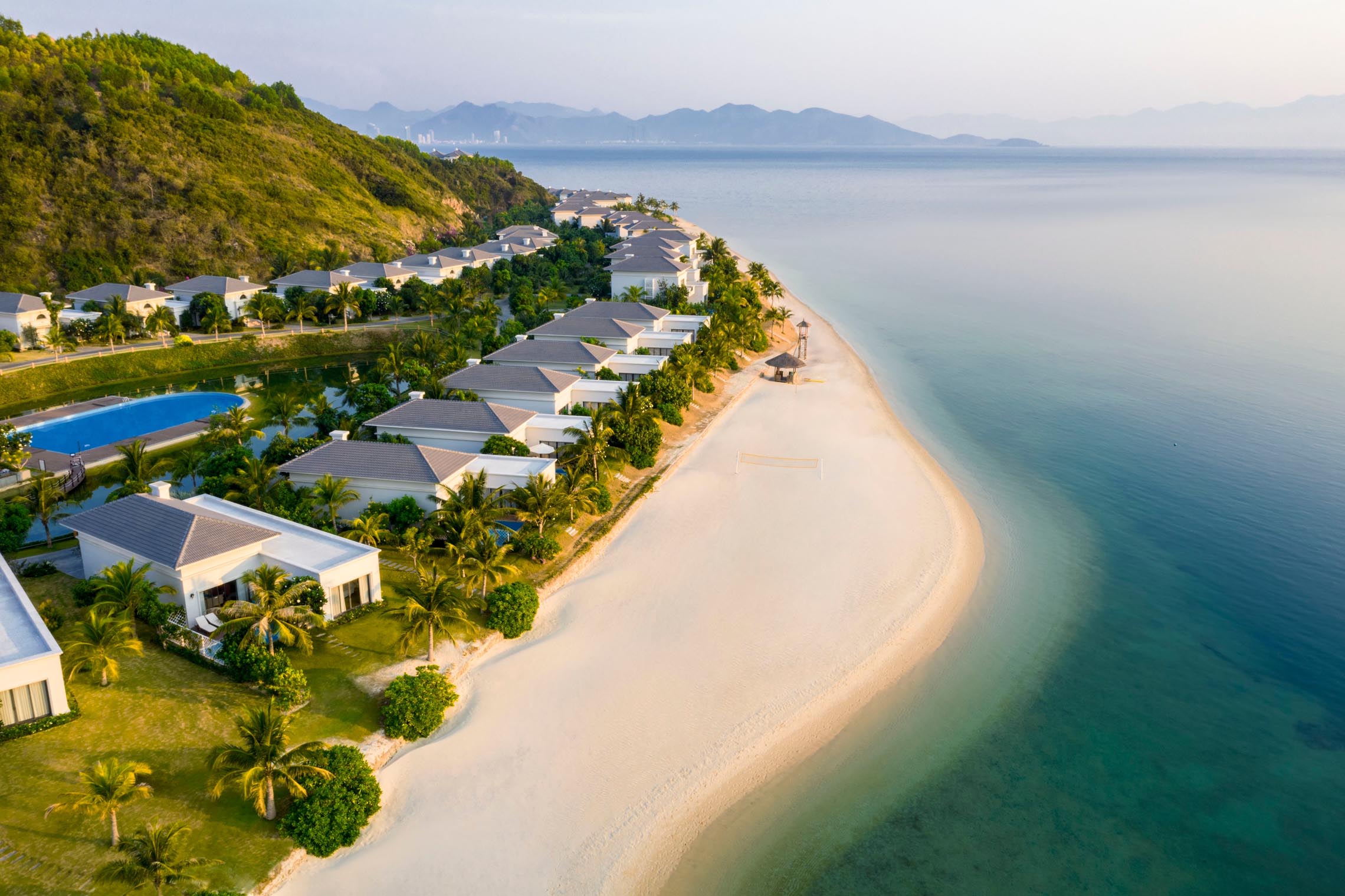
Seaside resort in Phu Quoc with beachfront accommodation and tropical surroundings, featuring Phu Quoc hotels

Phu Quoc hotels follow the rhythm of the island's coastline

A journey across Phu Quoc reveals how quickly the atmosphere can change. The same island that draws crowds towards its sunset beaches also keeps quieter corners where mornings begin with birdsong, fishing boats and the sound of waves beyond the trees.

West coast hotels turn sunset into part of the stay

Late afternoon is when the western coast begins to gather its audience, as the heat softens, the sea catches the changing light, and the horizon gradually shifts from blue to amber before the sun slips away. For couples, Phu Quoc hotels facing this stretch of the Gulf of Thailand create an especially cinematic setting, with the final hours of daylight unfolding almost directly outside the room.

Long Beach is the best-known expression of this western mood, with its shoreline running alongside Tran Hung Dao Street, where accommodation, restaurants and cafés form one of the island's most convenient hotel corridors. A morning can begin with a walk beside the sea, continue with lunch nearby and return to the beach in time for sunset. As the sky darkens, the beachfront gradually changes from a place for swimming into a setting for drinks, dinner and slow evening walks.

Northern Phu Quoc hotels open onto quieter surroundings

The journey north feels almost like entering another island, with traffic thinning as the road moves away from Duong Dong, greenery becoming more prominent, and the spaces between buildings growing wider. Around Ong Lang and farther north, Phu Quoc hotels appeal to travelers who want privacy, open surroundings and fewer interruptions.

Here, a day does not need to be filled with appointments. Morning light can arrive through tropical foliage, followed by breakfast overlooking the gardens, an afternoon beside the pool and a walk towards the coast before dusk. The evening settles differently too, with fewer commercial lights and less traffic beyond the property. For couples or travelers seeking a retreat from busy holiday districts, the northern coast offers a quieter relationship with Phu Quoc. The forest, sea and changing weather become part of the scenery rather than something viewed briefly between activities.

Central Phu Quoc hotels keep island life close

By contrast, the centre around Duong Dong belongs to the movement. As daylight fades, seafood restaurants begin serving dinner, street stalls grow busier and lights appear around the waterfront. Phu Quoc hotels at the centre of the island cluster along Tran Hung Dao Street, while Nguyen Trung Truc Street and Bach Dang Street bring travelers closer to local restaurants, shops and the night market. The advantage becomes clear after sunset, as dinner can lead naturally towards Bach Dang and the night market, where grilled seafood aromas drift through the evening air. With cafés, shops and the waterfront nearby, travelers can explore on foot rather than arrange another transfer. For visitors using their hotel as a base, central Duong Dong keeps the island's everyday rhythm just outside the door.

Some of the best hotels in Phu Quoc sit away from the beach

The first line of beachfront accommodation naturally attracts attention, yet a different kind of value unfolds a few streets inland. Along Cua Lap Road and the smaller lanes branching from Tran Hung Dao Street, some of the best hotels in Phu Quoc sit quietly among tropical gardens, palms and local homes. Low-rise buildings, timber details, tiled roofs and open-air corridors give these properties a more natural, locally rooted character, while cafés and family-run shops bring the neighbourhood to life. Imagine returning here at dusk after a day around the island, with greenery outside the window and the coast only a short ride away. The money saved on a room can stretch towards a seafood dinner, an island excursion or simply another night beneath the palms.

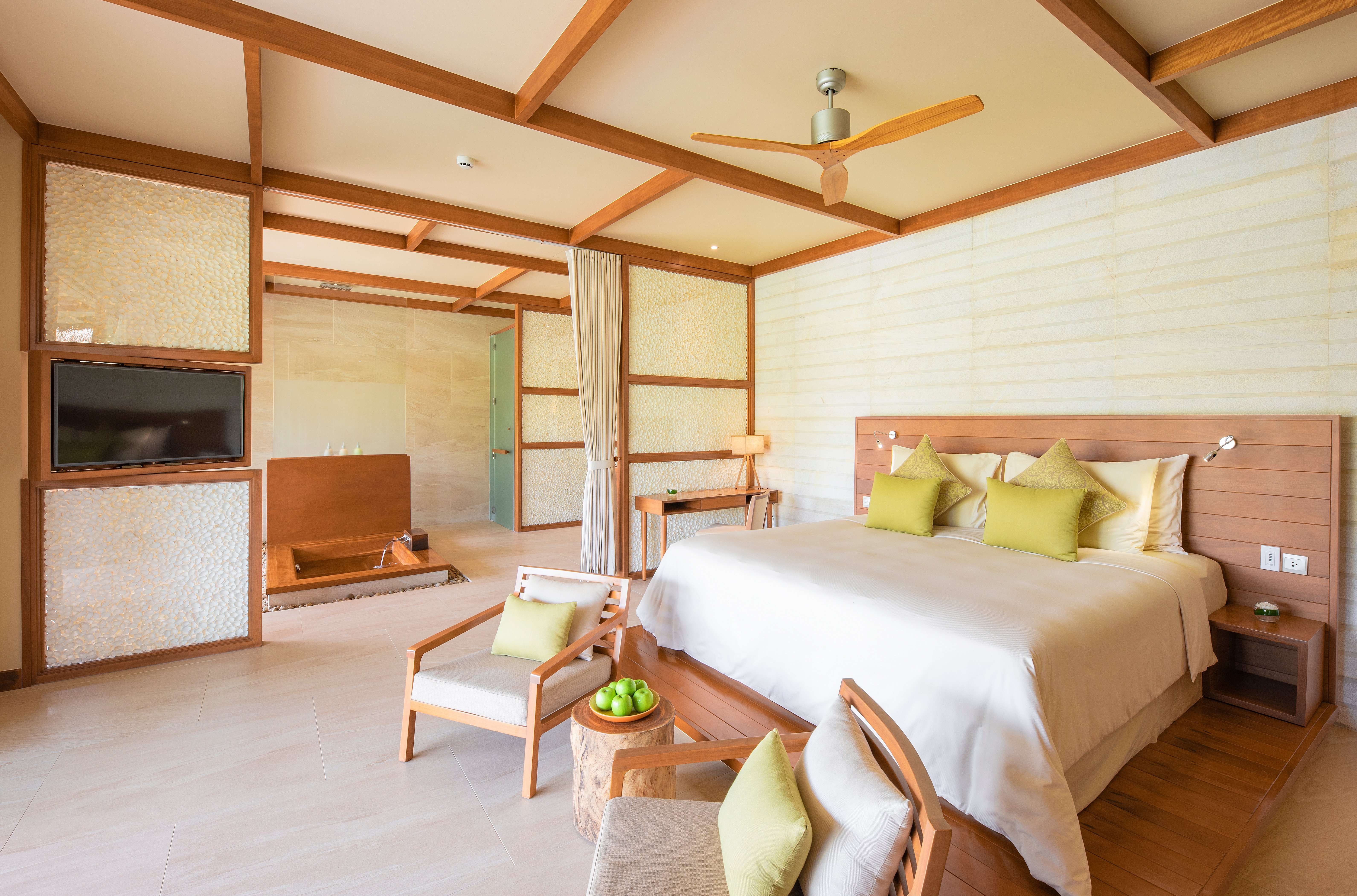
Hotel interior in Phu Quoc with modern accommodation and tropical-inspired design, featuring Phu Quoc hotels

Hotel interior in Phu Quoc with modern accommodation and tropical-inspired design, featuring Phu Quoc hotels

Phu Quoc luxury resorts in harmony with nature

At the resort end of the island's accommodation spectrum, the experience slows down again. Gardens open towards the sea and the boundary between indoors and outdoors becomes deliberately soft, Phu Quoc luxury resorts make the surrounding landscape part of the stay, allowing travelers to enjoy the island without constantly leaving the property.

Private beaches and villas create a secluded island rhythm

The first view of the morning can be the sea, while an afternoon may pass between a private terrace, the pool and the beach. Many Phu Quoc luxury resorts combine private or semi-private beach access with spacious villas and ocean-facing rooms. The architecture often leaves room for tropical gardens, open-air spaces and uninterrupted views, allowing the natural setting to remain part of the experience. Khem Beach in the south offers one of the island's most distinctive settings, with its curved shoreline framed by greenery. 

Wellness and dining give each resort its own character

At a well-designed resort, the day's highlights do not need to happen outside the property. Breakfast can stretch into a slow morning, an afternoon of spa treatment creates a pause from the tropical heat and dinner begins as the horizon loses its final light. Wellness and spa experiences give Phu Quoc luxury resorts another layer of intimacy, while destination restaurants bring Vietnamese produce, seafood and island flavours to the table. Dining beside the sea adds a sensory dimension that a restaurant in town cannot quite reproduce: the breeze moves through the open space, the light changes across the water and conversation continues as night settles over the coast.

Family resorts make room for different holiday rhythms

Family holidays require several rhythms to coexist. Children may want new activities every few hours, while parents often value a little uninterrupted time of their own. Family-focused Phu Quoc luxury resorts accommodate both through kids' clubs, organised activities and curated local excursions.

A child can spend the morning at the club while parents enjoy the pool or spa, before everyone meets again for lunch. Later, a family excursion can introduce another side of Phu Quoc, followed by an easy evening back at the resort. The result is a holiday with enough structure to keep younger travelers engaged and enough breathing room for adults to slow down. Across the island, Phu Quoc hotels reveal different versions of the destination with western shores made for sunset, northern landscapes shaped by quiet, central streets alive with food and nightlife, and southern beaches framed by secluded resorts.

Wellness resort in Phu Quoc surrounded by lush greenery and natural landscapes

Wellness resort in Phu Quoc surrounded by lush greenery and natural landscapes

From a sunset-facing room to a garden-framed retreat, the right choice of accommodation, including options available through the Vietnam Airlines and Booking.com partnership, helps make the best hotels in Phu Quoc part of a memorable island escape.

Quick information

Frequently Asked Questions

Booking 1 – 3 months ahead can give travelers more choice during the island’s busiest periods. For stays around Christmas, New Year or the November-to-April dry season, earlier planning can help secure preferred room categories. Properties around Duong Dong and Long Beach may fill faster, while quieter northern areas such as Ong Lang can offer more flexibility closer to the travel date.

Yes, accommodation in Phu Quoc ranges from simple stays to high-end resorts, with prices varying by location and season. Rooms around Duong Dong can start from roughly VND 500,000 – VND 1,000,000 per night, while upscale beachfront properties may cost several million VND or more. Staying a few streets inland from Long Beach can also provide better value without adding much travel time.

Many resorts can arrange airport transfers, with the journey depending on where the property is located. Hotels around Long Beach and Duong Dong are generally about 10–15 km from Phu Quoc Airport, while properties farther north may require a longer drive. Private transfers commonly cost around VND 150,000 – VND 300,000, depending on vehicle type, distance and hotel service.

Phu Quoc night market and local treasures

Some of Phu Quoc's best-known products have found their way far beyond the island. Fish sauce seasons meals across Vietnam and in kitchens overseas, while local pepper is prized for its fragrance and lively heat. Behind these familiar flavours are coastal workshops, countryside gardens and family businesses. Walk through Duong Dong after sunset and the story continues at the Phu Quoc night market, where these local goods appear alongside small finds made across the island.

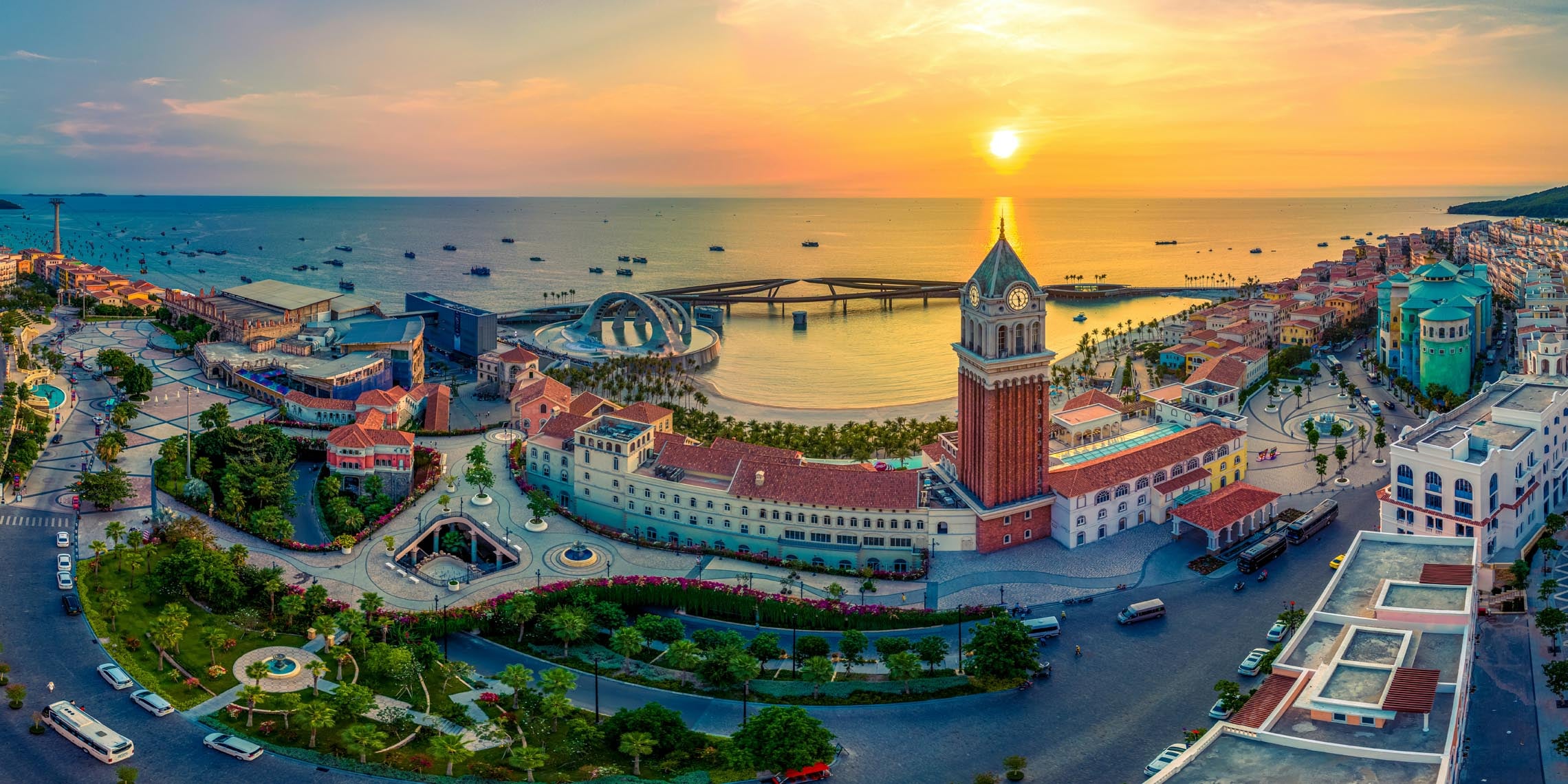
Sunset Town in southern Phu Quoc Island with Mediterranean-inspired architecture and coastal views, near Phu Quoc night market

Sunset Town in southern Phu Quoc Island with Mediterranean-inspired architecture and coastal views, near Phu Quoc night market

Shopping and exploring Phu Quoc night market 

As evening settles over Duong Dong, the Phu Quoc night market begins to draw its first visitors. Warm lights spill across the walkway, motorbikes pass at the edge of the crowd, and voices mingle with the sounds of the waterfront. The market traces its roots to Dinh Cau Night Market, which opened in 2007 before moving to Bach Dang Street in 2016. Today, shoppers wander between stalls, compare goods and chat with vendors as the evening grows busier.

Pearls, dried seafood and handmade souvenirs

Amid the lively stalls of the Phu Quoc night market, pearls offer a glimpse into a craft that begins far from the market lights. At pearl farms, oysters are carefully tended in the sea as they gradually form layers of nacre over time. This traditional practice has made pearl cultivation an important part of Phu Quoc’s local trade, while at the Phu Quoc night market, necklaces, earrings and bracelets are displayed among the stalls for visitors to browse. 

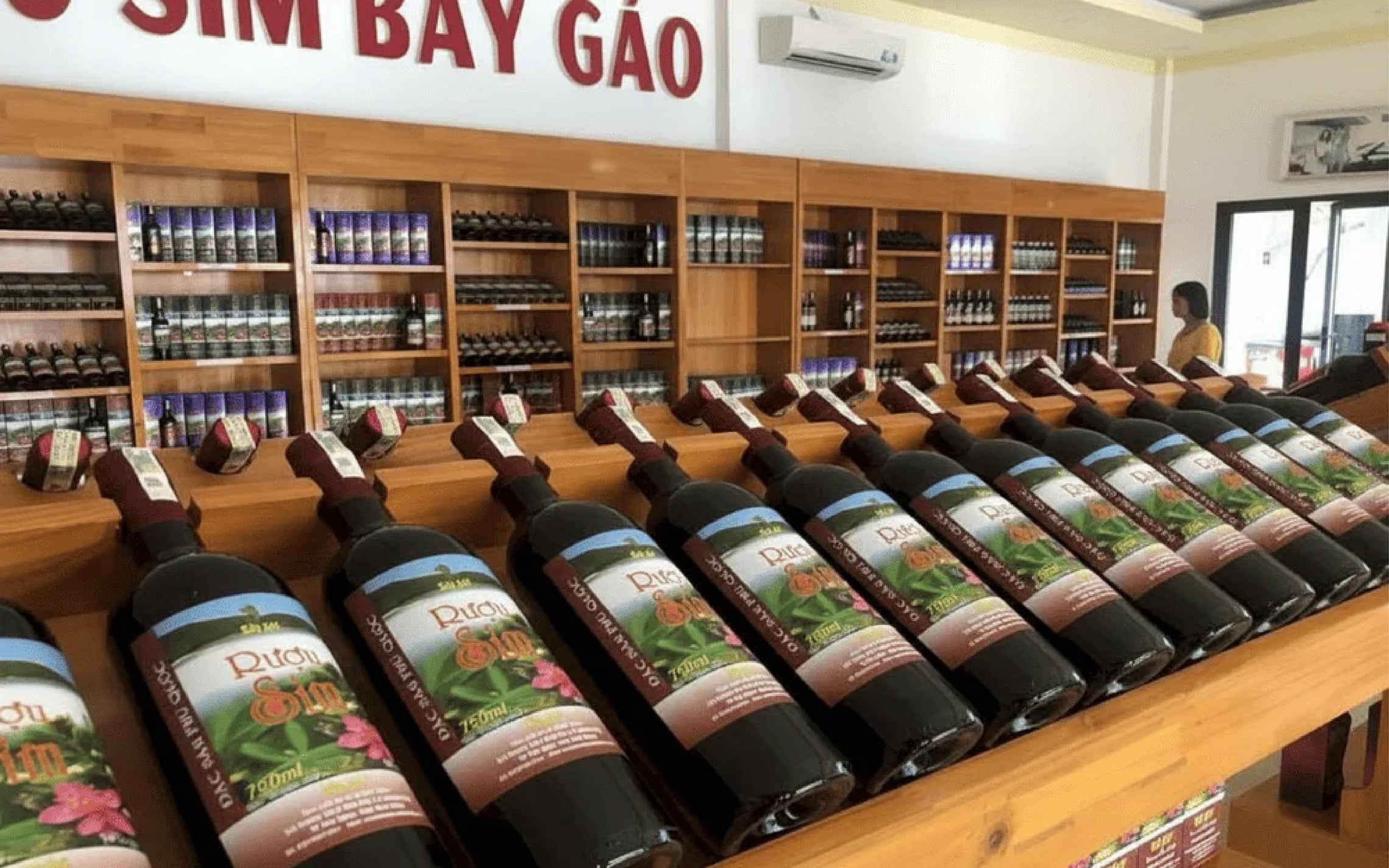
Nearby, dried squid and shrimp bring the fishing coast closer, Ruou Sim Phu Quoc (Phu Quoc Myrtle wine) await to be tasted, while carved goods carry the touch of local makers and join the island's wider range of specialities.

Family-run stalls and inherited know-how

Behind many stalls, trade follows knowledge built through Phu Quoc night market traditions and the island's long exchange with the mainland. Boats once carried fish, salt and other island goods towards coastal markets, returning with supplies from the shore, while families learned which products travelled well, who to trade with and how to judge quality. That knowledge stayed within households, passed from parents to children through years of daily work. A father might teach his son how to choose a supplier, while a mother shows her daughter how to recognise good goods. Today, younger family members continue that inherited know-how, keeping the island's old trading traditions alive as tourism brings new customers.

Bargaining as part of the ritual

At the Phu Quoc night market, a purchase can begin with a smile rather than a price tag. A seller names a figure, the shopper pauses, asks about the item, and a counteroffer follows. When several pieces catch the eye, the conversation may stretch a little longer before both sides agree. The exchange gives shopping a social quality, where curiosity, humour and judgement matter alongside the final price. Travellers who prefer a quieter, more structured way to browse can continue the shopping trail at Phu Quoc Shopping Mall, where the island's local discoveries take on a more polished setting.

Bottled Phu Quoc myrtle wine packaged as a local gift, featuring wild myrtle fruit imagery on the label

Bottled Phu Quoc myrtle wine packaged as a local gift, featuring wild myrtle fruit imagery on the label

Phu Quoc fish sauce worth bringing home

Among Phu Quoc's traditional products, Phu Quoc fish sauce tells the tale shaped by the island's position between the sea and the mainland. For generations, fishing boats have brought their catch ashore, while local producers have turned that daily harvest into a staple known far beyond the island. The trade grew alongside coastal communities, linking the work of fishermen, producers and merchants through a product now recognised as part of Phu Quoc's culinary heritage.

A tradition tied to fermentation

Inside a traditional production house, the work follows a calendar measured less by hours than by patience. Anchovies are layered with salt, then left to mature while producers monitor the changing mixture through the months ahead. The transformation is gradual, and experience matters at every stage. Families who have worked in the trade for generations know how the mixture should look, smell and develop before it is ready. That accumulated knowledge gives Phu Quoc fish sauce its character, connecting an age-old preservation practice with the island's maritime economy.

Wooden barrels passed through generations

Step into an old production house and the first impression comes from the scale of the vessels. Large wooden barrels stand in rows, some darkened by years of contact with salt and fish. Families have cared for these vessels, repaired them and kept familiar working methods alive across decades. The deep scent in the air, the timber surfaces and the quiet pace of the room make the production process feel almost removed from the modern world. Here, Phu Quoc fish sauce is still closely tied to the hands that make it.

Traditional fish sauce factory in Phu Quoc with large wooden barrels used to ferment anchovies for Phu Quoc fish sauce

Traditional fish sauce factory in Phu Quoc with large wooden barrels used to ferment anchovies for Phu Quoc fish sauce

Deep amber colour and rich aroma

When the liquid finally reaches the stage of bottling, its appearance offers a first clue to what lies inside. A deep amber tone catches the light, followed by a pronounced aroma and a savoury depth that needs only a little to season a dish. Around Duong Dong, specialty shops and traditional producers offer opportunities to compare bottles from different makers and grades. Some travellers choose a bottle after tasting it with local food, while others ask about its origin and production and visit its workshop out of great curiosity. In either case, Phu Quoc fish sauce leaves the island as a flavour with a very specific sense of place.

Phu Quoc pepper ranks among Vietnam's finest

The reputation of Phu Quoc pepper has gradually reached far away from the island, giving this agricultural product a place among Vietnam’s better-known regional specialities. 

Grown in the island's soil and climate

Across Cua Duong, Cua Can and Duong To, pepper vines grow among the green agricultural landscape of Phu Quoc. The island’s tropical environment provides the setting for cultivation, while the characteristics of the land influence the growth and quality of the berries. The pepper gardens offer a glimpse into the agricultural side of Phu Quoc, away from its beaches and coastal attractions. Rows of vines supported by wooden stakes rise through the fields, creating a landscape that has become closely associated with the island’s countryside.

Hand-picked and traditionally dried

Growing Phu Quoc pepper requires patience and close attention throughout the agricultural cycle. Farmers tend the vines, manage their growth and select the berries when they reach the appropriate stage of ripeness. Harvesting is carried out with care, as the condition of the berries determines how they will be processed later. This connection between the work of local growers and the qualities of the finished spice is part of what gives Phu Quoc pepper its distinctive identity.

Black, red and white varieties

The same pepper plant can produce several varieties, each with its own character. Black pepper has a pronounced aroma and lively heat, while red pepper comes from fully ripe berries and tends to deliver a deeper, rounder flavour. White pepper is processed after the outer skin has been removed, giving it a cleaner and more focused profile. These varieties allow visitors to discover different expressions of the island’s pepper rather than treating it as a single product. They are also among the most recognisable forms found in local shops and agricultural areas.

Fish sauce and pepper reflect different sides of Phu Quoc's local economy: one is rooted in the fishing coast and traditional fermentation, while the other comes from the island's agricultural interior.

Quick information

Frequently Asked Questions

In Phu Quoc, cards are widely accepted at hotels, resorts and larger stores, but cash remains useful for smaller purchases. Keep around VND 500,000 – VND 1,000,000 for a day of shopping at local stalls. Most shopping areas in Duong Dong are within 1 – 3 km of the town centre, making them easy to reach by taxi or motorbike.

Yes. In Phu Quoc, pearl farms and specialist jewellery shops sell cultured pearls in different sizes, colours and grades. Prices can range from around VND 1 million to tens of millions depending on quality and design. Several pearl farms lie roughly 10 – 25 km from Duong Dong, so visitors should check certificates and product information before purchasing.

Packing deserves attention when these products are taken home. Fish sauce bottles should be sealed and protected against leaks. A 500 ml bottle may cost around VND 50,000 – VND 150,000, depending on its grade and producer. For baggage allowances and packing requirements, check the excess baggage information before leaving the island.

Offers from Vietnam Airlines

Promotion List
Sorry, there are currently no promo codes matching the selected criteria!
Please search again with different criteria
Filters

Loading