

Select region and language



Medical surveillance at Tan Son Nhat Airport against the threat of the Nipah virus and a partnership between Toshiba and Airbus to develop hydrogen-powered superconducting engines are the highlights of today’s Aviation News.
Medical Surveillance at Tan Son Nhat Airport Amid Nipah Virus Risks
Following reports of Nipah virus cases in West Bengal (India), the Ho Chi Minh City Department of Health stated it has proactively implemented surveillance and prevention measures to mitigate the risk of entry and community transmission, particularly at Tan Son Nhat International Airport.
According to the Department of Health, no cases of Nipah virus have been recorded in Ho Chi Minh City or the Southern provinces so far. In-depth studies conducted on encephalitis patients by the Oxford University Clinical Research Unit in collaboration with the Ho Chi Minh City Hospital for Tropical Diseases have also not detected the presence of this virus. Although the current risk of a Nipah outbreak in the city is low, the threat of external entry remains as international travel continues to rise.
HCMC’s health sector has strengthened medical surveillance at Tan Son Nhat Airport, focusing on passengers arriving from or transiting through affected areas. Cases exhibiting fever, respiratory symptoms, or abnormal neurological signs will be closely monitored for epidemiological factors and immediately transferred to the Hospital for Tropical Diseases for isolation, diagnosis, and regulated treatment.
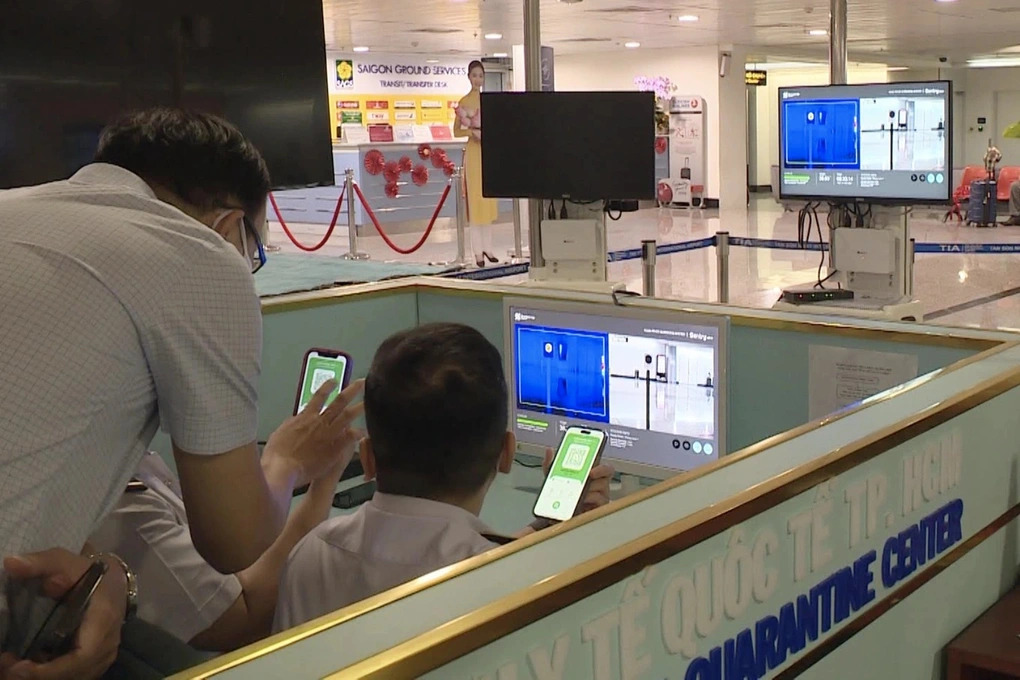
Simultaneously, the Hospital for Tropical Diseases has been requested to remain ready to receive suspected cases and organize professional training on diagnosis, treatment, and infection control for local medical facilities. Hospitals and clinics are reminded to strictly adhere to personal protective measures, especially for cases of acute encephalitis with unknown causes.
For individuals returning from affected areas, health authorities recommend self-monitoring for at least 14 days, contacting medical facilities immediately if symptoms appear, and avoiding self-treatment at home. Travelers to affected regions should avoid contact with bats, pigs, or animals showing signs of illness and refrain from consuming food that may be contaminated with bat waste.
According to the World Health Organization, the Nipah virus has a high fatality rate, ranging from 40% to 75%. Currently, there are no vaccines or specific treatments; therefore, early detection and strict medical surveillance at aviation gateways are considered key preventive measures.
Toshiba and Airbus Partner to Develop Superconducting Engines for Hydrogen Aviation
As the aviation industry accelerates toward its net-zero carbon goal by 2050, technological breakthroughs in sustainable fuels and propulsion systems are becoming increasingly urgent. One promising direction is Toshiba's superconducting electric motor, which offers a compact, lightweight, and high-power solution for aviation electric propulsion.
Compared to traditional motors in the 2 MW class, Toshiba’s superconducting motor weighs and measures less than one-tenth as much—marking a significant turning point for the aviation industry, where every kilogram directly impacts efficiency and flight range. Recognizing the potential of the prototype first announced in 2022, Airbus (the world's largest aircraft manufacturer) launched a research partnership with Toshiba in 2024 to develop and scale this technology.
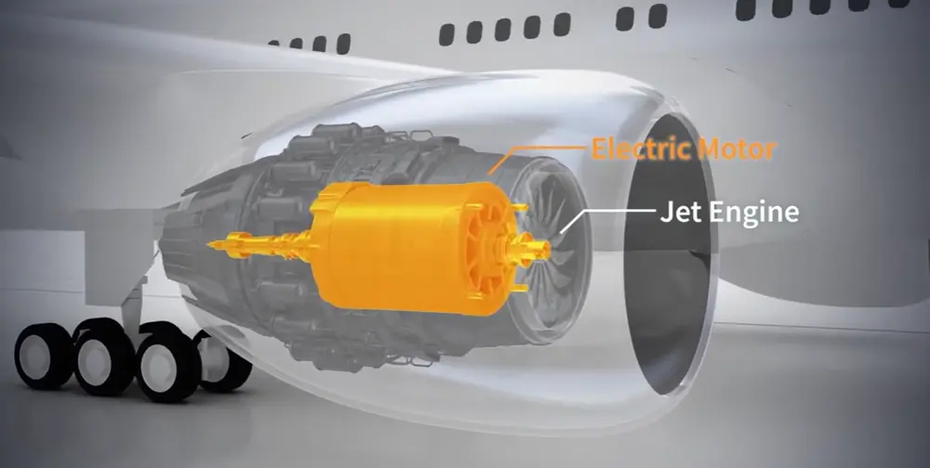
The formal partnership was announced at the 2024 Japan International Aerospace Exhibition, reflecting the shared commitment of both corporations to drive aerospace innovation. Drawing on Toshiba’s 50+ years of expertise in superconducting technology, this collaboration aligns with Airbus's aircraft electrification programs and hydrogen propulsion development, paving the way for zero-emission flights.
Hydrogen-powered aircraft are expected to fundamentally transform air transport by replacing fossil fuels with clean energy. Hydrogen can be used by burning it in turbines or converting it into electricity via fuel cells. The latter is more efficient as it enables a CO₂-free electric propulsion system. Toshiba’s superconducting motors operate at ultra-low temperatures with almost zero electrical resistance, optimizing energy efficiency. Liquid hydrogen, stored at -253°C, serves as both fuel and coolant, creating an optimal synergy between performance and weight.
Sources: Tuoi Tre, Fuel Cells Works, Bao Dau Tu
RELATED NEWS
Note:  Link opens in new window. Site may not meet accessibility guidelines.







© 2025 Vietnam Airlines JSC
Contact Center for calls within Vietnam (24/7): 1900 1100
For Lotusmiles members: 1900 1800
For calls from outside Vietnam (24/7): +84 24 38320320
Email: Telesales@vietnamairlines.com
Certificate of Business Registration - No.: 0100107518, Initial registration made on 30 June 2010, the 10th registration of changes made on 24 July 2025.




You are about to leave Vietnamairlines.com

You will be redirected to a website that is not owned by Vietnamairlines and is not within our control. The site may not follow the same accesibility polices as Vietnam Airlines.
Would you like to continue?
Would you like to continue?
Notice

According to regulations of the Ministry of Finance, E-VAT invoices are only issued for payment in VND. In case of paying by other currency, please change website country/region.