
1. A Glimpse into History: The Legacy of 36 Streets
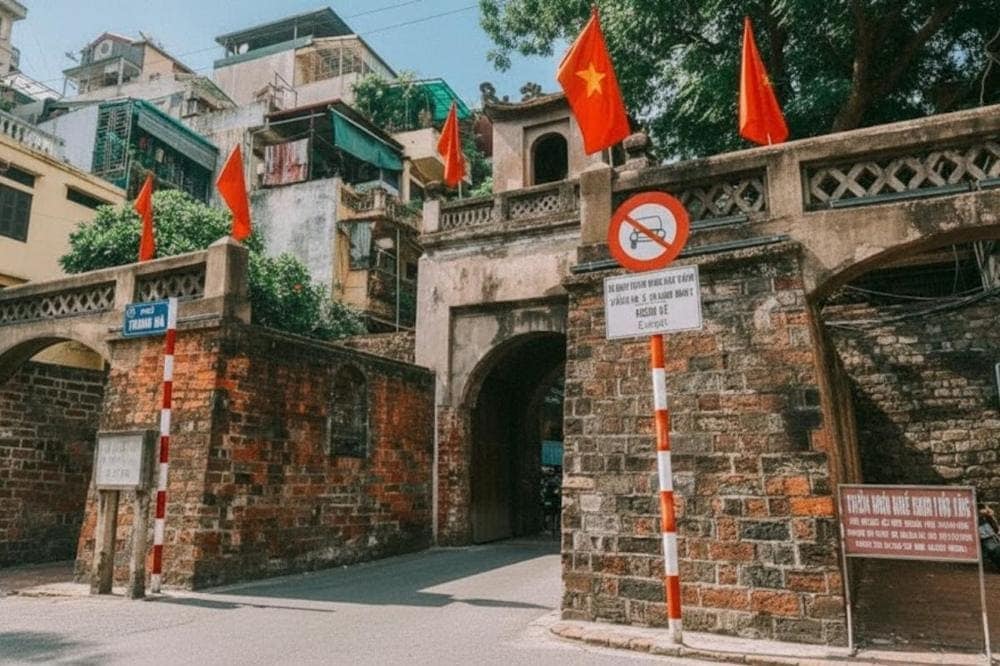
If you're not sure what to do in Hanoi, start by diving into its heart: the Old Quarter. The history of Hanoi’s Old Quarter dates back over a millennium, to the time when King Ly Thai To relocated the capital from Hoa Lu (Ninh Binh) to Thang Long - now Hanoi. By the 13th century, skilled artisans from across the region had settled in the area, forming guilds and establishing a thriving marketplace.
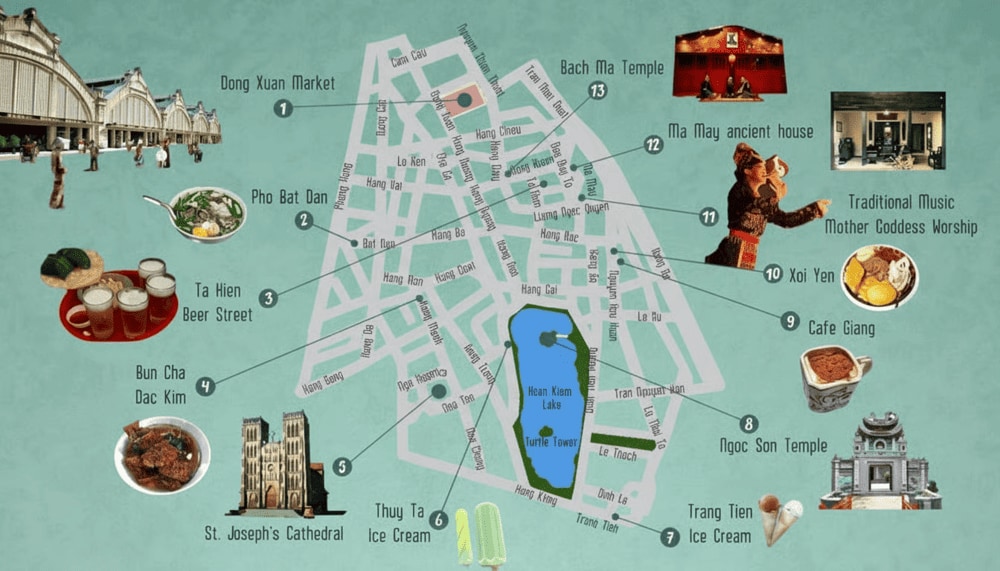
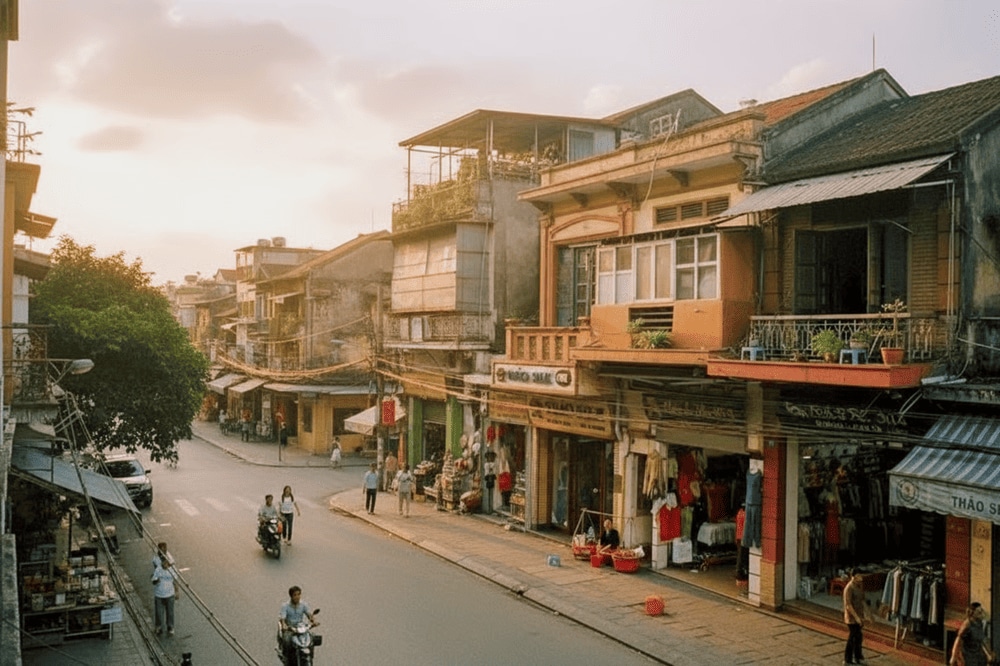
By the 15th century, at least 36 trade guilds had taken root, each specializing in a distinct craft. These guilds gave rise to the quarter’s iconic street names - Hang Bac (Silver Street), Hang Dao (Silk Street), Hang Ma (Paper Offerings Street), and many more - each reflecting the goods historically sold there.
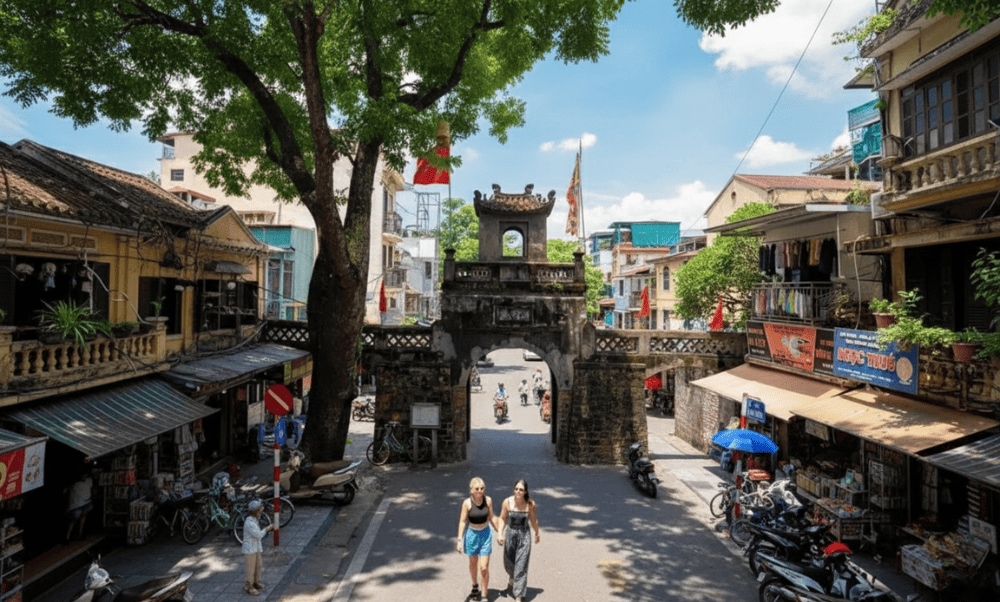
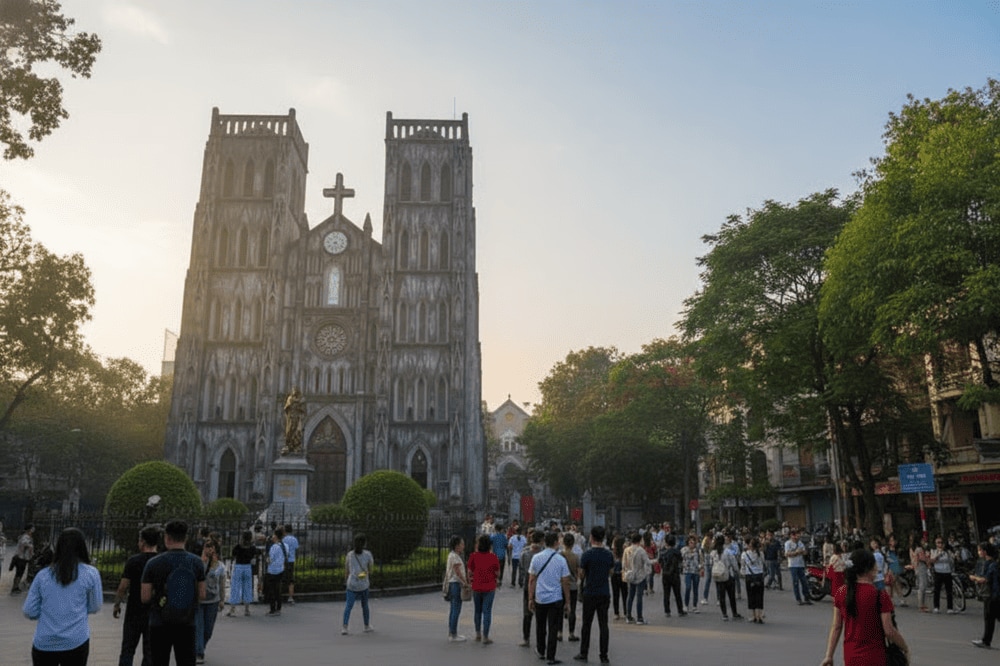
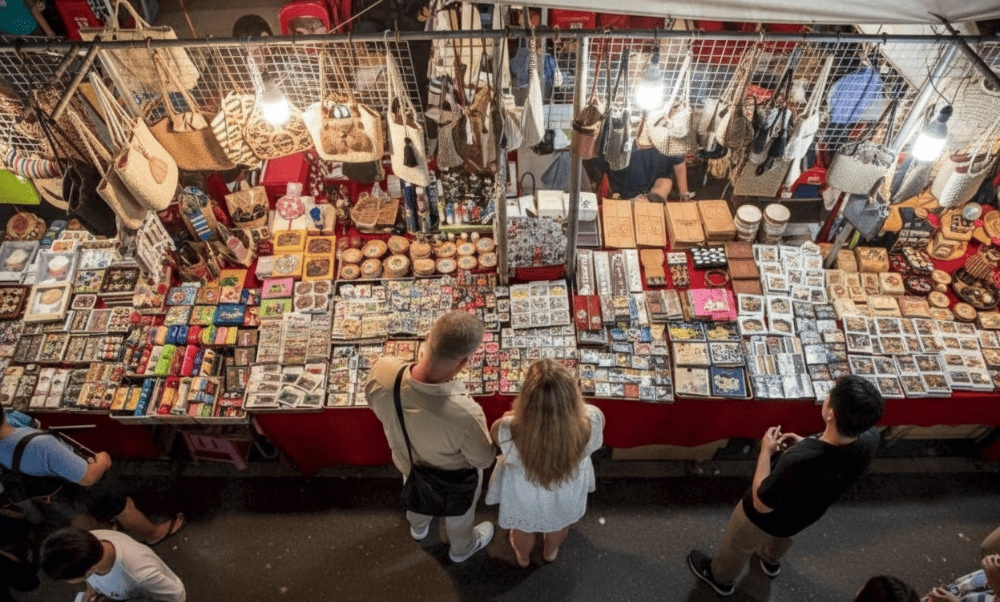
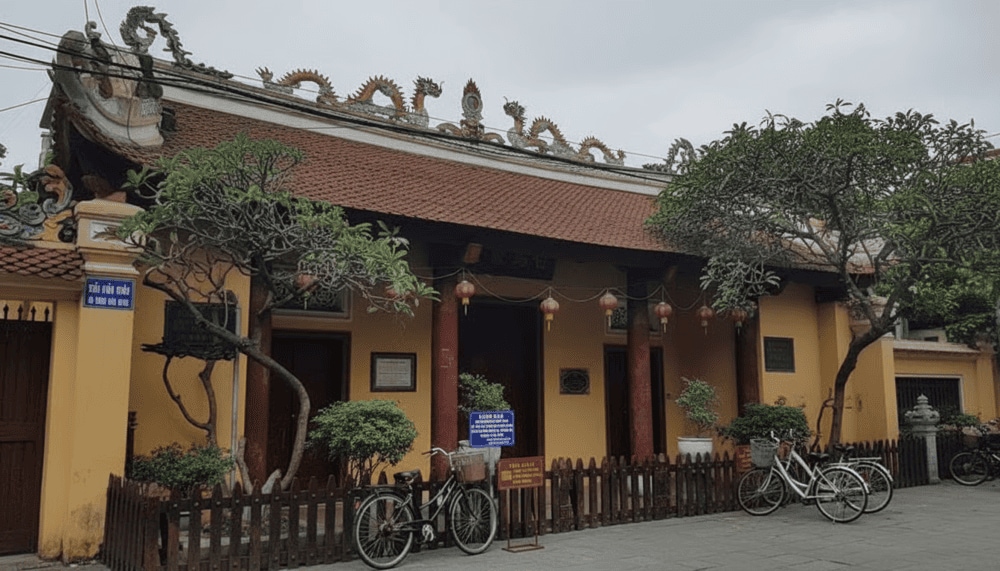
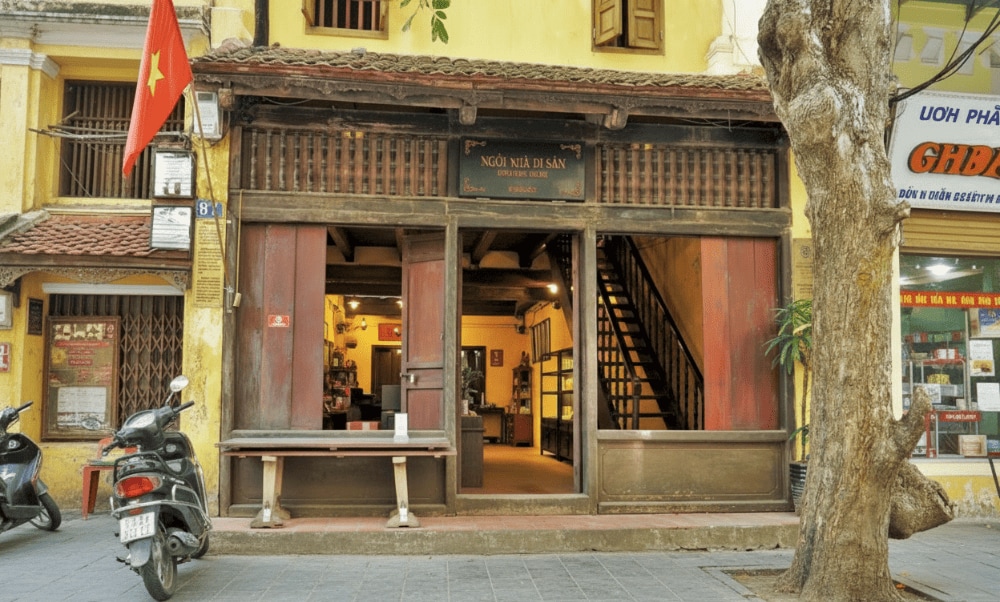
Beyond its commercial heritage, the Old Quarter showcases a rich architectural blend. Traditional Vietnamese tube houses line the streets, while Chinese shophouses and French colonial villas - adorned with wrought-iron balconies and pastel facades - add historical depth. Buddhist temples and ancient assembly halls further highlight the area’s cultural fusion. Today, while many streets still retain their traditional trades, the Old Quarter has evolved into a cultural and tourism hub, bustling with local artisans, family-run shops, and vibrant street markets.
2. How to Get Around the Hanoi Old Quarter?
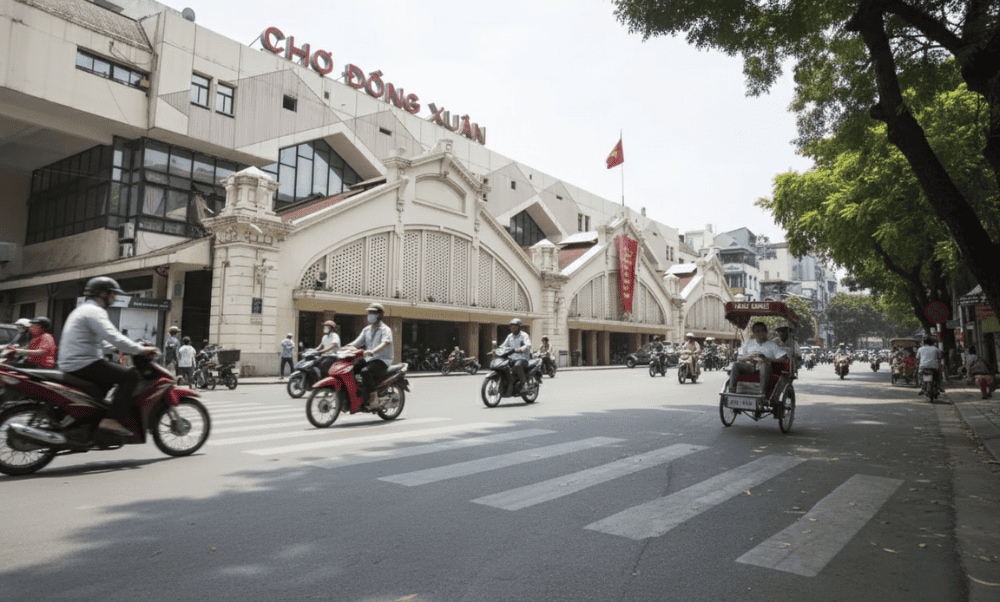
For a true local experience, visitors can explore the Old Quarter by cyclo (xich lo), a traditional three-wheeled bicycle taxi perfect for leisurely sightseeing. For a broader view of the city, the open-top double-decker bus offers a scenic ride past key landmarks. If you prefer more flexibility, renting a motorbike or simply walking is a great way to explore - many of the Old Quarter’s streets are best discovered on foot, letting you fully immerse yourself in its lively atmosphere.




 Link opens in new window. Site may not meet accessibility guidelines.