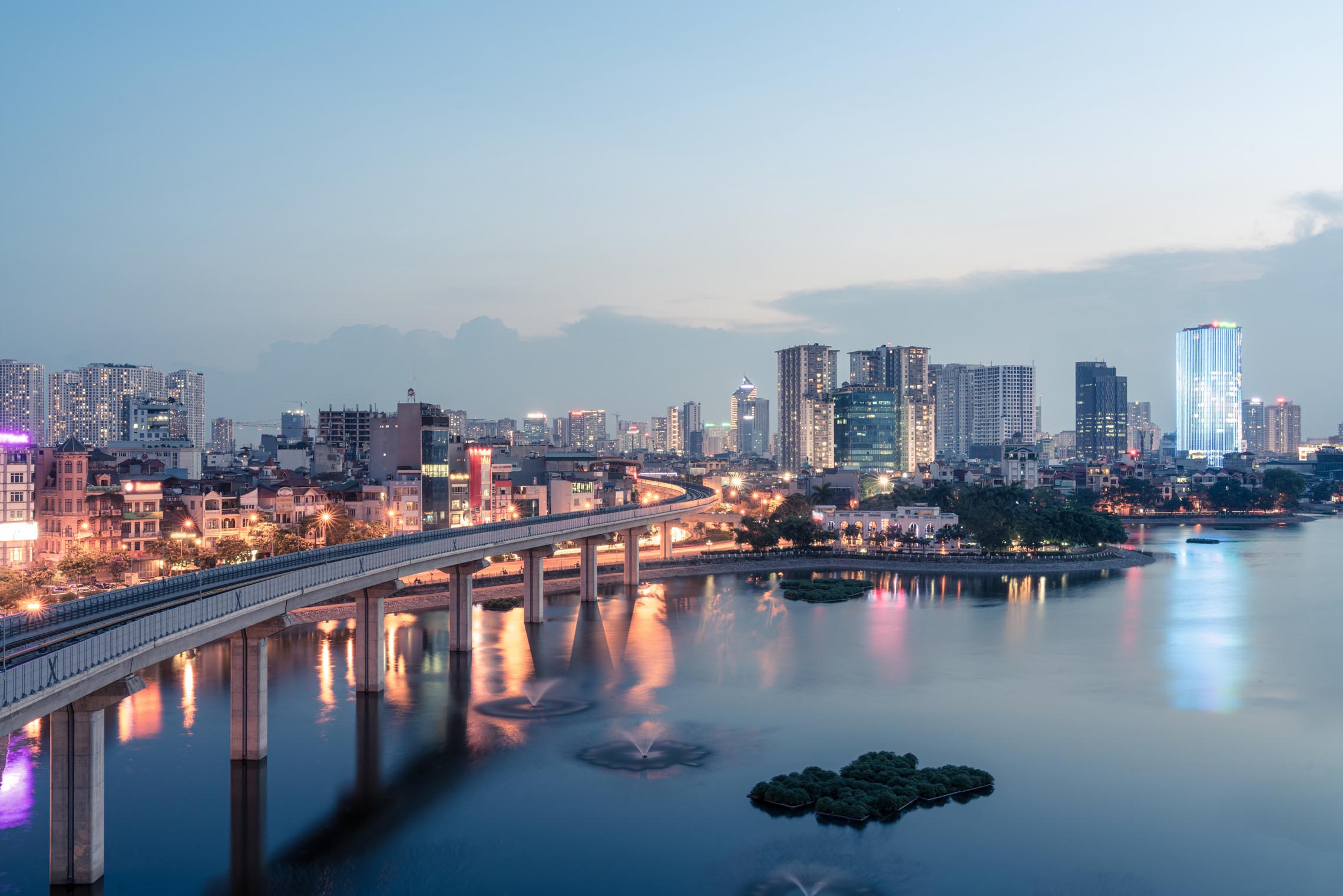
Hanoi travel guide: Explore many sides of Vietnam's capital

Hanoi invites travelers into a city where centuries-old charm meets the lively rhythm of a modern capital. Beyond its iconic streets and familiar landmarks, the city reveals rich layers of culture and heritage. This depth is found in the quiet moments of sipping a meticulously brewed morning coffee or savoring a warm, savory bowl of traditional soup tucked inside a narrow alley. Whether visiting for a few days or continuing a journey through Northern Vietnam, this Hanoi travel guide offers a starting point for exploring the character, heritage, and atmosphere that make the capital so enduringly captivating.

Things to do in Hanoi: Discover the timeless charm of Vietnam’s capital

Hanoi reveals itself gradually, inviting travellers to slow down and notice the moments that often become the most memorable. A peaceful morning by Hoan Kiem Lake, the aroma of Pho (Vietnamese noodle soup) drifting through narrow streets, or the quiet charm of a long-standing café, each offers a glimpse into the city's everyday life. Woven together by centuries of history, living traditions, and the energy of a modern capital, these experiences create a destination that feels both timeless and constantly evolving. 

Whether spending just a day in the city or following a longer Hanoi 4-day itinerary, the city gradually reveals itself through quiet mornings, hidden corners, familiar flavours, and the stories carried by its old streets.
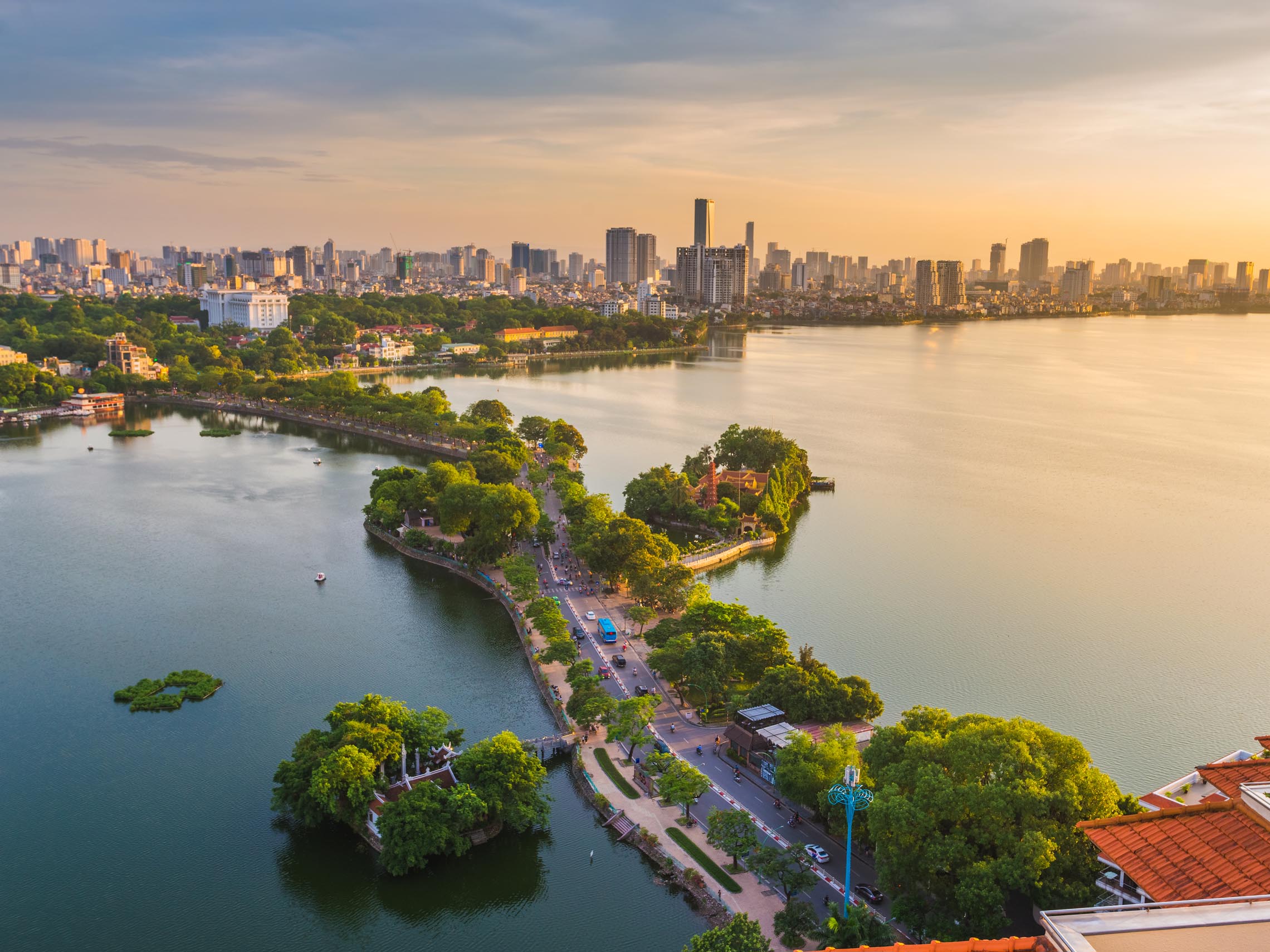
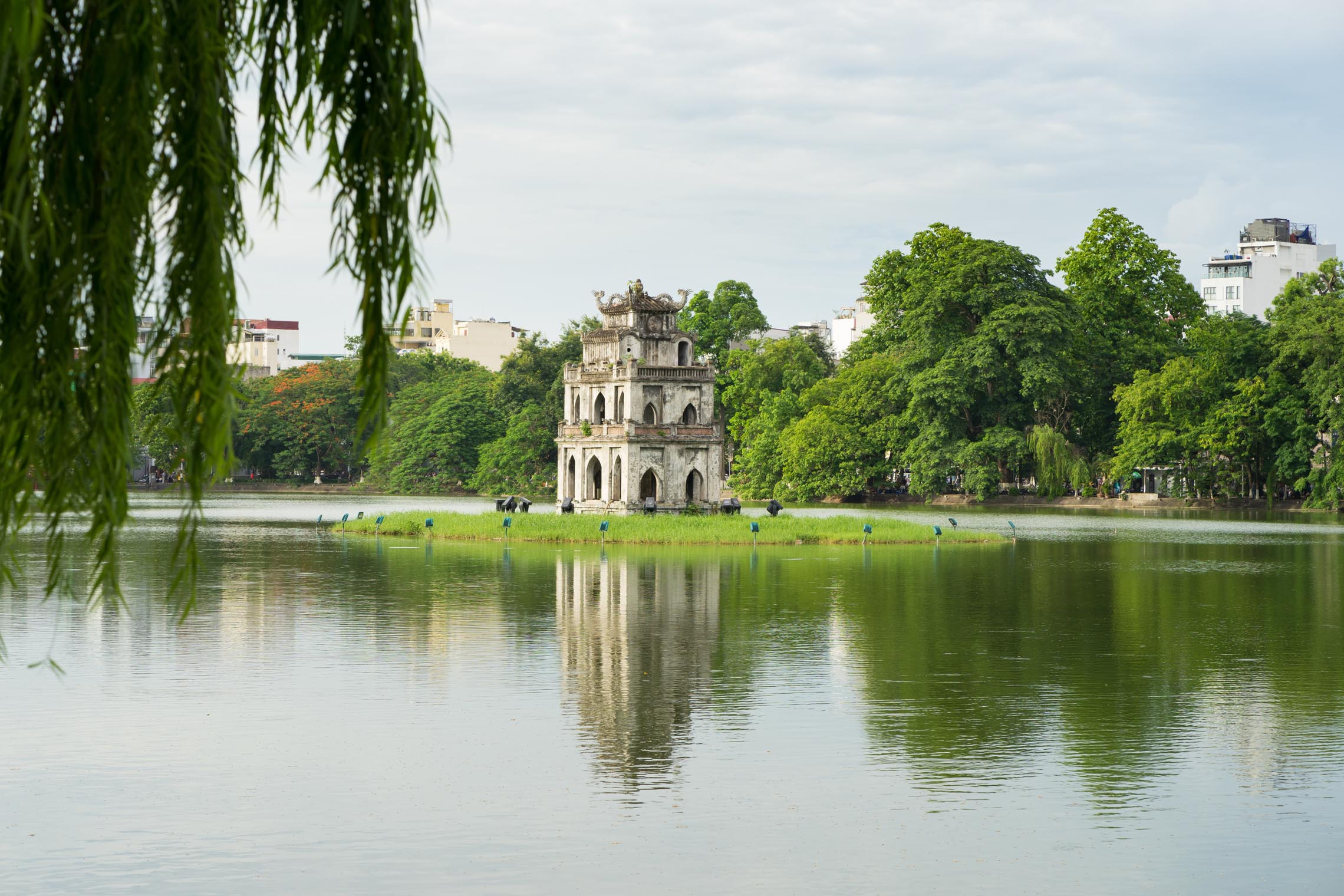
Morning view of Hoan Kiem Lake in Ha Noi, surrounded by trees and historic landmarks

Morning view of Hoan Kiem Lake in Ha Noi, surrounded by trees and historic landmarks

What are the top things to do in Hanoi?

A journey through culture, history, and art in Hanoi Old Quarter

Among the many things to do in Hanoi, spending time in the Hanoi Old Quarter offers the city's most authentic rhythm. Mornings begin with shopkeepers lifting wooden shutters, the scent of coffee and street food drifting through narrow lanes, and the sound of scooters weaving past centuries-old tube houses. Every street feels lived in, carrying memories that have quietly accumulated over generations.

Many travelers begin around Hoan Kiem Lake before crossing The Huc Bridge to Ngoc Son Temple, where the pace of the city seems to soften. A few streets away, St. Joseph's Cathedral rises above a neighbourhood of long-established cafés, its Gothic façade standing alongside the daily life of Hanoi's Old Quarter. At the Temple of Literature, stone stelae and quiet courtyards preserve the city's long tradition of scholarship, while the Ho Chi Minh Mausoleum marks an important chapter in modern Vietnamese history and remains a place of remembrance for generations of Vietnamese people.

Hoan Kiem Lake in central Hanoi, a popular place for things to do in Hanoi.

Hoan Kiem Lake in central Hanoi, a popular place for things to do in Hanoi.

Back in the Hanoi Old Quarter, Bach Ma Temple, O Quan Chuong Gate, and the Thang Long Water Puppet Theatre remain part of everyday life rather than distant landmarks. There is no need to search for history here, because it appears naturally along the route, woven into the streets, the buildings, and the everyday life unfolding around them. 

Food, local life and places to unwind

Food has long been part of the city's identity, but in Hanoi it often appears in the most unassuming places. A quiet lane, a familiar storefront, or a modest table tucked beneath an old tree can become the setting for a memorable meal, and many travellers discover the city by following its everyday rhythms, where each stop feels like a glimpse into local life.

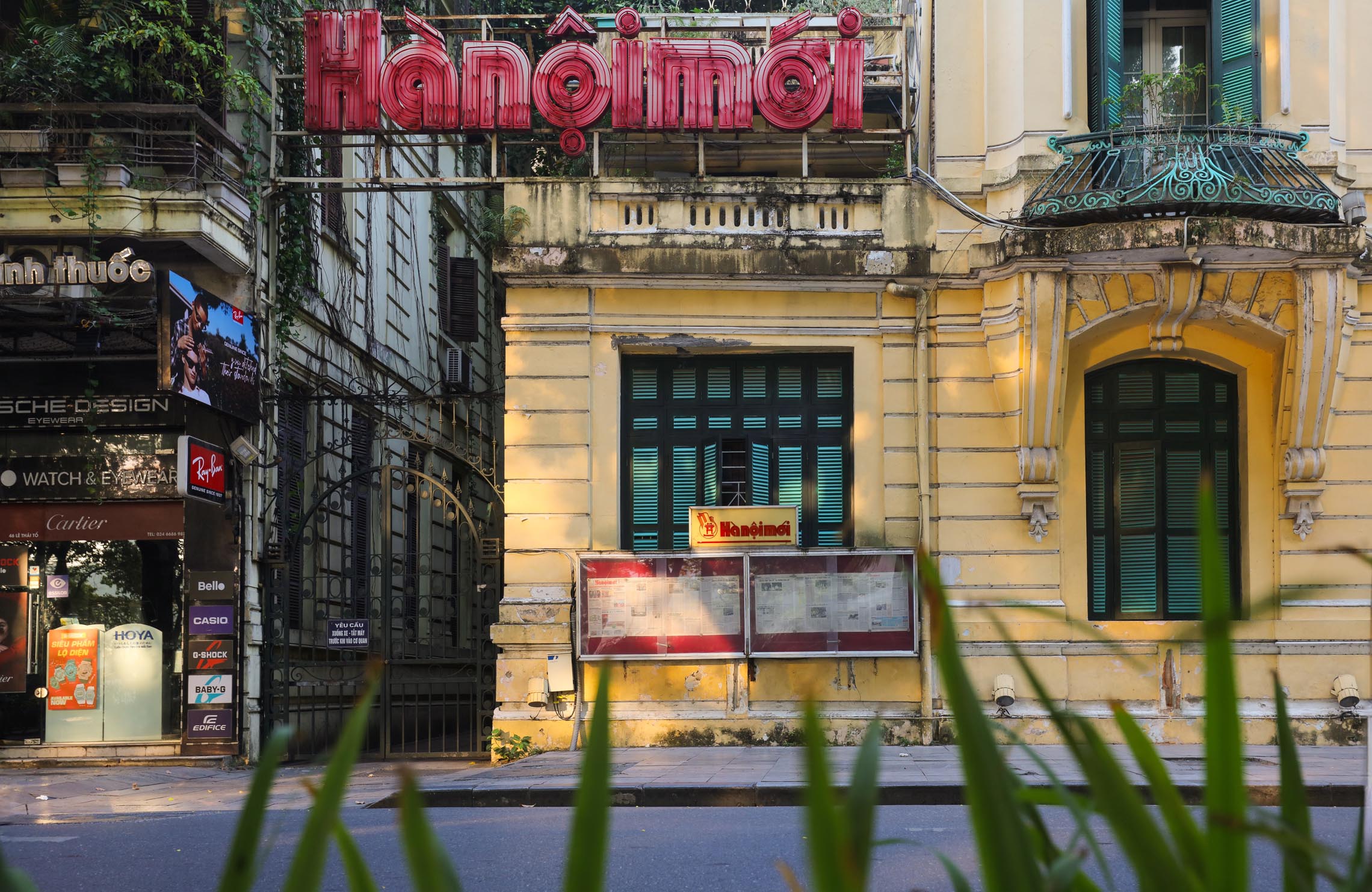
The same sense of discovery extends beyond the dining table. Behind weathered façades are cafés that have welcomed generations of regulars, while around West Lake, the pace softens as the afternoon light settles over the water. These are the moments that invite travellers to linger a little longer and see a quieter side of the capital.

When evening arrives, Hanoi takes on a different energy, with streets beginning to glow, conversations spilling onto the pavements, and familiar corners becoming gathering places where the city carries on well into the night. For many travellers, these unplanned moments often become the memories they remember most after leaving Hanoi.

Ha Noi Old Quarter - A vibrant, historic heart of Ha Noi

Iconic craft streets to explore

The Hanoi Old Quarter is just as memorable for its craft streets as it is for its historic landmarks. Walking without a map is a perfect plan for one day in Hanoi, for it often leads travelers to neighbourhoods where the same family businesses have welcomed customers for generations, and traditional craftsmanship remains part of everyday life.

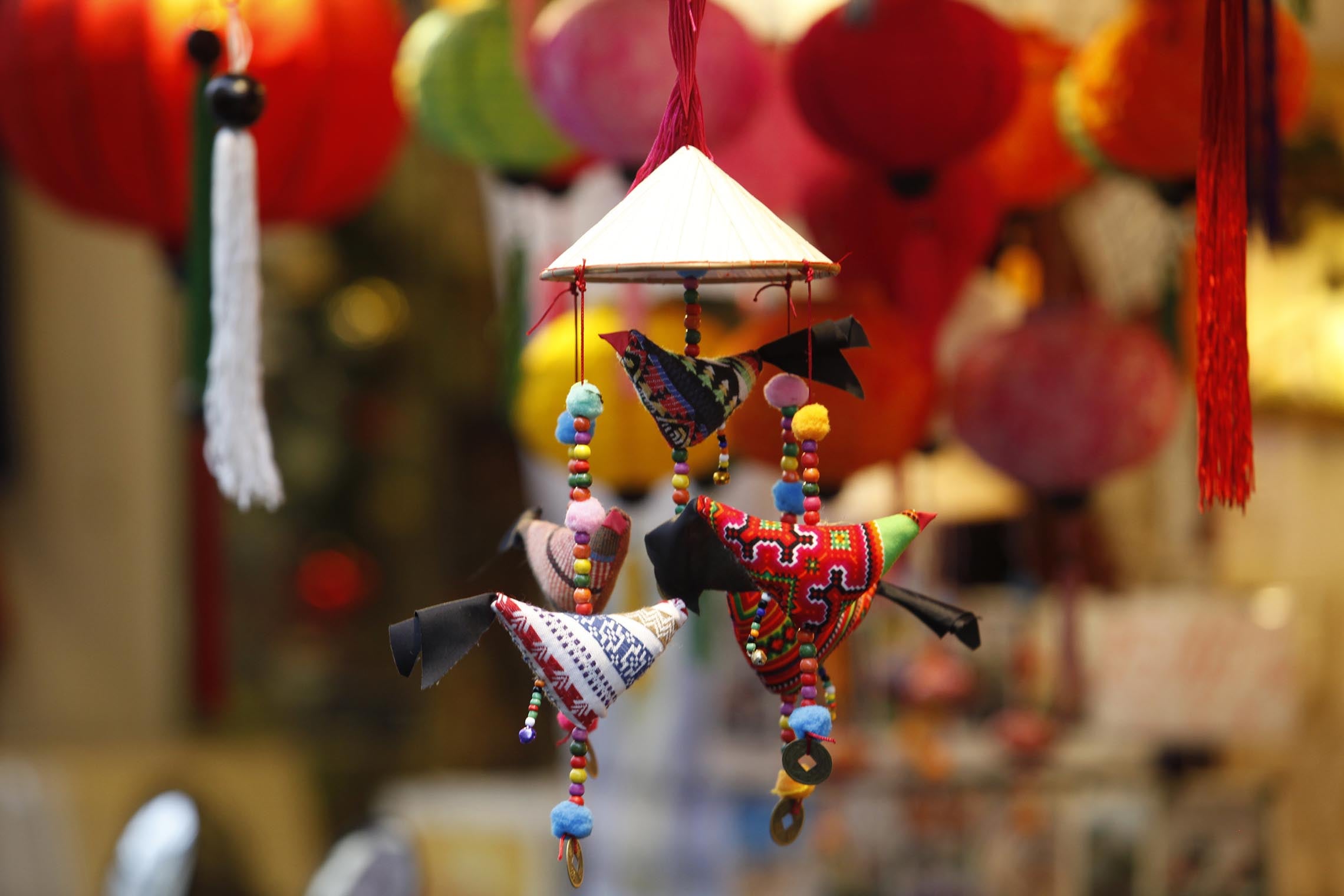
Hang Bac Street has long been known for its silversmiths, while Hang Gai Street is filled with boutiques showcasing Vietnamese silk and handcrafted textiles. As the Mid-Autumn Festival and Lunar New Year approach, Hang Ma Street grows brighter each day, with lanterns and festive decorations spilling onto the sidewalks and drawing both locals and travellers into the celebrations. 

A few streets away, Hanoi Train Street grows quieter between train schedules, as café conversations continue, residents go about their day, and the narrow street slips back into familiar calm almost as quickly as the train disappears.


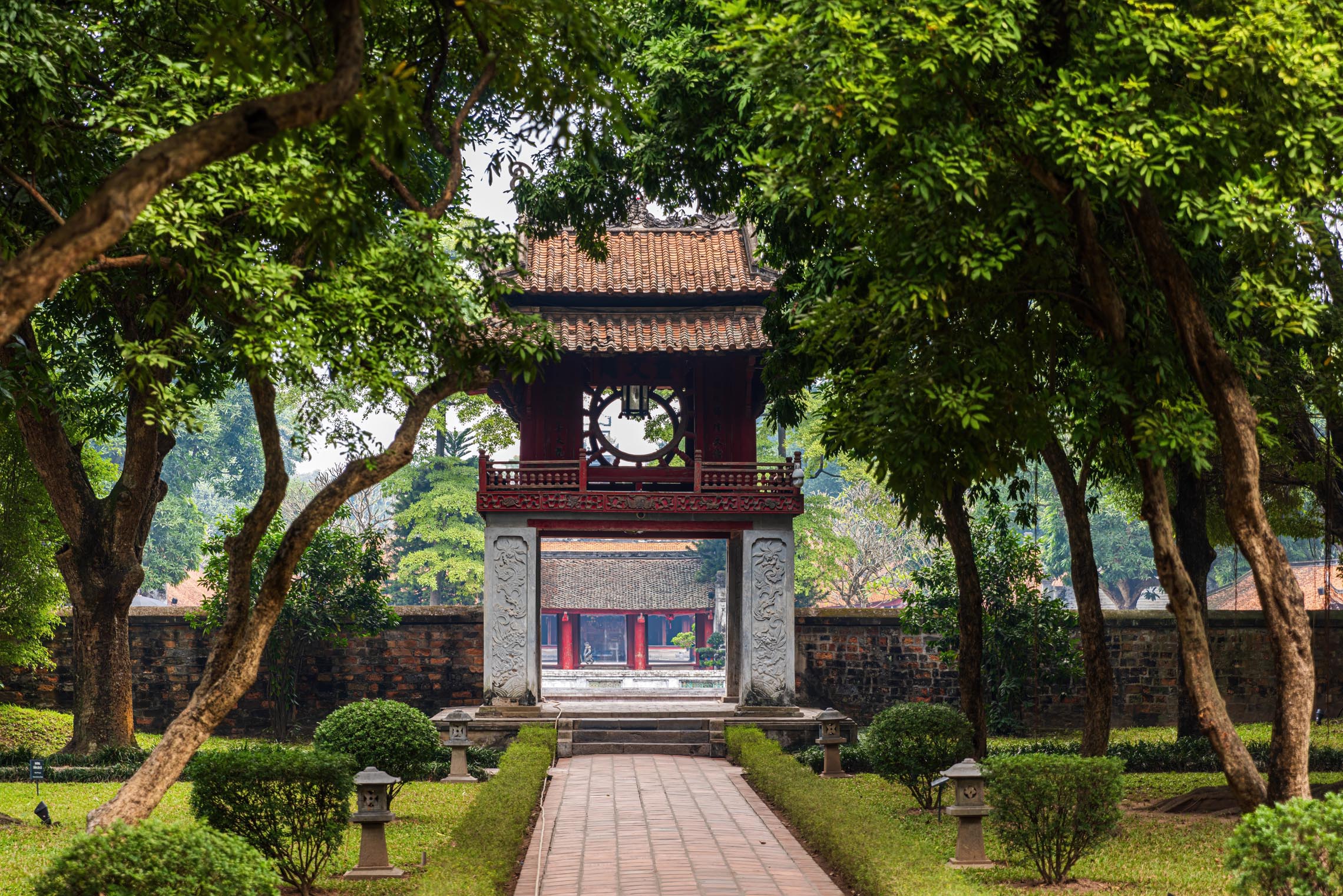
The Temple of Literature, one of Hanoi's most renowned landmarks for travelers

The Temple of Literature, one of Hanoi's most renowned landmarks for travelers

Things to do in Hanoi to "live like locals" in its Old Quarter

Many travellers arrive with a list of things to do in Hanoi, yet some of the most memorable moments are often the ones that were never planned. A quiet walk through an unfamiliar street, an unexpected conversation at a neighbourhood café, or an afternoon spent watching the rhythm of the city can become the memories that stay the longest.

A short visit offers a glimpse of the capital, while a longer Hanoi 4-day itinerary allows more time to explore its different neighbourhoods and changing atmosphere. Long after the journey ends, the list of things to do in Hanoi rarely feels complete, leaving travellers with another reason to return and discover a different side of the city.

Whether it is wandering through the Old Quarter, savoring a bowl of pho at a family-run eatery, or watching the sunset over West Lake, every moment adds another layer to the city's timeless character. As it turns out, some of the city's most rewarding moments come when travellers slow their pace, follow their curiosity, and leave space for the unexpected to shape the day.

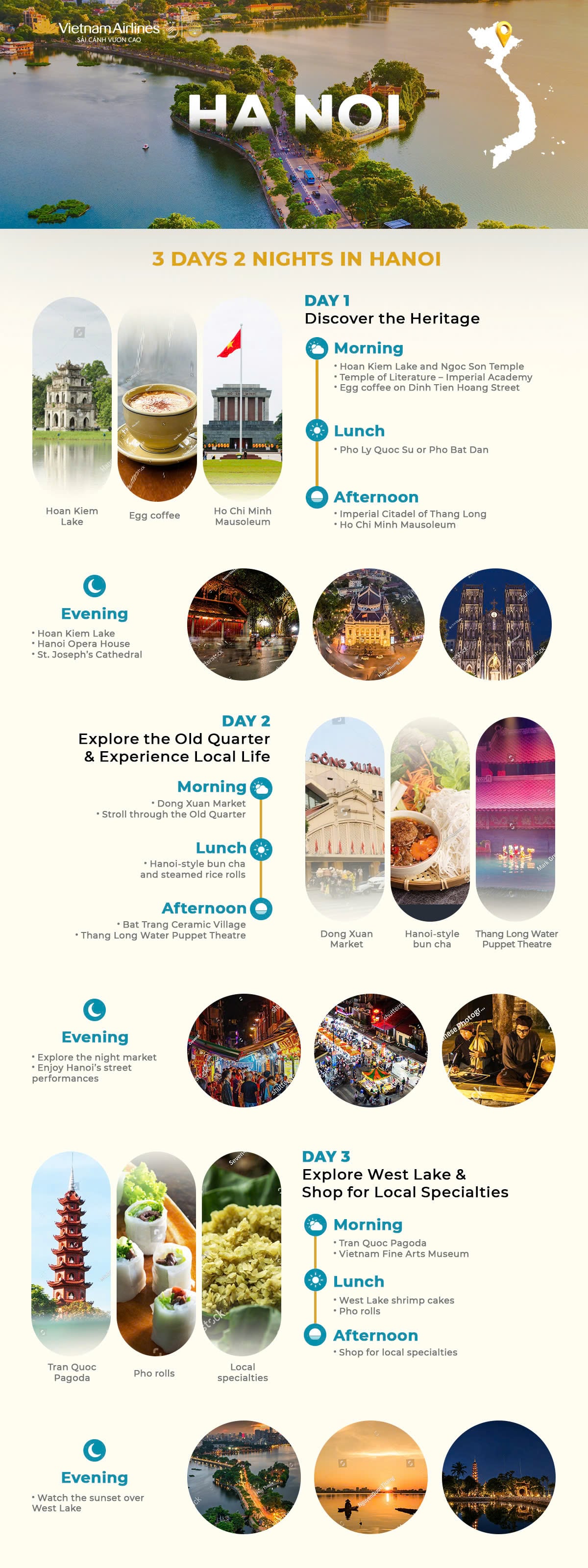
Quick information and itinerary suggestion

Infographic Hanoi

Frequently Asked Questions

Most travelers spend 2-3 days in Hanoi to properly experience its culture and history. During this time, visitors can explore Hoan Kiem Lake, wander through the Hanoi Old Quarter, and step back in time at the Temple of Literature. A visit to the Ho Chi Minh Mausoleum rounds out a well-paced itinerary.

Hanoi offers plenty of memorable experiences for first-time visitors. Wandering through the Old Quarter and admiring the calm waters of Hoan Kiem Lake are must-do activities. Food lovers should try classic dishes like pho and bun cha, while those seeking a quieter moment can relax at a lakeside cafe by West Lake.

From Hanoi, many travelers enjoy day trips to the cooler hills of Ba Vi and Tam Dao. Ba Vi is known for its lush pine forests and peaceful national park, ideal for a relaxing outdoor escape. Tam Dao, meanwhile, charms visitors with misty mountain views and a refreshing climate just over an hour from the capital.

Discover the best restaurants in Hanoi for a flavorful journey 

Meals have long been part of how people come to know Hanoi, often offering a different way to experience the city beyond its landmarks. Before sunrise, the first pots of broth begin to simmer at a small noodle shop, sending steam into the cool morning air. By noon, the scent of grilled pork gathers around a busy corner in the Old Quarter, drawing diners to low plastic stools and tables that turn over throughout the day. Later, a quiet café fills with the sound of conversation as friends linger over strong Vietnamese coffee, watching the streets change with the afternoon light.

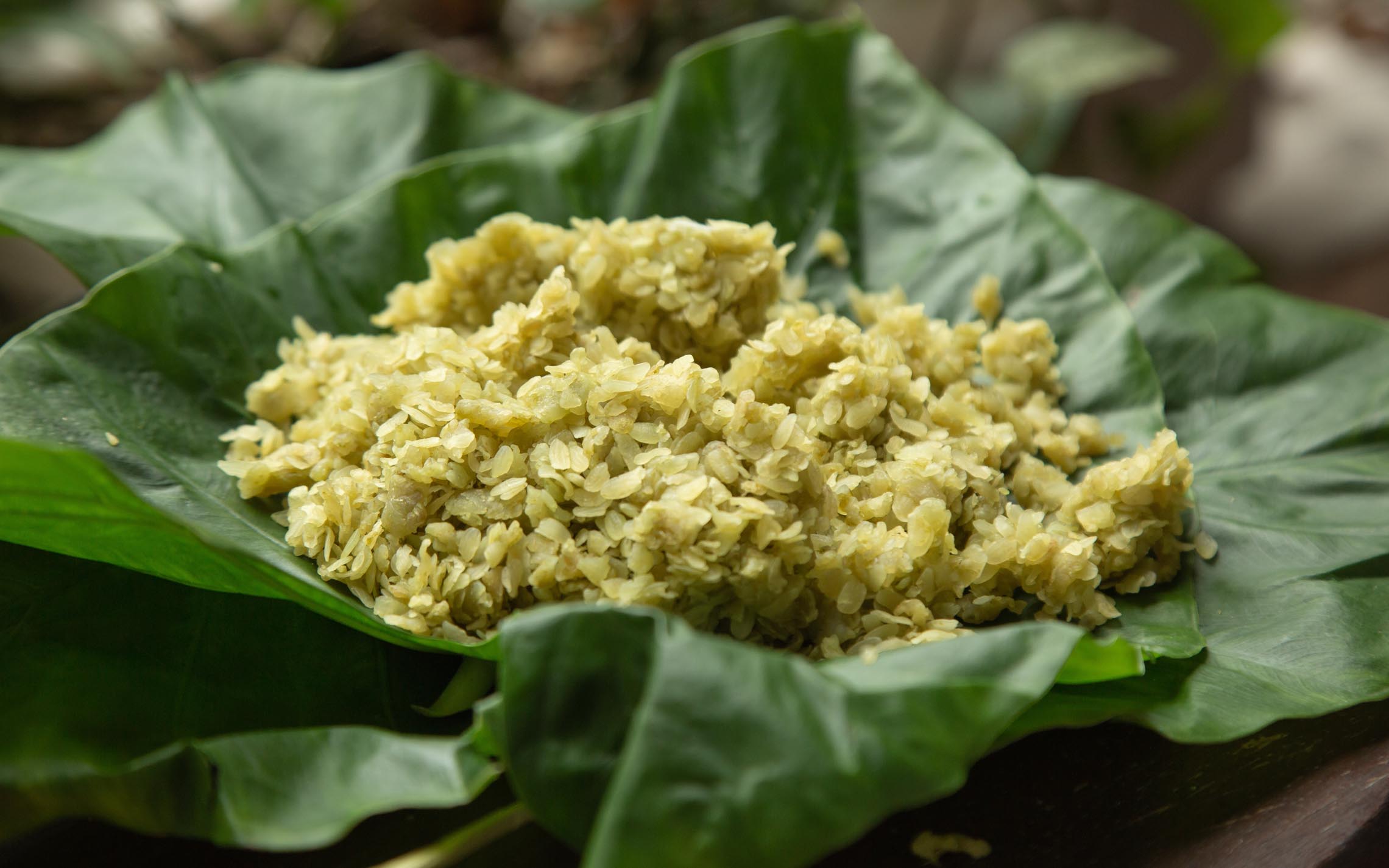
Com, a standout Hanoi specialty, captivates with its delicate flavor and signature natural green hue

Com, a standout Hanoi specialty, captivates with its delicate flavor and signature natural green hue.

Travelers searching for the best restaurants in Hanoi soon discover that the city's most memorable meals can begin in the smallest places. A family-run eatery known by generations of neighbours, a bowl served from a narrow storefront, or a table tucked into an old street can capture a side of the capital that grand dining rooms rarely do. This is where cuisine in Hanoi unfolds slowly, through familiar flavours, local habits and the people who return to the same places day after day.

Experience the best restaurants in Hanoi around West Lake

Banh Tom (Shrimp cake) and Pho Cuon (Pho rolls) stalls around West Lake

After wandering through the bustling Old Quarter, many travelers continue toward West Lake, where the streets open up and the city feels quieter beside the water. Along Thanh Nien Street, cyclists and pedestrians pass beneath the trees as the smell of freshly fried Banh Tom (Shrimp cake) rises from long-established eateries around West Lake. Golden shrimp cakes arrive hot and crisp, their savoury batter paired with fresh herbs and dipping sauce. Locals stop by for a quick bite, while visitors settle into lakeside restaurants, taking their time over a dish closely associated with the West Lake area. 

Not far away, Pho Cuon (Pho rolls), a specialty long associated with Ngu Xa Village, is prepared by wrapping fresh rice noodle sheets around stir-fried beef and herbs before serving them with a light dipping sauce. Travelers curious about the famous Pho can continue exploring how this beloved dish has evolved alongside the city and remained an enduring part of everyday life.

Hot snail noodle soup as an interesting take on cuisine in Hanoi

As the afternoon light softens over West Lake, small eateries around Trich Sai Street begin to fill with locals stopping for a bowl of Bun Oc (Freshwater snail noodle soup). Made with freshwater snails, tomatoes, herbs, vinegar, and a light broth, the dish has long been part of cuisine in Hanoi, with its roots closely linked to the villages surrounding West Lake, where freshwater snails were once plentiful and became an everyday ingredient in local cooking.

Although Bun Oc is now enjoyed across the city, many travelers still come to the Trich Sai area, where the dish has been associated for decades with the neighborhoods around West Lake and continues to reflect a local tradition shaped by the area's lakes, ponds, and the local communities.

The Old Quarter, home to some of the most iconic cuisine in Hanoi

Enjoy Pho and Bun Thang at the best restaurants in Hanoi

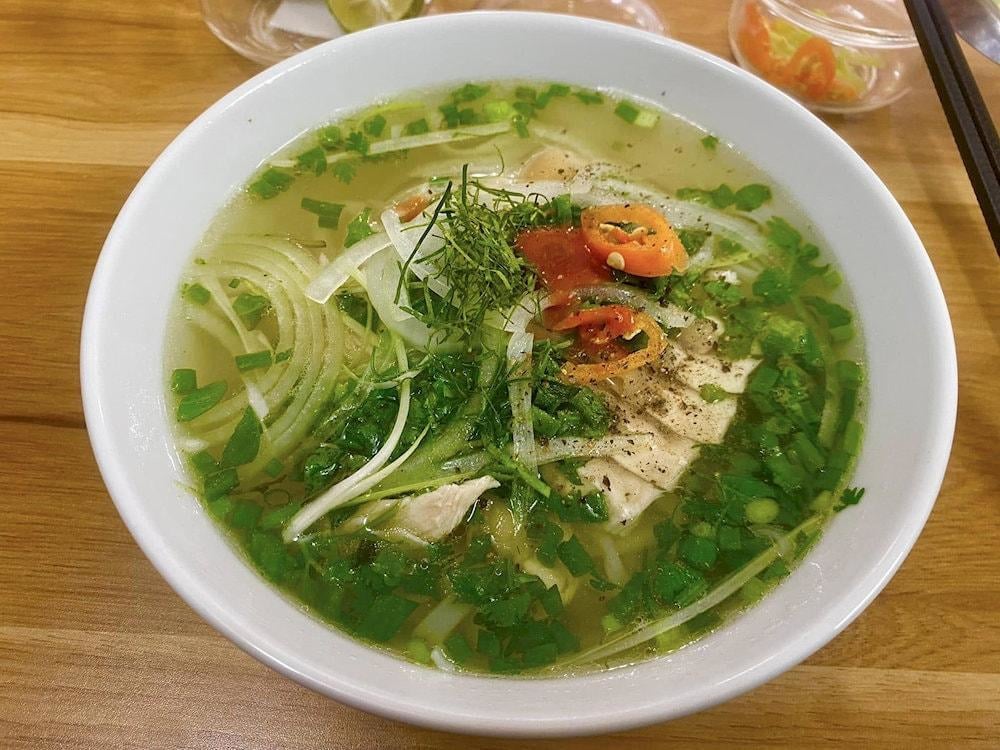
Among the dishes that reflect the quieter, more refined side of cuisine in Hanoi, Bun Thang (Chicken noodle soup with egg and herbs) holds a special place. Traditionally prepared with finely shredded chicken, egg, mushrooms, herbs, and a clear broth, every ingredient is carefully arranged before the broth is poured, creating a bowl that is as much about balance as it is about flavor. Originally associated with family gatherings and festive occasions, Bun Thang gradually found its way into neighborhood eateries, where it remains a favorite for those seeking a taste of old Hanoi.

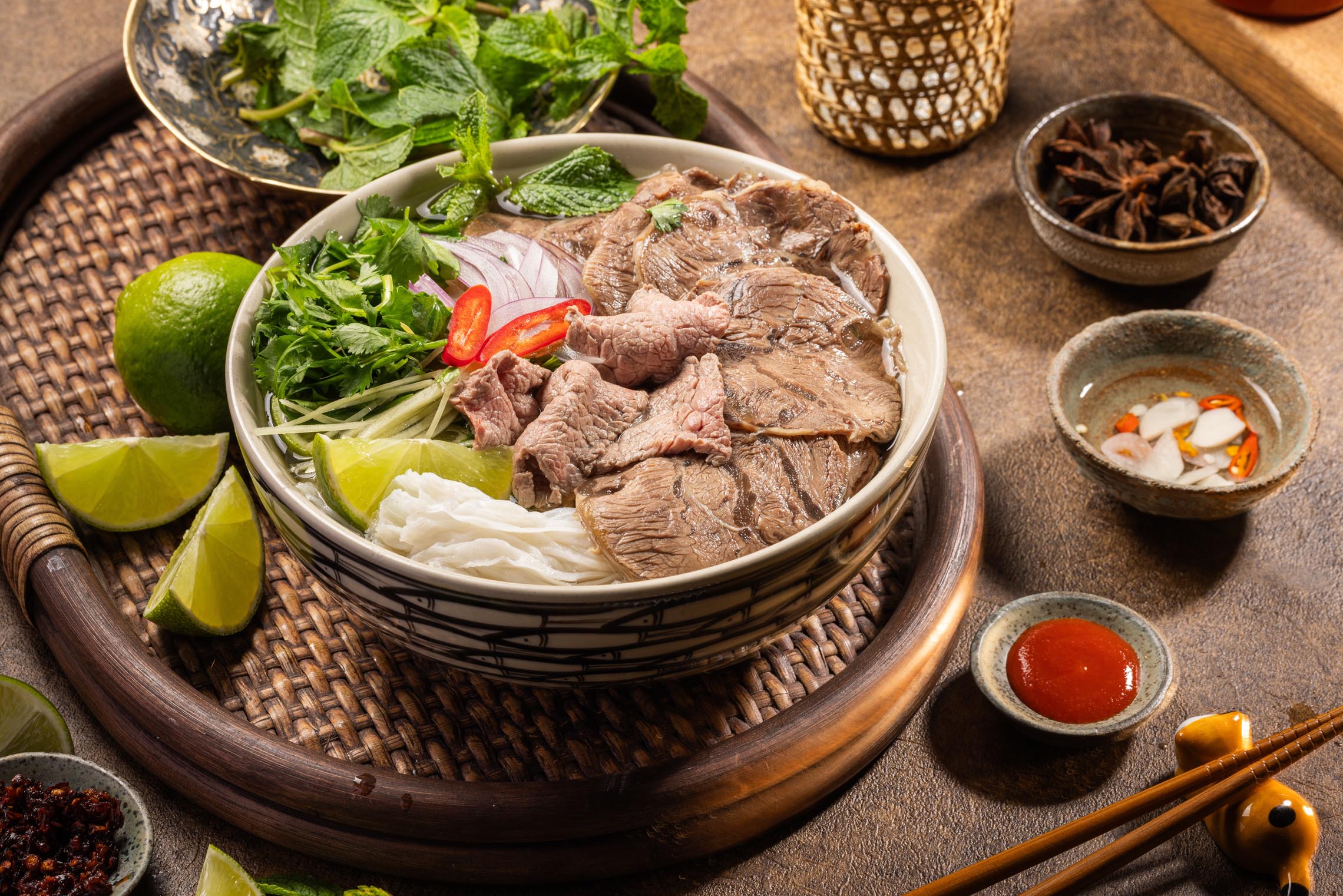
Hanoi's culinary specialties capture the very essence of Northern cuisine, offering an array of distinct, time-honored flavors

Hanoi's culinary specialties capture the very essence of Northern cuisine, offering an array of distinct, time-honored flavors

For travelers who enjoy discovering local specialties one neighborhood at a time, Bun Thang is only the beginning. Countless other everyday dishes continue to shape the rich world of street food in Hanoi, making each stop another opportunity to experience a different side of the capital.

Bun Cha and Banh Cuon, everyday favorites in Hanoi

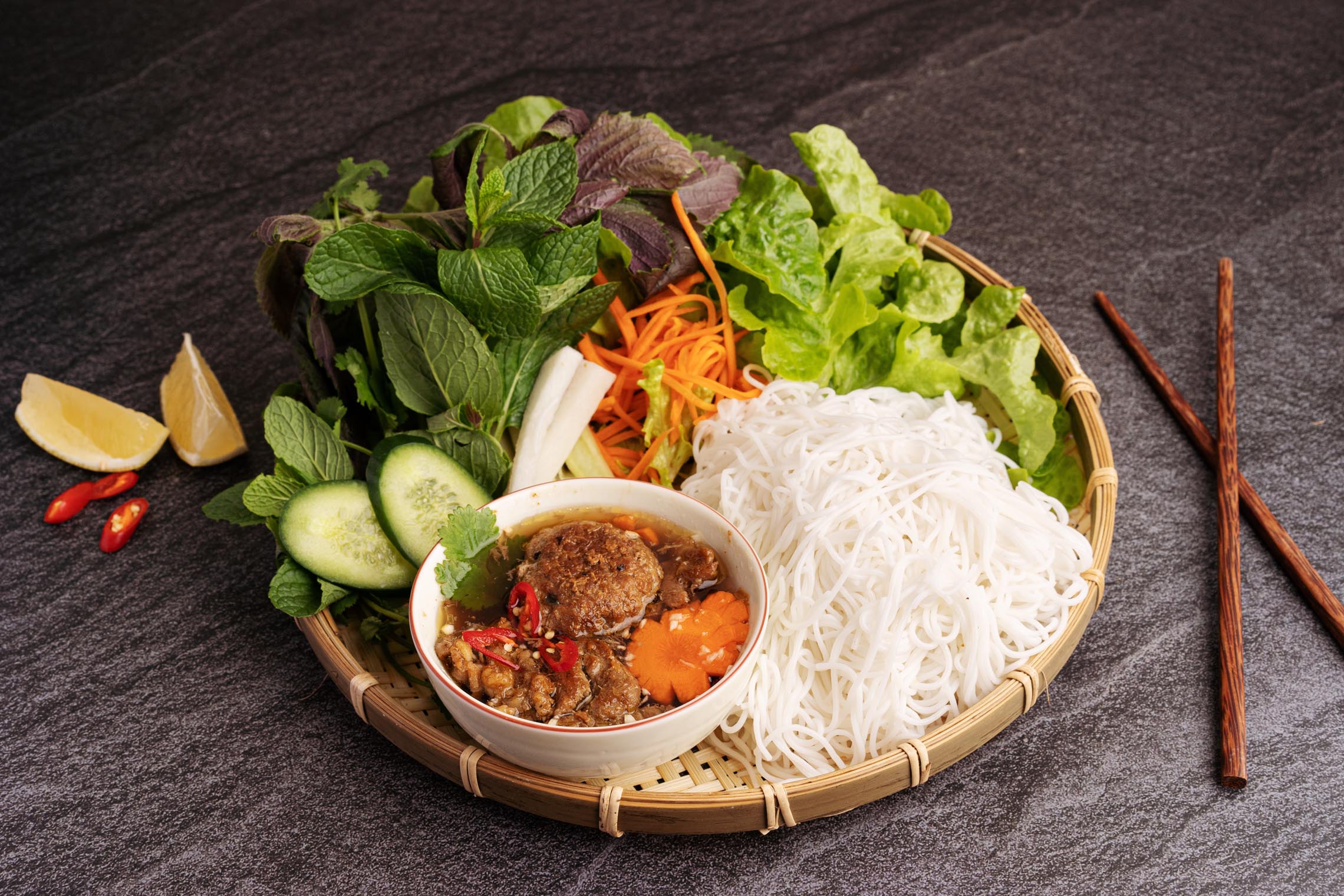
As lunchtime approaches, the smoky aroma of charcoal-grilled pork begins drifting through the streets of the Old Quarter, leading many travelers to Bun Cha (Grilled pork with rice vermicelli). For generations of Hanoians, the scent of pork sizzling over charcoal has been part of the city's midday memory, rising from small eateries and following people along the pavement. The dish arrives simply, with grilled pork resting in a light, sweet and savoury dipping sauce, accompanied by rice noodles, fresh herbs and crisp greens. A bowl of Bun Cha carries the character of Hanoi in its balance of smoky meat, cool herbs and bright dipping sauce, familiar to those who grew up with it and intriguing to those tasting it for the first time. Sitting on a low stool with the grill smoking nearby, lunch becomes a small glimpse into the everyday memories that have kept Bun Cha at the heart of Hanoi's food culture.

Bun Cha, one of Hanoi's most celebrated specialties, perfectly pairs charcoal-grilled pork with fresh rice noodles and a signature sweet-and-sour dipping broth

Bun Cha, one of Hanoi's most celebrated specialties, perfectly pairs charcoal-grilled pork with fresh rice noodles and a signature sweet-and-sour dipping broth

For something lighter, Banh Cuon (Steamed rice rolls) offers a different experience. Thin sheets of steamed rice batter are filled with minced pork and mushrooms before being topped with crispy shallots, creating a dish that has long been enjoyed across the city from early morning through lunchtime.

By the time lunch comes to an end, the memory of Hanoi stays in the smallest details. It may be the sight of neighbours gathered around a shared meal, the familiar sounds of conversation rising from a busy kitchen, or the scent of charcoal lingering on the pavement long after the plates are cleared. These ordinary moments give a meal its place in memory, leaving travelers with a brief but vivid sense of how the city eats, gathers and lives each day and also are what make exploring the best restaurants in Hanoi such a memorable part of the journey.

Exploring Hanoi through its food is a journey of small discoveries, where flavors, places, and people come together in unexpected ways. Beyond the dishes themselves, it is the atmosphere surrounding each meal that reveals the enduring charm of a city shaped by tradition and daily encounters.

Quick information

Frequently Asked Questions

The best cuisine in Hanoi is defined by refined flavors, time-honored recipes, and a deep connection to everyday culture. Iconic dishes such as pho and bun cha showcase the careful balance of broth, herbs, and grilled meat that Hanoi is known for. Even simple street-side meals reflect generations of culinary tradition passed down throughout the capital.

Beyond Ha Noi's signature restaurant dishes from the best restaurants in Hanoi, travelers can explore a variety of beloved street food. Nem Chua Ran, or fried fermented pork rolls, and Bun Rieu Cua, a tangy crab noodle soup, are among the most popular choices. Banh Goi, pillow-shaped fried dumplings, and Banh Tom, crispy shrimp cakes, add extra depth to Hanoi's diverse flavors.

Traditional food in Hanoi reflects the capital's culinary heritage through balanced flavors and fresh ingredients. Dishes like pho bo and bun thang have been passed down through generations, each preserving techniques rooted in local history. This deep connection between food and heritage is part of what makes Hanoi's culinary identity so distinct.

Hanoi Airport where Northern Vietnam’s cultural journey begins

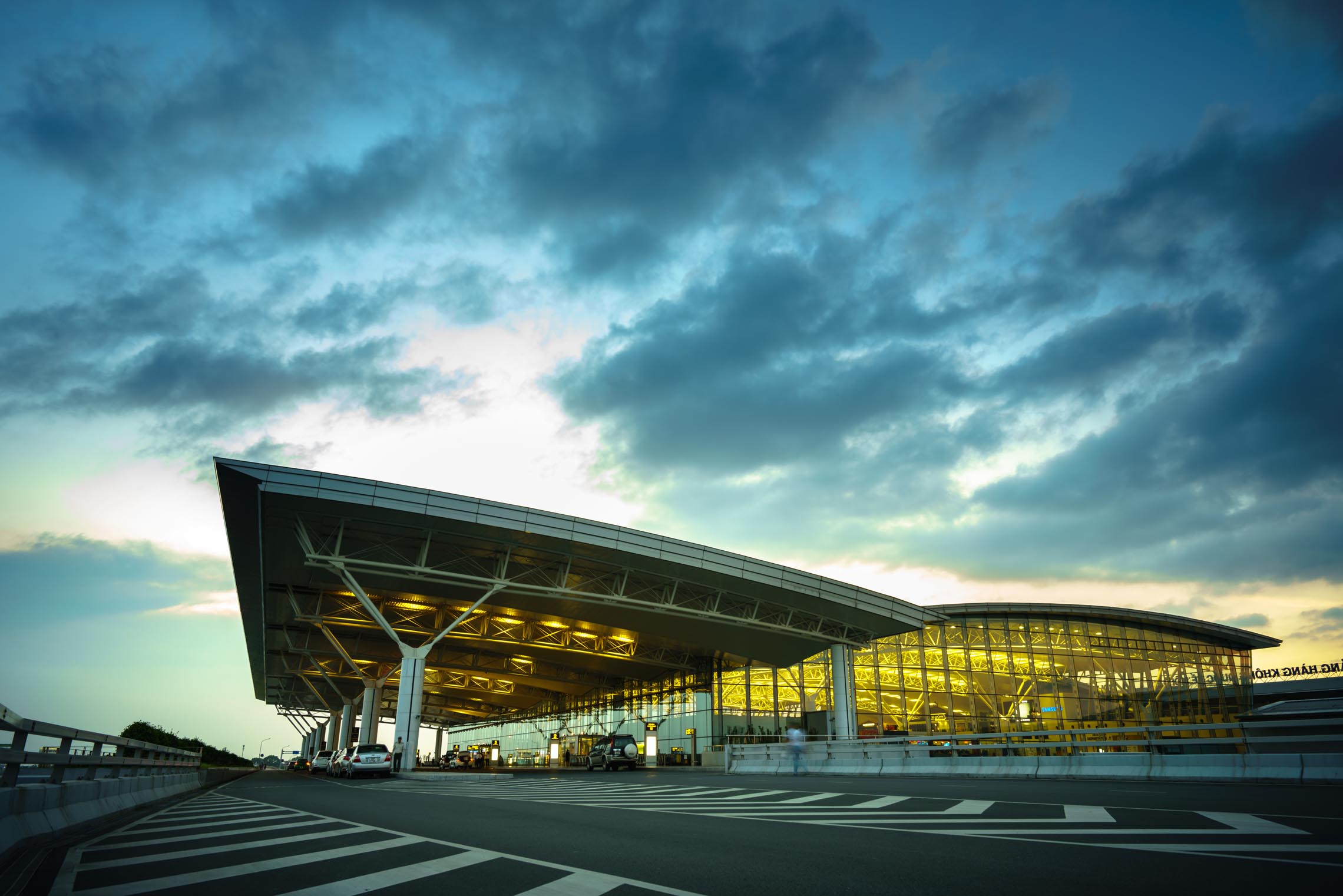
For many travelers, a Hanoi journey begins at its airport, officially known as Noi Bai International Airport, where the first glimpse of Northern Vietnam comes through familiar voices, local flavours, and the energy of the arrivals hall. Beyond the terminal, the journey opens toward old craft villages, river deltas, historic towns, and traditions passed down through generations, with Hanoi offering a natural starting point for exploring the region.

More than just an arrival point, Hanoi's airport is where the journey begins, bridging visitors with the profound heritage and captivating charm of the capital

More than just an arrival point, Hanoi's airport is where the journey begins, bridging visitors with the profound heritage and captivating charm of the capital

The atmosphere changes with the seasons, from cool winter days to the bright energy of spring and the lively pace of summer. Travelers can check seasonal details such as the weather in Hanoi in its winter season when planning their visit. From the airport, choosing the right transfer to the city centre makes it easy to continue toward historic streets, local neighbourhoods, and the experiences waiting across the capital.

Best ways to travel to Hanoi’s center

Leaving Noi Bai International Airport is the first step in discovering the capital, and the journey from the airport to city center offers a gradual introduction to Hanoi, where modern infrastructure blends with historic neighborhoods.

Hanoi Airport - Convenient location for travel experiences

Located on the outskirts of Hanoi, its airport offers travelers a smooth transition from the arrival hall into the capital. The journey into the city passes through changing landscapes, from open roads and modern developments to familiar streets filled with cafés, local markets, and historic architecture that reflect Ha Noi’s everyday character. The airport also serves as a starting point for travelers continuing to destinations such as Ha Long Bay, Ninh Binh, or Sapa.

Serving as the international heartbeat of the capital, Terminal 2 at Hanoi Airport is the dedicated hub for all global arrivals and departures

Serving as the international heartbeat of the capital, Terminal 2 at Hanoi Airport is the dedicated hub for all global arrivals and departures

Popular routes for travelers departing from the airport to city center

After landing, many travelers look for a simple and comfortable way to continue to get to the city center, especially after a long flight or with luggage in hand. Taxis and ride-hailing services offer the flexibility to reach their accommodation directly, while airport shuttle buses provide a practical option for those who prefer a more economical journey to central areas such as Hoan Kiem Lake and the Old Quarter.

Hanoi Airport connecting travelers to Northern Vietnam and beyond

For many travelers arriving in Northern Vietnam, the journey begins at Noi Bai International Airport. Beyond its runways and glass façades lies a region shaped by imperial history, river landscapes, traditional villages, and a culture woven into everyday life. Although the flight may take only hours, Northern Vietnam reveals its character through diverse landscapes, heritage, and communities. As a key gateway to the region, the airport connects international arrivals with the cultural richness of Northern Vietnam.

The transition starts in the arrivals hall, where families wait for loved ones and drivers scan the crowd for familiar names. As travelers make their way into Hanoi, many choose to experience the city after dark with a stop at Ta Hien Beer Street, a popular spot for enjoying the lively atmosphere and seeing a different side of the capital. From Hanoi, the journey can continue through Northern Vietnam, bringing travelers closer to the landscapes, communities, and traditions that define the region. 

When planning the journey through the airport, booking flights with Vietnam Airlines offers flexibility for different itineraries, while TripCARE travel insurance provides protection for unexpected situations along the way.

Noi Bai International Airport connecting travelers to the dynamic city of Hanoi - Vietnam’s capital

Noi Bai International Airport connecting travelers to the dynamic city of Hanoi - Vietnam’s capital

Quick information

Frequently Asked Questions

Yes, taking a cyclo in Hanoi is worth the experience, especially for first-time visitors. The slow pace offers a different perspective of the Old Quarter, allowing you to observe bustling streets, historic buildings and everyday local life. It is best enjoyed as a short sightseeing ride rather than a practical way to travel.

For  flexible and affordable travel around Hanoi, motorbike rentals typically cost around VND 120,000 – VND 250,000 per day. Ride-hailing services offer a convenient alternative, while public buses are the most budget-friendly option, with fares of around VND 7,000 – VND 10,000 per trip.

Travelers can reach Hanoi through several convenient transportation options. Flying into Noi Bai International Airport is the fastest choice for those coming from other cities or abroad. Trains, passenger buses, and private vehicles also offer flexible alternatives for travelers coming from within Vietnam.

Hanoi hotels for a memorable stay in Vietnam’s capital

A day in Hanoi can begin with the city just outside the window. Morning light falls across the room, the first sounds of traffic rise from the street, and coffee waits before the day's first walk. By evening, after hours spent among old streets, markets, galleries, or beside the lake, returning to the same address feels like coming back to a familiar part of the city.

With a diverse range of Hanoi hotels, travelers can choose how they want to experience these moments. An address in the Old Quarter brings centuries-old streets and local eateries close at hand, while a stay near West Lake offers a quieter setting shaped by water, trees, and open skies. Elsewhere, contemporary hotels place travelers closer to the capital's newer side, giving each stay a different starting point for discovering Hanoi.

Selecting the perfect hotel in Hanoi truly elevates your journey, making your exploration of the capital all the more fulfilling

Selecting the perfect hotel in Hanoi truly elevates your journey, making your exploration of the capital all the more fulfilling

Hanoi hotels suggestions based on travel intents

Each neighborhood in Hanoi carries its own atmosphere, shaping the way travelers experience the capital from the moment they arrive. A stay can bring certain corners of the city into daily view, shape the pace of each day, and leave travelers remembering Hanoi through the places they woke up, returned to, and spent time around. The streets around a hotel can become part of the experience too, with local cafés, small shops, passing vendors, and familiar faces gradually giving a sense of the neighbourhood. Over several days, these surroundings give travelers a closer look at Hanoi through the places people live, work, eat, and gather each day.

First-time visitors to the capital

For many first-time visitors, staying around the Old Quarter and Hoan Kiem Lake offers a glimpse into the everyday rhythm of Hanoi. The day begins with the movement of local life, from quiet morning streets to the changing atmosphere of cafés, shops, and corners that have witnessed generations of the city’s history. Hotels found in this area range from intimate stays inside older buildings to contemporary accommodations designed for modern travelers, creating different ways to connect with the capital. 

Through the Vietnam Airlines and Booking.com partnership, travelers can consider their preferred location, style, and budget when arranging a place to stay before beginning their journey through Ha Noi.

French Quarter in Hanoi with historic architecture and Hanoi hotels along the tree-lined streets.

French Quarter in Hanoi with historic architecture and Hanoi hotels along the tree-lined streets.

Accommodation for families and groups

Away from the constant movement of the city center, West Lake reveals a quieter side of Hanoi where the days seem to unfold at a slower pace. Its spacious surroundings, open views, and relaxed atmosphere make the area a comfortable choice for families and larger groups looking for more room to settle in during their stay.

The area’s hotels and serviced apartments offer a practical base for longer visits, giving travelers the space to rest together while remaining connected to the capital’s cultural landmarks. With tree-lined streets, lakeside cafés, and a more peaceful rhythm of daily life, West Lake provides a different way to experience Hanoi beyond the familiar energy of the central districts.

Best hotel in Hanoi City for business trips and extended stays

After a day of meetings and busy schedules, the place travelers return to can shape their experience of Ha Noi. A comfortable room, a quiet evening, or a convenient location near important appointments can make an extended business trip feel more balanced and enjoyable.

Ba Dinh Ward and Tay Ho  Ward offer a setting that combines accessibility with a calmer atmosphere, where modern hotels provide a practical base between work and moments of relaxation. For business stays, a well-located hotel in Hanoi can make long days feel easier, offering the comfort and convenience needed throughout the journey.

Best hotel in Hanoi City for a weekend getaway

A weekend in Hanoi often unfolds at a slower pace, with time to wander through familiar streets, discover local flavors, and enjoy moments away from the everyday routine. The place to stay becomes part of that experience, offering a comfortable pause between each exploration.

From charming stays near historic neighborhoods to peaceful retreats away from the busiest streets, a weekend getaway in Hanoi can take many forms, whether travelers prefer convenience, comfort, or a quieter side of the capital.

Hanoi hotels for vibes and budget

Different areas of Hanoi offer distinct atmospheres and accommodation choices across a range of budgets. The Old Quarter has long been popular with international visitors for its many small, budget-friendly hotels, while Dong Da Ward offers a youthful, creative vibe with cafés, local eateries, and independent spaces. Thanh Xuan Ward provides practical stays and easy access to everyday city life, making it suitable for value-conscious travelers.

For a more modern atmosphere, Cau Giay Ward has contemporary hotels, serviced apartments, restaurants, and shopping facilities, while Hai Ba Trung Ward combines convenient city access with a mix of mid-range and upscale accommodation.

Hanoi Hotels for solo travelers, couples and groups

Solo travelers may start the morning around Trich Sai, Thanh Nien Street, or Truc Bach Lake, following the scent of breakfast from small local eateries and watching residents begin another day. Quieter corners here let solo travelers observe everyday local life at an unhurried pace, with central attractions still within easy reach when they want to explore further.

For couples and groups, the West Hanoi area brings a modern escape with larger hotels, restaurants, wellness facilities, swimming pools, and green surroundings. Around Long Bien, nature-oriented homestays create a quieter setting, while Ha Dong offers accommodation with a metro route to central Hanoi, making it easier to combine a peaceful stay with city exploration.

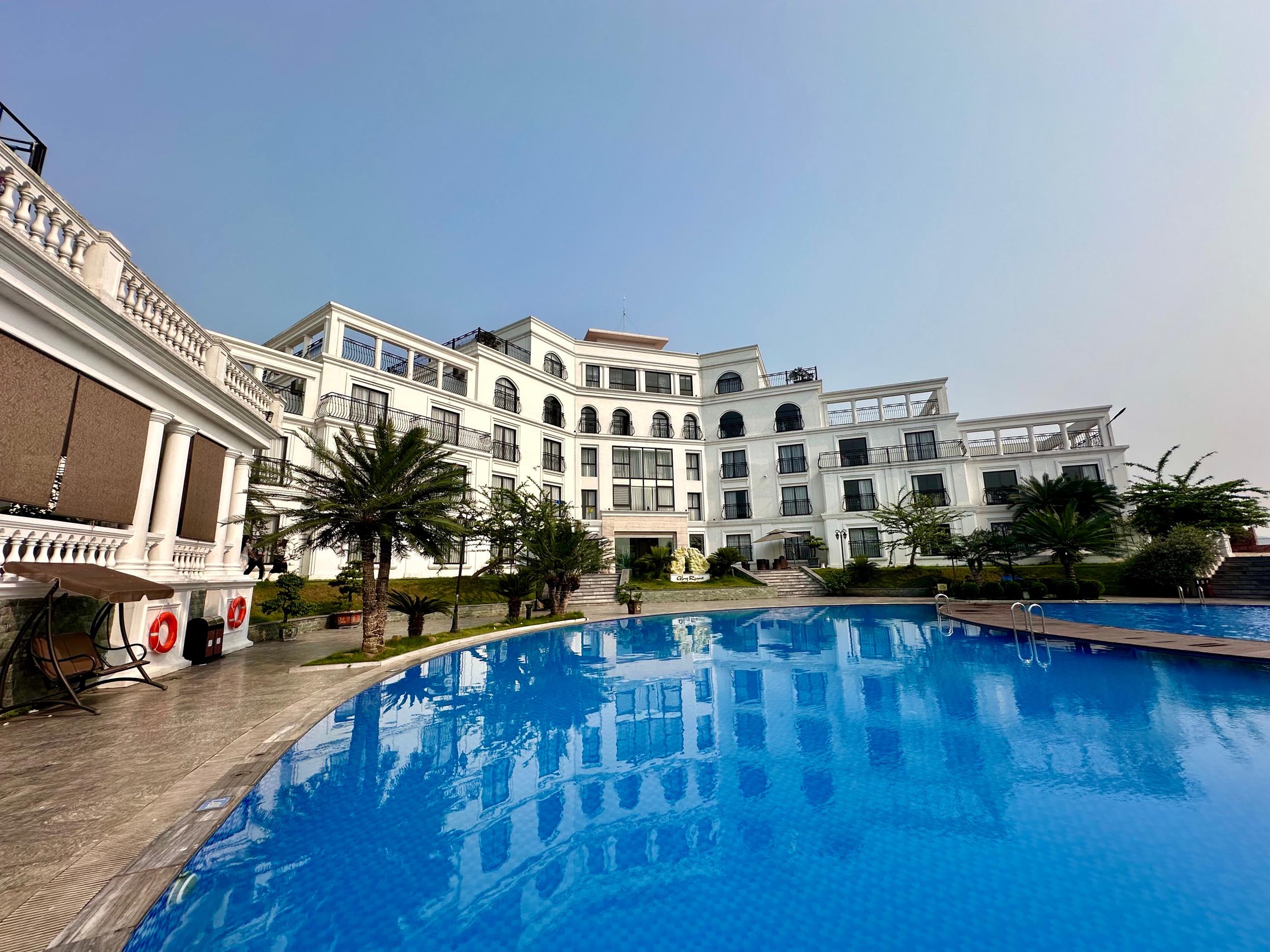
Hanoi hotel with an outdoor swimming pool surrounded by modern architecture

Hanoi hotel with an outdoor swimming pool surrounded by modern architecture

The right stay leaves a lasting impression on how travelers remember Hanoi. Sometimes, what stays with them is found in the spaces between plans, a quiet coffee before the city wakes, a familiar street passed each morning, or the view outside the window at the close of the day. These small moments can give a stay its own meaning, adding another layer to the way Hanoi is cherished.

Quick information

Frequently Asked Questions

First-time visitors to Hanoi should consider staying in the Old Quarter to fully experience the capital's culture. This historic area places travelers within walking distance of Hoan Kiem Lake, bustling markets, and countless street food stalls. Staying here also makes it easy to explore nearby attractions on foot, day or night.

The West Lake area is one of the best places to stay in Hanoi for a quiet, spacious atmosphere. Travelers here can enjoy scenic cafes with beautiful lake views, along with a good mix of upscale homestays and hotels. This area suits visitors who prefer a relaxed pace away from the busier city center.

Hoan Kiem Lake, in the heart of Hanoi, is surrounded by a wide range of top-rated hotels. Around Trang Tien and Trang Thi streets, travelers can find luxury hotels with spacious rooms, restaurants, wellness facilities, and attentive services. For more budget-friendly stays, areas around Hang Bong, Hang Bac, Ma May, and Ly Quoc Su offer smaller hotels, guesthouses, and homestays within easy reach of the lake and Old Quarter.

Hanoi shopping through local crafts, flavors, and hidden finds

Some of the most memorable parts of Hanoi begin with something small enough to carry home. A hand-painted ceramic bowl wrapped carefully by its seller, a silk scarf chosen after an afternoon among the narrow streets of the Old Quarter, or a box of Banh Com (Young rice cake) bought as a traditional gift can bring a tangible reminder of Hanoi into a traveler’s suitcase. These objects hold traces of the hands that made them, the places where they were found, and the moments surrounding their purchase.

From the lively Hanoi Night Market to elegant Hanoi shopping centres, shopping in the capital takes travelers through a different side of the city. A market stall, a traditional craft, or a Hanoi specialty opens a path into local ingredients, familiar techniques, and customs passed from one generation to the next. Each purchase carries the story of where it came from and the moment it entered the journey, turning an everyday object or taste into a lasting connection to Hanoi.

Hanoi's culinary treasures are more than just gifts; they are a sincere reflection of the capital's elegant lifestyle and rich gastronomic heritage

Hanoi's culinary treasures are more than just gifts; they are a sincere reflection of the capital's elegant lifestyle and rich gastronomic heritage

A guide to gifts in Hanoi Night Market

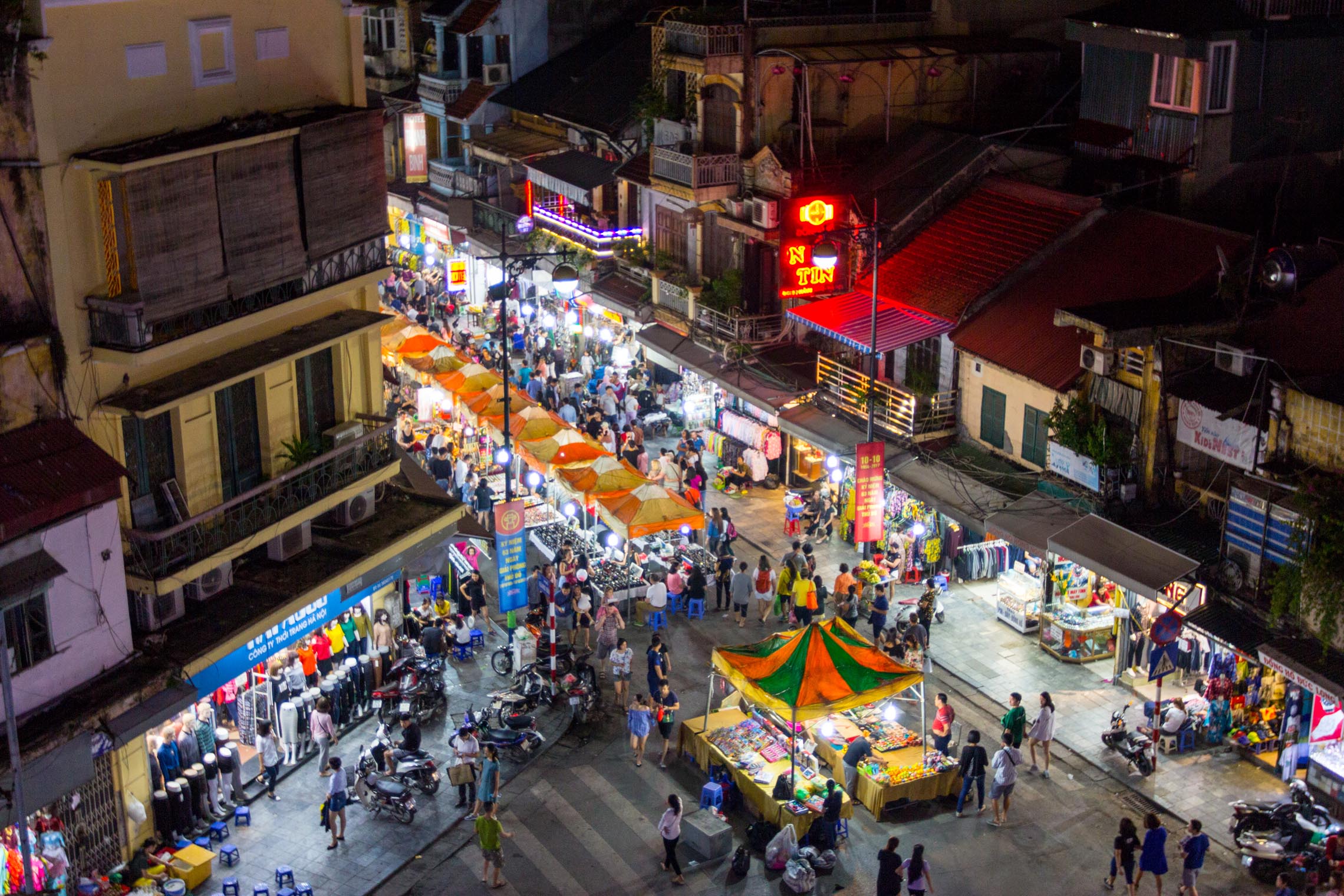
As daylight fades, the Old Quarter shifts from the bustle of daytime streets into the lively atmosphere of the Hanoi Night Market, promising to enrich Hanoi shopping experiences for travelers. Stalls line the streets with clothes, handicrafts, small souvenirs, and local treats, while the crowd grows denser with each passing hour. Sellers call out to visitors, friends stop to browse together, and the smell of grilled food drifts through the streets as people move from one stall to another. Walking through the Hanoi Night Market gives travelers a closer look at how the Old Quarter gathers after dark, when shopping, street food, conversation, and evening walks all come together.

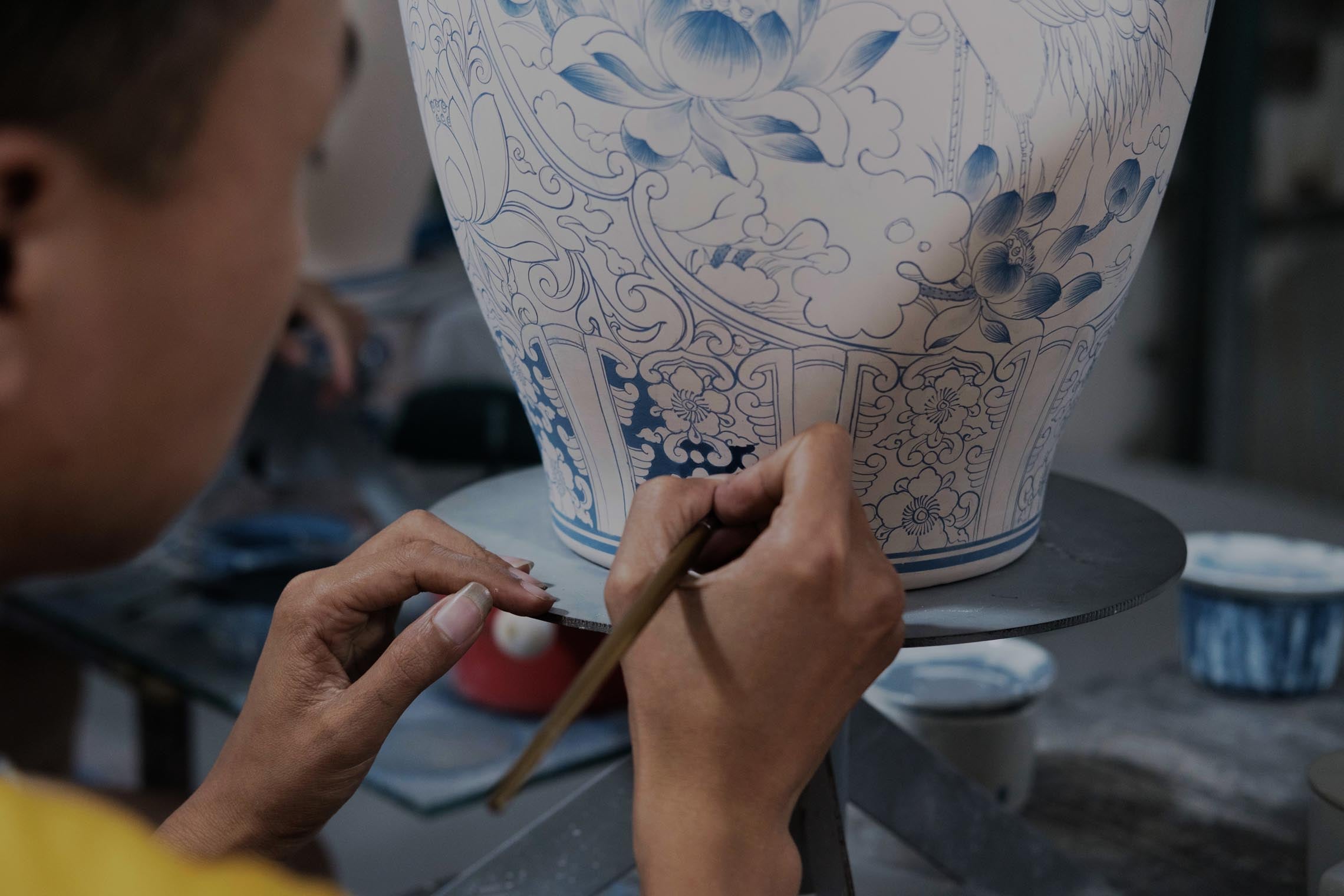
Authentic Bat Trang ceramics serve as a truly meaningful keepsake, beautifully encapsulating the quintessential cultural essence of Hanoi

Authentic Bat Trang ceramics serve as a truly meaningful keepsake, beautifully encapsulating the quintessential cultural essence of Hanoi

Flavors and cultural values through local gifts

The best souvenirs in Hanoi are often the simplest ones, as travelers are often drawn to the gentle fragrance of lotus tea, the sweet and tangy taste of O Mai (Traditional Vietnamese candied fruits), the delicate texture of Com (Young green rice flakes), or beautifully wrapped traditional cakes waiting on wooden shelves. These local specialties carry the flavors of Northern Vietnam long after the journey has ended.

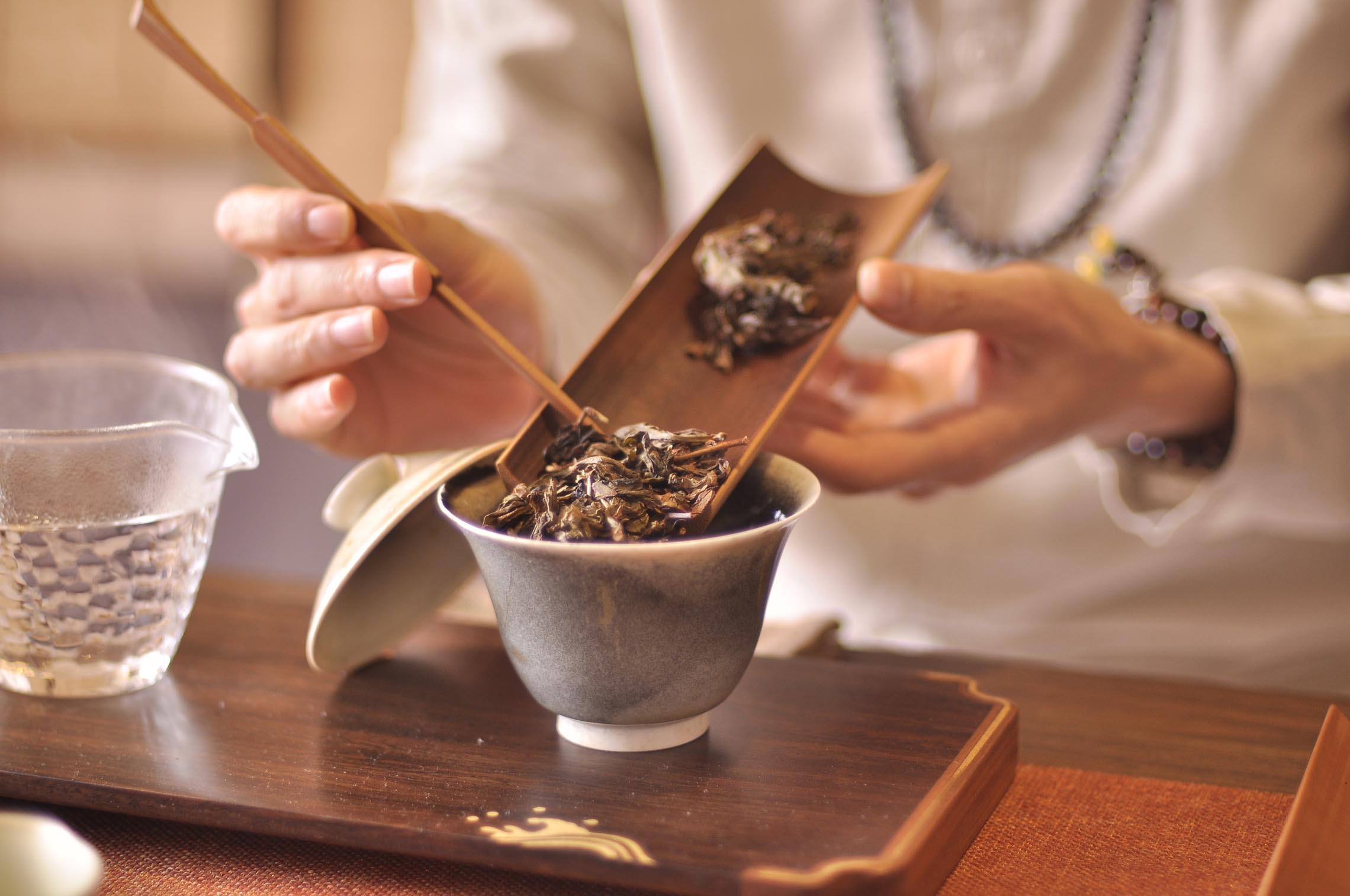
Traditional lotus tea from Hanoi, known for its delicate fragrance and cultural significance, found through Hanoi shopping.

Traditional lotus tea from Hanoi, known for its delicate fragrance and cultural significance, found through Hanoi shopping.

Nearby, artisans display lacquerware, Bat Trang ceramics, embroidered fabrics, and bamboo handicrafts, each piece reflecting skills carefully preserved through generations. For those wishing to continue exploring, shopping in Hanoi reveals even more places where craftsmanship remains part of everyday life.

Choosing gifts as a cultural experience at the Hanoi Night Market

At the Hanoi Night Market, choosing a gift is closely connected with the culture of sharing in Vietnam. Travelers often take time to look for something that represents the place they have visited, whether it is a handmade craft, a local specialty, or a small item carrying the character of the capital. These gifts become a way to bring a piece of Hanoi home and share the memory of the journey with others.

As evening settles over the Old Quarter, the market becomes a place where these cultural connections come to life. Vendors share stories behind their products, street musicians add their melodies to the busy lanes, and families, friends, and travelers gather beneath the lights to shop, taste local flavors, and experience the atmosphere of Hanoi after dark.

Hanoi night market in the Old Quarter with stalls selling local specialties and traditional souvenirs

Hanoi night market in the Old Quarter with stalls selling local specialties and traditional souvenirs.

A shopping journey at Hanoi shopping centres

Beyond the historic streets of the Old Quarter, Hanoi shopping centres reveal a more contemporary side of the capital’s shopping culture. Inside these modern spaces, travelers can explore local brands, specialty stores, and artisan boutiques, discovering Vietnamese creativity and craftsmanship through a different lens while enjoying a more relaxed shopping experience.

Diversity of the traditional craft gifts 

A walk through Hanoi shopping centres reveals unexpected connections between modern retail and Vietnam’s long-standing craft traditions. Among contemporary stores and curated displays, travelers may come across modern gifts inspired by local artisans, from delicate silk scarves and Bat Trang ceramics to lacquerware, embroidered textiles, and bamboo creations that carry the character of Vietnamese craftsmanship.

The stories behind these creations can be explored further beyond the city’s retail spaces. Hang Gai Street offers a closer look at Hanoi’s silk heritage, while Van Phuc Silk Village invites visitors to witness weaving techniques that have been passed from one generation to the next. Back in the city, many shopping centres continue this journey in a modern setting, where shopping, dining, and entertainment come together in one destination.

Hanoi's specialty cakes and fragrant tea 

Before leaving Hanoi, many travelers take time for one last search through shopping centres, looking for flavors and small treasures to share with those waiting at home. Com Tuoi (Fresh young green rice flakes), Che Sen (Fragrant lotus tea), Keo Vung (Sesame candy), Banh Dau Xanh (Mungbean pastries), and seasonal mooncakes have become familiar gifts that carry the taste of the capital beyond its streets.

Choosing these gifts is often a quiet moment before departure. A box of traditional cakes or a pack of lotus tea can bring back memories of walking through Hanoi’s streets, discovering local flavors, and experiencing the warmth of the city along the way. These simple treats become reminders of a journey, long after the last day in the capital has passed. Depending on your choice, these meaningful souvenirs generally range from VND 50,000 for local snacks up to  VND 1,000,000 for premium teas.

For travelers bringing home these carefully chosen specialties after Hanoi shopping experiences, preparing luggage space is part of the final step of the trip. Exploring Excess baggage options in advance helps make room for the gifts that keep a connection with Hanoi even after leaving the city.

Quick information

Frequently Asked Questions

Popular souvenirs to buy in Ha Noi include lotus tea, Dien pomelo, and traditional pork sausage. Travelers can also pick up sticky rice flakes, candied fruits, and savory cakes as tasty gifts to bring home. Roasted peanuts and other local snacks are widely available at Hanoi shopping centres throughout the city.

Dong Xuan Market, located in the Old Quarter, is widely considered the best market in Hanoi. As the city's largest indoor market, it offers everything from clothing and textiles to local snacks and souvenirs. Travelers looking for a lively evening atmosphere can also explore the nearby Hanoi Night Market.

Beside popular Hanoi shopping centres, Hang Gai Street in the Old Quarter is one of the best places to buy Vietnamese silk in Hanoi. Known as "Silk Street," it is lined with shops selling scarves, ao dai, and other silk products. For a more traditional experience, travelers can also visit Van Phuc Silk Village in Ha Dong Ward, on the city's outskirts.

Offers from Vietnam Airlines

Promotion List
Sorry, there are currently no promo codes matching the selected criteria!
Please search again with different criteria
Filters

Loading