
PERISHABLE CARGO
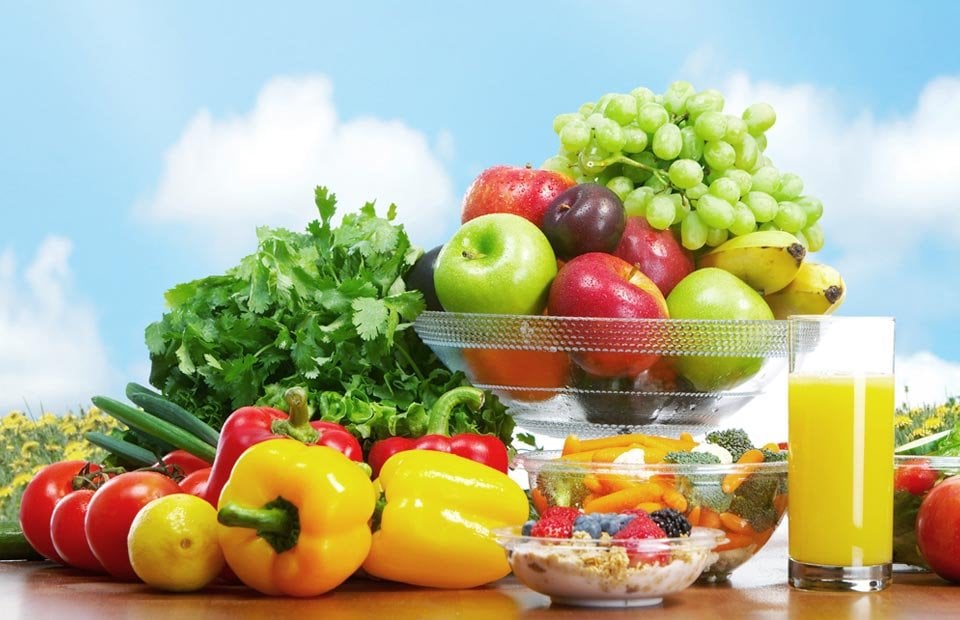
In the event that you require shipment of sensitive items, goods that will likely deteriorate if exposed to adverse temperature, humidity or left out over an extended period of time, Vietnam Airlines has established measures to help you transport items safely. Examples of perishable cargo include but are not limited to: chocolate, dairy products, fish, flowers, foodstuffs, frozen products, fruits & vegetables, hatching eggs, meat, plant material, serum, and vaccines. At most transit stations, we provide speciality of freezers and cool rooms for storage and specially trained staff to handle these items and help your shipment arrive as quickly as possible and in good condition.
Acceptance conditions for Perishable cargo
Perishable cargo will not be accepted if the contents do not appear to be in good condition or if the packaging appears to be inadequate or if it is the opinion of accepting staff that shipments will not reach their destination in a satisfactory condition or will not be possible to be delivered to the consignee.
Perishable cargo will be accepted without responsibility on the part of the carrier for loss or damage due to changes in climate, temperature, altitude or other ordinary exposures.
Instructions of maximum acceptable duration of transport and of any special handling requirement must be shown on Shipper’s Letter of Instruction (SLI).
Perishable shipments which may exude liquids are classified as "Wet Cargo" and shall be in compliance with requirements of Vietnam Airlines Wet Cargo Regulations.
Perishable shipments will not be accepted if AWBs do not contain reasonable instructions or AWBs contain extremely specific conditions such as "Keep under refrigeration at all times" or "Maintain at below 5 degree Celsius", unless agreed by Vietnam Airlines.
Packing
1. General Packing Requirement:
Packaging must be ensured to provide adequate protection of the contents and prevent contamination of other load or spillage or leakage.
Perishable cargo classified as wet cargo must be packed in leak-proof containers in accordance with the requirements of Vietnam Airlines Wet Cargo Regulations.
Perishable shipments packed in and refrigerated by dry ice or liquefied gases must be treated in accordance with the requirements of the IATA and Vietnam Airlines Dangerous Goods Regulations
Perishable shipments consisting of "Live Animals" must be shipped in containers that meet the requirements of the IATA Live Animals Regulations.
2. Packaging Methods:
Methods of packaging depends largely on the nature of the products and its perishability.
Packaging materials commonly used for perishable cargo include:
Styrofoam boxes
Polyethylene bags
Waxed cardboard cartons
Wooden barrels, Crates, Boxes
Plastic containers
Polyethylene sheeting
Moisture-absorbent tissue.
Some perishable commodities require both inner and outer packaging for adequate protection from contamination and to insulate the contents. A refrigerant is often used in conjunction with combination packaging of this type.
Packing requirements for some specific commodities
1. Plants and Flowers
Flowers are wrapped in protective paper then packed in cardboard boxes or wicker baskets.
Packing materials must be strong to allow for stacking of packages on top of each other.
Products must be packed to ensure that the contents are adequately protected and properly ventilated. Packages must not be overloaded either by weight or volume.
2. Fruits and Vegetables
Fruits and vegetables must be packed in well-ventilated containers capable of preventing crushing and bruising. Usual packages are wooden crates and carton boxes.
3. Meat and meat products – fresh and frozen
It is the responsibility of the shipper to deliver the shipment to the airline with sufficient refrigerant materials in order to maintain the designed range of temperature till time of delivery.
Fresh meat must be packed in leak-proof packages and handled as wet cargo.
Packaging must be of a standard to satisfy the country’s import and export laws. the laws of export and import countries.
4. Vaccines and Medical Supplies
Vaccines and medical supplies are usually shipped in standard packaging designed to protect and preserve the contents.
Some items are classified as dangerous goods and must be treated in accordance with IATA DGR and VNA regulations.
5. Fish and seafood – fresh and frozen
Fresh and frozen fish and seafood must be shipped in leak-proof packaging and handled as wet cargo.
The common method of packing fish and seafood is to use inner containers of polyethylene bags together with refrigerant, in outer containers of fiberboard, wood, styrofoam and carton.
- Inner packaging: Polyethylene bags must be of a thickness adequate to avoid being torn. If necessary, one bag should be placed inside another in order to give added protection against leakage.
- Outer Packing:
+ Corrugated fiberboard: Folded corners provide additional protection against leakage.
+ Styrofoam: Outer containers of Styrofoam can be used only with inner containers of polyethylene bags.
Package reinforcement: Where water-proof adhesive tapes and bandings are used to seal cartons, care should be taken to avoid damage to the container itself.
Refrigerant materials
1. Dry Ice
When dry ice {Carbon Dioxide, solid) is used with perishable cargo, it must be packed so that the carbon dioxide gas can disperse and not build up within the receptacle or container.
If carrying a large volume of perishables packed with dry ice, total quantities of dry ice in all compartments must not exceed the limitation for each type of aircraft.
2. Liquefied gases
The use of liquefied gases in refrigerated form is often restricted, only associated with the carriage of human tissues, semen and living organs.
It should be noted that liquefied gases are classified as "Dangerous Goods" and their carriage is permitted only in accordance with the current IATA and Vietnam Airlines Dangerous Goods Regulations.
3. Wet ice
Wet cargo packing requirements must be complied with.. Wet ice must be put in polyethylene bags or other non-leaky bags, then packed in each package of perishables.
In case wet ice is inadequately put in polyethylene bags, packaging is required to hold water inside the packages.
Marking and Labelling
All perishable shipments must be labeled with at least one "PERISHABLE" label in a visible position on each package.
Packages of perishable cargo must be appropriately labeled with a "THIS WAY UP” label. This is particularly important in the case of perishables classified as "Wet Cargo”. A printed/ stamped orientation sign on packages is accepted.
For vaccines and medical supplies, handling labels such as "FRAGILE", “THIS WAY UP” etc… must be attached.
When liquefied gases or dry ice are used as refrigerants with perishable cargo, the labeling and marking requirements of IATA Dangerous Goods Regulations must be complied with. The net weight of the dry ice must be marked on the outside of each package.
When loaded in a ULD, ULD tags must be endorsed with an applicable special handling code.
It is advisable for the shipper to mark all packages with the name, address and telephone number of the consignee and with any special information about the contents. It should be readily obvious whether a package contains “Frozen Seafood” or “Live Seafood” because entirely different handling will be required.
For more information, please contact your local Vietnam Airlines Branches or Cargo Sales Agents
E-Services
Our Networks & Shipping Guide
Products & Services
Customer Support
© 2025 Vietnam Airlines JSC
Contact Center for calls within Vietnam (24/7): 1900 1100
For Lotusmiles members: 1900 1800
For calls from outside Vietnam (24/7): +84 24 38320320
Email: Telesales@vietnamairlines.com
Certificate of Business Registration - No.: 0100107518, Initial registration made on 30 June 2010, the 9th registration of changes made on 12 January 2022
Notice