Select region and language
Close button
Booking and service information for the selected country and language will be applied.
paradise

Paris travel: A romantic journey through the city of light

Paris travel begins with the scent of fresh bread drifting from a neighbourhood boulangerie, unfolding through centuries-old streets towards a hidden courtyard before ending with a glass of wine as city lights shimmer along the Seine. Romantic, elegant and steeped in history, the city carries a timeless beauty, from iconic landmarks and intimate cafés to celebrated restaurants, charming hotels, effortless transport and flea markets filled with forgotten treasures. Paris is best experienced by following its streets, flavours and fleeting moments, each revealing another side of the city’s enduring charm.

Things to do in Paris off the beaten path

Paris is a city many travellers arrive knowing by heart, long before they have ever walked its streets. Yet beyond the monuments that define its postcard image, another Paris waits in glass-roofed passages, neighbourhood markets, quiet gardens and corner cafés, while Haussmannian façades, wrought-iron balconies and grand boulevards shape the cityscape that has drawn writers, poets and artists for generations. The famous writer Enerst Hemingway called Paris “a moveable feast”, capturing the city's rare ability to inspire and linger in the imagination long after leaving.

For travellers searching for things to do in Paris, some of the most memorable experiences begin when the checklist ends. Follow the city's winding streets and lingering flavours, then venture beyond the capital on day trips from Paris, where royal estates and countryside landscapes reveal another chapter of the French story.
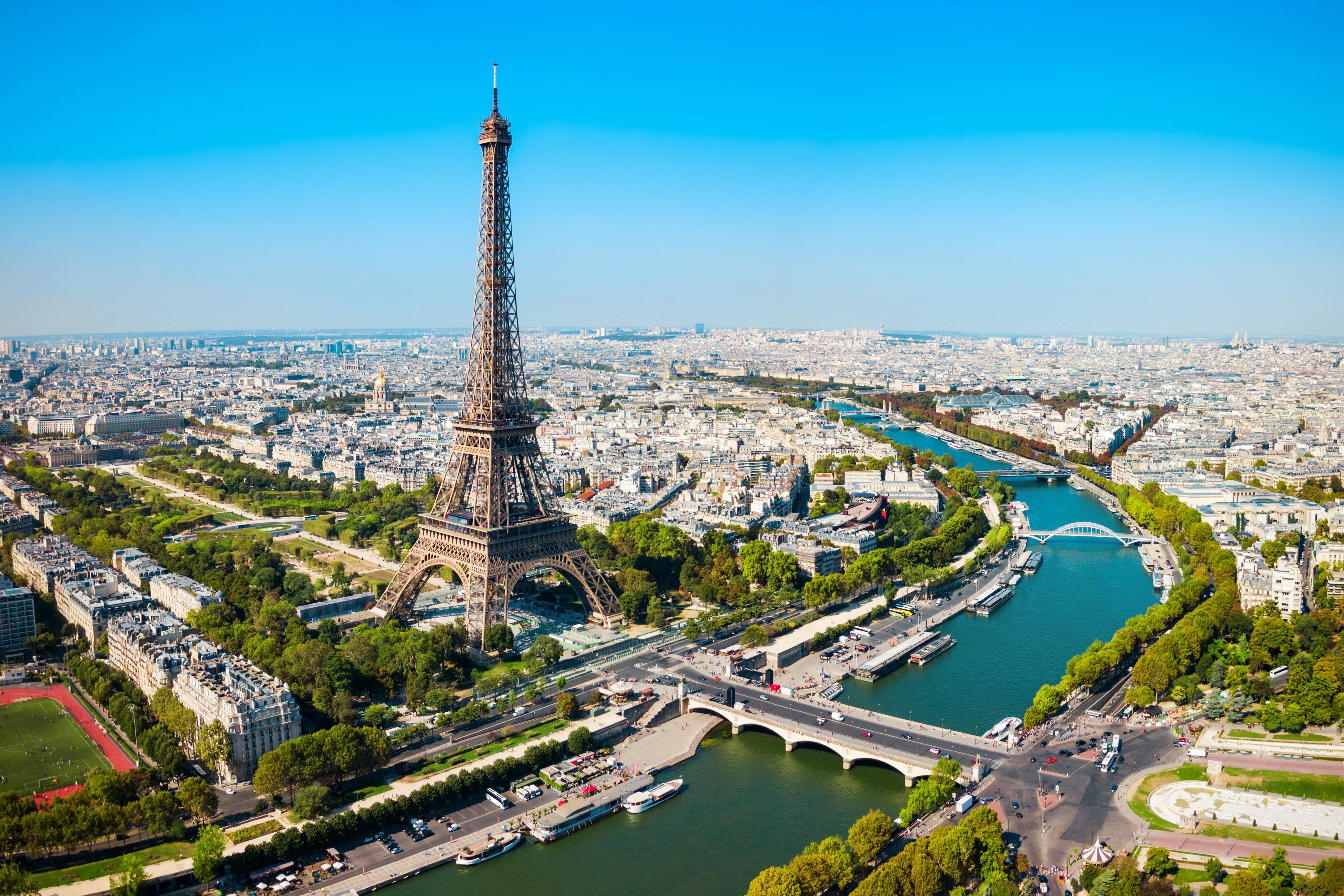
Eiffel Tower, one of the iconic things to do in Paris during a Paris trip

Eiffel Tower, one of the iconic things to do in Paris during a Paris trip

Find poetic everyday-life and inspiration in things to do in Paris

From Passage des Panoramas to Jardin du Luxembourg

Once upon a time, Parisian boulevards were places where generations gathered to talk, argue, fall in love and imagine new possibilities, giving rise to the French word flâneur, which describes the art of wandering through the city simply to observe its streets and people. Traces of that tradition remain in quieter corners of the capital, where ornate passages lead towards leafy gardens and grand architecture gives way to the simple pleasure of lingering outdoors. The walk from Passage des Panoramas to Jardin du Luxembourg brings that spirit into view, moving from an old-world passage to one of the city's most graceful green spaces.

At Passage des Panoramas, one of the city's oldest covered arcades, daylight filters through the glass roof onto narrow storefronts, restaurants and cafés. Old signs and intimate shopfronts recall another era of Parisian commercial life, yet the passage remains very much alive, with locals stopping for lunch and visitors browsing its eclectic stores.

From the famous enclosed path, continue towards the open greenery of Jardin du Luxembourg. Created in the early 17th century for Marie de' Medici, the garden offers a quieter pause from the streets around it. In the summer, Parisians settle beneath the trimmed trees with books and picnic baskets and watch children sail small boats across the pond; in the winter, walkers cross the bare avenues in wool coats, their footsteps carrying through the crisp air.

Find an empty chair, pause beside the pond and stay for a while. Among the many things to do in Paris, an hour spent watching Parisians read, stroll, meet friends or simply enjoy the garden offers a glimpse of the French art of living the moments.

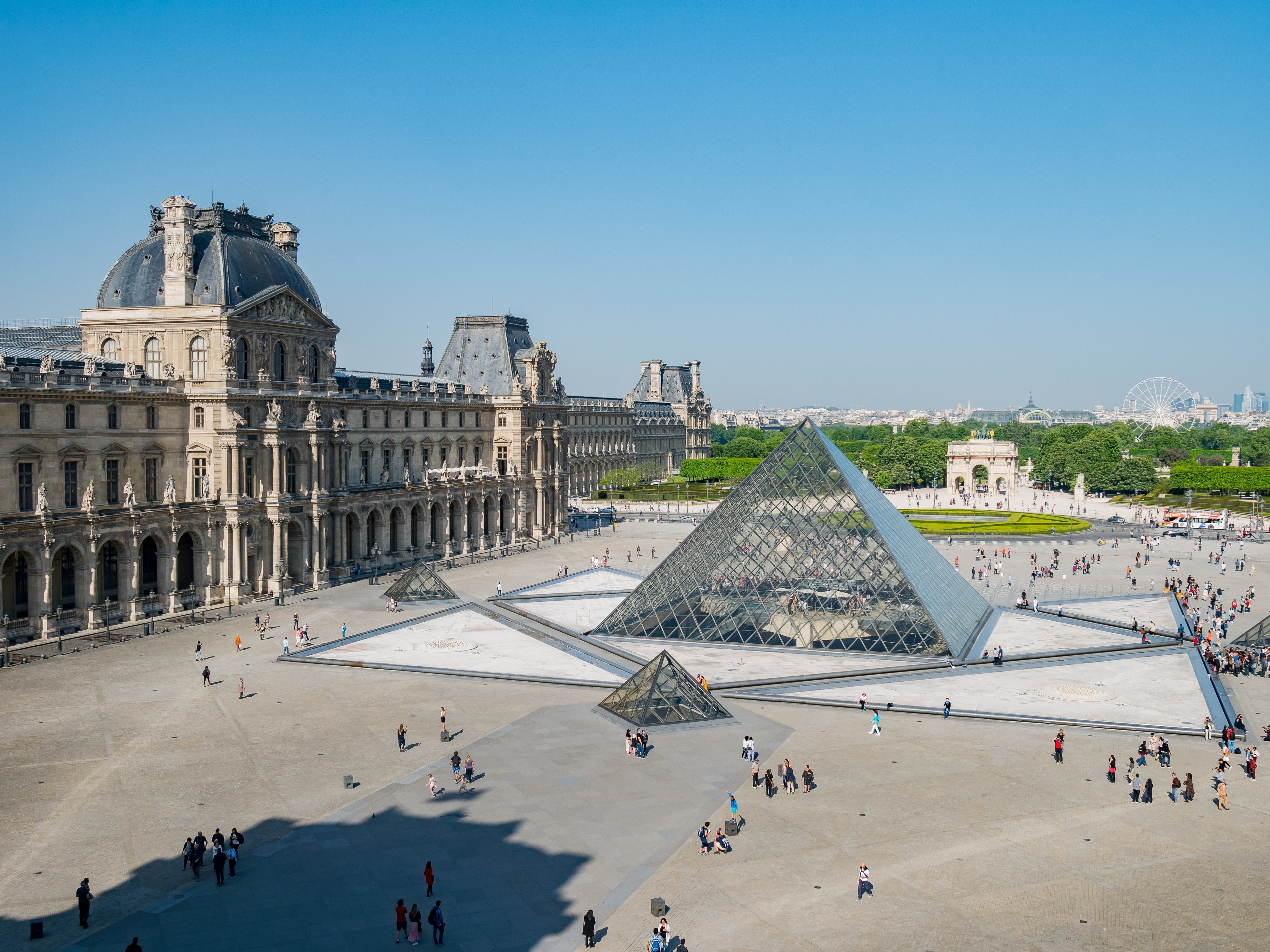
Visit the Louvre Museum, one of the most popular things to do in Paris

Visit the Louvre Museum, one of the most popular things to do in Paris

Slow down at Marché des Enfants Rouges and a Parisian café

On weekend mornings, another side of Paris emerges at Marché des Enfants Rouges. One of the city's historic covered markets, it brings together food stalls and small eateries around shared tables, where conversations mingle with the aromas of dishes being prepared nearby.

Rather than treating the market as another attraction to complete, wander between the stalls and stop when something catches your attention. A simple lunch here offers a glimpse of the neighbourhood's everyday life, where food, culture and community naturally meet.

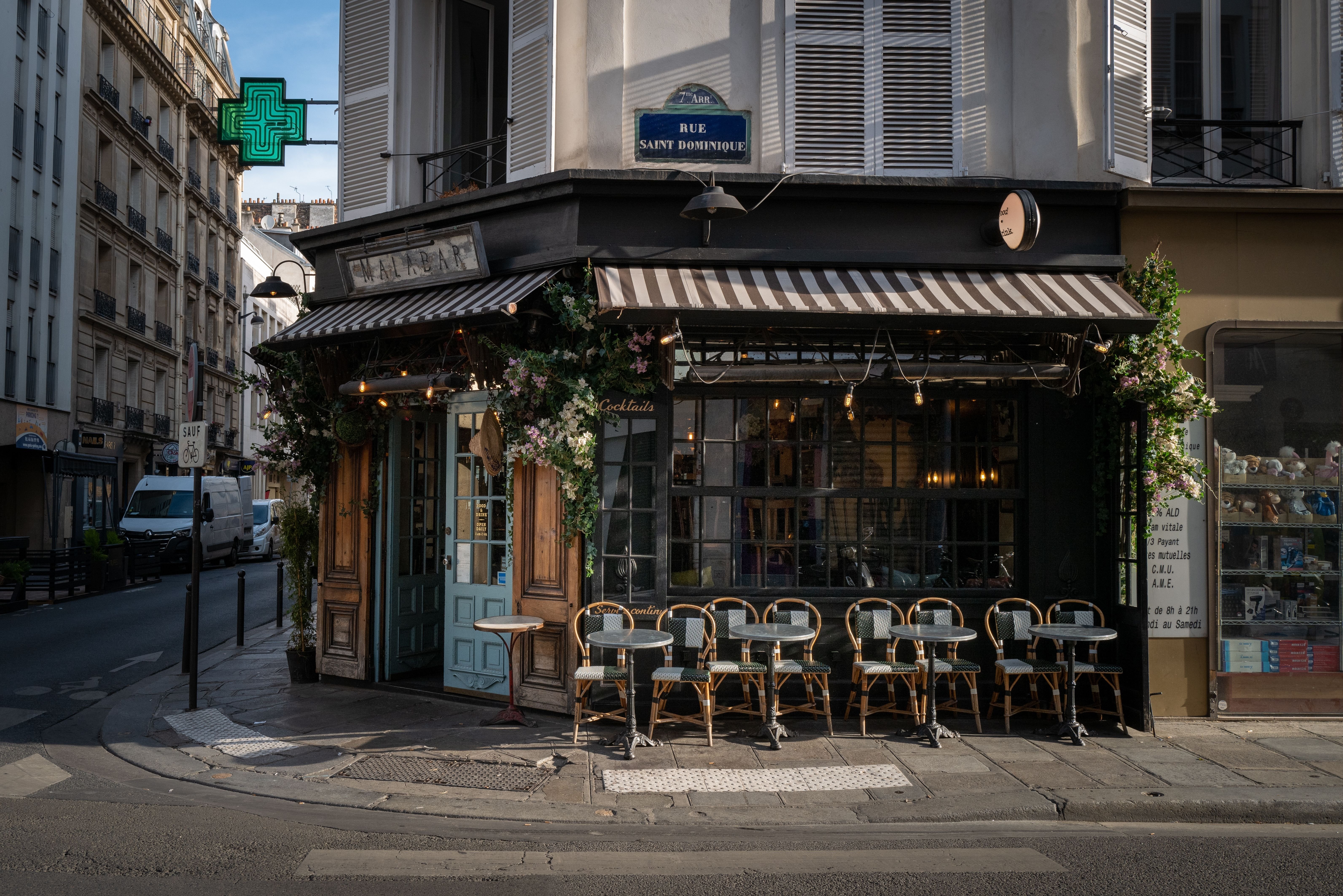
Afterwards, find a corner café and take a pavement table for the afternoon. Parisian cafés have long drawn philosophers, writers and poets to their open terraces, where they could debate, write and day-dream while watching the lively streets around them. Today, travellers can sit among locals, sharing this familiar part of Parisian life as friends meet, neighbours exchange greetings and conversations drift through the afternoon air.

These quieter encounters are among the things to do in Paris that make a journey feel incredibly personal. The city comes alive with each ordinary moment, from a market lunch to an afternoon spent watching Paris from a pavement table.

Day trips from Paris for seasoned travellers

A morning journey from Paris to Versailles

Beyond the capital, day trips from Paris offer travellers another perspective on French history and culture. Few are as iconic as Versailles, where a short morning train journey exchanges Parisian streets for the monumental world of the former royal court.

Arriving early allows time to enter the Château de Versailles before the busiest hours of the day. Inside, the Hall of Mirrors stretches beneath glittering chandeliers, with gilded details and tall windows overlooking the gardens. In the relative quiet of morning, the grandeur feels more personal, allowing travellers to imagine the ceremonies, celebrations and political encounters that once unfolded here.

Yet Versailles is more than its palace interiors. Stepping outside reveals a landscape conceived on an extraordinary scale, inviting visitors to spend the rest of the day moving gradually from royal splendour towards quieter corners of the estate.

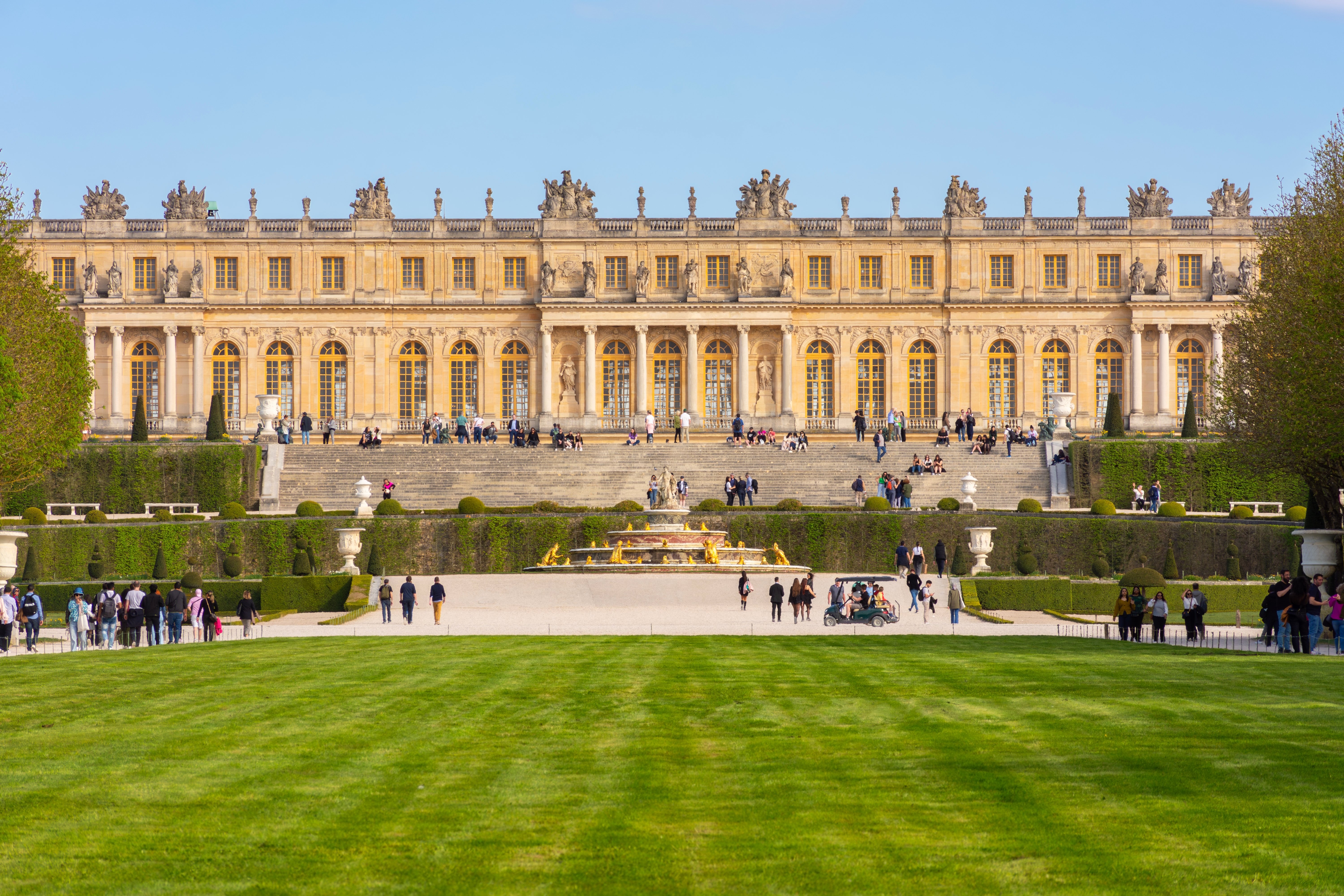
A beautiful day in Versailles capturing the unique atmosphere of the city among the memorable things to do in Paris

A beautiful day in Versailles capturing the unique atmosphere of the city among the memorable things to do in Paris

From a Grand Canal picnic to Marie Antoinette's estate

By midday, slow the journey down beside the Grand Canal. A picnic overlooking the water or a simple lunch just beyond the palace grounds creates a natural pause before continuing deeper into the estate.

The afternoon belongs to the gardens. Formal avenues gradually lead towards the Trianon palaces and Marie Antoinette's estate, where the atmosphere becomes more intimate than the ceremonial rooms of the main château. Here, smaller residences, gardens and pathways reveal another dimension of royal life away from the grandeur of court.

As afternoon turns towards evening, the train carries travellers back into central Paris. After a day among mirrored halls, canals and gardens, the familiar streets of the capital take on a slightly different character.

This is why seasoned travellers often include day trips from Paris in a longer itinerary. Leaving the city for a few hours does not interrupt the Paris experience; it places the capital within a wider story of French history, culture and landscape.

Quick information

Frequently Asked Questions

An itinerary lasting four to five days is highly recommended for a complete introduction to Paris. This gives travellers time to experience major landmarks alongside quieter neighbourhoods, gardens and markets, while leaving room for at lea=st one journey beyond the capital.

The Louvre is generally quieter early in the morning, particularly on weekdays soon after opening, or later in the afternoon on days with extended evening hours. Travellers should check the museum's current opening schedule before visiting.

Yes. Many of Paris's most iconic sights are within walking distance of one another, particularly across the central arrondissements. Walking between stops also makes it easier to discover cafés, architecture and neighbourhood details along the way.

Explore the French art de vivre through the best restaurants in Paris

Paris has spent centuries at the table, where eating has always been part of the French art de vivre: a way of giving time, pleasure and togetherness a special place in everyday life. From royal kitchens and grand cafés to neighbourhood restaurants, meals have long shaped the social fabric of the city, bringing people together around shared dishes, leisurely lunches and evenings that are allowed to linger.

Today, the best restaurants in Paris offer travellers a taste of this philosophy, where dining is given the time and attention usually reserved for life's finer pleasures. A sauce arrives with the precision of French technique, bread is broken at the table and wine is poured as the evening stretches on. The meal becomes part of the experience, inviting diners to savour flavours, surroundings and company at an unhurried pace.

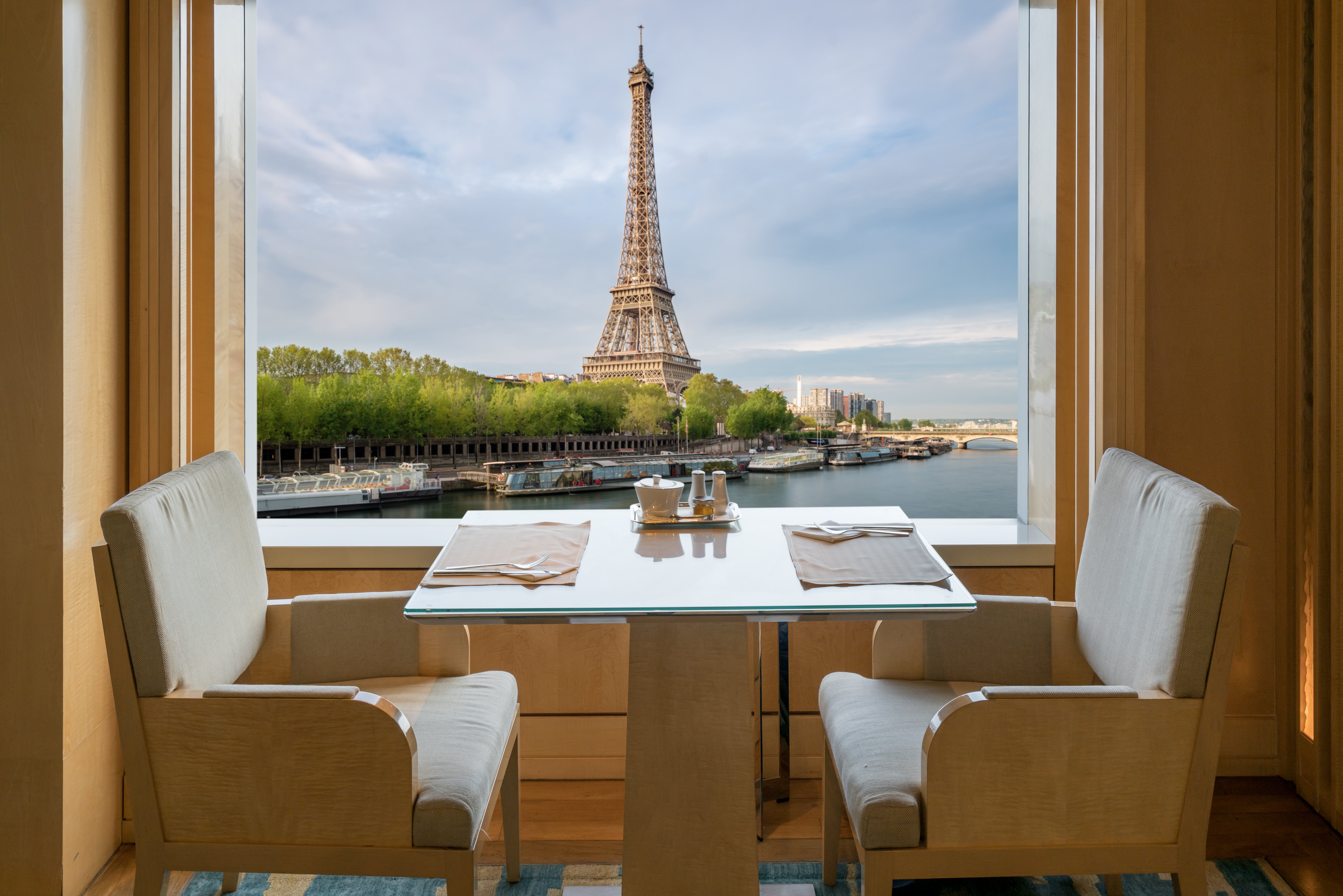
A dining table in a French restaurant with panoramic views of the Eiffel Tower, ideal for discovering the best restaurants in Paris

A dining table in a French restaurant with panoramic views of the Eiffel Tower, ideal for discovering the best restaurants in Paris

The best restaurants in Paris span every culinary style imaginable

Some Parisian dining addresses hold stories of artists, writers and famous patrons, while newer kitchens reflect the influences shaping the city today. Behind the dining room, these stories reveal the people who have shaped Parisian food culture.

The best restaurants in Paris span from haute gastronomy to neo-bistros

 Parisian dining carries a history of refinement and reinvention, shaped by royal kitchens, neighbourhood tables and generations of cooks finding new ways to express French cuisine. Haute gastronomy grew from the elaborate kitchens of France's royal and aristocratic households before becoming a codified culinary tradition in the late 19th century, when disciplined techniques, formal service and structured menus transformed dining into an orchestrated experience. The bistro brought food into humbler neighbourhood rooms, while decades later, the neo-bistro emerged as young chefs brought ambitious cooking into intimate spaces, working with seasonal produce, concise menus and a relaxed spirit.

The best restaurants in Paris carry these chapters into the present, from polished dining rooms where composed dishes recall another era to intimate addresses where open kitchens and market-fresh ingredients create a closer connection with the city. Together, they reveal Paris through the way its people have eaten across time, with each table offering a glimpse of the city's enduring relationship with food and pleasure.

Belle Époque brasseries preserve a century-old dining ritual

Step into a Belle Époque brasserie, a grand French restaurant style that flourished in Paris in the late 19th and early 20th centuries, and the past appears in dark wood, mirrored walls, brass fittings and white tablecloths. The tradition remains especially visible around Bastille, Saint-Lazare and the Grands Boulevards, districts long associated with cafés, theatres and bustling dining rooms. Oysters on ice, onion soup, steak frites and seafood platters arrive with the unhurried rhythm of an older Paris, leaving time for another glass of wine and the movement of the boulevard outside.

Trendy quarters reshape French cuisine

A walk through the 11th arrondissement finds French cooking in a younger, more exploratory setting, where market vegetables, fermented ingredients and spices from abroad meet familiar sauces and techniques. In Le Marais, Jewish and Middle Eastern traditions colour the streets with falafel, pastrami and tahini, while the 13th arrondissement carries Chinese and Vietnamese flavours through noodle shops, bakeries and family-run restaurants. Wine bars and natural-wine kitchens add small plates and carefully chosen bottles to the city's evolving Paris (France) food culture, turning an evening meal into a journey through the communities shaping the capital.

Food culture in Paris (France) lives far beyond the walls of fine dining 

A taste of the Parisian cuisine scene begins with what fills the market stalls, bakery windows and neighbourhood tables, where French technique meets seasonal ingredients and recipes rooted in regions across the country.

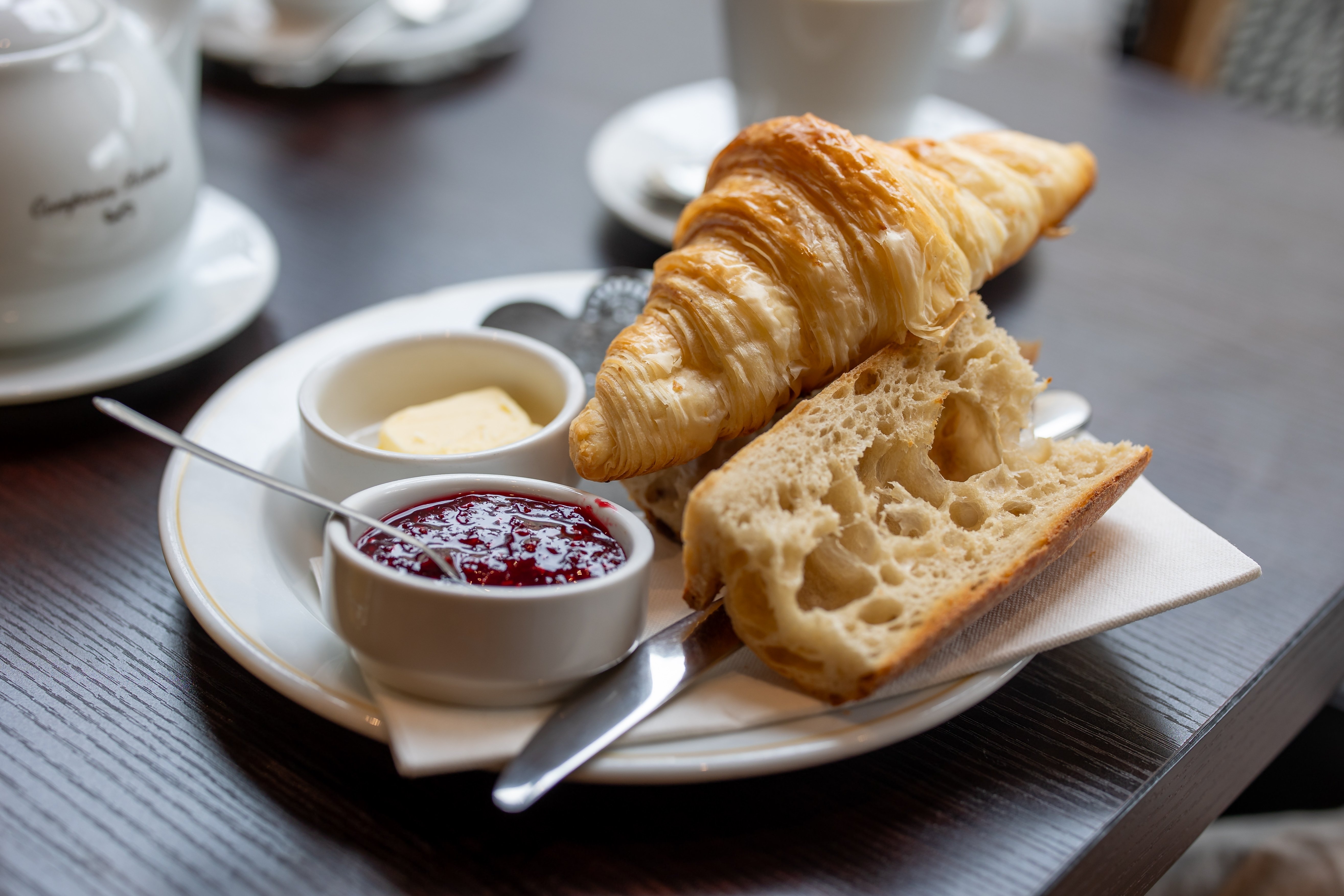
Morning croissant from a Paris bakery

In the early morning, the scent of butter and yeast spills from a boulangerie, a traditional French bakery, onto the streets of Belleville, where generations of immigrant communities have added their own flavours to Parisian life. A warm croissant, France's most iconic bakery export, flakes onto the paper as you walk, its golden layers reflecting a baking tradition shaped by French craftsmanship and European influences. From this simple ritual, Paris food culture in France opens onto a wider history, with culinary traditions from Normandy, Burgundy, Provence and the southwest meeting in the capital.

French dessert at one of the best restaurants in Paris, showcasing classic French culinary artistry

French dessert at one of the best restaurants in Paris, showcasing classic French culinary artistry

Traditional dish and the tradition of a leisurely Parisian lunch

By midday, a neighbourhood bistro in Montmartre, the Latin Quarter or the 10th arrondissement settles into the quiet clatter of cutlery and conversation, as coq au vin (chicken slow-braised in red wine) arrives with a deep, glossy sauce at a marble-topped table. The dish carries the character of rural French cooking into the capital, where slow cooking once made tougher cuts tender and wine added depth to the pot, while steak frites, onion soup and seasonal dishes fill the tables around it. Over coffee or a glass of wine, the long lunch becomes a window onto the everyday traditions that continue to shape Parisian dining.

Evening wine bars and enjoying oyster by the Seine

By dusk, Saint-Germain-des-Prés, Canal Saint-Martin and the streets around Rue des Abbesses fill with the clink of glasses and the warmth of small dining rooms. A wine bar might set out the famous French hard cheese Comté, oysters, pâté or charcuterie beside a glass of natural wine, while along the Seine, a plate of moules-frites (mussels and French fries) carries the taste of the coast into the capital before crème brûlée closes the meal with its crisp caramel surface and soft, cool centre. Simple dishes, local rituals and the city's streets become part of the evening.

Michelin restaurants in Paris worth planning around

Who could resist trying one or two Michelin restaurants in Paris while in the capital, especially when a memorable dinner promises to become one of the highlights of the journey?

From single-star tables to two-star dining rooms

The first glimpse of a Michelin-recognised dining room may come through a quiet doorway, where polished glassware, linen and softly lit tables hint at the precision awaiting inside. In the 1st arrondissement, around the Louvre and Palais Royal, that ceremony feels especially pronounced, while the 8th arrondissement places ambitious kitchens among the grand avenues near the Champs-Élysées. In Passy, on the quieter western side of Paris, refined restaurants sit among elegant residential streets, offering a more discreet setting for Michelin-recognised cooking and the long French tradition of culinary discipline behind the distinction.

Tasting menus often stretch across several hours

At the best restaurants in Paris, a tasting menu becomes a culinary journey through France, with an evening that may stretch for several hours and invites diners to slow down, taste carefully and follow the chef’s story. Oysters or scallops may evoke the Atlantic coast before duck, veal or beef arrives with a deep red-wine sauce, followed by spring asparagus, peas, autumn mushrooms or truffles that recall the country’s fields and forests. Dessert closes with fruit, chocolate or caramel, leaving each course as a small impression of France’s landscapes, seasons and produce rather than simply another plate at the table.

Securing a coveted Paris table

Finding a table at sought-after Michelin restaurants in Paris can feel like following a small trail of clues before the trip even begins. Some addresses release reservations only through their own websites, while others work with hotel concierges instead of third-party booking apps, and the most popular tables disappear quickly around weekends and peak travel seasons. Checking the restaurant’s booking calendar early, then matching it to your itinerary, leaves the evening free for the part that matters most: sitting down and letting the meal take its time.

Most importantly, allow yourself time, because a Parisian meal is rarely about simply finishing a plate; it is a chance to linger over the table, continue a conversation, watch the street outside and let the city move around you.

Best restaurants in Paris with terrace dining and scenic outdoor views

Best restaurants in Paris with terrace dining and scenic outdoor views

Quick information

Frequently Asked Questions

Reservations are recommended for Michelin-starred restaurants and popular bistros, especially during weekends and peak travel seasons. Some restaurants release reservations through their own websites or hotel concierges.

Service is generally included in restaurant bills in France, so tipping is not required at restaurants in Paris. If the service is particularly good, leaving a small additional amount, such as € 1 – € 2, is a thoughtful gesture. For larger bills, rounding up is also perfectly acceptable.

Yes. Paris offers a wide range of vegetarian and vegan restaurants, particularly in areas such as Le Marais, Canal Saint-Martin and the Latin Quarter. These options allow travellers to enjoy Paris France food culture while following different dietary preferences.

Paris Charles de Gaulle Airport as the gateway to your Paris story

Before the Seine, the boulevards or the first café comes into view, Paris may first arrive through the glass corridors of Paris Charles de Gaulle Airport, where French voices echo through the terminals, flight boards flicker overhead and the anticipation of the city begins to take shape.

Setting the tone for the journey ahead

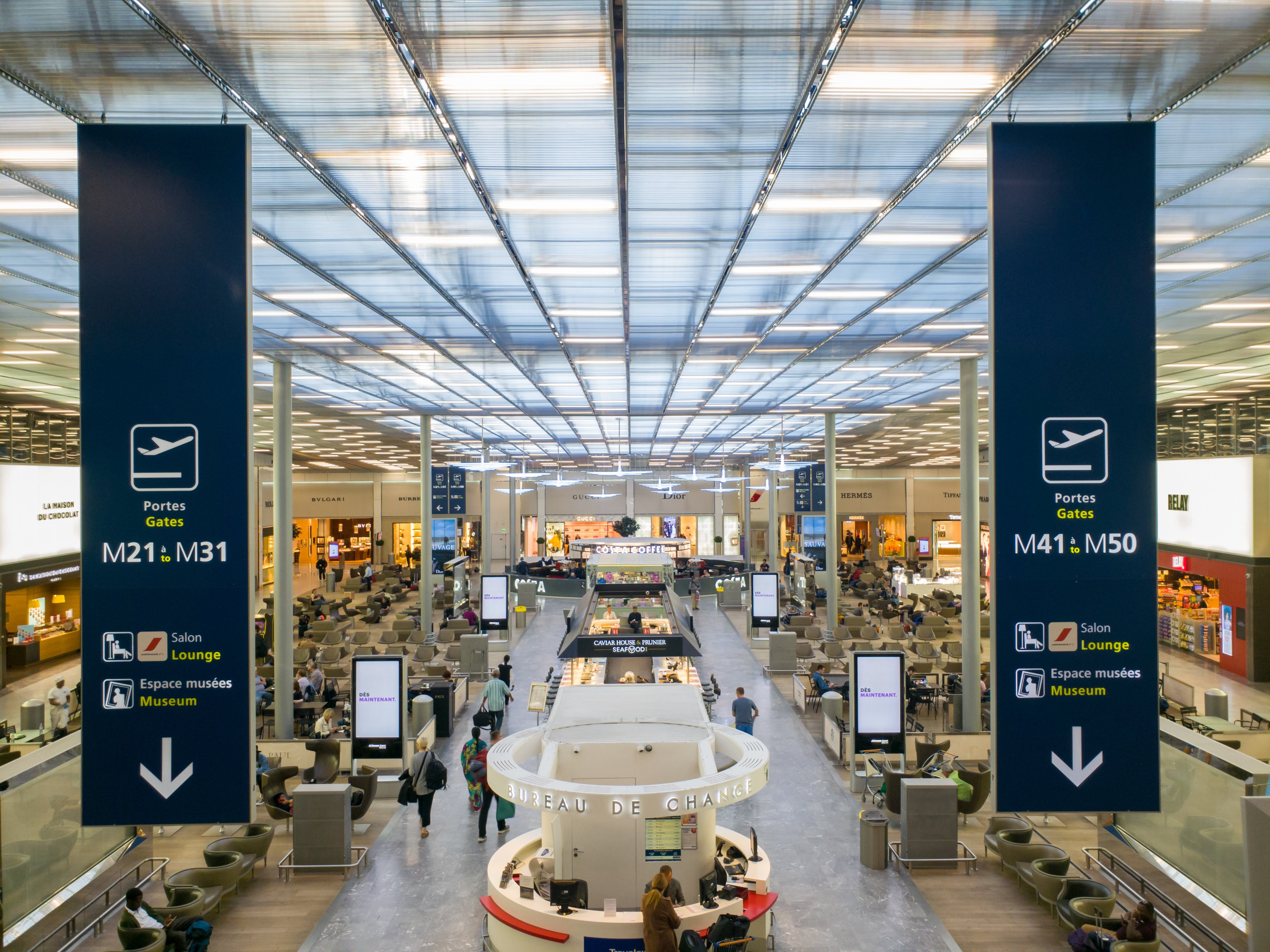
Known as a major gateway to France, Paris Charles de Gaulle Airport (CDG), located about 25 km northeast of central Paris, begins the Paris experience across its vast terminals, where passengers arriving from around the world move through one of Europe’s major aviation hubs before the city comes into view. The transition from a long-haul flight to the anticipation of Paris gives the airport its own place in the journey, with different terminals, connections and passenger spaces shaping those first moments on French soil.

Charles de Gaulle Airport with terminals, shops and passenger facilities creating the atmosphere of a small city

Charles de Gaulle Airport with terminals, shops and passenger facilities creating the atmosphere of a small city

Luxury shopping and art at Charles de Gaulle Airport in Paris

Before Paris appears beyond the terminal windows, travellers encounter France’s taste for design through boutiques devoted to fashion, fragrance, beauty and the art of enjoying oneself, where a final French purchase becomes part of the journey. The concentration of luxury brands makes shopping practical for eligible tax-free purchases, particularly when there is little time to return to the city centre. Art adds a quieter layer, with sculptures, installations and changing exhibitions along the passenger journey, allowing travellers to pause and encounter fragments of French creativity in spaces that feel like unexpected galleries.

Lounges and wellness during a long layover

After a long flight, the pace changes inside the airport, where a lounge provides a quieter corner to settle into a comfortable chair, enjoy a drink and let the hours between connections pass gently. Dedicated relaxation areas offer another pause, giving the body time to recover before the next flight and leaving the journey towards Paris feeling less hurried. With so much to navigate during a long connection, the airport map helps locate lounges, rest areas and other places to pause, leaving more time to recharge before departure.

A first taste of France at the airport café

The first taste of France can arrive with the scent of coffee and warm pastry, particularly in Terminal 2E, where cafés and French dining spots give a long-haul arrival a distinctly local pause. A croissant, pastry or light French meal is worth trying here because it brings the flavours and café rituals of Paris into the journey before the city itself appears, turning time between flights into a small introduction to French food culture. 

Every Paris transport option tells a different story of arrival

The journey from the airport becomes the first encounter with Paris, from changing views beyond the train window to streets seen from a taxi, with each Paris transport choice shaping the mood of arrival.

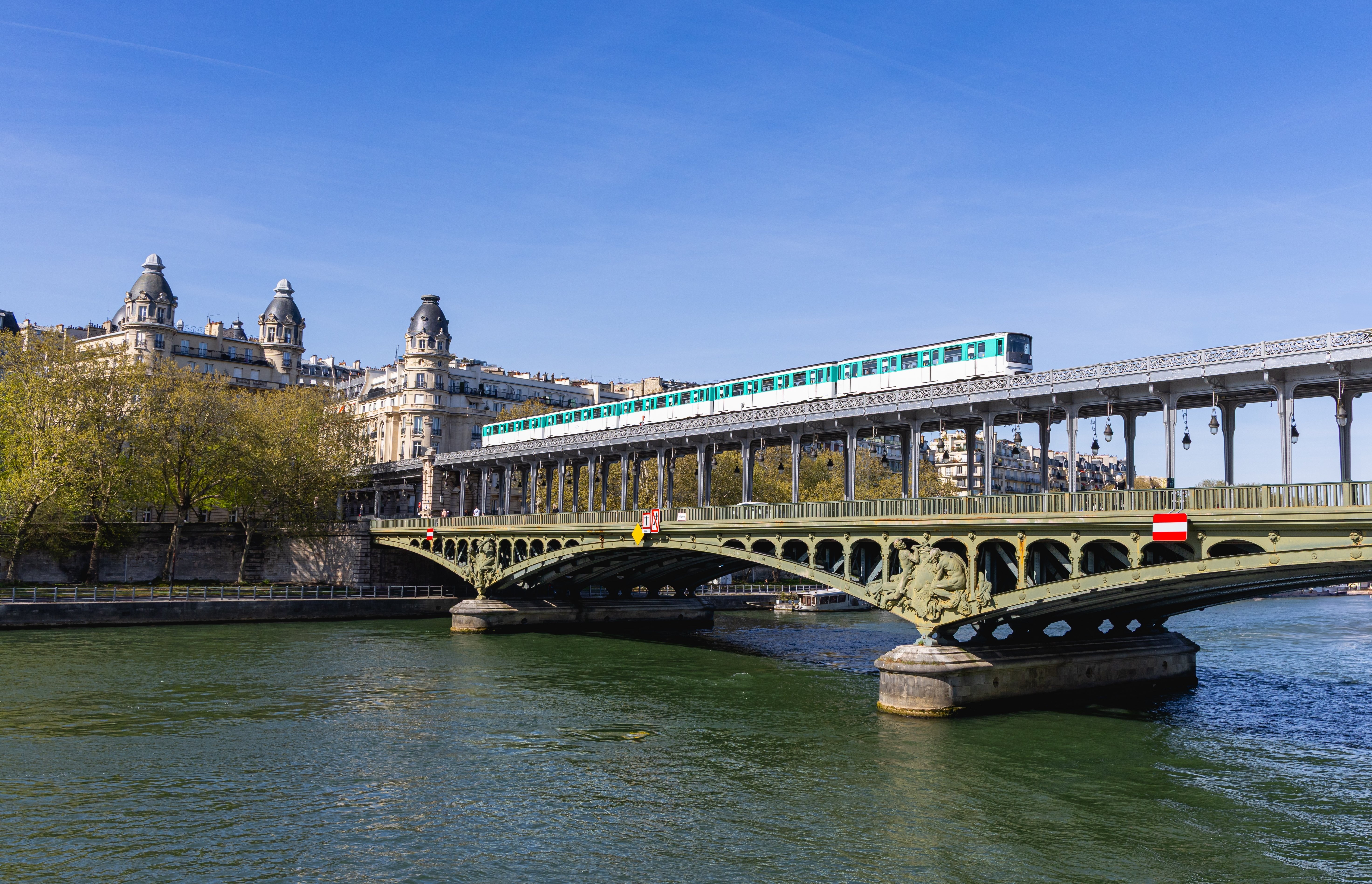
Paris airport train crossing a historic bridge in France, connecting travellers to the city

Paris airport train crossing a historic bridge in France, connecting travellers to the city

Regional trains for a budget-friendly arrival

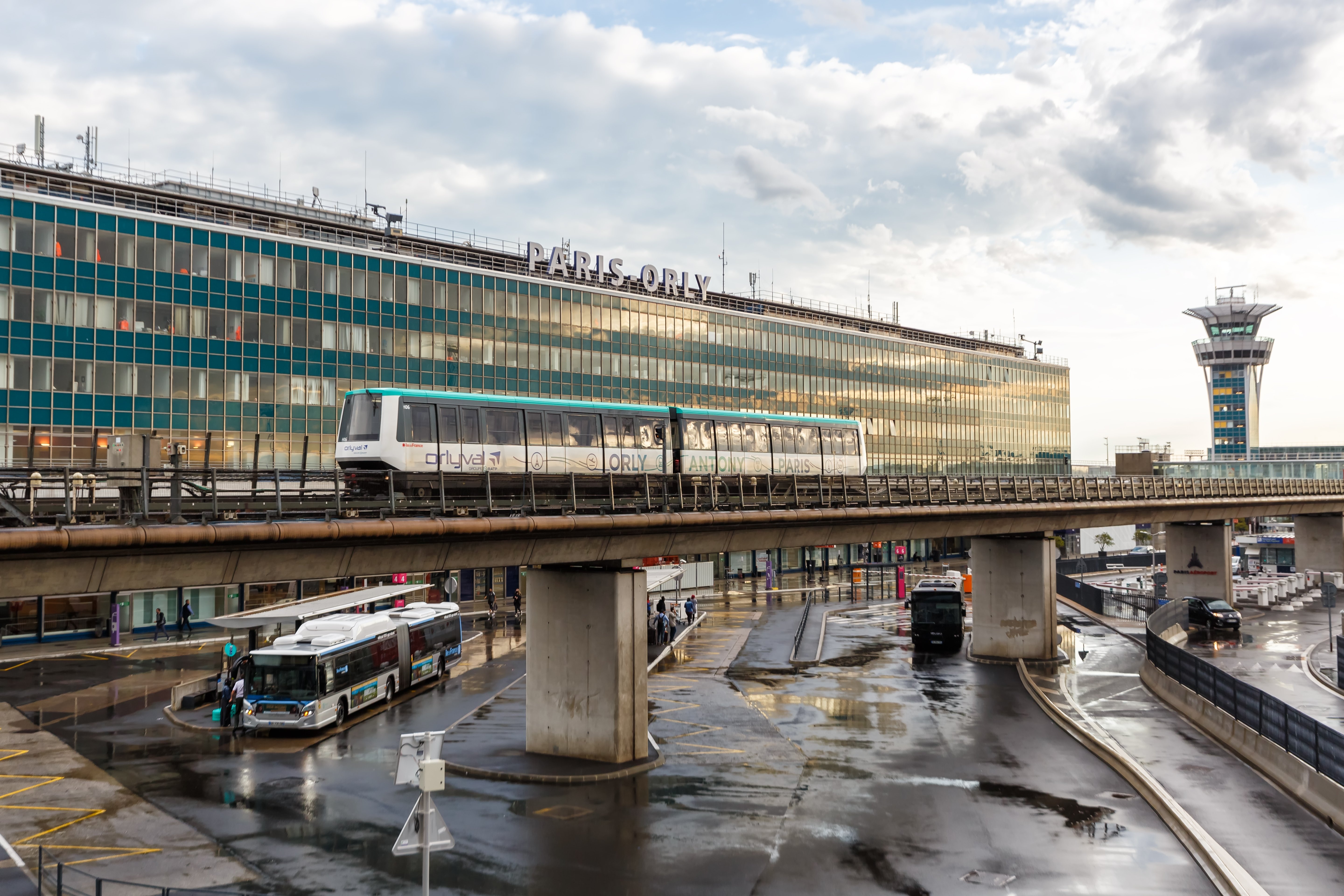
As part of the Paris transport network, the RER (Réseau Express Régional) carries travellers from the airport towards central Paris, with open stretches around the outskirts gradually giving way to dense neighbourhoods and landmark districts such as the 1st arrondissement around the Louvre and Palais Royal, the 4th around Le Marais and Notre-Dame, and the 8th near the Champs-Élysées and grand hotels. It suits budget-conscious arrivals, while regional express buses connect with metro hubs beyond the busiest stations, keeping the journey into Paris manageable.

Regional train connecting travellers to and from central Paris

Regional train connecting travellers to and from central Paris

Official taxis and private cars for an easier transfer

Official taxis provide door-to-door convenience for families, late arrivals or anyone carrying substantial luggage, carrying passengers straight from Paris Charles de Gaulle Airport into Paris without the need to navigate stations after a long flight. Private cars add comfort, with a driver meeting passengers at the airport and heading directly to the accommodation, while pre-arranged hotel shuttles keep the journey smooth from the moment of landing.

Regional express buses beyond the busiest stations

Regional express buses connect the airport with metro hubs beyond the busiest central stations, giving the journey into Paris a quieter first leg before the streets grow denser. This suits travellers seeking flexible public transport, while the final connection can be made by metro, on foot or taxi depending on the neighbourhood and luggage. For many journeys, the most practical Paris transport plan combines rail, buses, walking and taxis according to time, distance and convenience.

London to Paris as Europe's favorite short escapes

A quick cultural contrast between London and Paris

A London to Paris journey moves from London’s red buses, Underground signs and Victorian terraces to Parisian boulevards, Haussmannian façades and café terraces where French conversations spill onto the pavement. The distance is short, yet the contrast is striking, as English pub culture gives way to boulangeries, wine bars and long lunches, while the two capitals reveal different histories through their streets, food and daily rituals.

High-speed rail and short flights for flexible arrivals

The journey feels compact by rail, with Eurostar leaving London St Pancras and arriving at Gare du Nord in just over 2 hours, passing beneath the Channel before the Paris skyline replaces the English streets. Fares start from around £ 39 (approximately € 45,57) one way, making rail appealing for a short escape when time in the city matters. Short flights take around 1.5 hours and may suit travellers connecting through another European city, although airport transfers add time at both ends.

Part of a wider Europe itinerary

A London to Paris route can sit between two very different chapters of a European journey, linking the United Kingdom with France before the itinerary continues towards Lyon, Brussels, Amsterdam or another city. The route becomes especially useful when planning several stops, as rail keeps the London–Paris leg simple while flights may make more sense for destinations farther across the continent.

Paris may begin with a flight, train or crossing beneath the Channel, but the journey is already part of the story, carrying travellers from the first French arrival to the streets, flavours and neighbourhoods beyond.

Quick information

Frequently Asked Questions

Take the RER A east towards Marne-la-Vallée–Chessy, with the journey from central Paris taking around 35 – 40 minutes over roughly 32 km. A one-way ticket costs about € 2.55, and the station sits directly at the entrance to Disneyland Paris, making the train a straightforward choice for a day trip.

Travellers flying from Vietnam have several options for reaching Paris, with airlines and schedules varying by departure city and season. Vietnam Airlines is one of the carriers operating direct long-haul services from Hanoi and Ho Chi Minh City to Paris Charles de Gaulle Airport. Before departure, travellers can book their flight and consider TripCARE for eligible journeys.

Yes, contactless payment is available on parts of Paris public transport, although the method depends on the service and ticket type. A single Metro-Train-RER ticket costs around € 2.55, while travellers can also use transit passes or mobile tickets for added convenience.

Paris hotels for classic charm and memorable stays

Paris changes character from one neighbourhood to the next. A morning behind the tall windows of a Left Bank hotel may begin with bicycles passing below, while an evening in Montmartre ends beneath the glow of Sacré-Cœur. Between these moments, the place travellers choose to stay quietly shapes how they experience the city. Choosing among Paris hotels is part of finding the right place to begin and end each day. Among the many recommended hotels in Paris, the best fit is often the one that makes the city feel a little closer.

Paris hotels cater to different types of travellers 

Paris can feel like a different city depending on where the day begins. The neighbourhood outside the hotel often reveals a quieter, more local side of the capital than its famous landmarks suggest.

Paris hotels for first-time visitors, couples and families

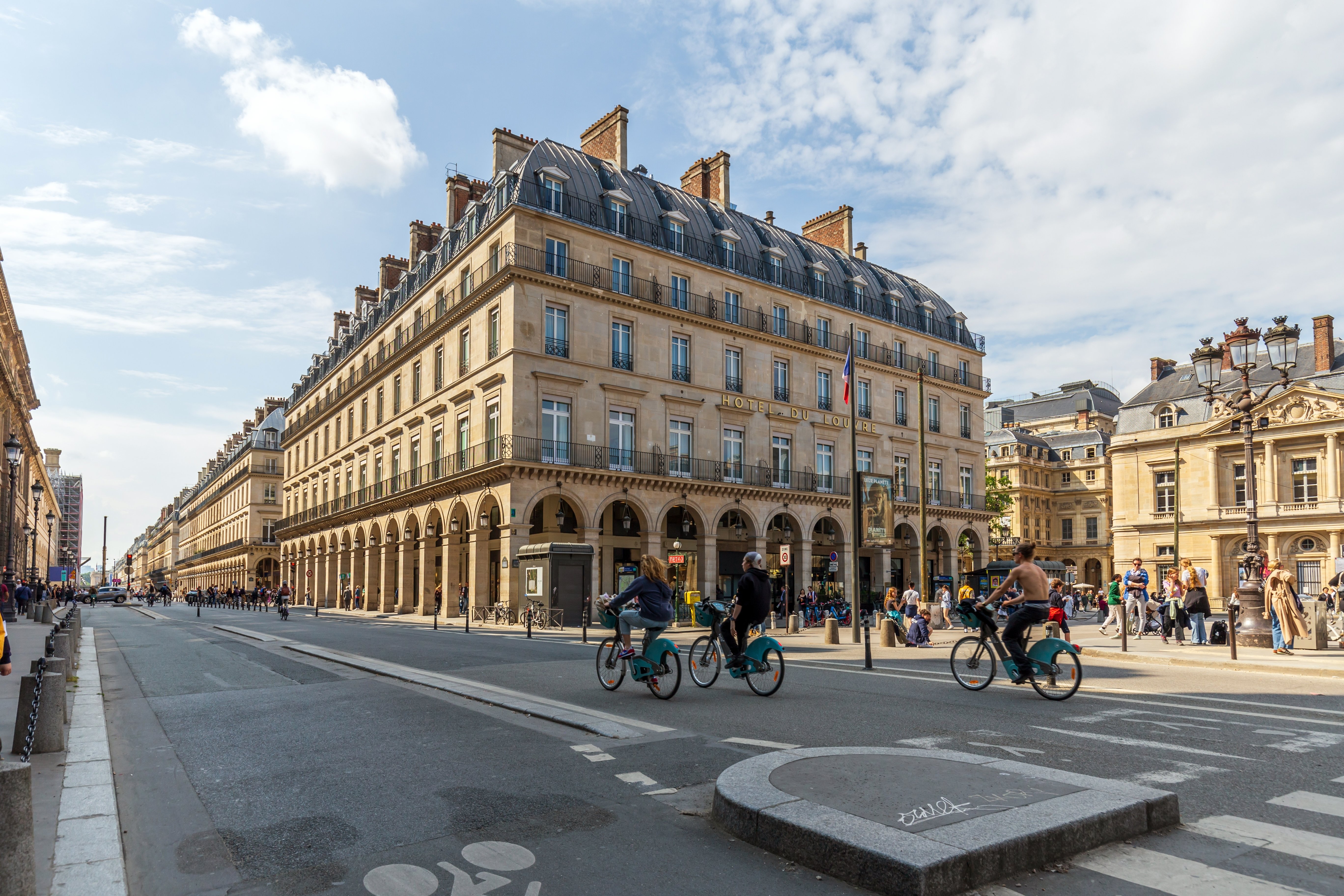
For first-time visitors, Paris hotels in central neighbourhoods bring several layers of the city within an easy walk. Around the Louvre, the former royal palace opens towards the Tuileries and Seine, while the 7th arrondissement offers quieter streets and Haussmannian façades around the Eiffel Tower, Champ de Mars and Les Invalides. 

Couples may be drawn to Montmartre, where sloping streets, shuttered windows, stone stairways and artists' studios lead towards Sacré-Cœur, or to Saint-Germain-des-Prés, where bookshops and old cafés gather around its medieval church alongside refined luxury hotels.

Le Marais, meanwhile, offers families a lively setting, threading 17th-century mansions between Jewish bakeries, galleries and busy local streets.

Travelers cycling past historic Parisian architecture

Travelers cycling past historic Parisian architecture

From palace stays to longer stays in Paris

Luxury travellers encounter a polished side of the city around Place Vendôme, where grand 18th-century façades frame historic jewellery maisons. Along the Champs-Élysées, monumental buildings lead towards the Arc de Triomphe, while Rue Saint-Honoré moves from couture houses into quieter streets of galleries and cafés. That contrast continues for solo travellers in the Latin Quarter and around Canal Saint-Martin, where the city feels more lived-in and spontaneous. A boutique hotel or homestay places them closer to this everyday Paris, where a coffee near the Sorbonne or canal can easily stretch into an afternoon of unplanned wandering.

Digital nomads increasingly seek hotels with longer-stay comfort built in

For digital nomads staying several weeks, hotels in Paris recommended for longer stays need to work beyond the overnight stay. Extended-stay rooms and serviced accommodation leave space for work, simple meals and everyday routines. In the 11th arrondissement and Batignolles, residential streets unfold around produce stalls, neighbourhood boulangeries and French pharmacies stocked with cult beauty products, giving travellers a closer look at everyday Paris between workdays and weekends.

The hotels in Paris recommended by repeat visitors 

Repeat visitors tend to remember the details that make a hotel feel unmistakably Parisian, from the street outside to the stories held within its walls.

Walkable streets and easy Métro access

The hotels in Paris recommended by frequent visitors often place the city naturally within reach, with a neighbourhood hot spot nearby and a Métro line ready when the afternoon calls for somewhere further afield. In areas around popular stations such as Châtelet, Saint-Michel, Opéra and Bastille, cafés, restaurants and local shops are often within a short walk, while several Métro lines make it easy to reach different parts of the city. That convenience leaves room for the unplanned moments that make a short stay feel fuller: returning to the hotel before dinner, dropping off a shopping bag, then stepping out again without losing an hour in transit.

Boutique stays and grand palace addresses

Some Paris hotels carry stories that still shape their atmosphere. Boutique hotels cluster around Saint-Germain-des-Prés, where historic façades, intimate streets and literary cafés create a distinctly Left Bank setting. Coco Chanel's years living in a Parisian hotel reflect the city's enduring link between luxury stays and haute couture, while grand palace hotels line the Champs-Élysées and Place Vendôme, their elaborate interiors recalling the era when writers, artists and fashion figures made Paris their home. Smaller boutique stays offer a quieter expression of that heritage, with old shutters, tiled entrances and rooms tucked behind historic façades.

Concierge service that knows the city

The most useful concierge advice rarely sounds like a standard recommendation; it feels more like being let in on a local secret. A concierge who understands the neighbourhood might suggest a market before the crowds arrive, a restaurant away from the familiar tourist circuit or the quieter hour to visit a museum, turning the hotel into a doorway to experiences that extend beyond the room itself. This local knowledge adds real value to Paris hotels, helping travellers discover the city through places, flavours and moments they might otherwise miss.

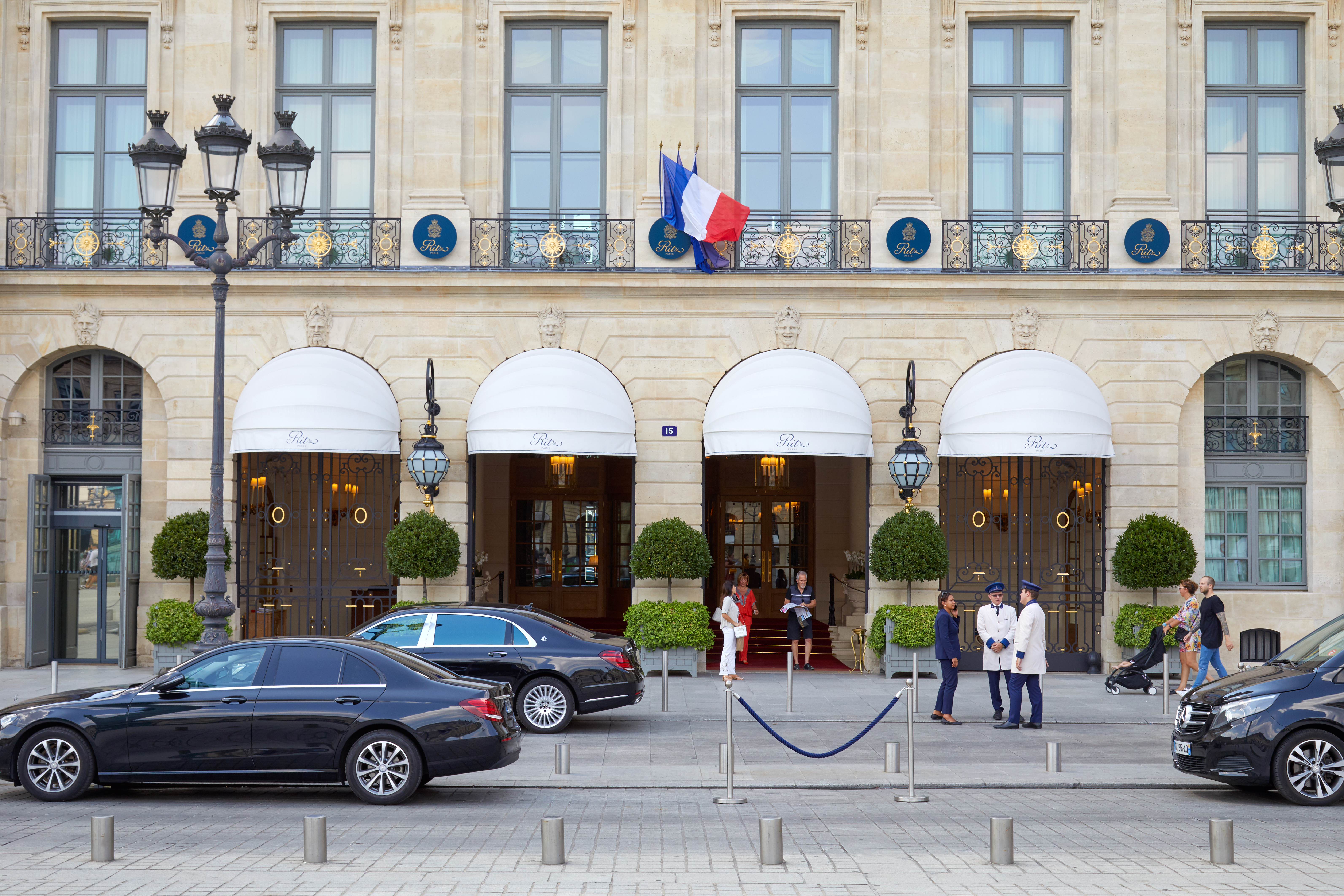
The façade of a hotel in Paris

The façade of a hotel in Paris

Classic architecture worth returning to

Classic architecture gives Paris hotels a distinct connection to the city, especially when historic buildings frame views beyond the room. An upper-floor window may catch the Eiffel Tower rising above Haussmannian rooftops, while Belle Époque interiors and Art Deco details recall different chapters of the city's architectural evolution. Wrought-iron balconies, tall French windows, ornate cornices and herringbone parquet add to that period character, often becoming part of what brings loyal guests back. The tower has become part of Paris's everyday skyline, giving a stay with that view a sense of place that feels uniquely Parisian.

The smallest details make a hotel in Paris unforgettable

A memorable stay is often built from moments no guidebook mentions. In Paris, they begin inside the hotel and quietly follow travellers into the street.

Small moments that stay in memory

Sometimes the most lasting memory is a small ritual rather than a landmark, such as breakfast arriving through a half-open window, a handwritten note beside the room key or shutters opening across the courtyard. At smaller Paris hotels, these details create a sense of place that polished design alone cannot. Outside, Paris continues at street level, where a grocer sets out fruit, a florist ties fresh stems and deliveries arrive before the pavements fill. These ordinary scenes become part of the stay because they happen every day, making a hotel feel briefly lived in rather than simply occupied.

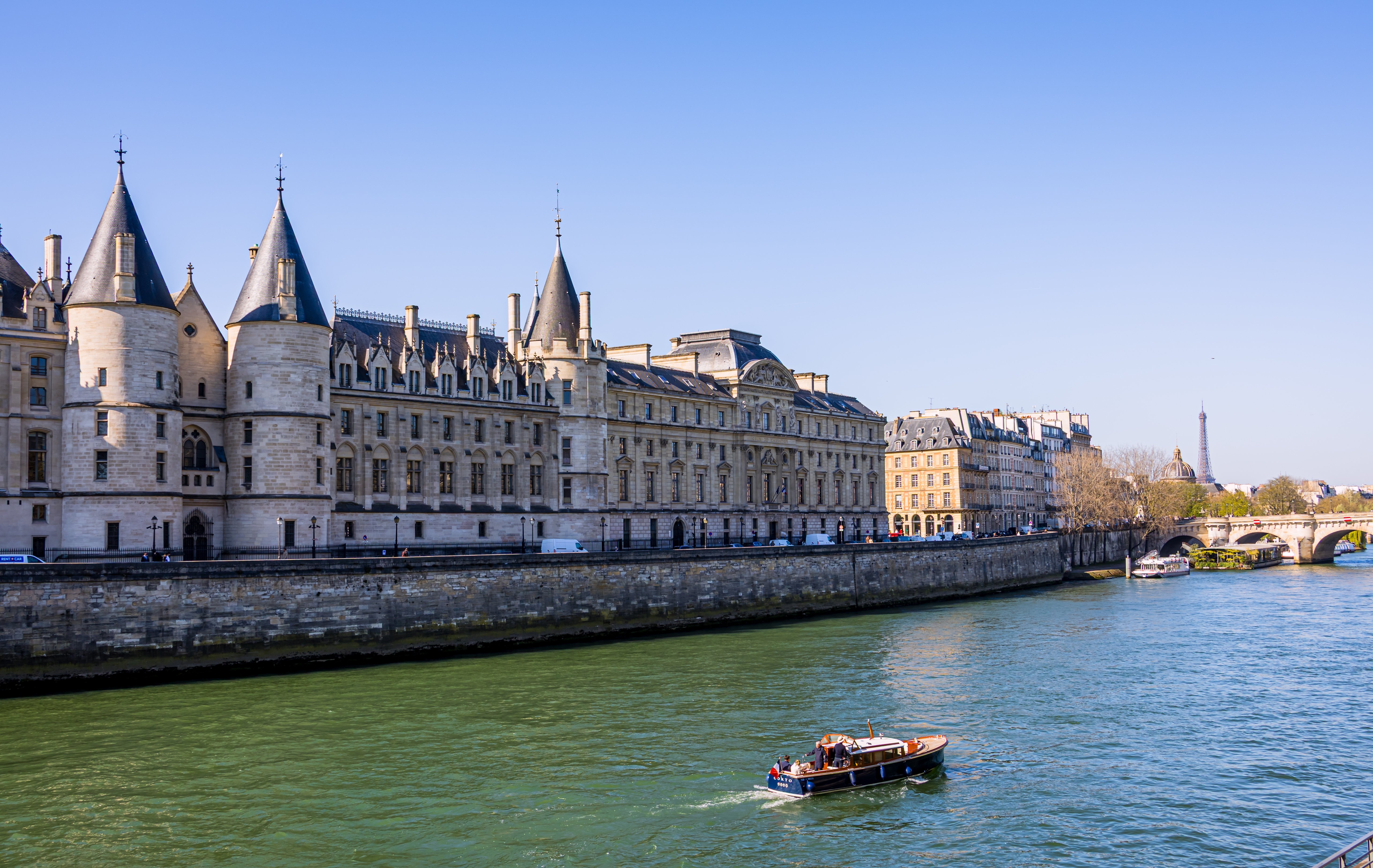
Historic accommodations nestled along the river in Paris

Historic accommodations nestled along the river in Paris

Extended stays call for more than a star rating

A longer stay changes what travellers notice inside the hotel. A small kitchen becomes useful when dinner is picked up from a neighbourhood traiteur, while a washing machine matters after a day spent walking through the city. Some serviced residences also provide communal lounges or shared workspaces, creating a quieter social side to Paris that a short hotel stay rarely reveals. For travellers staying several weeks, these practical details can matter more than the number of stars above the entrance.

The right neighbourhood becomes part of the stay

For Paris hotels, the neighbourhood outside the door can become part of the experience in less obvious ways. People gather in shared courtyards for long meals, colourful graffiti appears around unexpected corners, and a short walk can reveal a tiny gallery, an old workshop or a street performance. Even without a plan, the neighbourhood keeps offering small surprises that make simply wandering around feel worthwhile.

The wide range of Paris hotels leaves every traveller with a different way into the city. From grand stays to tucked-away addresses, the hotels in Paris recommended most fondly are often the ones that make even an ordinary walk feel like part of Paris.

Quick information

Frequently Asked Questions

Booking around 2 – 4 months ahead can offer travellers a wider choice of accommodation, particularly during popular periods such as spring, summer, Christmas and major events. Booking earlier may also be helpful for travellers looking for specific neighbourhoods, room types or highly sought-after properties.

Many hotels allow guests to leave luggage before check-in or after check-out on the same day, although availability and policies vary by property. Travellers should confirm directly with their chosen hotel before arrival, particularly when planning an early arrival or late departure.

Yes. Travellers planning extended visits can find properties with larger rooms, serviced apartments or suites with additional living facilities. When comparing hotels in Paris recommended for longer stays, consider practical details such as neighbourhood amenities, transport connections and room facilities alongside star ratings.

Find a collector’s paradise at Paris flea market

In Paris, a morning of browsing can uncover a forgotten poster, a piece of Art Deco glass or a chair with decades of stories behind it. A Paris flea market turns that sense of discovery into part of the city itself, while shopping complexes in Paris offer a more polished encounter with French design, fashion and craftsmanship.

The Paris flea market and the stories hidden among its treasures

At the edge of the city, old objects gather in a maze of stalls where a morning of browsing can uncover a piece of Paris with a history of its own

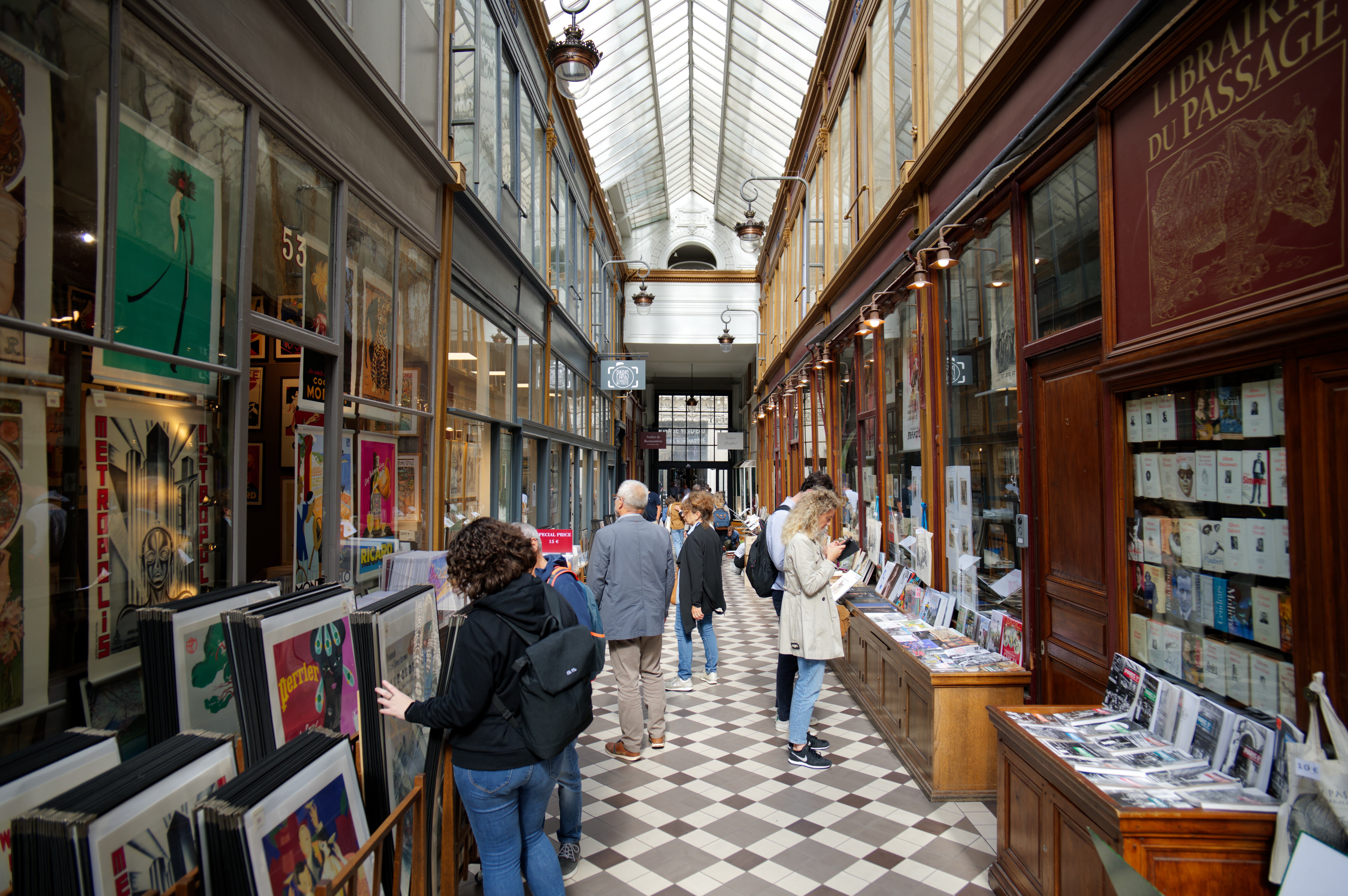
Tourists browsing artworks and books at a shopping destination in France

Tourists browsing artworks and books at a shopping destination in France

Hunting for antiques and vintage treasures at Saint-Ouen

At Marché aux Puces de Saint-Ouen, collectors move between the market's different sections in search of pieces rarely found in ordinary shops. A carved Art Nouveau cabinet, a worn leather trunk or a 1950s French coat might sit among rows of furniture and clothing, while dealers explain a piece's origin, period or former use. The pleasure of the Paris flea market lies in handling objects that have already lived another life, from the patina of an old wardrobe to the soft wear of vintage fabric, with each piece carrying traces of another era.

Decorative objects with a Parisian past

The smaller stalls reveal another side of French taste, from Limoges porcelain and brass lamps to illustrated advertisements, framed prints and objects once found in Parisian homes. Unlike the polished displays of Paris city centre shopping, these pieces arrive with scratches, faded colours and the occasional mystery of where they have been, making each discovery feel personal. A faded travel poster or hand-painted ceramic might suggest the room it once occupied, while an old clock or silver tray hints at the rituals of a Parisian household, giving modest objects a quiet connection to local life.

When the search becomes the experience

The best way to wander is without knowing what will end up in the shopping bag, because one stall may lead towards faded photographs, another towards vinyl records, and another into a room crowded with objects that take time to understand. A wrong turn might uncover handwritten postcards, while a second glance reveals a chipped ceramic figure that suddenly feels impossible to leave behind. The pleasure comes from that hesitation, when curiosity takes over and an ordinary object becomes a discovery, especially when the find has no obvious reason to be there and becomes the story you remember most.

The vibrant character of Paris city centre shopping

A few streets bring a shopping afternoon from emerging French designers to century-old retail institutions, with each neighbourhood offering its own reason to keep walking.

Le Marais and Rue Saint-Honoré, two sides of Parisian style

In Le Marais, shopping unfolds along old streets, where a doorway opens onto a small French label, a design studio or a concept store filled with objects you did not know you were looking for. Further along Rue Saint-Honoré, the mood becomes more polished, with couture, fragrance and luxury houses turning Paris city centre shopping into a closer look at the city's fashion culture.

French perfume, a popular gift choice among travelers shopping in Paris

French perfume, a popular gift choice among travelers shopping in Paris

Saint-Germain-des-Prés for books, design and refined finds

Saint-Germain-des-Prés invites a slower kind of browsing, with specialist bookshops where shelves reach towards the ceiling, galleries displaying contemporary work and design boutiques where a single object might hold your attention longer than expected. The area's literary and artistic history still colours the experience, making the afternoon feel less like collecting purchases and more like discovering pieces of the Left Bank's character.

Galeries Lafayette and Printemps, the grand department-store tradition

Then comes the spectacle of the grand department stores, where entering Galeries Lafayette means looking up before looking at the clothes, with its vast glass dome glowing above the floors. At Printemps, the scale changes again as shoppers move through fashion and beauty departments before reaching upper levels with sweeping city views, turning a day of Paris city centre shopping into something even more exciting than sightseeing.

A full day out in shopping complexes in Paris

Rainy weather gives a different reason to step indoors, with some of Paris's busiest shopping destinations revealing how locals spend time away from the usual sights.

Forum des Halles and the everyday Parisian shopping scene

Beneath the centre of Paris, Forum des Halles gathers fashion chains, a cinema and a food court under its sweeping glass canopy. Linked directly to Châtelet–Les Halles, it feels part of the city's daily routine, making it a useful place to browse French labels and pick up easy-to-pack souvenirs such as a classic beret, a silk scarf or Paris-themed stationery. Among shopping complexes in Paris, its strength is convenience without feeling detached from local life.

Beaugrenelle for modern design and Seine views

In the 15th arrondissement, Beaugrenelle brings a more contemporary mood, with glass-fronted buildings overlooking the Seine and stores ranging from accessible fashion to designer names. This is a better stop for travellers drawn to French beauty and fragrance, where a bottle of perfume, a French skincare product or a beautifully packaged beauty set feels more personal than a typical souvenir. The rooftop terrace adds another layer, opening the shopping experience towards the river and city beyond.

Italie 2 beside Paris's Chinatown

Near the 13th arrondissement's Chinatown, Italie 2 offers a different kind of local discovery. French retail chains sit close to Asian grocers, tea shops and restaurants, so a few steps outside the complex reveal another Paris shaped by migration and food culture. For travellers who enjoy bringing home edible souvenirs, the surrounding streets offer Chinese teas, specialty ingredients, sweets and packaged delicacies that give this shopping complex in Paris a distinctly multicultural character.

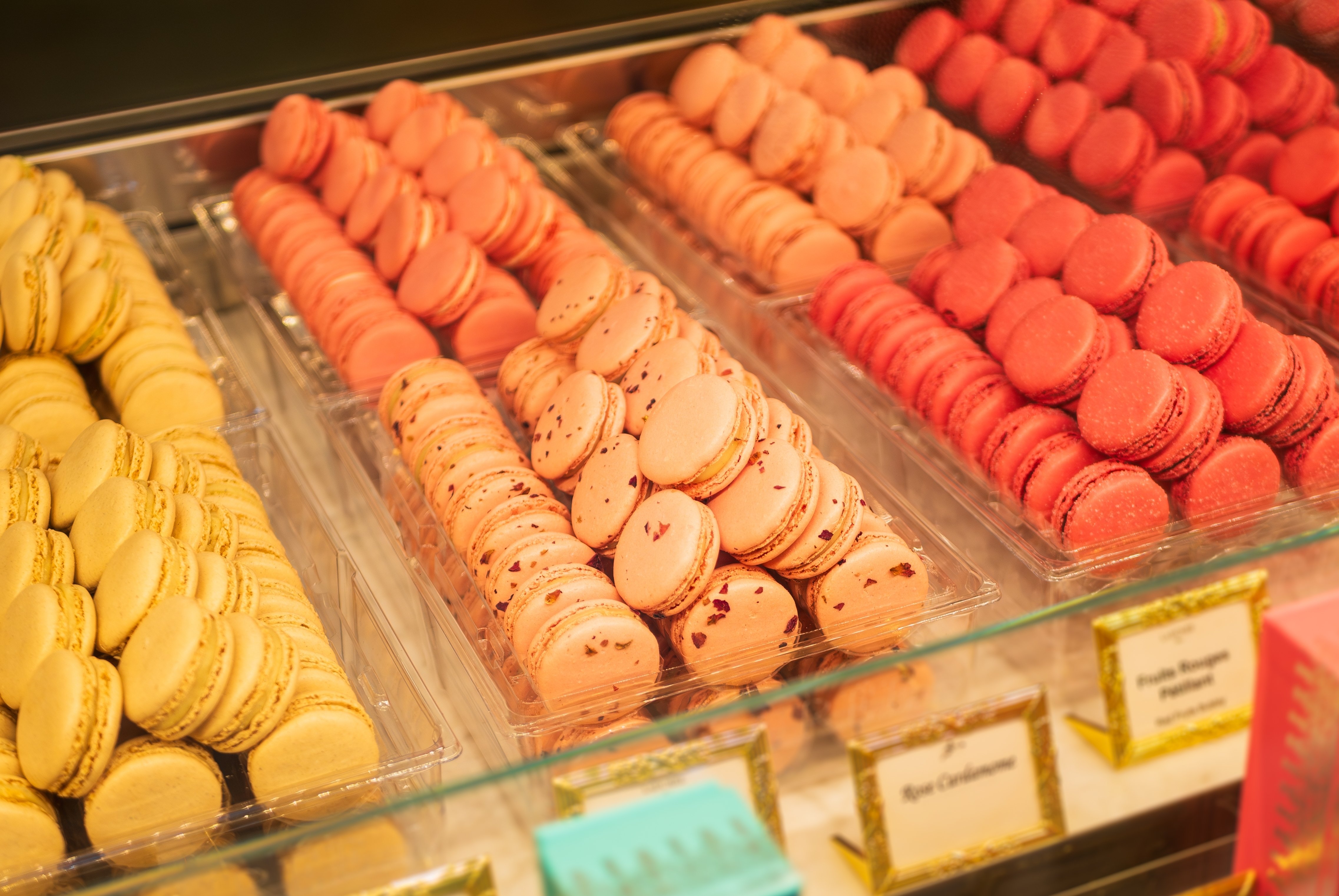
Colorful macarons, a popular treat and gift choice when shopping at a Paris flea market

Colorful macarons, a popular treat and gift choice when shopping at a Paris flea market

Whether exploring a Paris flea market, browsing Paris city centre shopping, or ducking into shopping complexes in Paris, the best finds often bring a piece of the city home, from a vintage poster to a French fragrance. For shopping lovers, checking baggage information before flying home helps leave room for unexpected Paris finds.

Quick information

Frequently Asked Questions

Yes. Eligible non-EU visitors may receive VAT refunds when shopping at participating stores and meeting the applicable minimum spending requirement. Travellers should ask the retailer about tax-free procedures and required documentation when making their purchase.

Yes. Paris airports feature official boutiques and duty-free stores carrying major French fragrance and luxury brands, making them convenient for last-minute purchases before departure.

Yes. Credit cards are widely accepted in department stores, boutiques, restaurants and most retail shops throughout Paris. Travellers may still find it useful to carry a small amount of cash for smaller purchases or independent vendors.

Offers from Vietnam Airlines

Promotion List
Sorry, there are currently no promo codes matching the selected criteria!
Please search again with different criteria
Filters

Loading